
1. ☕ The National Battery is Powered by Çay (Tea)
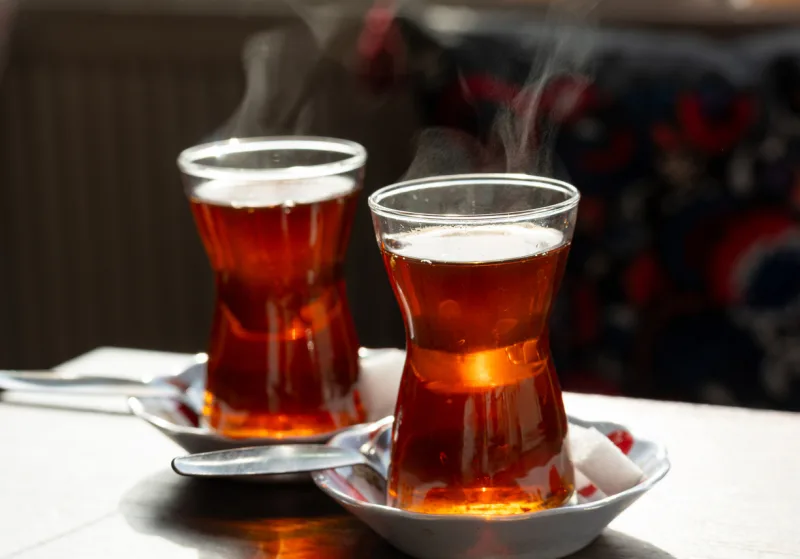
Forget grabbing a coffee to go. In Turkey, the rhythm of daily life is measured in small, tulip-shaped glasses of strong, ruby-red çay (pronounced "chai").
You will be offered tea constantly—while shopping for a rug, waiting at a mechanic, or after a meal. This isn't merely a beverage; it's a sacred gesture of hospitality. Refusing can unintentionally refuse a gesture of friendship. I learned this quickly after a shopkeeper's face fell when I said no to be "efficient." Accepting that first glass is your key to warmer interactions.
Pro Tip: If it's too strong, ask for it "açık" (lighter). Hold the glass by the rim to avoid the heat. And the little sugar packet wrappers? Just tuck them neatly under your saucer.
2. Your Personal Space Bubble Will Gently Pop
Americans are used to a comfortable, invisible buffer zone. In Turkey, warmth is expressed physically.
A hand on your shoulder during conversation, friends (often of the same gender) walking arm-in-arm, and cheek kisses ("hello" and "goodbye") are all standard. This isn't an invasion; it's an inclusion. I once saw an American friend freeze when pulled into a double-cheek kiss by a new acquaintance. That gesture meant, "You are welcome here."
Pro Tip: Adapt and embrace it. A good handshake with eye contact works. If someone leans in for a kiss, reciprocate. This physical closeness is a sign of trust.
3. "Turkish Time" is a Beautifully Flexible Concept
Punctuality is valued in business, but social time operates on a more relaxed, elastic schedule.
An invitation for a 7:00 PM dinner often means arriving at 7:30 or 8:00. Turning up exactly on time can catch your host unprepared. The focus is on the event and the people, not the clock. For appointments, it's wise to clarify: is this "saat gibi" (by the clock) or "Türk saatine göre" (by Turkish time)?
A Quick Story: I arrived promptly for a home-cooked meal and found my host still in the kitchen, flustered. Now, I use the extra time to relax, and I'm never the first guest to arrive.
Customize Your Dream Vacation!
Get in touch with our local experts for an unforgettable journey.
Plan Your Trip4. Haggling is a Social Sport, Not a Confrontation
In bazaars and many small shops, the first price is the opening move in a friendly, expected ritual.
The goal isn't to "win," but to reach a mutually agreeable price through playful negotiation. It starts with showing interest, sharing a chat (and likely that glass of tea), and then beginning the dance. Start around 50-60% of the asking price and meet in the middle—always with a smile.
Pro Tip: Once the deal is done, the atmosphere shifts completely to one of warm congratulations. You might get more tea, a small gift, or an invitation to come back anytime.
5. The Unspoken Language of Gestures
Turks have a rich vocabulary of gestures that say more than words.
The "No": An upward lift of the chin, often with a click of the tongue ("tık"). To Americans, this can look like "yes," leading to serious confusion!
"Thank You": Placing a hand over your heart expresses sincere "eyvallah."
"Good/Expensive": Rubbing the thumb and fingertips together.
Learning these will make you feel more in the know.
6. The Call to Prayer is Your Daily Soundtrack
Five times a day, the melodic ezan (call to prayer) echoes across cities and towns from mosque minarets.
For many, the pre-dawn call is a surprising alarm clock. Rather than a disturbance, try to hear it as the country's spiritual pulse—a moment of profound beauty and pause that structures the day.
7. Dining is an Event, Not a Task
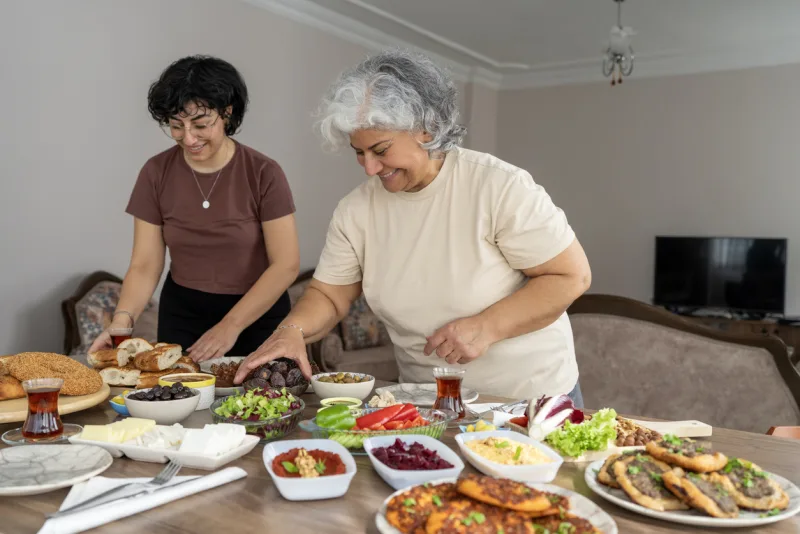
Meals are leisurely, social marathons. Rushing is unheard of.
Shared plates, constant conversation, and refusing to let a glass stay empty are the norms. A major difference: the bill will never come until you ask for it ("hesap lütfen"). Bringing it unasked is like telling guests to leave. Also, a small cover charge for bread and appetizers is standard.
A Memorable Meal: My search for a quick lunch led to a two-hour feast where the owner's family joined me with endless tea and dessert. It was the best "interruption" to my plans imaginable.
8. Crossing the Street is a Leap of Faith
The pedestrian right-of-way is a creative concept. Drivers are skilled but assertive.
The secret is confidence. Don't run, don't hesitate. Make eye contact, walk at a steady pace, and trust that traffic will flow around you. The car horns? They're often just saying "I'm here!"
9. Curiosity Feels Like Directness
Be prepared for friendly but personal questions about your age, job, marriage, or children.
This isn't rude prying. It's a way to understand you and show genuine interest. You can answer with a smile or deflect lightly. This same curiosity fuels incredible hospitality—like spontaneous offers for help or a home-cooked meal.
Turning Shock into Connection
The moments that feel the most foreign at first often become your fondest memories. Culture shock is the growing pain of a perspective expanding. Turkey invites you to slow down, connect deeply, and embrace a different rhythm.
So pack your patience, leave your rigid schedule at home, and get ready to say "evet" (yes) to that unsolicited glass of tea. Your most authentic Turkish adventure lies just beyond the initial surprise.