Article Indexes:
#1. KANAZAWA: The Sophisticated Alternative to Kyoto
#2. TAKAYAMA: Mountain Town Time Warp
#3. NAOSHIMA: Art Island Revelation
#4. KINOSAKI ONSEN: Authentic Hot Spring Town
#5. SHIRAKAWA-GO: Thatched Roof Village Escape
#6. NAGICHO: Tiny Island Artist Village
#7. KOYASAN (MOUNT KOYA): Spiritual Mountain Retreat
#8. TAKASHIMA (LAKE BIWA REGION): Rural Lake Community
Everyone goes to Tokyo. Everyone visits Kyoto temples. Everyone queues at Fushimi Inari Shrine with 10,000 people taking identical photos. Japan's famous spots are beautiful, but they're also performances. Everyone's performing tourism together.
But there's another Japan existing in the shadows of these famous destinations. A Japan where locals actually live. Where ancient traditions remain because they're meaningful, not because tourists came. Where silence is more common than crowds. This Japan is harder to reach, requires more intention, and rewards more deeply.
This guide isn't about being contrarian. It's about experiencing Japan authentically. The famous places are worth visiting. But Japan's real magic lives in places tourists haven't discovered yet—or have discovered but didn't stay long enough to understand.
The Hidden Gems: Where Real Japan Lives
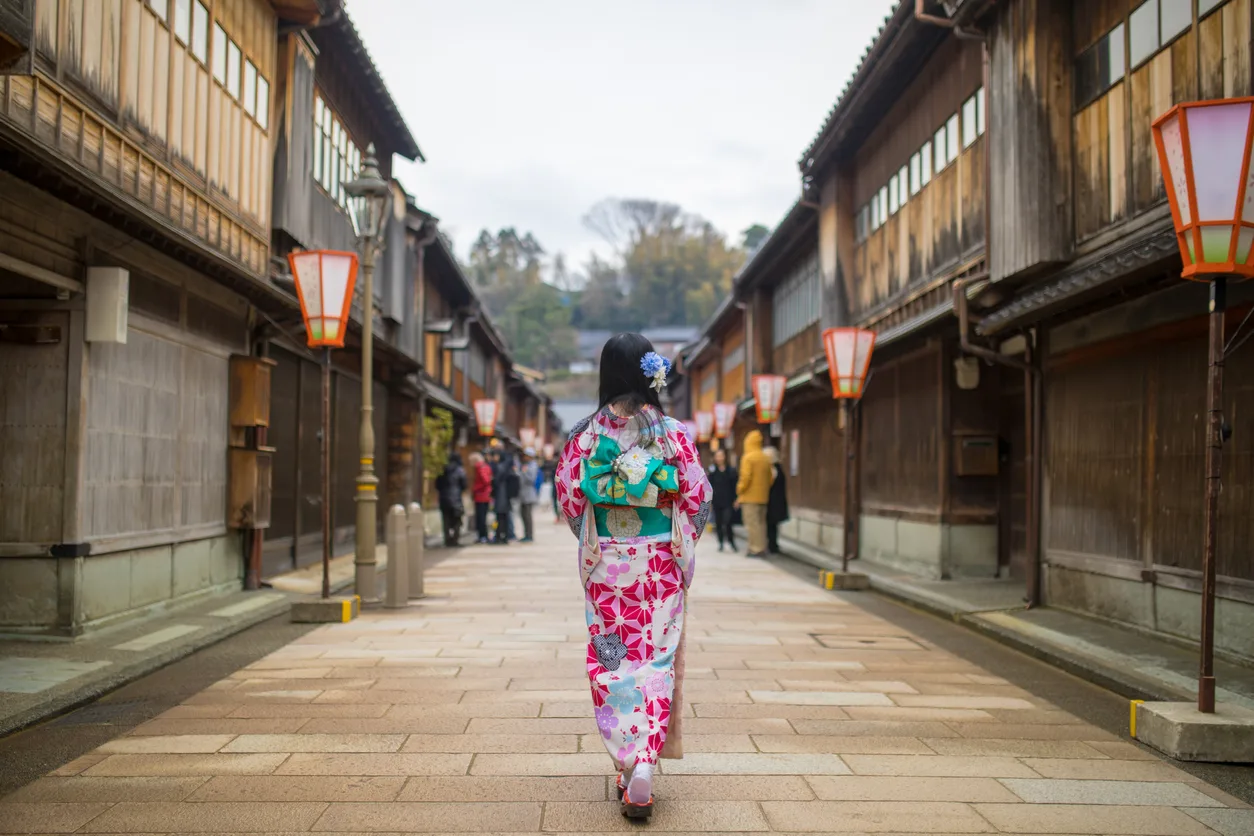
#1. KANAZAWA: The Sophisticated Alternative to Kyoto
The Reality: Kanazawa is 300km northwest of Tokyo. Most tourists miss it. Those who find it discover Japan's most underrated city. It has castles, traditional gardens, geisha districts, temples, local culture—everything Kyoto offers, but with 80% fewer tourists. The experience quality is superior because crowds are minimal.
Where to Actually Visit:
- Kenroku-en Garden: One of Japan's three greatest gardens. Early morning (7-8 AM) before tour groups arrive. Peaceful garden, incredible design, authentic experience. Locals actually visit here regularly, not just tourists.
- Kanazawa Castle: Reconstructed castle with traditional architecture. Less famous than Kyoto castles, so uncrowded. The park surrounding it is perfect for walking and exploring at your own pace without rush.
- Higashi Chaya District: Geisha district with traditional wooden machiya houses. Walk narrow lanes, visit teahouses, experience preserved Edo-period atmosphere. Authentic geishas actually work here, not just tourist performers.
- 21st Century Museum of Contemporary Art: Modern art museum showing Japan's contemporary culture. Surprisingly engaging. Reveals Japan beyond tradition—important for balanced understanding.
- Omicho Market: Local fish market where residents buy daily food. Eat fresh sushi breakfast from actual fishmongers. This is where locals eat, not tourist restaurants.
Pro Tips:
- Stay 2-3 days minimum—rush destroys the experience
- Rent bicycles to explore like locals do
- Visit geisha district evening (7-9 PM) when geishas actually work
- Eat at small local restaurants, not tourist-marked establishments
- Visit museums on rainy days; sunny days for gardens and districts
Best Time: April (cherry blossoms) or October-November (autumn). October avoids summer crowds and humidity.
Time Required: 2-3 days | Cost: €50-80/day budget | Best For: Culture seekers, garden lovers, geisha enthusiasts
Customize Your Dream Vacation!
Get in touch with our local experts for an unforgettable journey.
Plan Your Trip#2. TAKAYAMA: Mountain Town Time Warp
The Reality: Takayama is a small mountain town in rural Honshu where Edo-period traditional architecture remains intact. Walking the streets feels like stepping into 1800s Japan. No modern tourist infrastructure means authentic experience. Locals haven't adjusted for tourism—you're adapting to their life, not opposite.
Where to Actually Visit:
- Old Town (Sanmachi Suji): Three preserved streets of traditional wooden merchant houses. Morning walks (6-7 AM) before any crowds. Streets empty except delivery trucks. See actual morning routines of locals. This is Japan before tourism arrives.
- Takayama Jinya: Former samurai government house. Museums preserved inside. Smaller, less crowded than Kyoto's palaces. You can spend time understanding instead of rushing through crowds.
- Local Sake Breweries: Takayama region produces excellent sake. Visit actual breweries (not tourist shops), taste directly from makers. Brewery owners discuss their craft. Many English-speaking because young generation running business.
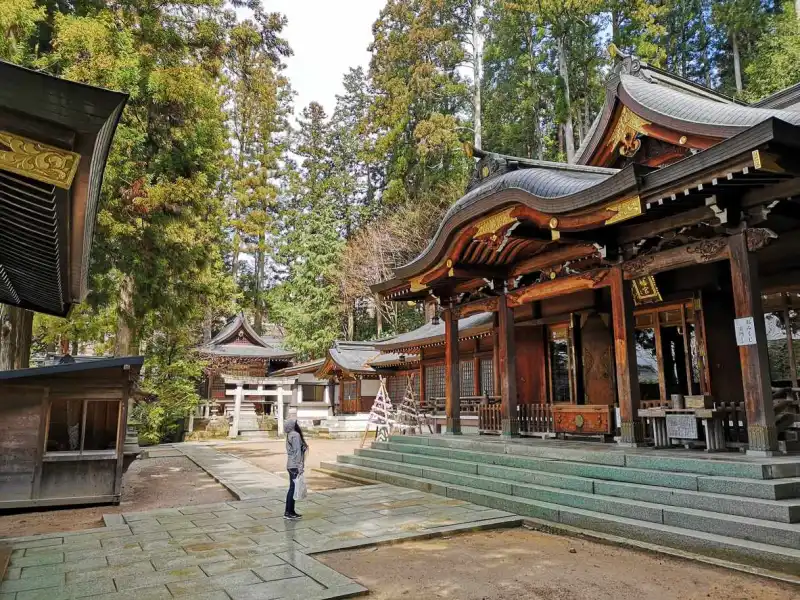
- Hachimansan Shrine: Mountain shrine with genuine spiritual significance. Locals worship here daily. Not a tourist photo-op but actual place of faith. Respectful visiting offers real understanding.
- Asaichi Morning Market: Locals sell vegetables, fruits, local products. Chaotic, genuine, alive. Not staged for tourists. Chat with vendors, try samples, experience real community commerce.
Pro Tips:
- Arrive evening, explore old town at sunrise (magical light)
- Stay in traditional minshuku (family guesthouses) not hotels
- Eat breakfast at local cafés, not tourist restaurants
- Rent bicycle or walk—avoid taxis, which create distance from place
- Visit Monday-Thursday when locals dominate over weekenders
- Book English tour guide through guesthouse (€10-15) for deeper context
Best Time: September-November (autumn colors, mild weather). Avoid Golden Week (late April) when Japanese holidays flood tourism.
Time Required: 2 days | Cost: €40-60/day budget | Best For: Authentic seekers, architecture lovers, mountain town explorers
#3. NAOSHIMA: Art Island Revelation
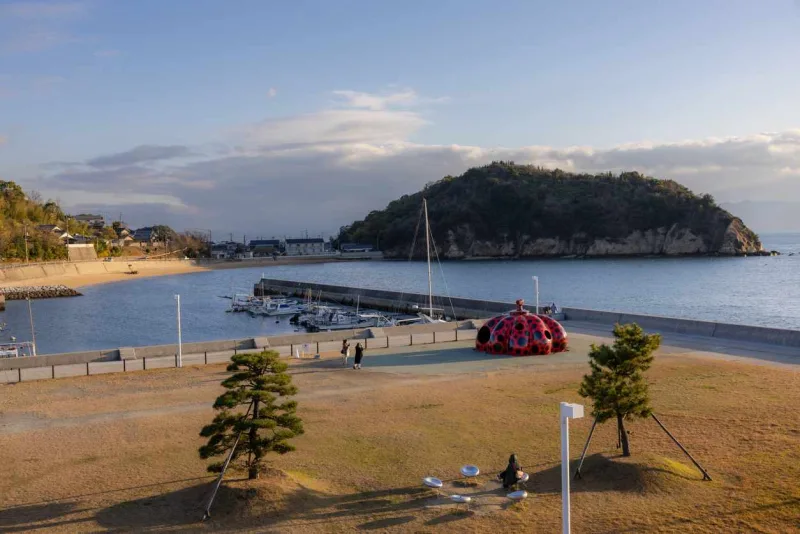
The Reality: Naoshima is small island in Seto Inland Sea. It's become art destination attracting international artists. Unlike Tokyo's art scene, Naoshima integrates art into landscape, community, daily life. Contemporary art meets traditional island culture creating something genuine and original.
Where to Actually Visit:
- Benesse House Museum: Iconic museum building designed by famous architect. Art collection ranges from classical to contemporary. Museum architecture is artwork itself. Views of Seto Inland Sea from museum are stunning. Respectfully explore at own pace.
- Art House Project: Seven historic houses converted into art installations. Walk through village discovering art embedded in community. Community members actively participate, explaining their involvement. Genuine integration of art and life.
- Chichu Art Museum: Underground museum carved into mountainside. Natural light illuminates artworks. Meditative experience. Far fewer tourists than major museums. Genuinely peaceful.
- Island Beaches: Small beaches practically empty year-round. Locals swim here. Walk beaches at sunrise or sunset. Contemplative experience without crowds.
- Local Cafés and Restaurants: Small family-run cafés. Island ingredients. Owners discuss island life. Eat where locals eat, not tourist-marked places.
Pro Tips:
- Stay overnight—day-trippers miss island's quiet evening and morning magic
- Rent bicycle (only real transportation)
- Take ferry from Takamatsu (€8 round trip, 60 minute journey scenic)
- Eat lunch early (many restaurants close 2-5 PM)
- Visit during low season (June-July hot, September typhoons possible, but fewer tourists)
- Book accommodations through guesthouses connecting you with local hosts
Best Time: April-May or October-November (mild weather, fewer tourists). Spring has cherry blossoms; autumn has clear skies.
Time Required: 1-2 days | Cost: €50-70/day budget | Best For: Art lovers, contemplative travelers, island explorers
#4. KINOSAKI ONSEN: Authentic Hot Spring Town
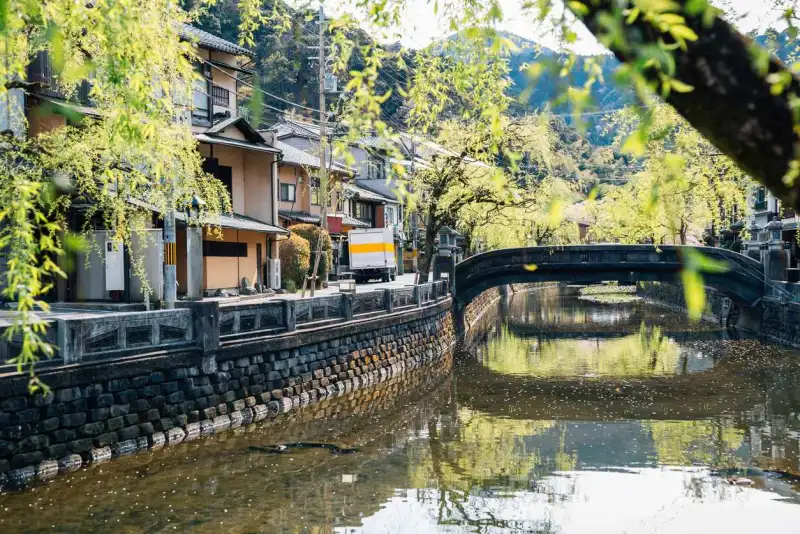
The Reality: Kinosaki is small hot spring town on Japan's coast. Traditional onsen (hot spring) resort where locals actually come for bathing. Not tourist theme park but actual community spa town. Walking narrow lanes, visiting public baths, experiencing bathing culture—this is Japan's wellness tradition.
Where to Actually Visit:
- Public Onsen Baths: Seven different public baths throughout town. Each unique. Locals use them daily. Pay small fee (€3-4), experience genuine bathing culture. Morning (6-7 AM) best for avoiding crowds and seeing locals bathing.
- Onsen Town Strolls: Narrow lanes between bath houses. Traditional wooden buildings, quiet atmosphere. Evening strolls (6-8 PM) most atmospheric. Locals dressed in yukata robes wandering to baths. Authentic community evening routine.
- Ryokan (Traditional Inns): Stay in ryokan with included onsen access. Hosts prepare kaiseki dinners. Sleep on tatami mats. Experience traditional hospitality. Owners discuss onsen culture and regional history.
- Otani Shrine: Small shrine overlooking town. Spiritual significance for locals. Quiet space for contemplation. Morning visits most peaceful.
- Local Restaurants: Restaurants serving regional crab, local fish, mountain vegetables. Winter crab season (November-March) is specialty. Eat seasonal, local, regional.
Pro Tips:
- Visit November-March for crab season and winter onsen experience (winter bathing is magical)
- Stay in ryokan for full experience (€80-120 includes meals and onsen)
- Bathe early morning (6-7 AM) before tour groups arrive
- Wear yukata around town—blend in, feel like local
- Ask ryokan host for local restaurant recommendations (they know authentic places)
- Visit weekdays for quieter experience (weekends packed with domestic tourists)
Best Time: November-March (crab season, onsen most enjoyable in cold weather). Spring/summer also good but less special.
Time Required: 1-2 nights | Cost: €80-120/night including meals | Best For: Wellness seekers, cultural explorers, relaxation-focused travelers
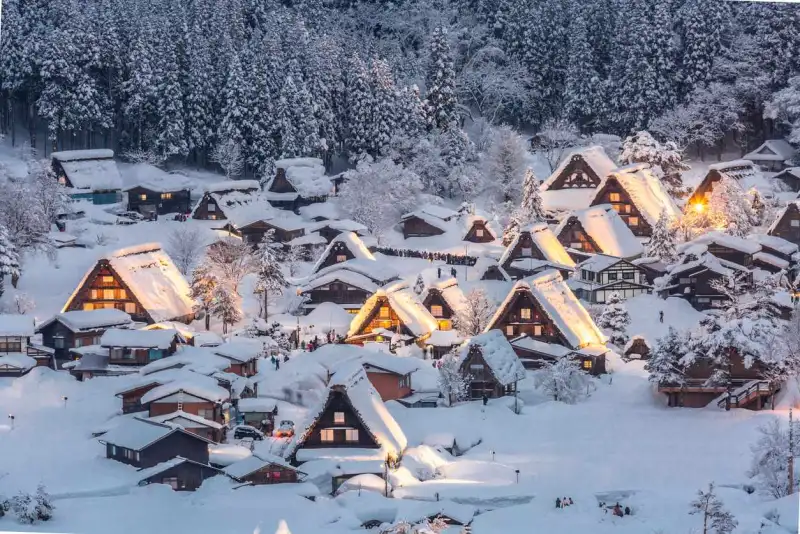
#5. SHIRAKAWA-GO: Thatched Roof Village Escape
The Reality: Shirakawa-Go is small mountain village famous for gassho-style thatched-roof farmhouses. Entire village preserved as living heritage. Winter becomes postcard-perfect with snow. Summer and autumn less touristy but equally authentic. Village remains functional—people actually live here, farms still operate, traditions continue.
Where to Actually Visit:
- Gassho-Style Houses: Walk through village observing traditional houses. Some house museums, some private residences, some functioning farms. Respect privacy—observe from distance when private. Photograph respectfully without intrusion.
- Shirakawa-Go Habitat Museum: One house converted to museum. Understand construction, agricultural history, village life. Genuinely educational without being overwhelming.
- Traditional Farm Experiences: Some farmers offer staying and helping with farm work. Early mornings in fields, helping with harvests, understanding agricultural calendar. Genuine participation in local life.
- Sake Brewery Visits: Small local brewery operates in village. Tour includes tasting. Owners explain brewing and regional agriculture connection.
- Walking Trails: Mountain trails surrounding village. Early morning walks (6-8 AM) reveal landscape before crowds. Autumn colors in October, spring greenery in May.
Pro Tips:
- Visit off-season (May, June, September) for fewer tourists and authentic village atmosphere
- Avoid winter holidays (December-January) when overcrowded with domestic tourists seeking snow
- Stay overnight in guesthouses or farmstays, not daytime visit (village reveals itself in quiet evenings and mornings)
- Visit early morning (6-7 AM) when village wakes before tourists arrive
- Hire local guide (€20-30) for deeper understanding of agricultural traditions and architectural details
- Eat with host family if staying in farmstay—connect through food and conversation
Best Time: May-June or September (mild weather, fewer tourists, village alive). Avoid winter (overcrowded, weather harsh) and Golden Week holidays.
Time Required: 1-2 nights | Cost: €60-100/night | Best For: Heritage lovers, rural explorers, farm-to-table enthusiasts
#6. NAGICHO: Tiny Island Artist Village
The Reality: Nagicho is tiny island (population ~60) in Seto Inland Sea converted into artist community. Artists from worldwide moved here, renovated traditional buildings, created art studios. Island represents contemporary rural revitalization—young people choosing rural life through creative communities.
Where to Actually Visit:
- Artist Studios: Walk island visiting working artist studios (many open to visitors). Chat with artists, observe creative process, understand why they chose rural island life. International perspectives mixed with Japanese tradition creates unique conversations.
- Community Art Spaces: Renovated traditional buildings become galleries, cafés, communal spaces. Instagram-aesthetic but genuine community function. Eat at artist-run cafés, sleep in artist guesthouses.
- Beaches and Nature: Island surrounded by beautiful Seto Inland Sea. Small beaches practically empty. Explore landscape inspiring artists. Photography opportunities everywhere without crowds.
- Island Walks: Paths connecting village, studios, beaches. Entire island circumnavigated in 2-3 hours. Walking reveals how community integrated into landscape.
Pro Tips:
- Take ferry from Takamatsu (€5 return, 90 minutes)
- Arrive afternoon, stay overnight to experience island evenings when artists socialize
- Most studios open weekends, but inquire about weekday visits
- Book accommodations directly with artists (more authentic than hotel booking)
- Bring cash—limited ATMs and payment systems
- Visit September-October or April-May (mild weather, fewer tourists)
Best Time: April-May or September-October (mild weather, artists most active). Summer too hot, winter too quiet.
Time Required: 1-2 days | Cost: €40-60/day | Best For: Art lovers, contemporary culture seekers, alternative lifestyle curious
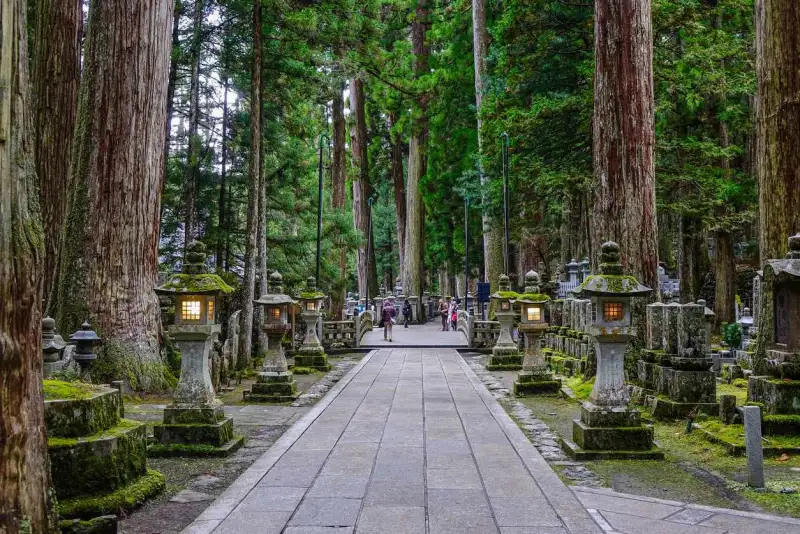
#7. KOYASAN (MOUNT KOYA): Spiritual Mountain Retreat
The Reality: Mount Koya is sacred Buddhist mountain monastery community. 120+ temples, 10,000 monks historically, now smaller but still functioning monastery center. Staying in temple lodging (shukubo) offers meditation experience, vegetarian Buddhist meals, early morning temple routines. Deeply spiritual without being touristy.
Where to Actually Visit:
- Koyasan Monastery Complex: Walk between temples, observe monks' daily routines respectfully. Some temples open for meditation or teaching. Profound spiritual atmosphere unlike any tourist attraction.
- Kobo-Daishi Mausoleum: Most sacred site on Mount Koya. Two-hour lantern-lit path through forest of 200,000 graves. Walking through thousands of lanterns creates meditative, mystical atmosphere. Genuinely moving experience.
- Shukubo Temple Lodging: Stay overnight in temple. Sleep on tatami mats, eat vegetarian Buddhist meals, attend early morning prayer services (5 AM). Immersive spiritual experience. Transformative for many.
- Kongobuji Temple: Head temple of Koyasan. Gardens, architecture, history. Museum with Buddhist art. Larger temple more accustomed to visitors but maintains authentic spiritual function.
- Mountain Walks: Forest surrounding monastery. Morning walks among ancient trees. Spiritual energy authentically felt, not commercialized.
Pro Tips:
- Book shukubo 2-3 months ahead (limited capacity, small rooms)
- Arrive afternoon, experience evening prayers and meals, stay overnight minimum
- Early morning prayers (5-6 AM) most meaningful time
- Eat vegetarian Buddhist meals (shojin ryori) prepared by temple
- Walk forest trails early morning before crowds
- Dress respectfully (no shorts, covered shoulders in temples)
- Meditate genuinely—approach spiritually, not as tourist experience
Best Time: April-May or September-October (mild weather, beautiful scenery). Summer humid, winter occasionally snowy.
Time Required: 1-2 nights | Cost: €50-80/night including meals | Best For: Spiritual seekers, meditation practitioners, contemplative travelers
#8. TAKASHIMA (LAKE BIWA REGION): Rural Lake Community
The Reality: Takashima is small town on Lake Biwa (Japan's largest freshwater lake) in rural Shiga Prefecture. Most tourists miss it entirely. Local life continues unchanged by tourism. Community agriculture, fishing traditions, lake culture—authentic rural Japan few ever experience.
Where to Actually Visit:
- Lake Biwa Walks: Walk along lake shores, observe local fishermen working, experience vast water landscape. Morning walks (6-7 AM) peaceful and meditative. Photography opportunities without crowds.
- Local Fish Markets: Small market where fishermen sell daily catch. Buy fresh fish, eat at informal restaurant stalls. Breakfast with locals, not tourists.
- Agricultural Countryside: Bicycle through farmland. Stop at family farms selling vegetables roadside. Eat farm-fresh produce, chat with farmers. Understand rural agricultural calendar.
- Traditional Temples: Small temples throughout region. Visit during local worship times, not designated tourist hours. Participate in community spiritual life.
- Cycling Routes: Lake Biwa cycling route circumnavigates entire lake (200 km, doable in sections). Rent bicycle, explore at own pace. Stay in small guesthouses along route.
Pro Tips:
- Rent bicycle and explore independently (most authentic way to experience)
- Stay in small family-run guesthouses, not hotels
- Visit March-May or September-October (weather perfect for cycling, fewer tourists)
- Eat where locals eat—small udon shops, ramen stalls, family restaurants
- Visit weekdays (weekends still relatively quiet but more crowded than weekdays)
- Learn basic Japanese phrases—rural areas less English-speaking but people genuinely friendly
Best Time: March-May or September-October (mild weather, cycling ideal, countryside most beautiful). Summer humid, winter occasionally snowy.
Time Required: 2-3 days | Cost: €40-60/day | Best For: Cyclists, rural explorers, agriculture-interested travelers
#The Hidden Gem Philosophy
These places work because they're not famous. Not because they're inferior. Opposite—they're often superior to famous places because crowds haven't overwhelmed them. The skill isn't finding secret spots. It's understanding what makes places valuable: authenticity, community, genuine experience.
Famous places are valuable. But they're also crowded, changed by tourism, orchestrated for visitors. Hidden gems remain themselves because tourists haven't arrived to transform them. This is temporary condition. Eventually, these places will become famous. When they do, they'll likely lose what makes them special.
Japan's famous places are valuable. Visit them. But Japan's hidden gems are transformative. They reveal different Japan—authentic, community-centered, locally-rooted. The difference between visiting Japan and understanding Japan is experiencing both famous and hidden places.
Hidden gems require intentionality. More planning, less infrastructure, less English. But exactly that challenge makes them rewarding. You're not consuming tourism—you're participating in real life. That participation transforms travel from service consumption into genuine cultural exchange. With Memphis Tours Japan tour packages, you can experience both worlds in perfectly designed itineraries that combine iconic highlights with authentic local discoveries.
No. Japan has excellent train system reaching even small towns. Regional trains are cheap (€5-20 rides). Buses and bicycles supplement trains. Most remote places accessible within 2-3 train connections from major cities. Internet guides help route planning. Japan National Tourism Organization provides free English maps. Difficulty is psychological (unfamiliarity) not logistical (infrastructure).
Yes. English increasingly available in tourist regions. But rural areas have less English. Learn basic phrases (hello, thank you, excuse me, help). Google Translate helps. Japanese people appreciate effort even if translation imperfect. Rural hospitality often compensates for language barriers. Small towns simpler to navigate than large cities despite less English availability.
Yes. Japan extremely safe overall. Remote rural areas exceptionally safe. Violent crime virtually nonexistent. Solo female travelers, solo male travelers, any person alone is safe. Communities are often protective toward solo travelers. Only considerations: infrastructure less English-friendly requiring more preparation, isolation from international services needing self-sufficiency.
Yes, strategically planned. Use Japan Railways Pass (€250 for 7 days unlimited travel). Plan route connecting gems logically. Example: Kanazawa → Takayama → Shirakawa-Go (mountain region cluster). Allow 2-3 days minimum per location. Rushing defeats purpose. Better to deep-dive 2-3 places than skim 6-7. Quality over quantity always.
June (pre-summer vacation), July-August (too hot/humid), and January-February (cold/potential snow) have fewest tourists. April-May (cherry blossoms), September-October (autumn), Golden Week (late April) have more tourists. Best balance: May-June and September-October for good weather with moderate crowds. Avoid Golden Week (last week April), Obon (mid-August), New Year (Dec 28-Jan 4).
Very. Away from major tourist centers, food, accommodation, activities cost 30-50% less than Tokyo/Kyoto. Meals €5-10. Guesthouses €40-60. Activities free-€10. Japan overall expensive destination, but hidden gems among cheapest. Budget €50-80/day easily (accommodation, meals, activities included). Less crowded places often cheaper.