Article Indexes:
#The Art of Sushi: More Than Just Raw Fish
#Ramen: A Bowl of Pure Comfort
#Beyond the Classics: Hidden Culinary Gems
#Planning Your Food-Focused Japan Trip
When people think about Japan, they often picture cherry blossoms, ancient temples, and bustling streets. But if you ask me? Japan is the destination for food lovers. I mean, this is a country where people will queue for 30 minutes for the perfect bowl of ramen, where sushi chefs train for decades to perfect their craft, and where every region has its own culinary identity that'll blow your mind.
I recently spent three weeks traveling through Japan, and honestly, my feet got less of a workout than my taste buds. From the neon-lit izakayas of Tokyo to quiet mountain towns serving humble but mind-blowing udon, I discovered why Japanese food culture is so deeply respected worldwide. And here's the thing—you don't need a Michelin reservation to experience incredible food in Japan. Some of my most memorable meals happened at hole-in-the-wall shops that seat maybe five people.
#The Art of Sushi: More Than Just Raw Fish
Let's start with the obvious: sushi. It's Japan's most famous export, but I bet you've never experienced it like you will in Japan itself.
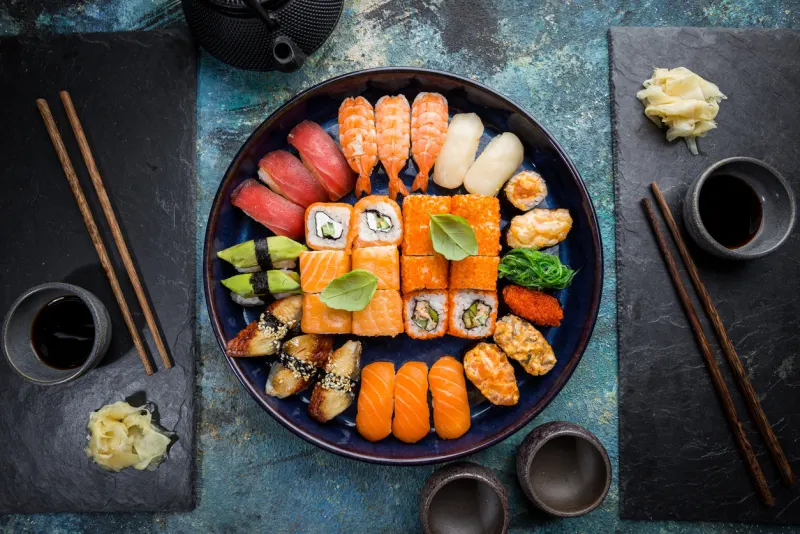
The first thing that surprised me was the simplicity of authentic sushi. When I visited a small sushi bar in Tsukiji (Tokyo's legendary fish market), the sushi chef—a man named Hiroshi who'd been making sushi for 45 years—served me a piece of toro (fatty tuna) that was so delicate it practically melted on my tongue. There was no fancy plating, no foam, no weird deconstructed nonsense. Just the fish, the rice, and maybe a tiny dab of wasabi.
"Good sushi doesn't need decoration," Hiroshi told me, wiping down his counter. "The fish speaks for itself."
He was right. The difference between sushi in the US and sushi in Japan is night and day. Here, you're eating fish that was swimming in the ocean sometimes just hours before. The rice is seasoned perfectly—and this is something people underestimate. A sushi chef's ability to prepare the rice at exactly the right temperature, with the perfect balance of vinegar and sugar, is what separates mediocre sushi from transcendent sushi.
Pro Tips for Sushi Experiences:
- Omakase is the way to go. Let the chef choose for you. It's usually the best value and you'll get the freshest, most interesting selections.
- Go at lunch. Sushi restaurants often offer more affordable lunch sets, and fish quality is just as good.
- Visit Toyosu Market (the new Tsukiji) if you're in Tokyo. You can eat sushi surrounded by the energy of the actual fish market.
- Learn about seasonal fish. Spring is for white fish, summer for lighter preparations, autumn for fatty tuna, and winter for sea urchin.
I spent my first three days in Tokyo trying different sushi restaurants, and each one taught me something new. The experience went from "oh, it's sushi" to "oh my God, this is sushi."
Customize Your Dream Vacation!
Get in touch with our local experts for an unforgettable journey.
Plan Your Trip#Ramen: A Bowl of Pure Comfort
Here's what I didn't expect about ramen: it's personal. Every ramen shop has its own style, its own story, and frankly, its own obsessed following.
I started my ramen adventures in Tokyo's Shinjuku district, where there's actually an entire building dedicated to ramen—Ramen Yokocho, or "Ramen Alley." It's a narrow alleyway packed with tiny ramen restaurants, each seating maybe 8-10 people at a counter. I watched a woman slurp her noodles with intense focus, and I realized: this isn't just food. This is a ritual.
The four main ramen styles in Japan are:
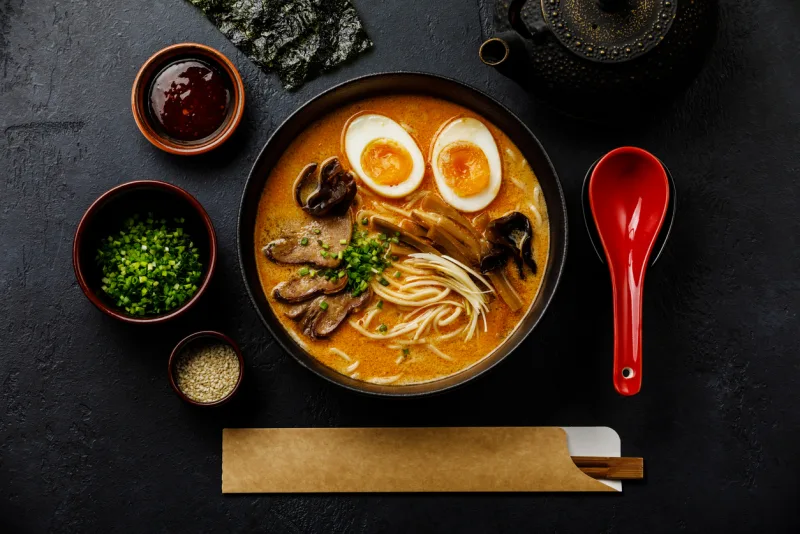
- Tonkotsu (Pork Broth) – The richest, most decadent style. The broth simmers for 12+ hours, and it's creamy, savory, and absolutely addictive. Hakata, in Fukuoka, is the capital of tonkotsu ramen. I spent an entire afternoon visiting three different tonkotsu shops in Hakata, and I regret nothing.
- Shoyu (Soy Sauce) – The traditional style. The broth is clear, the flavor is balanced, and it's garnished with chashu (braised pork), a soft-boiled egg, and green onions. This is the ramen you've probably had at regular restaurants, but in Japan, it's elevated to an art form.
- Miso – Hearty and flavorful, often with a slightly sweet undertone. It's particularly popular in Hokkaido. I had a miso ramen in Sapporo with butter and corn on top, and it was the kind of dish that makes you understand why comfort food exists.
- Shio (Salt) – The simplest style, often highlighting the quality of the broth and minimal toppings. It's lighter than the others, but don't mistake simplicity for lack of flavor.
What blew me away was visiting a legendary tonkotsu restaurant where the chef has been making the same broth recipe for 38 years. I asked him why he doesn't change things up, and he looked at me like I'd suggested he paint over the Mona Lisa.
Ramen Eating Etiquette:
- Slurp loudly. This is actually encouraged. It aerates the noodles and helps you taste them better. Plus, it's a sign of appreciation.
- Eat quickly. Ramen waits for no one. The noodles absorb the broth and get soggy.
- Finish the broth (or don't, and no one cares). There's no judgment. Some people drink the whole bowl; some don't.
- Order a small side dish. Gyoza (dumplings) or karaage (fried chicken) pairs perfectly.
#Beyond the Classics: Hidden Culinary Gems
While sushi and ramen are incredible, Japan's food scene stretches so much further. Here are some experiences that will genuinely surprise you.
Tempura: The Art of the Light Hand
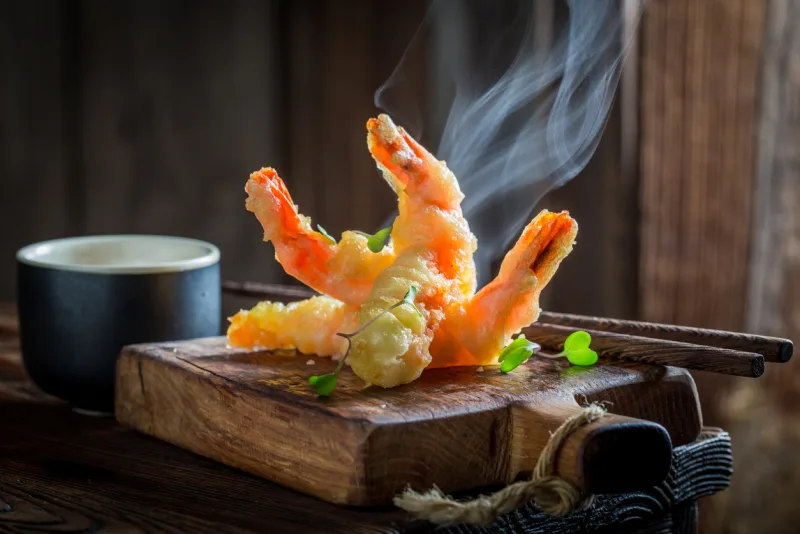
I had never really understood tempura until I sat at a tempura counter in Ginza, Tokyo, and watched a chef work. Each piece of shrimp, vegetable, or white fish was dipped in a light batter and deep-fried for what seemed like mere seconds. The result? An impossibly light, crispy exterior with the tender ingredient perfectly cooked inside.
Tempura is all about timing and temperature. Too long in the oil and it gets greasy; too short and the batter isn't crispy enough. The chef I watched had his timing down to an intuitive science, plating each piece moments after it came out of the oil.
What surprised me most was that good tempura is affordable. You can get a full tempura course (including prawns, white fish, seasonal vegetables, and shiitake mushrooms) for 4,000-6,000 yen ($28-40 USD).
Kaiseki: The Ultimate Culinary Experience
Kaiseki is Japanese haute cuisine—a multi-course meal that can include 10-15 courses, each one a tiny work of art. Every course is designed to balance flavors, textures, colors, and temperatures.
I splurged on a kaiseki dinner in Kyoto, and honestly, it changed how I think about food. It wasn't just about taste (though every bite was delicious). It was about the experience—the way the chef explained each dish, how the courses built upon each other, how a single piece of grilled fish could be more satisfying than a huge meal elsewhere.
A kaiseki meal typically costs 10,000-30,000+ yen, depending on the restaurant and quality. It's pricey, but if you love food, it's absolutely worth doing at least once.
Street Food & Convenience Store Surprises
Here's a secret: some of the best food in Japan is incredibly cheap. Takoyaki (octopus balls) from a street vendor costs a few hundred yen but tastes absolutely fresh. Okonomiyaki (savory pancakes) cooked on a griddle right in front of you in Osaka is pure heaven. And don't even get me started on yakitori (grilled chicken skewers)—I had some in a tiny bar in Shibuya for about $20 that was as good as any fine dining experience.
But here's the really wild part: Japanese convenience stores are incredible. I know that sounds absurd, but the quality and variety of food you can grab at a 7-Eleven or Lawson is genuinely mind-blowing. Fresh sushi, quality bento boxes, fried chicken, and prepared side dishes, all made that day. It sounds weird, but if you're backpacking or in a rush, you can eat really well for almost nothing.
Regional Specialties Worth Seeking Out
Japan's regions have fiercely guarded specialties:
- Osaka is the street food capital. Takoyaki and okonomiyaki are the stars, and locals will argue passionately about which shop makes the best version.
- Hiroshima has its own style of okonomiyaki (different from Osaka's), and it's phenomenal.
- Fukuoka is tonkotsu ramen capital, but also famous for yatai (street food stalls) serving everything from grilled squid to mizutaki (chicken hot pot).
- Okinawa has a completely different cuisine—influenced by Southeast Asia. Goya champuru (stir-fried bitter melon) and Okinawa soba are must-tries.
#How to Eat Like a Local
1. Learn Basic Phrases
You don't need to be fluent in Japanese, but knowing a few key phrases will make your food journey so much better:
- "Osusume kudasai" (Oh-soo-soo-meh koo-dah-sigh) = "What do you recommend?"
- "Itadakimasu" (Ee-tah-dah-kee-mahs) = Said before eating (literally means "I humbly receive")
- "Gochisousama" (Go-chee-so-sama) = Said after eating to show gratitude
- "Oishii" (Oh-ee-shee) = "Delicious!"
Using these phrases will delight restaurant staff, and you'll often get recommendations that aren't on the menu.
2. Embrace the Queues
Popular restaurants in Japan almost always have lines. I spent an hour waiting for a famous ramen shop in Fukuoka, and you know what? It was worth it. Use the queue time to look at what people are ordering, chat with other diners, or just soak in the anticipation. The line is part of the experience.
3. Eat Breakfast Seriously
Japanese breakfasts are no joke. While many hotels offer continental breakfast, seeking out a traditional Japanese breakfast (with grilled fish, miso soup, rice, pickled vegetables, and nori) will set you up perfectly for a day of food adventures. Some places serve this for 800-1,200 yen.
4. Use Tabelog
Tabelog is Japan's version of Yelp, and it's serious business. Restaurants with 3.7+ ratings are genuinely excellent. It's in Japanese, but you can translate it easily, and it's the most reliable way to find hidden gems.
5. Don't Skip the Vending Machine Culture
Japan's vending machines aren't just for drinks. You'll find some serving hot noodles, takoyaki, and even fresh sushi. It's an iconic and quirky way to eat in Japan.
#Planning Your Food-Focused Japan Trip
Best Seasons
- Spring (March-May): Cherry blossom season. Great for exploring. Fresh vegetables and spring fish.
- Summer (June-August): Hot, crowded, but seasonal dishes like hamo (pike conger) are at their peak.
- Autumn (September-November): My favorite. Perfect weather, beautiful colors, and harvest foods like chestnut and mushrooms.
- Winter (December-February): Cold, but perfect for hot ramen, sukiyaki, and seafood like oysters and crab.
What struck me most about eating in Japan wasn't just the incredible taste of the food (though obviously, that's huge). It was the respect for the craft. A sushi chef who spends 20 years learning to make perfect sushi. A ramen shop owner who's been perfecting the same broth recipe for four decades. A street vendor making takoyaki with the precision of a surgeon.
In Japan, food isn't just sustenance or even just a pleasure—it's a reflection of culture, history, and dedication. Every meal tells a story.
So if you're even remotely considering a trip to Japan, I'm here to tell you: prioritize it. Your taste buds will thank me. Your stomach might be confused by the amount of eating you're doing, but your heart and soul will be so full.
Not at all! While Japan has world-class fine dining, you can eat incredibly well on a budget. Ramen typically costs 800-1,200 yen, tempura lunch sets are 3,000-5,000 yen, and street food is just a few hundred yen. Convenience stores offer quality food at low prices. I'd say you can eat well for 2,000-4,000 yen per day if you're careful, though you could easily spend more if you want high-end experiences.
No, but learning a few basic phrases helps. Many restaurants in tourist areas have picture menus or English menus. In smaller towns, use Google Translate on your phone. The language barrier is rarely a problem, and most restaurant staff are incredibly helpful even if there's a communication gap. That said, learning phrases like "osusume kudasai" (what do you recommend?) can lead to amazing discoveries.
The main differences are freshness, quality of rice preparation, fish sourcing, and simplicity. In Japan, you're eating fish that was likely caught within the last 24 hours. The rice is seasoned perfectly and served at ideal temperature. The best sushi restaurants use minimal toppings to let the fish shine. Also, sushi is consumed immediately when served—it's not sitting in a display case.
Absolutely. Japanese sushi restaurants follow extremely strict food safety standards. The fish is specially treated and stored to minimize risk. Sushi has been eaten safely in Japan for centuries. That said, if you're not comfortable with raw fish, you have tons of options—cooked sushi, tempura, ramen, and grilled dishes are all phenomenal.
Autumn (September-November) is ideal for weather and seasonal ingredients. Spring (March-May) is beautiful and offers spring vegetables and fish. Winter is perfect for hot ramen and seafood. Summer is crowded but offers seasonal delicacies like hamo (pike conger). My personal recommendation is autumn or spring.
Yes, but you need to communicate clearly. Many Buddhist temples serve shojin ryori (Buddhist vegetarian cuisine), which is incredible. Ramen restaurants often have vegetable-only broths. Sushi restaurants can make vegetable sushi rolls. Okonomiyaki can be made vegetarian. However, many dishes traditionally contain fish stock, so always ask. In cities, vegan restaurants are growing in number.
There's nothing in mainstream Japanese restaurants you need to "avoid." Everything served is safe and delicious. That said, if you have food allergies or dietary restrictions, learn the Japanese words for what you can't eat (e.g., "seafood allergy" = "sakana arerugī").
No. Tipping is not expected or even appropriate in Japan. Prices are fixed, and staff are paid fair wages. If you want to show appreciation, a simple "gochisousama" (thank you for the meal) is perfect.