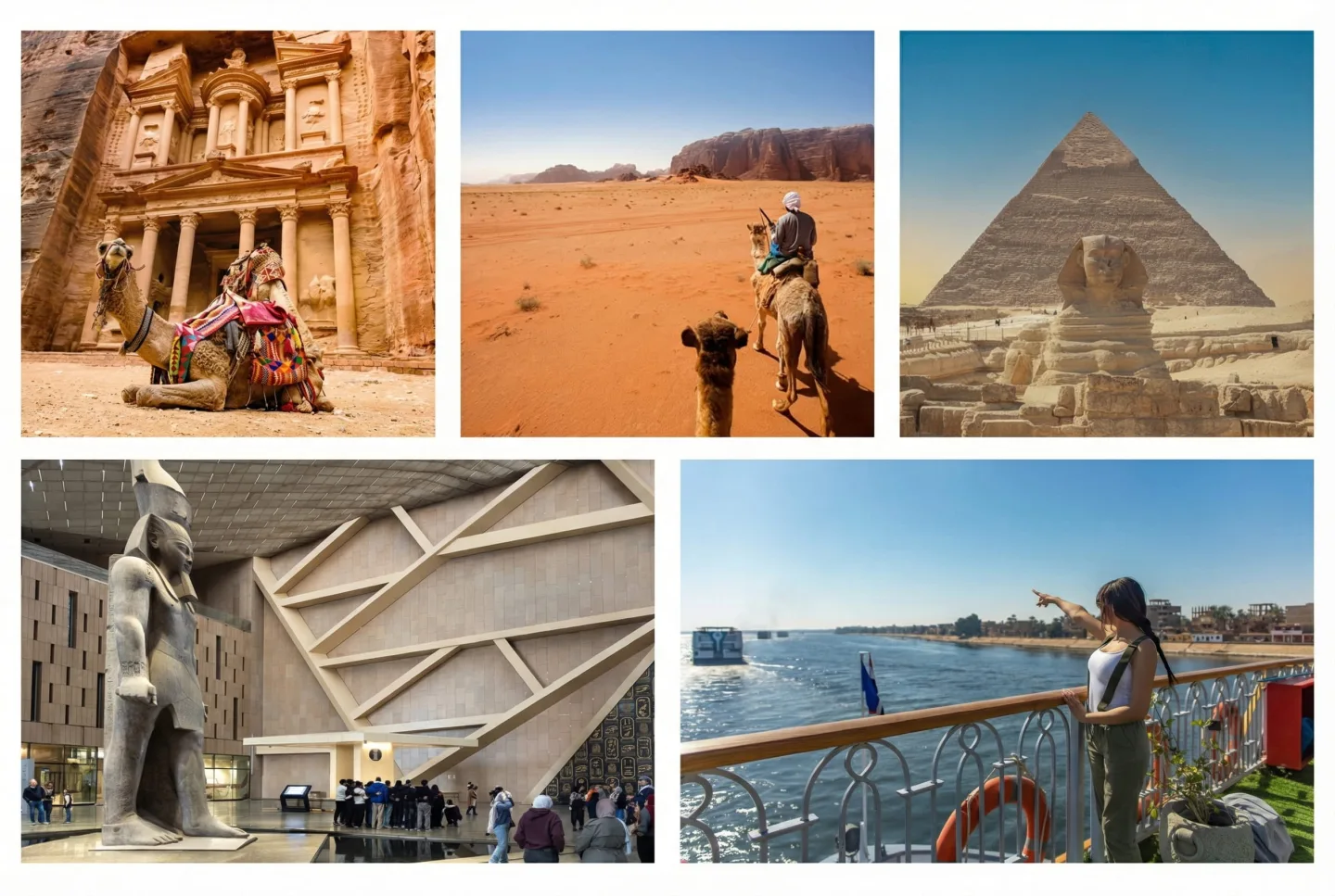
Standing at the crossroads of one of travel's greatest dilemmas: Jordan vs Egypt—which ancient Middle Eastern wonder should claim your precious vacation time first?
Both countries promise life-changing encounters with antiquity. Egypt tempts with the iconic Pyramids of Giza, the treasure-filled Valley of the Kings, and legendary Nile cruises through millennia of pharaonic civilization. Jordan counters with the rose-red city of Petra, the otherworldly landscapes of Wadi Rum, and the healing waters of the Dead Sea.
But here's your challenge: limited vacation days, a finite budget, and the practical reality that most travelers will only visit one destination on their first Middle East adventure. Which ancient civilization should get your passport stamp first?
This comprehensive Jordan vs Egypt comparison reveals everything you need to make the smartest choice for your travel style, interests, and circumstances. By the end, you'll know exactly which destination deserves your first visit—and why you'll probably end up visiting both eventually.
Ready to solve the Jordan vs Egypt puzzle?
Jordan vs Egypt: The Quick Overview
What Makes Egypt Unique?
Egypt offers scale, quantity, and variety impossible to match anywhere else on Earth. Where else can you explore 5,000 years of continuous civilization, from the Old Kingdom pyramids through Greek, Roman, Coptic Christian, and Islamic periods, all within one country?
Egypt's signature experiences include:
The Pyramids of Giza and Sphinx—the only surviving ancient wonder of the world, standing exactly where they've stood for 4,500 years. The Valley of the Kings in Luxor, where pharaohs were buried in elaborately decorated underground tombs. Nile River cruises sailing between temples dedicated to gods whose names most people recognize. The Egyptian Museum in Cairo, housing Tutankhamun's golden treasures and countless other archaeological marvels.
But Egypt isn't just ancient history. It's also the bustling chaos of Cairo, the Mediterranean charm of Alexandria, the Red Sea diving paradise of Sharm el Sheikh and Marsa Alam, and the vast desert landscapes of the White Desert and Siwa Oasis.
Egypt delivers quantity—more monuments, more museums, more archaeological sites, more variety of experiences than Jordan can match. It's larger geographically, more diverse climatically, and offers more destination options within a single trip.
What Makes Jordan Special?
Jordan counters Egypt's overwhelming scale with concentrated perfection. While Egypt requires weeks to properly explore, Jordan's compact size allows you to experience its greatest hits in just five to seven days.
Jordan's signature experiences center around:
Petra—the 2,000-year-old Nabataean city carved directly into rose-colored sandstone cliffs, famous from Indiana Jones and rated one of the New Seven Wonders of the World. Wadi Rum—a Martian landscape of towering sandstone mountains and red desert where Lawrence of Arabia fought his battles and where modern movies film Mars scenes. The Dead Sea—the lowest point on Earth where you float effortlessly in water so salty nothing lives in it.
But Jordan also offers Jerash (one of the best-preserved Roman cities outside Italy), the Crusader castles dotting the countryside, excellent hiking in the Dana Biosphere Reserve, and one of the Middle East's most welcoming, tourist-friendly cultures.
Where Egypt overwhelms with quantity and variety, Jordan excels through quality and manageability. It's easier to navigate, less chaotic, more compact, and arguably offers a more relaxing first experience of the Middle East for travelers nervous about the region.
Jordan vs Egypt: The Cost Comparison
Which Country Costs More?
Let's talk honestly about money, because budget significantly impacts the Jordan vs Egypt decision for most travelers.
Daily budget comparison (mid-range travel):
Egypt:
- Accommodation: $40-80 per night (3-4 star hotels)
- Meals: $15-30 per day (mix of local and tourist restaurants)
- Transportation: $10-30 per day (metros, taxis, occasional flights)
- Entrance fees: $10-20 per day (major sites $10-15 each)
- Total: $75-160 per day
Jordan:
- Accommodation: $60-120 per night (3-4 star hotels)
- Meals: $25-45 per day (restaurants cater to tourists)
- Transportation: $20-50 per day (car rentals or private drivers)
- Entrance fees: $70-90 (Jordan Pass covers most sites)
- Total: $120-250 per day
The verdict? Egypt costs significantly less than Jordan—sometimes 30-50% less for comparable experiences. Egypt's larger tourism infrastructure, more competition, and weaker currency make it more budget-friendly. Jordan's smaller size, less tourism infrastructure, and stronger economy mean higher prices across the board.
Where Your Money Goes Further
In Egypt, $1,500 per person buys you ten days experiencing Cairo, a Nile cruise, Luxor's temples, and several days at Red Sea beaches. In Jordan, that same $1,500 covers maybe five to seven days visiting Petra, Wadi Rum, the Dead Sea, and Amman.
However, Jordan's higher prices come with advantages. Less aggressive hassling from vendors. More predictable pricing with fewer scams. Better tourism infrastructure in some areas. Easier navigation. For some travelers, paying more for less stress is worth it, especially on a first Middle East trip.
Budget travelers: Egypt wins decisively. Your money stretches much further, allowing longer trips and more experiences.
Luxury travelers: Both countries offer excellent high-end hotels and experiences, though Egypt's luxury options outnumber Jordan's simply due to scale.
Egypt offers more attractions, lower costs, and greater variety, ideal for two-week trips and history enthusiasts. Jordan provides concentrated excellence with Petra, easier navigation, and less hassling, perfect for one-week trips and first-time Middle East visitors. Both destinations deserve visiting eventually.
Customize Your Dream Vacation!
Get in touch with our local experts for an unforgettable journey.
Plan Your Trip
The Iconic Attractions Showdown
Egypt's Greatest Hits
When people dream of Egypt, they're picturing specific iconic moments that have captured human imagination for millennia.
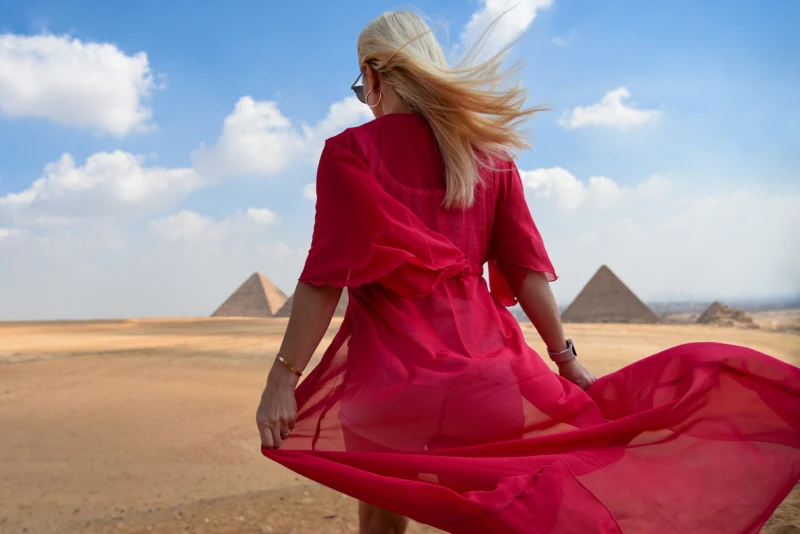
The Pyramids of Giza and Sphinx remain the world's most recognizable ancient monuments. Standing before these 4,500-year-old structures genuinely inspires awe—no photograph or documentary prepares you for their scale and presence. The Great Pyramid was the world's tallest structure for 3,800 years. That's accomplishment beyond modern comprehension.
The Valley of the Kings in Luxor offers a completely different experience—descending into elaborately decorated underground tombs where pharaohs like Tutankhamun, Ramesses II, and Seti I were laid to rest. The colors, artistry, and preservation of 3,000-year-old paintings genuinely stun first-time visitors.
Nile River cruises combine transportation and accommodation while visiting temple after temple—Karnak, Luxor Temple, Edfu, Kom Ombo, Philae. You're literally following the same route ancient Egyptians traveled, watching the desert and agricultural lands pass by from your floating hotel.
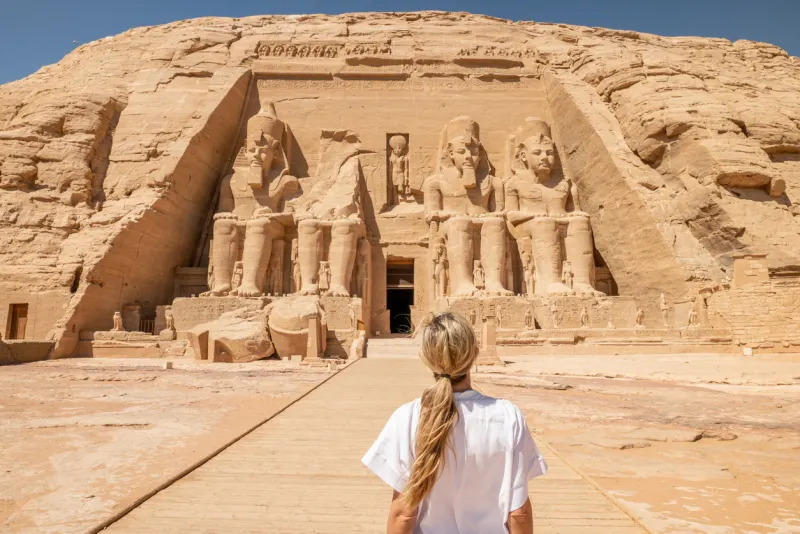
Abu Simbel showcases Ramesses II's ego carved into mountainsides—four 20-meter-tall statues of himself guarding a temple relocated entirely to save it from Lake Nasser's rising waters.
Egypt's advantage in the Jordan vs Egypt attractions battle? Sheer quantity and variety. You could spend a month and still not see everything significant.
Jordan's Concentrated Wonders
Jordan can't match Egypt's quantity, but its signature attractions match or exceed Egypt's in quality and impact.
Petra isn't just Jordan's top attraction—it's one of humanity's most extraordinary achievements. Walking through the Siq (a narrow gorge between towering cliffs) for 1.2 kilometers, turning the final corner, and seeing the Treasury facade glowing in rose-colored sandstone genuinely takes your breath away. This 2,000-year-old city covers 264 square kilometers with hundreds of carved facades, tombs, temples, and monuments.
Many travelers who've visited both destinations rate Petra higher than the Pyramids for sheer "wow factor" and emotional impact. The combination of natural beauty (those pink sandstone cliffs), human achievement (intricate hand-carved facades), history (Nabataean civilization most people never learned about), and the Indiana Jones factor create an experience Egypt's individual sites struggle to match.
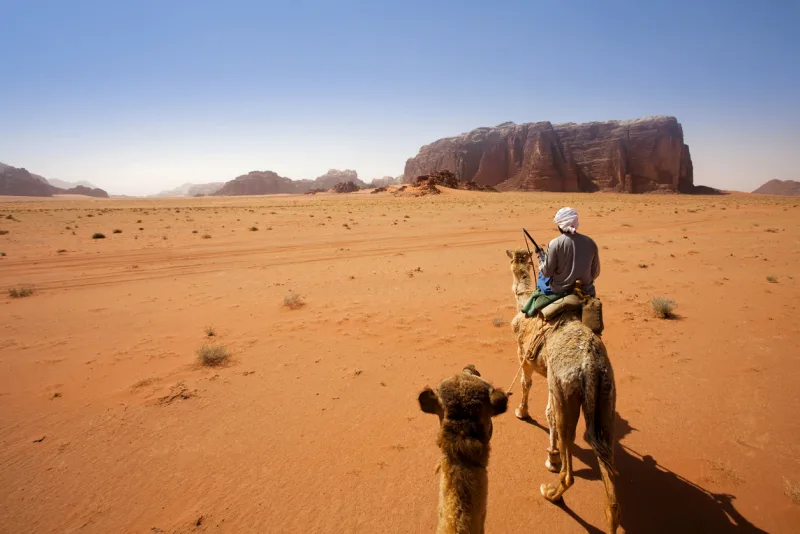
Wadi Rum offers landscapes Egypt simply doesn't have—towering sandstone mountains rising from red desert, natural rock bridges, narrow canyons, ancient rock carvings, and that haunting, otherworldly beauty that's made it a filming location for The Martian, Dune, and Star Wars. Spending a night in a Bedouin camp under Wadi Rum's unpolluted stars ranks among Jordan's most magical experiences.
The Dead Sea provides an experience literally impossible anywhere else on Earth at this elevation. Floating effortlessly in water 10 times saltier than the ocean, 430 meters below sea level, applying therapeutic mineral-rich mud—it's simultaneously bizarre, relaxing, and memorable.
Jordan's advantage in the Jordan vs Egypt attractions battle? Concentrated excellence. You can experience all of Jordan's highlights in one week, while Egypt demands much more time to cover its major sites properly.
Cultural Experiences and Atmosphere
Egypt's Intensity and Energy
Egypt assaults your senses in ways Jordan doesn't. Cairo's 20 million residents create chaos, noise, traffic, and energy that simultaneously exhausts and exhilarates. Markets overflow with spices, fabrics, and shouting vendors. Tourist sites swarm with guides offering services, vendors selling souvenirs, and children asking for tips.
This intensity divides travelers. Some find it overwhelming, stressful, and occasionally hostile (particularly women facing street harassment). Others thrive on the energy, appreciating the unfiltered authenticity of experiencing a massive developing nation where tourism is just one part of a complex economy.
Egyptian cultural highlights:
- Navigating Khan el Khalili bazaar's maze-like corridors
- Eating authentic koshary and ful medames in local cafeterias
- Drinking tea with locals who want to practice English
- Experiencing Egyptian hospitality (incredibly warm once past the tourist-facing hustlers)
- Islamic Cairo's historic mosques and architecture
- Nubian culture in Aswan (distinct from Arab Egyptian culture)
Egypt requires patience, humor, and resilience. You'll face constant price negotiations, occasional scams, bureaucratic inefficiencies, and the challenges of a developing country infrastructure. But you'll also experience genuine warmth, incredible hospitality once connections form, and the satisfaction of navigating a challenging destination successfully.
Jordan's Welcoming Ease
Jordan earned its reputation as the Middle East's most tourist-friendly destination for good reasons. The government has actively cultivated tourism, Jordanians are genuinely welcoming (not just transactionally), English is widely spoken, and the overall experience feels less stressful than Egypt.
Jordanian cultural advantages:
- Less aggressive vendor hassling
- More straightforward pricing (less constant negotiation)
- Easier for solo female travelers (less harassment)
- Strong infrastructure (good roads, reliable services)
- Excellent traditional Bedouin hospitality experiences
- Smaller scale feels less overwhelming
This doesn't mean Jordan lacks authenticity—you'll still experience Middle Eastern culture, hospitality, cuisine, and traditions. But it's presented in a more accessible, less chaotic package that many first-time Middle East visitors appreciate.
The cultural verdict in Jordan vs Egypt? If you want intense, challenging, unfiltered cultural immersion, choose Egypt. If you prefer accessible cultural experiences without overwhelming chaos, choose Jordan.
Safety Considerations: Jordan vs Egypt
Which Country Is Safer?
Both Jordan and Egypt are generally safe for tourists, but they differ in the types of concerns travelers face.
Egypt safety profile:
- Tourist areas (Cairo, Luxor, Aswan, Red Sea resorts) are heavily secured and safe
- Street harassment of women is common and persistent
- Petty theft and scams targeting tourists occur regularly
- Terrorism concerns exist but rarely affect tourist areas
- Traffic is chaotic and accidents common
- Tourist police presence is heavy and protective
Jordan safety profile:
- Consistently rated one of the Middle East's safest countries
- Low crime rates, particularly violent crime
- Women face less harassment than in Egypt
- Excellent roads and infrastructure reduce accident risks
- Proximity to Syria/Iraq creates perception issues but tourist areas remain secure
- Tourist police are helpful but less omnipresent than Egypt
Real talk: Both countries are safe enough that millions of tourists visit annually without incident. Egypt feels more chaotic and can be more stressful (especially for women), but actual physical danger is rare in tourist areas. Jordan feels safer and more relaxed, which makes it easier for nervous first-time Middle East travelers.
When to Visit: Jordan vs Egypt Seasons
Best Time for Egypt
Ideal months: November through March offer perfect weather—comfortable temperatures (20-25°C), clear skies, minimal rain. Peak season means crowds and higher prices.
Shoulder season: October and April provide excellent weather with fewer crowds and better prices.
Avoid: May through September brings extreme heat (35-45°C), particularly in Luxor and Aswan. Only Red Sea coastal areas remain comfortable.
Best Time for Jordan
Ideal months: March through May and September through November offer perfect weather—comfortable temperatures, blooming wildflowers (spring), minimal crowds.
Peak season: October and April see the most tourists at Petra and Wadi Rum.
Avoid: July and August bring heat (though not as extreme as Egypt). December through February can be surprisingly cold, with occasional snow in Petra.
Seasonal verdict: Both countries share similar best visiting seasons (spring and fall), making it harder to differentiate based purely on timing.
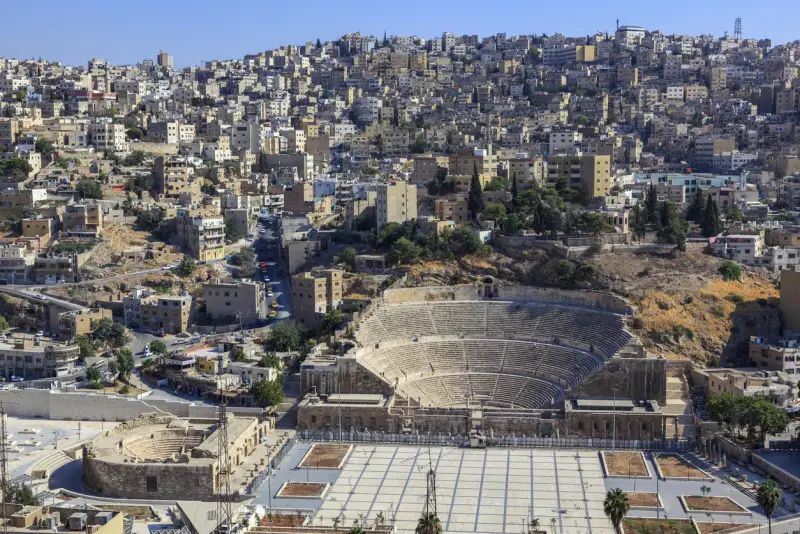
Yes, many travelers combine both countries in 2-3 week trips. Popular routes include flying Cairo to Amman or vice versa, spending one week in each country. Border crossings exist at Taba (Sinai) and Aqaba, though flying between capitals is often easier and faster.
The Practical Considerations
Visa and Entry Requirements
Egypt: Most nationalities can obtain visa on arrival ($25 USD) or e-visa online. Simple process.
Jordan: Jordan Pass ($70-110 depending on days at Petra) includes visa fee plus entrance to 40+ attractions including Petra. Excellent value and convenience.
Winner: Jordan's Jordan Pass system is more convenient and includes significant value.
Language Barriers
Egypt: Arabic is primary. English spoken in tourist areas but communication can be challenging outside major sites.
Jordan: Arabic is primary but English is very widely spoken, particularly among younger Jordanians. Communication is generally easier.
Winner: Jordan for English speakers.
Transportation Infrastructure
Egypt: Domestic flights between Cairo, Luxor, and Aswan save time. Trains are decent. Roads vary from excellent to poor. Cairo metro helps navigate the capital.
Jordan: Compact size makes car rentals ideal. Roads are excellent. Public transportation is limited. Most tourists rent cars or hire drivers.
Winner: Egypt for public transportation, Jordan for road quality.
Trip Length Required
Egypt: Minimum one week to see Cairo and Luxor. Two weeks ideal to add Nile cruise and Red Sea. Three weeks to see Egypt comprehensively.
Jordan: Five days covers Petra, Wadi Rum, Dead Sea basics. Seven to ten days allows more thorough exploration and relaxation.
Winner: Jordan if you have limited time (one week or less).
Making Your Decision: Which Should You Visit First?
Choose Egypt First If:
You have two weeks or more for your trip. Egypt's scale and diversity demand more time to experience properly. Rushing through Egypt means missing the depth that makes it extraordinary.
You're fascinated by ancient history and archaeology. Egypt offers more historical depth, quantity, and variety than Jordan. If ancient civilizations obsess you, Egypt's 5,000 years of pharaonic, Greek, Roman, and Islamic history provide endless exploration.
Budget is your primary concern. Egypt costs significantly less, letting your money go further and your trip last longer.
You want maximum variety within one destination. Egypt combines ancient sites, modern cities, Mediterranean coast, Red Sea beaches, desert landscapes, and Nile scenery in ways Jordan's smaller size can't match.
You're an experienced traveler comfortable with chaos, comfortable negotiating, and comfortable in developing countries. Egypt rewards those with patience and resilience.
Choose Jordan First If:
You have one week or less available. Jordan's compact size lets you experience its highlights without feeling rushed.
This is your first time in the Middle East and you're nervous about the region. Jordan's tourist-friendly infrastructure, less aggressive hassling, and easier navigation provide a gentler introduction.
You're a solo female traveler concerned about harassment. While both countries are navigable for women alone, Jordan presents fewer daily challenges.
Petra is your primary dream destination. If seeing the Treasury facade in person has been your travel goal for years, don't deny yourself—visit Jordan first.
You prefer quality over quantity. Jordan's concentrated excellence (Petra, Wadi Rum, Dead Sea) might satisfy you more than Egypt's overwhelming options.
Desert landscapes appeal to you as much as ancient monuments. Wadi Rum's otherworldly beauty offers experiences Egypt's deserts (while beautiful) don't match.
Egypt costs significantly less—$75-160 daily for mid-range travel versus Jordan's $120-250 daily. Egyptian accommodation, food, transportation, and entrance fees run 30-50% cheaper. However, Jordan's higher prices come with less vendor hassling, more predictable costs, and better tourism infrastructure.
Jordan requires minimum 5-7 days to see Petra, Wadi Rum, Dead Sea, and Amman comfortably. Egypt needs 10-14 days minimum to experience Cairo, Pyramids, Nile cruise, Luxor, and Aswan properly. Jordan suits shorter trips while Egypt demands more time.
Both countries are generally safe for tourists, but Jordan consistently rates as one of the Middle East's safest nations with lower crime and less harassment. Egypt's tourist areas are secure but women face more street harassment and scams are more common. Jordan feels more relaxed overall.
Egypt offers more ancient sites overall—Pyramids, Valley of Kings, Karnak, Abu Simbel—spanning 5,000 years of civilization. Petra is arguably more spectacular individually, with many travelers rating it higher for "wow factor." Egypt wins quantity; Petra wins concentrated perfection.