Article Indexes:
#Where to Find Solitude in Oman
#The Oman Experience: Authenticity Over Tourism
Oman doesn't market itself aggressively. You won't see billboards promising "incredible experiences" or luxury marketing campaigns. Oman is quiet about its qualities. This quietness—lack of tourism promotion—is exactly why it's perfect for travelers exhausted by crowds.
While Dubai receives millions annually, Oman remains relatively undiscovered. Beaches sit empty while Mediterranean beaches suffocate with tourists. Markets function for locals, not tour groups. Hiking trails see occasional footprints, not constant streams. This isn't accident. It's deliberate policy—limiting tourism to preserve authenticity and peace.
If you hate crowds, Oman is your answer.
#Why Oman Stays Uncrowded
1. Deliberate Tourism Limits
Oman's government intentionally limits tourism. No aggressive marketing. Hotel licenses restricted. Tourism development controlled. Philosophy: preserve culture and environment rather than maximize tourist revenue.
Result: Tourism concentrated in specific areas. Most of Oman remains untouched by mass tourism. Locals outnumber tourists significantly. Cultural disruption minimal.
2. Geographic Remoteness
Oman isn't on typical Southeast Asia tourist routes. Flights require connections. Getting there takes effort. This natural barrier filters casual tourists. Travelers who visit Oman usually intentional, not accidental.
3. No Major Tourism Infrastructure
Oman lacks mega-resorts and theme parks tourism depends on. Instead: traditional hotels, local guides, authentic experiences. Inconvenient for package tours. Perfect for independent travelers seeking solitude.
4. Cultural Preservation Priority
Tourism development respects traditional culture. Modern accommodation exists but doesn't dominate. Locals' lives continue unchanged. Commerce serves residents, not tourists. This authenticity repels tourists seeking westernized comfort.
Customize Your Dream Vacation!
Get in touch with our local experts for an unforgettable journey.
Plan Your Trip#Where to Find Solitude in Oman
1. Musandam Fjords
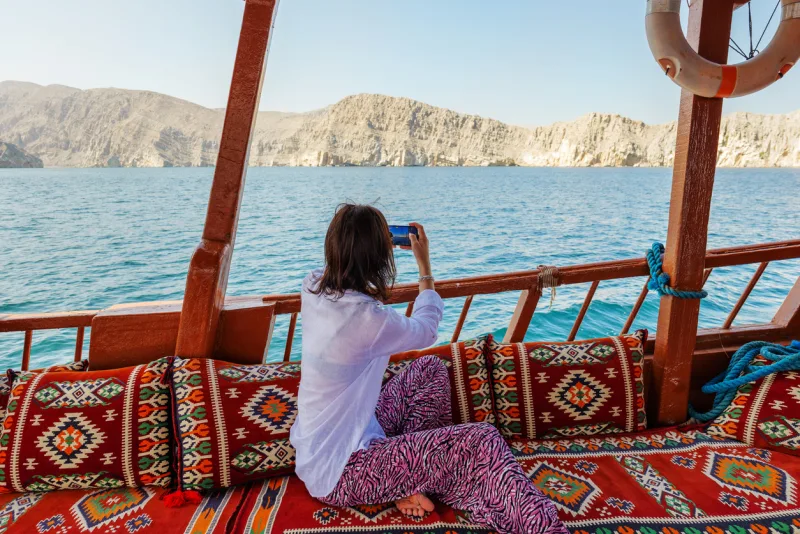
Dramatic fjords, turquoise water, completely empty compared to Mediterranean equivalents. Sailing through dozens of inlets seeing minimal people. Snorkeling pristine reefs without crowds. Overnight dhow trips with handful of people maximum.
Why Uncrowded: Remote location, limited accessibility, few promotional efforts.
2. Wahiba Sands Desert
Vast sand dunes, endless horizon, profound silence. Camel treks following few tracks. Bedouin camps hosting 20-30 people maximum nightly. Stargazing spectacular—darkness uninterrupted by light pollution or tourist crowds.
Why Uncrowded: Vast space, limited infrastructure, self-sufficient travelers required.
3. Wadi Hikes
Oman's river valleys offer incredible hikes. Wadi Shab, Wadi Bani Khalid, Wadi Darbat—all featuring natural pools, waterfalls, dramatic geology. Hiking early morning, encountering single-digit other hikers. Late afternoon, seeing nobody.
Why Uncrowded: Trailheads scattered, no central tourism hub, minimal marketing.
4. Nizwa and Mountain Villages
Traditional Omani culture preserved in mountain villages. Weekly livestock markets (Nizwa). Traditional architecture unchanged. Locals genuinely curious meeting travelers. Few foreign visitors, zero tour groups.
Why Uncrowded: Off main tourist routes, limited accommodation, requiring independent travel.
5. Beaches Beyond Tourist Zones
Oman has hundreds of kilometers of pristine beaches. Most completely empty. Official beaches (Mutrah, Qurum near Muscat) have people. Unnamed beaches 20km away: solitude guaranteed. Snorkeling, swimming, camping—alone in paradise.
Why Uncrowded: Unmarked, minimal facilities, requiring exploration.
#The Oman Experience: Authenticity Over Tourism
1. Genuine Hospitality (Not Performance)
Omanis genuinely hospitable. Not trained hospitality professionals but culturally embedded generosity. Strangers offered tea, directions given genuinely, conversations happen naturally. Hospitality feels authentic because not commercialized.
2. Markets for Locals, Not Tourists
Nizwa market, Muscat old souk—function primarily for residents. Tourists present but not dominant. Locals shopping, bargaining, conducting business. You participate in actual commerce, not tourism theater.
3. Food Culture Untouched
Restaurants serve locals foremost. Tourist options exist but secondary. Eating where Omanis eat: humble establishments, authentic dishes, reasonable prices. Food reflects culture, not tourism preferences.
4. Cultural Sites Without Performance
Forts, mosques, historical sites exist. Often visited by zero tourists. Experiencing cultural heritage in actual context, not museum presentation. Spirituality genuine rather than preserved.
#Practical Solitude in Oman
Timing for Emptiness
- Off-Season (May-September): Heat 40-45°C, fewer tourists, prices drop 30-40%. Desert cooling at evening becomes pleasant. Beaches completely empty. Tourism infrastructure maintains basic function. Best solitude available.
- Shoulder Season (April, October): Weather manageable, tourist numbers minimal. Good balance comfort and crowds.
- Peak Season (November-March): Unavoidable crowds. Still manageable compared to mainstream destinations.
Where NOT to Go for Solitude
- Muscat City Center: Only genuinely busy area. Modern shopping, restaurants, tourism infrastructure.
- Organized Tours: Package groups inherently crowded. Self-guide instead.
- Salim Al Tayer Beach: Popular swimming spot, busier than alternatives.
How to Ensure Solitude
- Rent Car and Self-Guide: Complete freedom, discovering unmarked attractions, avoiding tourist trails.
- Visit Weekdays: Weekends slightly busier (domestic tourism from Gulf states).
- Timing Hikes: Start early (6-7 AM) before any crowds appear.
- Avoid Peak Days: Holiday periods even Oman busier.
- Travel Off-Season: May-September: authentic Oman with minimal tourists.
Oman proves tourism doesn't require crowds. Development doesn't demand commercialization. Cultural experience thrives without exploitation. Solitude exists in modern world for those seeking it.
Choosing Oman means choosing peace. Empty beaches. Quiet markets. Genuine hospitality. Authentic culture. Stunning landscapes without tourism circus.
In world increasingly crowded, increasingly commercialized, increasingly performance-based, Oman remains genuinely itself. Visiting Oman isn't vacation, it's pilgrimage toward peace.
Very safe. Extremely low crime, stable government, genuinely welcoming to solo travelers. Women solo travelers report exceptional safety. Only concern: remote areas require self-sufficiency (not safety issue, just capability). Safe destination for independent travel.
Similar to Dubai off-season. Cheaper than Dubai peak season. Expensive compared to Southeast Asia. €100-150/night mid-range comfortable. €20-30 meals typical. Food and transport affordable; accommodation moderate. Budget traveler: €60-80/day possible.
Internet widely available (4G coverage throughout). Phone networks good. Hotels have wifi. Tourist areas connected. Only extreme remoteness (deep deserts) might have spotty service. Staying connected entirely possible if desired. Disconnecting optional.
No. Solitude is bonus, not only value. Oman offers: dramatic landscapes, cultural richness, adventure activities, affordability, authentic experiences. Solitude enhances these but doesn't replace them. Visit for multiple reasons; solitude makes experience richer.