Article Indexes:
#1. Riding the Shinkansen | The Bullet Train That Changed What "Fast" Means
#2. Sleeping in a Ryokan | Japan's Most Personal Hospitality Experience
#3. Witnessing a Tea Ceremony | Slowing Down Inside an Ancient Ritual
#4. Exploring Kyoto's Geisha District After Dark | Gion at Its Most Magical
#5. Joining a Hanami | Cherry Blossom Picnic Under the Trees
#6. Visiting Hiroshima and Miyajima | History and Beauty Side by Side
#7. Getting Lost in Tokyo at Night | When the City Truly Comes Alive
#8. Participating in a Samurai or Ninja Workshop | Ancient Skills, Genuine Fun
#9. Eating Your Way Through Osaka's Street Food Scene | Japan's Kitchen, Unplugged
#10. Visiting a Shinto Shrine at Dawn | Finding Stillness in the Most Unexpected Place
Japan is the kind of place that gets under your skin in a way you genuinely don't see coming. You think you're going for the food, and then you find yourself standing in a 1,400-year-old temple at 6am, listening to monks chant in the mist, completely forgetting that you were ever in a hurry about anything. You think you're going for the bullet trains, and then a stranger on a street corner in Kyoto silently helps you find your way without being asked and walks off before you can even say thank you.
No travel brochure fully prepares you for Japan. No Instagram grid does it justice. And honestly? No other destination on earth offers this particular combination of ancient tradition, jaw-dropping modernity, incredible food, and quiet human kindness.
But here's the thing — the best experiences in Japan aren't always the ones you stumble on. Some of them need a little planning. Some of them are the reason people specifically book Japan travel packages rather than piecing it together alone. And all ten of them are on this list.
#1. Riding the Shinkansen | The Bullet Train That Changed What "Fast" Means
You've heard about the bullet train. You think you understand what it'll be like. You don't.
The Shinkansen doesn't feel fast from inside — it's too smooth, too precise, too quiet for that. What it feels like is effortless. You leave Tokyo Station, the city dissolves into suburbs, the suburbs dissolve into countryside, and then — if you're sitting on the right side going westbound toward Kyoto — Mt. Fuji appears. Just there. Enormous and snow-capped and completely unhurried, sliding past your window while you eat a bento box and drink canned green tea.
The Tokyo to Kyoto journey takes two hours and fifteen minutes. By plane, accounting for check-in and transport to and from airports, it would take at least four. The Shinkansen wins every time, and you arrive at a city-centre station rather than an airport forty minutes from anywhere.
The whole experience — the platform precision (trains are never more than a few seconds late), the reserved seating, the ekiben bento boxes sold on the platform — is a masterclass in what infrastructure looks like when a society genuinely cares about doing things properly. Ride it once and your tolerance for delayed, overcrowded, unreliable trains everywhere else drops to approximately zero.
Customize Your Dream Vacation!
Get in touch with our local experts for an unforgettable journey.
Plan Your Trip#2. Sleeping in a Ryokan | Japan's Most Personal Hospitality Experience
Forget the hotel. The single most transformative accommodation experience in Japan, and arguably anywhere in Asia, is a night in a traditional ryokan.
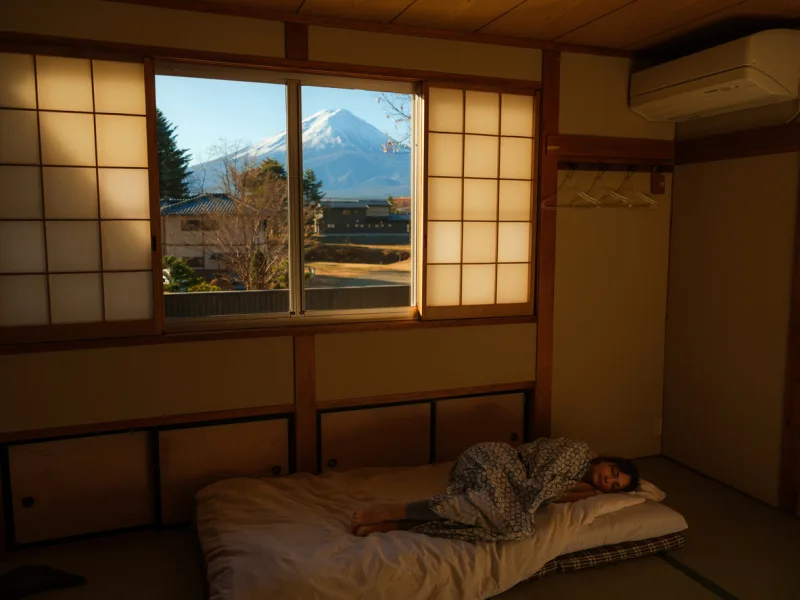
A ryokan is a Japanese inn, but that description sells it spectacularly short. You arrive and your shoes are taken at the door. You're given a yukata — a light cotton robe — to wear for the evening. Your room has tatami mat floors, a low wooden table, a futon that gets rolled out while you're at dinner, and a garden view that looks like someone painted it specifically for the moment you'd be sitting there.
Dinner is kaisek, a multi-course Japanese meal that takes two hours and involves dishes you won't be able to name but will remember for years. Breakfast is a quiet, beautiful ceremony of grilled fish, miso soup, pickles, and rice. The onsen — outdoor hot spring bath — is usually steps away, and soaking in naturally heated mineral water under the stars at 10pm after a day of exploring is, without exaggeration, one of the best feelings available to a human being on this planet.
#3. Witnessing a Tea Ceremony | Slowing Down Inside an Ancient Ritual
Japan has a gift for taking simple things and turning them into profound ones. The tea ceremony — chado, or "the way of tea" — is the clearest example.
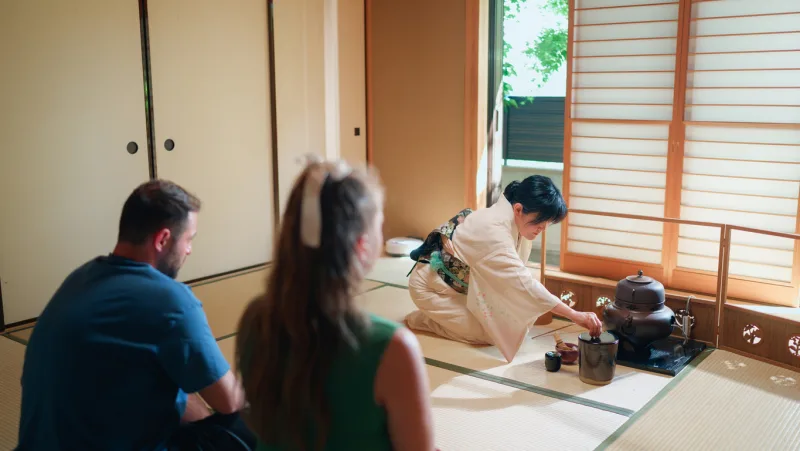
You sit in a small tatami room, usually in a traditional garden setting. A host prepares matcha green tea using movements that have been refined over five centuries — the precise angle of the whisk, the positioning of the ceramic bowl, the quiet. No phones. No rushing. The entire ceremony is designed to pull you completely into the present moment in a way that's almost impossible anywhere else in modern life.
Kyoto is the best city for tea ceremony experiences, particularly in the Higashiyama district and around the Uji area, which produces some of Japan's finest matcha. Many Japan Tours include a tea ceremony as part of a cultural day, and it's consistently one of the activities travellers mention when they talk about what changed their perspective on the trip.
The lesson isn't about tea. It's about attention. And in a world that's constantly competing for yours, two hours of practiced, intentional stillness is genuinely radical.
#4. Exploring Kyoto's Geisha District After Dark | Gion at Its Most Magical
There's a narrow lane in Kyoto called Hanamikoji. Stone-paved, lined with ochaya — traditional teahouses — and lit by paper lanterns at night, it looks like the set of a film about old Japan. Except it's real, it's still functioning, and if you're there at the right time in the right way, it will stop you dead in your tracks.
Gion is Kyoto's famous geisha district, and the evening is when it reveals itself properly. The tourists from the morning tour buses have gone. The light changes. The wooden machiya townhouses glow from within. And occasionally — quietly, quickly, professionally — a geiko (Kyoto's term for geisha) or maiko (apprentice geisha) moves between engagements in full kimono and white makeup, disappearing around a corner before you've fully processed what you just saw.
The rule is simple: watch from a respectful distance, don't shout, don't chase, don't grab. The geisha of Kyoto are working professionals, not tourist attractions. Treat them accordingly and the experience is extraordinary. Treat them otherwise and you're the problem.
Wander Gion's side streets — Shirakawa Canal, the wooden bridge at Tatsumi Daimyojin Shrine, the back alleys of Pontocho — on a weekday evening and you'll find a version of Kyoto that even many repeat visitors miss completely.
#5. Joining a Hanami | Cherry Blossom Picnic Under the Trees
Every culture has a relationship with nature. Japan has made it an art form.
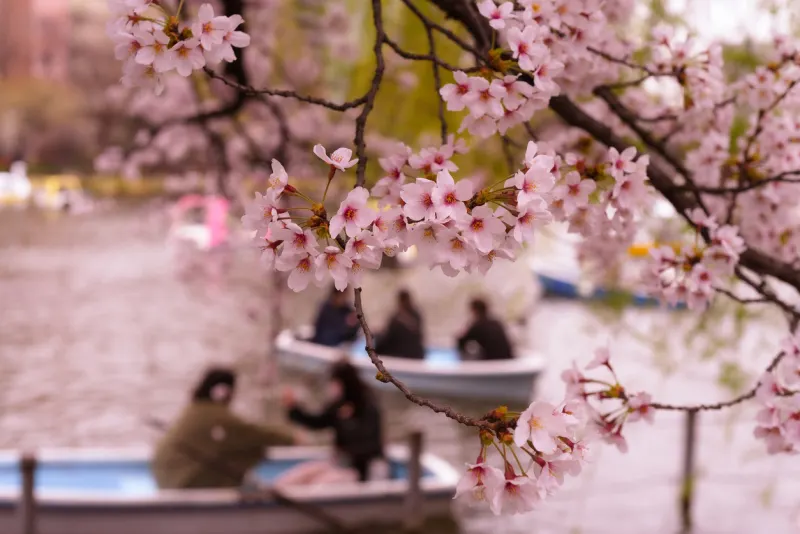
Hanami — literally "flower viewing" — is the centuries-old tradition of gathering under blooming cherry blossom trees to eat, drink, and celebrate the fleeting arrival of spring. It sounds gentle. In practice, it's one of the most joyful, warm, and genuinely inclusive experiences Japan offers to visitors.
Parks across the country fill with blue tarpaulins. Families, coworkers, and friend groups stake out spots under the branches hours in advance, unpack coolers of Asahi beer and bento boxes, and spend long afternoons together under a pink canopy of petals drifting down in the breeze. Strangers share food with other strangers. Music plays from someone's portable speaker somewhere. Children run between the trees.
The cherry blossoms bloom for about two weeks, typically late March to mid-April depending on the year and region. The window is short, the moment is real, and joining a hanami — even briefly, even as a quiet observer on the edge of a group — is the kind of Japan experience that makes you understand, at a cellular level, why people come back again and again.
#6. Visiting Hiroshima and Miyajima | History and Beauty Side by Side
Some places demand to be visited not because they're beautiful but because understanding them is important. Hiroshima is both.
The Peace Memorial Park and Museum sit at the epicentre of the 1945 atomic bomb blast. The A-Bomb Dome — the skeletal remains of a building that survived the explosion and was left deliberately standing — is one of the most quietly devastating sights in the world. The museum is thorough, sober, and deeply human. It doesn't lecture. It doesn't simplify. It shows you personal stories, photographs, and artefacts and lets you reach your own conclusions. Most visitors go quiet inside and stay that way for a while after leaving.
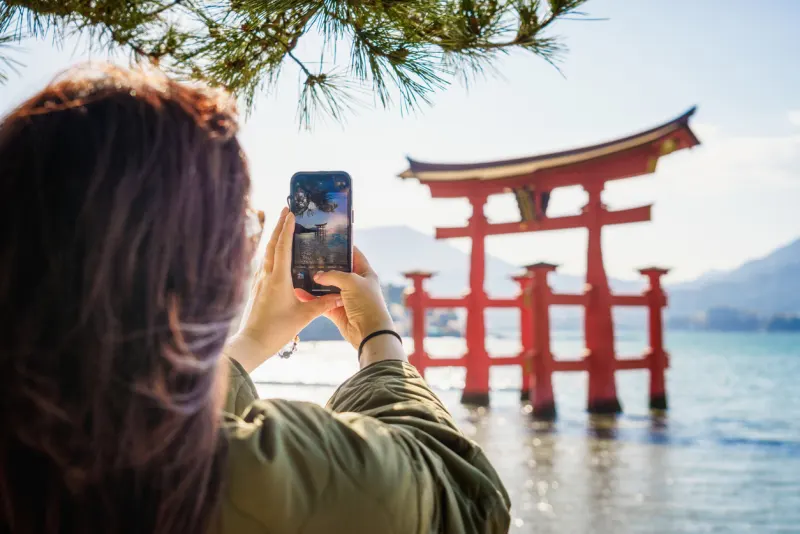
Then, twenty-five minutes by ferry from Hiroshima, is Miyajima Island — one of Japan's three officially recognised "views of scenic beauty." The giant torii gate of Itsukushima Shrine stands in the sea, appearing to float at high tide, framed by forested mountains. Sacred deer wander the village streets with complete indifference to tourists. The island has a quiet spirituality that's different from anywhere else in Japan.
#7. Getting Lost in Tokyo at Night | When the City Truly Comes Alive
Tokyo by day is remarkable. Tokyo at night is something else entirely.
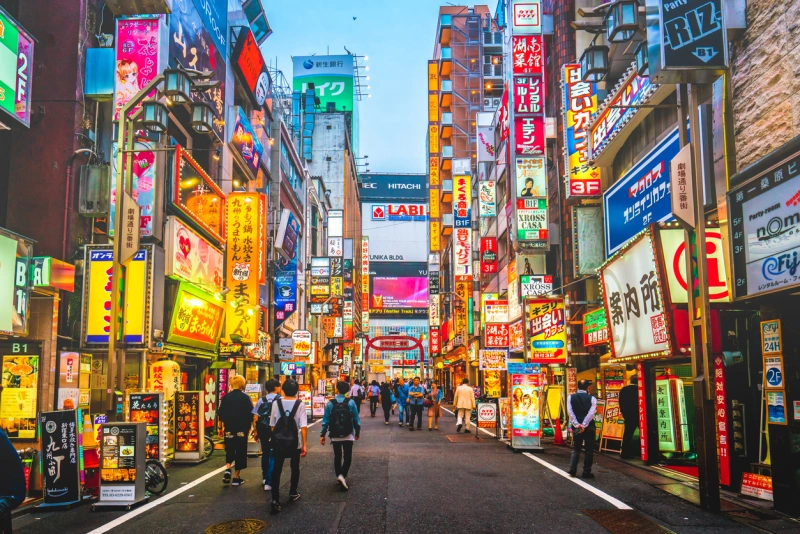
The neon lights of Shinjuku's entertainment district switch on around dusk and turn the streets into something between a film set and a fever dream — in the best way. Towering LED signs, the smell of yakitori smoke drifting from tiny alley restaurants, the sound of pachinko machines from open doorways, the extraordinary variety of people moving through it all with complete calm.
Golden Gai is a cluster of around 200 tiny bars, each holding maybe six people, each with its own personality, music, and regulars. Duck into one with a handwritten sign and an open door, sit at the bar, order a drink, and talk to whoever's there. This is where Tokyo reveals itself most honestly — in small, unplanned conversations in cramped, wonderful rooms.
Shibuya crossing at midnight is different from Shibuya crossing at rush hour. The crowds thin slightly, the light gets more cinematic, and the experience of standing in the middle of the world's busiest pedestrian intersection with the neon above you and the city moving in every direction around you is one of those moments you file away carefully and take out later when you need to remember that the world is genuinely extraordinary.
Wander. Take the wrong turn. Follow the noise or the smell or the light. Tokyo at night rewards the unplanned hour more than almost any city on earth.
#8. Participating in a Samurai or Ninja Workshop | Ancient Skills, Genuine Fun
Let's be clear: this one is fun. Deeply, unashamedly, brilliantly fun.
Several schools and cultural centres in Tokyo and Kyoto offer hands-on samurai experience workshops where you learn the basics of kenjutsu — traditional Japanese swordsmanship — from instructors in period costume, in a dojo setting that's been designed to feel authentic. You practice stances, strikes, and forms. You wear a hakama. You feel, briefly and completely, like you understand something about a way of life that no history textbook can fully convey.
Ninja workshops are available in Kyoto and the Iga region (which was historically the heartland of actual ninja clans) and teach throwing stars, stealth techniques, and the philosophy of ninjutsu. Some are more theatrical than educational; the better ones are genuinely immersive.
Both experiences work for adults and children equally well. They're consistently among the highest-rated cultural activities in Japan, particularly in family Japan travel packages. The combination of physical activity, historical context, and the undeniable satisfaction of successfully throwing a shuriken at a wooden target is one Japan delivers better than anywhere else on earth.
#9. Eating Your Way Through Osaka's Street Food Scene | Japan's Kitchen, Unplugged
If Kyoto is Japan's soul and Tokyo is its brain, Osaka is its stomach. And it is extremely proud of this.
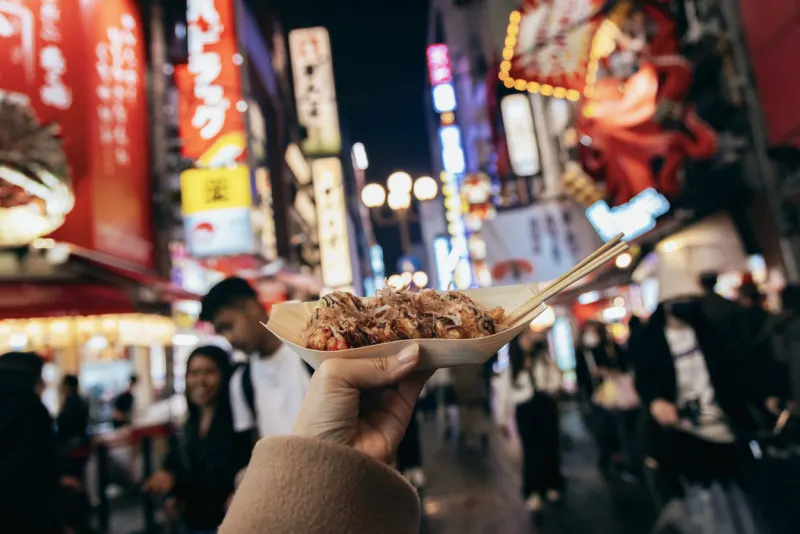
Dotonbori, Osaka's famous entertainment and food canal street, hits all the senses simultaneously. The giant mechanical crab. The Glico Running Man sign. The smell of takoyaki — octopus balls — being cooked on a griddle right in front of you, brushed with sauce and bonito flakes that dance in the heat. It's everything a street food scene should be: loud, generous, delicious, and completely unpretentious.
Here's what you need to eat in Osaka. Takoyaki — crispy outside, molten inside, a revelation every time. Okonomiyaki — a savoury pancake packed with cabbage, pork, and seafood, cooked on a griddle at your table and covered in sweet brown sauce and Japanese mayo. Kushikatsu — skewered and deep-fried meat, vegetables, and seafood, eaten at a counter bar with the one rule you must never break: do not double-dip your skewer in the communal sauce. Ever. There are signs. Take the signs seriously.
Osaka also has excellent standing sushi bars, ramen shops packed after midnight, and more Michelin-starred restaurants per capita than Paris. Budget travellers and fine dining lovers are equally well served. Osaka rewards people who eat with their full attention, which is to say: everyone who goes.
#10. Visiting a Shinto Shrine at Dawn | Finding Stillness in the Most Unexpected Place
The last experience on this list doesn't cost anything. It doesn't require booking in advance. It doesn't even require speaking a word of Japanese. And it might be the one that stays with you longest.
Pick a Shinto shrine — any of the thousands across Japan. Set your alarm for 5:30am. Go.
In the early morning, before the tour groups and the school trips and the Instagram photographers arrive, a Shinto shrine is one of the quietest, most genuinely peaceful places on earth. The gravel paths crunch underfoot. The lanterns haven't been lit yet. Cedar trees rise overhead. Crows call from somewhere you can't see. Sometimes a priest in white robes moves across the courtyard in silence, beginning the day's rituals with the same movements that have been performed at this spot for centuries.
You don't have to understand Shintoism to feel something in these moments. You just have to be there, be quiet, and pay attention.
Fushimi Inari in Kyoto before dawn. Meiji Jingu in Tokyo at 6am. The remote mountain shrines of the Kumano Kodo pilgrimage trail. These are experiences that exist outside the noise of ordinary life and remind you, firmly and gently, what travel is actually for.
Start planning your Japan journey today. Compare the best Japan travel packages, find the itinerary that fits your timeline and budget, and book the trip you'll spend the rest of your life talking about.
The most popular Japan travel packages run for 10 to 14 days, which gives you enough time to cover Tokyo, Kyoto, Osaka, and one or two additional destinations comfortably. Shorter 7-day packages are available but feel rushed for first-timers. If budget allows, 16–18 days lets you explore beyond the Golden Route into Hiroshima, Hakone, or even Hokkaido.
Some of the most unforgettable experiences include riding the Shinkansen, staying in a traditional ryokan, attending a tea ceremony, exploring Kyoto’s Gion district, and enjoying Osaka’s street food scene.
Cherry blossom season (late March to April) and autumn foliage season (October to November) are the most popular and most beautiful times to visit. Book at least four to six months in advance for these periods. Winter packages (December to February) offer lower prices and fewer crowds, especially for non-Hokkaido destinations.
Kyoto is the best place, especially in areas like Higashiyama and Uji, where tea culture has deep historical roots.
Yes, it’s a powerful and meaningful experience. Hiroshima offers deep historical insight, while Miyajima provides stunning natural beauty and spiritual atmosphere.