Table of Contents:-
What is Agadir, Morocco?
Agadir, Morocco, is the Country's premier beach resort city on the Atlantic coast, famous for its year-round sunshine, 10km of golden sandy beaches, modern infrastructure, and relaxed atmosphere. Located 508km south of Casablanca, Agadir offers a more European-style resort experience compared to Morocco's traditional imperial cities, making it perfect for beach holidays, surfing, golf, and family vacations.
Agadir, Morocco, stands apart from other Moroccan destinations as a modern beach resort rebuilt after a devastating 1960 earthquake. Unlike the ancient medinas of Marrakech or Fez, Agadir in Morocco offers wide boulevards, contemporary hotels, and a laid-back coastal vibe that attracts over 2 million visitors annually. The city combines Morocco's warm hospitality with resort amenities that European travelers love, making it Morocco's answer to Mediterranean beach destinations.
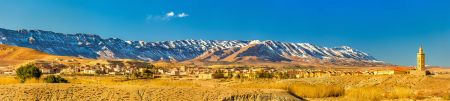
The city stretches along Morocco's southern Atlantic coast in the Souss-Massa region, bordered by the Anti-Atlas Mountains to the east and the Atlantic Ocean to the west. This unique location gives Agadir consistent mild weather, while Marrakech swelters at 40°C in summer. Agadir, Morocco, maintains comfortable temperatures of 25-28°C thanks to cooling ocean breezes. Winter brings European sun-seekers escaping cold weather, as Agadir rarely drops below 15°C even in January.
What makes Agadir in Morocco special is its accessibility. Al Massira International Airport receives direct flights from London, Paris, Amsterdam, Brussels, and major European cities, with flight times under 4 hours from most UK airports. The city's modern infrastructure, unusual for Morocco, includes a well-maintained promenade, international hotel chains, golf courses, and a marina, all built to international standards.
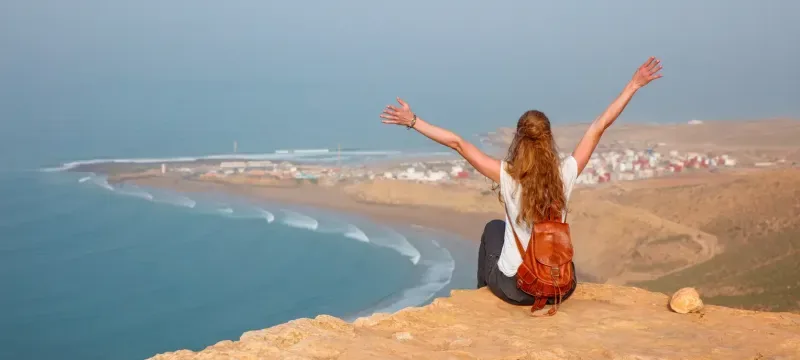
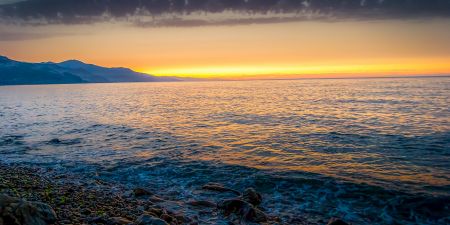
The 10-kilometer beach remains Agadir's main attraction, stretching from the fishing port in the south to the Agadir Royal Golf Club in the north. The golden sand stays clean and safe for swimming, with lifeguards stationed during the summer months. Unlike some Moroccan beaches where conservative dress codes are in effect, Agadir, Morocco, has a relaxed beach culture, with bikinis and swimwear being completely acceptable, though topless sunbathing remains uncommon.

Which is nicer, Agadir or Marrakech?
It depends on your travel style. You’ll prefer Agadir if you want beaches, relaxation, and modern resorts. Choose Marrakech if you’re drawn to culture, souks, history, and vibrant nightlife. Many travelers combine both for the best Morocco experience.
Is Agadir in Morocco worth visiting?
Yes, Agadir is worth visiting if you want a safe, laid-back coastal city with long sandy beaches, great weather year-round, and easy access to day trips. It’s ideal for beach holidays and first-time visitors to Morocco.
When planning your visit, things to do in Agadir Morocco range from beach relaxation to cultural experiences, adventure activities, and day trips exploring the surrounding region.
Beach & Water Activities
The beach dominates most visitors' itineraries, and for good reason. The calm Atlantic waters make swimming safe for families, while consistent waves attract surfers to breaks just north of the city. Beach clubs line the promenade offering sunbed rentals (50-100 dirhams/day), with waiter service bringing drinks and lunch directly to your lounger.
Surfing ranks among the top things to do in Agadir, Morocco, for adventure seekers. Beginners find gentle waves perfect for learning at Taghazout Beach (19km north), while experienced surfers tackle point breaks at Anchor Point, Killer Point, and Hash Point. Numerous surf schools offer lessons starting around 250 dirhams for 2-hour beginner sessions, with equipment included.
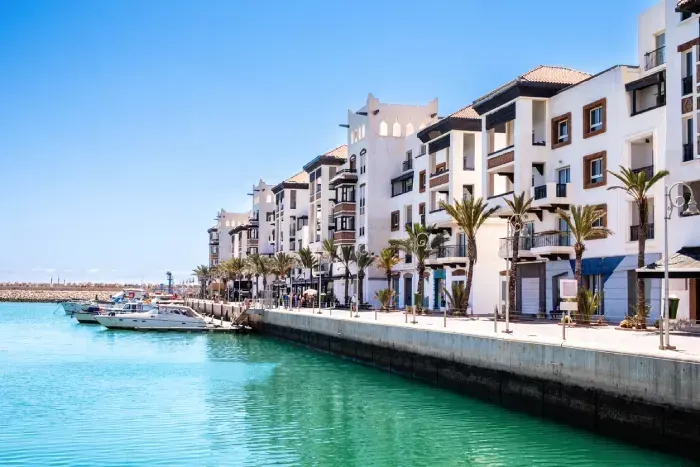
The Marina Agadir, opened in 2007, provides upscale dining and shopping in a modern waterfront setting. Evening strolls along the marina offer sunset views, yacht-watching, and access to international restaurants serving everything from fresh seafood to Italian and Asian cuisine. The marina hosts occasional events and concerts, particularly during the summer months.
Cultural Experiences
While Agadir in Morocco was rebuilt modernly after 1960, cultural experiences still exist for those seeking authentic Morocco. The Souk El Had operates Sunday through Friday as one of Morocco's largest markets, covering 13 hectares with 6,000 shops. Inside its walls, vendors sell traditional crafts, spices, argan oil, leather goods, fresh produce, and textiles. Arrive early (9 am-10 am) for the best selection and cooler temperatures.
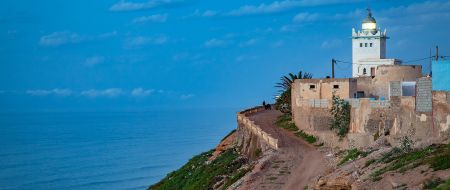
The Agadir Oufella Kasbah ruins, perched 236 meters above the city, survived the 1960 earthquake partially intact. The clifftop location provides panoramic views over Agadir, the beach, and the port, especially spectacular at sunset. While only walls remain of the historic fortress, the vista alone makes the short drive or taxi ride (50-70 dirhams) worthwhile.
Amazigh Heritage Museum showcases Berber culture through artifacts, jewelry, carpets, and traditional clothing. Located in the Passage Ait Souss complex, the museum helps visitors understand the indigenous Amazigh people who've inhabited this region for thousands of years. Entrance costs 20 dirhams and visits typically last 45-60 minutes.
Adventure & Day Trips
Paradise Valley, a stunning oasis 60km north of Agadir, offers natural pools, palm groves, and hiking opportunities in a dramatic gorge setting. The winding road journey provides views of Berber villages clinging to mountainsides. Once there, you can swim in natural pools, hike the valley, or simply relax in this green paradise, a stark contrast to the coastal landscape.
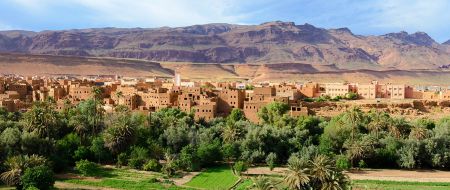
The Anti-Atlas Mountains provide excellent hiking, with organized treks ranging from half-day excursions to multi-day adventures. Popular routes include visits to traditional Berber villages where life continues much as it has for centuries. These trips typically include lunch with local families, offering authentic cultural exchange opportunities rarely found in coastal Agadir.
Crocoparc, located 13km from Agadir near Drarga, houses over 300 Nile crocodiles in a botanical garden setting with waterfalls, ponds, and tropical vegetation. The facility focuses on conservation and education, making it an excellent family activity. Tickets cost 60 dirhams for adults, 30 dirhams for children, with feeding shows scheduled throughout the day.
Golf & Leisure Activities
Golf enthusiasts find world-class courses part of the appeal of things to do in Agadir, Morocco. Golf du Soleil, Royal Golf Club, and Dunes Golf Club offer championship layouts designed by renowned architects, taking advantage of Agadir's year-round playable weather. Green fees range from 400 to 800 dirhams, depending on season and course, with equipment rental available.
Hammam experiences provide traditional Moroccan wellness treatments. Several spas offer authentic hammam rituals, including steam room, black soap scrub, rhassoul clay treatment, and massage. Prices start around 150 dirhams for basic packages, rising to 500+ dirhams for luxury spa experiences at resort hotels.

Is it safe to walk in Agadir at night?
Yes, Agadir is considered one of the safest cities in Morocco. You can walk around tourist areas at night, especially the beachfront and marina. Just follow basic travel safety habits, as you would anywhere.
What is Agadir famous for?
Agadir is famous for its Atlantic beaches, seaside promenade, surf spots, modern resorts, and relaxed atmosphere. It’s also known for its sunny climate and proximity to the Souss Massa region.
Slightly to the south of the city center, this is a place to be discovered with great delight: the new medina was reconstructed from the 1990s onwards by Italian architect Coco Polizzi. Careful urban development, craftsmen, and restaurants. It is an original and bold success, where the Moroccan soul still survives. The jewelry souk and the Moorish café are more than worth the detour.
History
Early History
Agadir’s history dates back to ancient times, with evidence of Phoenician and Carthaginian settlements. The Berbers later established a fishing port here.
Portuguese and Moroccan Rule
In 1505, the Portuguese built a fortress called Santa Cruz do Cabo de Gué. However, in 1541, the Saadi dynasty (Moroccan rulers) reclaimed the city.
Economy and Tourism
Agadir’s economy relies on:
-
Tourism (major hotels, resorts, and beaches).
-
Fishing (one of Morocco’s largest fishing ports).
-
Agriculture (exports of citrus fruits, bananas, and argan oil).
The city is well-connected via Agadir–Al Massira Airport, with flights to Europe and other Moroccan cities.
Culture and Cuisine
Food & Drink
-
Fresh seafood (grilled sardines, seafood tagine).
-
Tanjia (slow-cooked meat dish).
-
Amalou (almond and argan oil spread).
-
Mint tea (traditional Moroccan drink).
Festivals & Events
Transportation
-
Taxis (cheap and widely available).
-
Buses (CTM and local buses connect major areas).
-
Car Rentals (useful for exploring nearby regions).

Can you drink alcohol in Agadir, Morocco?
Yes, you can drink alcohol in Agadir. Hotels, resorts, licensed bars, and restaurants serve alcohol legally, making it comfortable for international travelers.
What is the nicest place in Morocco?
The nicest place in Morocco depends on what you’re looking for. Marrakech offers culture and energy, Agadir offers beaches and relaxation, Chefchaouen offers scenic charm, and the Sahara Desert offers unforgettable adventure.
Customize Your Dream Vacation!
Get in touch with our local experts for an unforgettable journey.
Plan Your Trip
Agadir in Morocco offers accommodation options spanning budget guesthouses to five-star all-inclusive resorts, concentrated along the beach promenade and in the Founty Beach area.
The Beach Promenade area puts you steps from sand, with many international chain hotels (Sofitel, Tikida, Atlantic Palace) offering sea views, pools, and resort facilities. All-inclusive packages dominate this area, popular with European package holiday visitors seeking hassle-free beach vacations.
Downtown Agadir provides more budget-friendly options with easier access to Souk El Had and local restaurants. Hotels here cost 200-400 dirhams per night compared to 800-2,000 dirhams beachfront. You'll be a 10-15-minute walk from the beach but immersed in more authentic Moroccan daily life.
Taghazout, the surfer village 19km north, offers bohemian vibes, yoga retreats, and surf camps. Development is transforming parts into upscale resorts, but the village center maintains its laid-back character. This area suits surfers, digital nomads, and travelers seeking alternatives to Agadir's resort atmosphere.

Getting There: Al Massira International Airport (AGA) sits 25km east of Agadir with direct flights from major European cities. Airport taxis charge fixed rates of 200-250 dirhams to Agadir hotels. Car rental desks operate at arrivals for those planning regional exploration.
Best Time to Visit: Year-round destination, though peak season runs October-April when Europeans escape winter. Summer (June-August) brings Moroccan domestic tourists and slightly warmer temperatures around 25-28°C. Avoid major Islamic holidays if you prefer quieter periods.
Getting Around: Grand taxis (orange) charge 7-20 dirhams for in-city trips. Petit taxis (blue) use meters for shorter journeys. Bus #22 connects downtown to beach hotels for 7 dirhams. Car rental (150-300 dirhams/day) makes sense for exploring Paradise Valley, Taghazout, or Taroudant.
Money: ATMs are widespread. Most hotels, restaurants, and larger shops accept credit cards. Budget 300-500 dirhams per day for meals and activities beyond accommodation. Tipping 10% is customary in restaurants.
Language: Arabic and Tamazight are the official languages, and French is widely spoken. English is common in tourist areas, but less so thanin Marrakech. Basic French phrases help in local restaurants and shops.
Safety: Agadir, Morocco, is one of Morocco's safest cities with low crime rates. Normal precautions apply: watch belongings on the beach, avoid isolated areas at night, and use registered taxis. The relaxed atmosphere and modern infrastructure make it particularly comfortable for first-time Morocco visitors.
Q: Is Agadir Morocco, worth visiting?
Yes, Agadir in Morocco is worth visiting if you want beach relaxation, year-round sunshine, and modern resort amenities combined with Moroccan culture. It's ideal for families, beach lovers, surfers, and winter sun seekers. However, if you're seeking a traditional Moroccan atmosphere with historic medinas and souks, consider combining Agadir with Marrakech or Essaouira.
Q: What is Agadir Morocco, famous for?
Agadir Morocco, is famous for its 10km golden sandy beach, 300+ days of annual sunshine, world-class surfing nearby in Taghazout, modern resort infrastructure, and being Morocco's top beach holiday destination. It's also known for rebuilding completely modern after the devastating 1960 earthquake that destroyed the old city.
Q: How many days do you need in Agadir?
Most visitors spend 4-7 days in Agadir, Morocco. This allows time for beach relaxation, day trips to Paradise Valley and Taghazout, exploring Souk El Had, and enjoying resort amenities. Weekend breaks (3-4 days) work for pure beach holidays, while 7-10 days suit those combining Agadir with excursions to Marrakech or Essaouira.
Q: What are the best things to do in Agadir Morocco?
The best things to do in Agadir Morocco include: relaxing on the 10km beach, surfing in Taghazout, visiting Paradise Valley natural pools, shopping at Souk El Had market, watching sunset from Agadir Oufella Kasbah ruins, exploring Marina Agadir, taking day trips to traditional Berber villages, playing golf on championship courses, and enjoying hammam spa treatments.
Q: Is Agadir better than Marrakech?
Agadir Morocco, and Marrakech serve different purposes. Choose Agadir for beach holidays, water sports, modern resorts, family-friendly atmosphere, and relaxation. Choose Marrakech for historic medina, traditional souks, cultural immersion, and authentic Moroccan architecture. Many travelers visit both fly into Marrakech, explore for 2-3 days, then transfer to Agadir for beach time.
Q: When is the best time to visit Agadir Morocco?
The best time to visit Agadir in Morocco is October-April for perfect weather (20-25°C), though it's a year-round destination. December-February attracts winter sun seekers escaping the European cold. March-May offers warm weather before peak summer. June-September is the warmest (25-28°C) with Moroccan domestic tourists. Avoid major Islamic holidays for quieter visits.
Q: Is the beach in Agadir safe for swimming?
Yes, Agadir Morocco beach is safe for swimming with generally calm waters, clean sand, and lifeguards during the summer months (June-September). The beach has Blue Flag certification for cleanliness and safety standards. Ocean temperatures range from 17 to 22°C year-round. Respect red flags indicating rough conditions, and supervise children as with any beach.
Q: Can you drink alcohol in Agadir Morocco?
Yes, Agadir in Morocco is one of Morocco's most relaxed cities regarding alcohol. Most tourist hotels have bars, many restaurants serve alcohol, and several bars and nightclubs operate in the resort area. Supermarkets with alcohol licenses sell wine and beer. However, public intoxication is illegal, and drinking outside licensed premises is prohibited.
Q: What should I wear in Agadir Morocco?
Agadir Morocco has the most relaxed dress code in Morocco. Beachwear, bikinis, shorts, and summer clothes are completely acceptable in resort areas and on the beach. However, when visiting Souk El Had or local neighborhoods, dress more modestly cover shoulders and knees. Evening attire is casual resort wear; a few restaurants require formal dress.
Q: How far is Agadir from Marrakech?
Agadir is 250km (155 miles) from Marrakech, taking approximately 3-3.5 hours by car via the modern highway. Buses run frequently (70-100 dirhams, 3.5-4 hours), private transfers cost 800-1,200 dirhams, and rental cars offer flexibility for stops at argan cooperatives or Berber villages en route. This makes combining both destinations easy in one trip.
Ready to experience Morocco's beach paradise? Agadir, Morocco, awaits with sunshine, sand, and authentic hospitality!
.jpg "Agadir Morocco: Complete Travel Guide to Morocco's Beach Paradise")