Rabat, A Complete Guide to Morocco's Capital City 2026
Gardens, promenades, great avenues, and a broad array of festivals: Rabat Morocco takes the time to live life to the full.

Gardens, promenades, great avenues, and a broad array of festivals: Rabat Morocco takes the time to live life to the full.
#A Brief History of Rabat Morocco
#Top Things to Do in Rabat, Morocco
#Culture, Food & Local Life in Rabat
#Is Rabat Worth Visiting Compared to Other Cities?
Morocco's political heart holds secrets most travelers never discover. With 2.1 million residents across its metro area, Rabat Morocco stands as North Africa's most underrated gem. This UNESCO World Heritage city weaves together centuries of tradition with contemporary Moroccan life, giving you authentic encounters far removed from the bustling tourist circuits you'll find in other Moroccan destinations.
Is Rabat worth visiting? Let me answer that right away: absolutely yes! But let me show you why Morocco's capital deserves your attention.
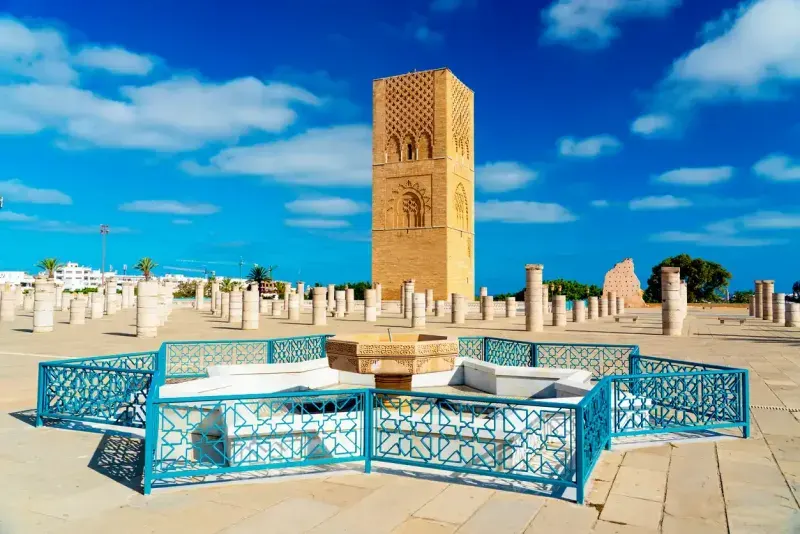
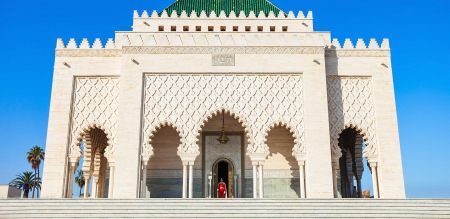
The capital city of Morocco reveals layers of history stretching back to its 12th-century Almohad origins. Among Morocco's quartet of imperial cities (Rabat, Marrakech, Fez, and Meknes), Rabat stands out with a temperate Mediterranean climate that welcomes exploration year-round. Within its boundaries, you'll find architectural marvels that tell stories of dynasties and dreams: the imposing 144-foot Hassan Tower rises like a sentinel over the city, while the nearby Mausoleum shelters the eternal resting places of King Mohammed V and his two sons.
Geography gives this capital some serious advantages. Positioned strategically along Morocco's Atlantic coast, Rabat Morocco maintains quick connections to Casablanca (just 57 miles southwest) and Tangier (174 miles northeast). This accessibility makes the city an exceptional home base for broader Moroccan adventures.
Whether you're planning a focused city exploration or positioning Rabat within a larger North African journey, this guide will illuminate what makes Morocco's elegant capital so special. Here, where the Bou Regreg River meets Atlantic waves, centuries of imperial legacy merge with the rhythms of modern Moroccan life, creating an experience that's both profound and surprisingly accessible.
Yes, Rabat is worth visiting! You'll find UNESCO sites like Hassan Tower, Kasbah of the Udayas, and Chellah ruins with fewer crowds than in Marrakech. It's perfect for 1-2 days and offers a relaxed introduction to Morocco's history and culture.
Yes, Rabat is nicer for tourists. You'll find it cleaner, more relaxed, and packed with historical sites. Casablanca is better for business, and Hassan II Mosque, but Rabat wins for sightseeing and atmosphere.
Thousands of years before Rabat Morocco became the capital, civilizations recognized this Atlantic location's strategic value. Phoenician traders, those master navigators of the ancient world, established their trading post at the mouth of the Bou Regreg River during the first millennium BC. They knew a good spot when they saw one!
Roman engineers later claimed this prime real estate, building Sala Colonia as one of two main coastal strongholds in ancient Mauretania Tingitana. Roman ambition flourished here: they erected a triumphal arch proclaiming imperial might, carved out a public square for civic life, and laid the foundations of Decumanus Maximus the main east-west road connecting distant corners of their empire.
Even as Sala declined during the 5th century, archaeological evidence reveals fascinating continuities. Visigothic and Byzantine artifacts found throughout the area tell stories of persistent trade and political ties with Roman Europe lasting until the 7th century. These remnants speak to Rabat's enduring role as a crossroads between continents.
After Muslim Arab forces arrived in the 7th century, this strategic spot remained relatively quiet for centuries. Revival came in the 10th century, when the Andalusian Umayyads established a ribat, a fortified settlement for both spiritual retreat and military readiness. This period gave birth to the name "Rabat" itself.
Across the river around 1030, the Banu 'Ashara family founded Salā (today's Salé). But the area's true architectural transformation came with Almohad caliph Abd al-Mu'min's vision. His ambitious 1150 project replaced the modest ribat with an impressive kasbah, complete with a royal palace and mosque.
Abd al-Mu'min's successor, Abu Yusuf Ya'qub al-Mansur, took things to the next level. His builders constructed massive defensive walls, started the legendary Hassan Tower, and gave the settlement its proud title: Ribāṭ al-Fatḥ, the "Camp of Conquest." These Almohad monuments still define Rabat, Morocco's skyline, eight centuries later!
Spanish politics dramatically reshaped Rabat's destiny when Philip III expelled all Moriscos (people of Muslim heritage) from Spain in 1609. About 2,000 refugees from Hornachos found sanctuary in Rabat's kasbah, attracting 5,000-14,000 additional Morisco settlers.
These displaced Andalusians had maritime skills that would make Rabat notorious across Europe. Joining forces with neighboring Salé in 1627, they established the Republic of Bou Regreg, an autonomous corsair state operating beyond conventional royal authority. The feared "Salé Rovers" emerged from these waters, their swift ships stalking merchant vessels throughout Western European seas. Pretty wild history, right?
During this extraordinary period, geographical distinctions emerged: the south bank settlement became "New Salé" while its northern neighbor kept the name "Old Salé."
European colonial ambitions eventually reached Morocco's shores. French forces invaded in 1907, formalizing control through the Treaty of Fes in 1912. General Hubert Lyautey, appointed as French administrator, made a decision that would permanently change Rabat's trajectory: he transferred Morocco's capital from ancient Fes to this Atlantic coastal city.
Lyautey commissioned Henri Prost to design Rabat's modern quarter, the Ville Nouvelle, introducing European urban planning through broad boulevards and expansive gardens. This colonial legacy created the distinctive dual character you'll encounter today: ancient medina alongside planned European districts.
Morocco's independence in 1956 brought a crucial decision moment. King Mohammed V chose to keep Rabat as the capital rather than returning it to Fez. This royal decree established Rabat, Morocco, permanently as the political nerve center and primary royal residence, a position it maintains with quiet dignity today.
Yes, Morocco is safe in 2026. Crime rates are lower than in many European cities. Use normal precautions: watch for pickpockets, use official taxis, and avoid displaying valuables. Morocco has a Level 2 advisory (same as France and Spain).
Rabat is Morocco's capital and home to the royal palace. It's famous for UNESCO sites: Hassan Tower, Kasbah of the Udayas, Chellah ruins, and Mohammed V Mausoleum. It's Morocco's most peaceful imperial city.
Morocco's capital unfolds its treasures across ancient fortifications, royal monuments, and hidden gardens. These essential experiences reveal why this UNESCO World Heritage city captivates travelers who venture beyond well-trodden tourist paths.
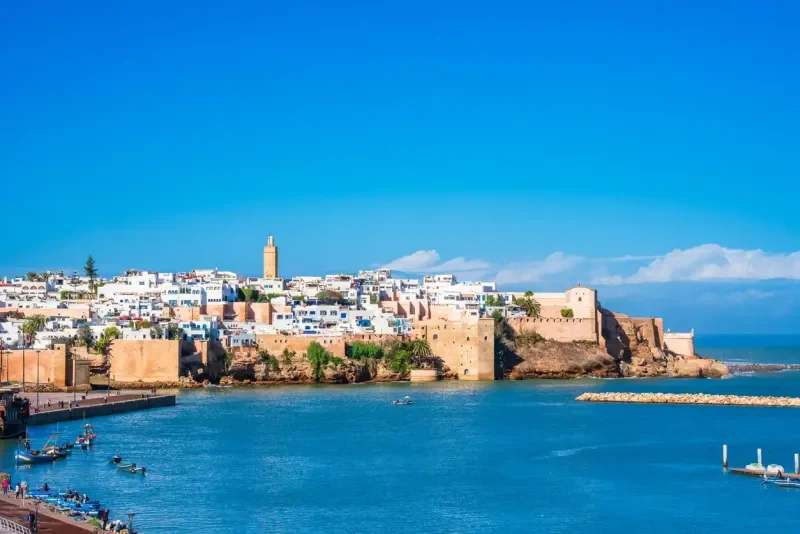
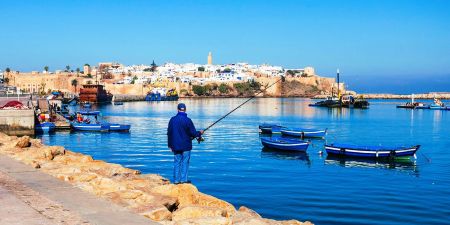
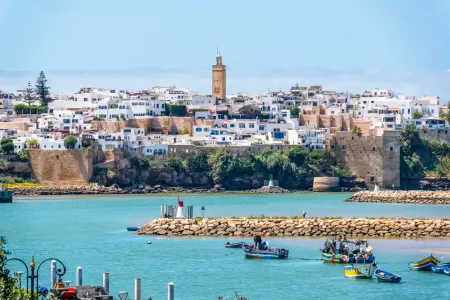
Dramatically positioned where the Bou Regreg River meets the Atlantic, the Kasbah of the Udayas commands attention as Rabat's most photographed spot. This 12th-century fortress enchants you with its signature blue-and-white painted walls, creating an almost dreamlike Mediterranean vibe on Morocco's Atlantic coast!
What makes it special:
Beyond the gate, narrow cobblestone passages wind through authentic residential areas. The southern quarter houses a remarkable palace showing Morocco's golden age of architecture. This is definitely one of the top things to do in Rabat!
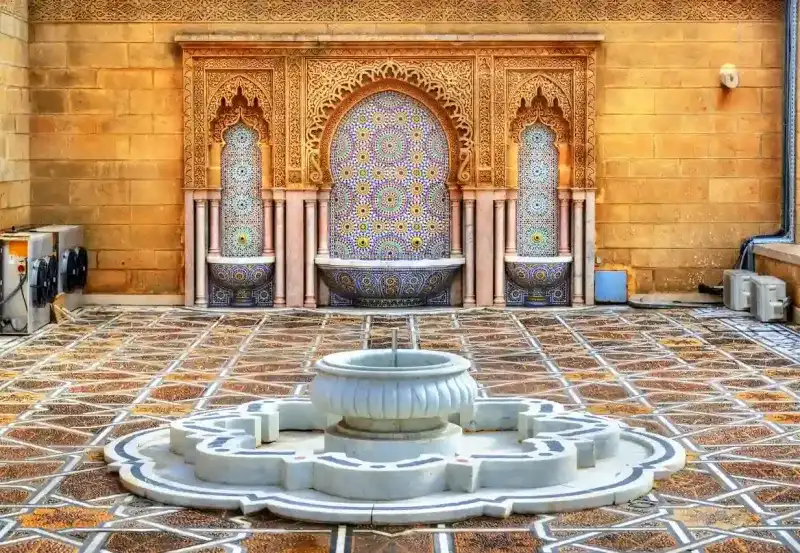
Royal grandeur reaches its peak at this sacred complex housing Morocco's modern founding father and his sons, King Hassan II and Prince Abdallah. White Carrara marble gleams beneath intricate zellij tilework, while overhead, a magnificent gold-leafed cedar ceiling creates profound reverence.
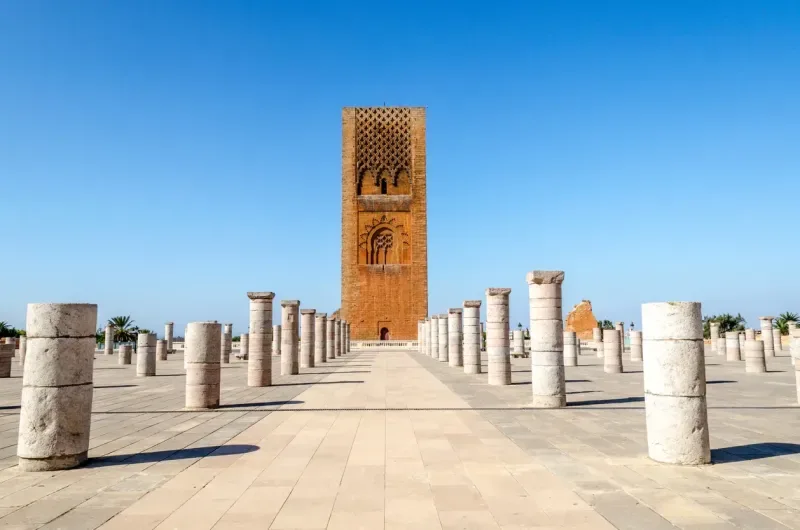
Adjacent to the mausoleum rises the enigmatic Hassan Tower, Sultan Yacoub el-Mansour's ambitious 12th-century project. Originally meant to reach 86 meters and claim the title of world's tallest minaret, construction stopped abruptly at 44 meters when the sultan died unexpectedly. Today, this unfinished monument stands as both an architectural triumph and a poignant reminder of imperial dreams cut short.
Why visit:
Few locations pack such concentrated history as Chellah, where three civilizations left their marks across seven remarkable hectares. This UNESCO World Heritage site preserves Phoenician trading posts, Roman colonial architecture, and Islamic burial grounds within a single fortified enclosure built by the Marinids.
What you'll discover:
The storks are an unexpected delight. These birds have claimed the ruins as their nesting ground, creating a living connection between ancient stones and contemporary wildlife. It's magical!
French colonial administrators created these tranquil gardens between 1915 and 1918, but the design draws directly from Moorish landscaping traditions. Nestled within the Kasbah des Oudaias walls, geometric pathways create perfect symmetry among towering date palms, aromatic citrus groves, and cascades of purple bougainvillea.
Why visitors love it:
Many visitors describe these gardens as their favorite Rabat, Morocco experience, a green oasis where you can truly unwind!
Once the diplomatic quarter where foreign ambassadors conducted business, Rue des Consuls now showcases Morocco's finest artisanal traditions. This recently restored pedestrian street presents an extraordinary collection of handcrafted goods:
What you'll find:
The best part? Unlike aggressive commerce in other Moroccan souks, Rabat's medina maintains a gentler pace beneath ornate arcades. You can actually appreciate craftsmanship without constant pressure for refreshing!
Morocco's cultural renaissance hit a milestone when this museum opened in 2014, the kingdom's first major museum construction in over a century! Architect Karim Chakor's award-winning design houses an impressive collection spanning early 20th-century works through cutting-edge contemporary pieces.
What's inside:
The building itself fascinates architecture lovers with its blend of traditional and modern elements.
Don't miss Rabat, Morocco's beautiful Atlantic coastline! The city offers pristine beaches within easy reach of the historic center, a rare combination for capital cities.
Best beaches:
Having beaches right in the capital makes Rabat unique among Morocco's imperial cities!
Rabat is Morocco's capital and home to the royal palace. It's famous for UNESCO sites: Hassan Tower, Kasbah of the Udayas, Chellah ruins, and Mohammed V Mausoleum. It's Morocco's most peaceful imperial city.
Get in touch with our local experts for an unforgettable journey.
Plan Your Trip
Movement through Morocco's capital is remarkably easy, with multiple transportation options connecting diverse quarters and reaching neighboring destinations.
Morocco's modern tramway achievement stretches 26 kilometers across 42 stops, operating along two lines. Daily service runs 6 am-10 pm, with trains arriving every 8 minutes during peak hours.
Ticket info:
The tramway is clean, efficient, and connects major attractions. Definitely use it!
Rabat, Morocco's characteristic blue petit taxis accommodate three passengers max with metered pricing starting at 7 dirhams. Grand taxis, spacious white vehicles, run intercity routes with distance-based pricing:
Grand taxi prices:
ALSA CITY BUS operates municipal buses reaching neighborhoods beyond tramway coverage.
Pedestrian exploration works exceptionally well across Rabat's concentrated historic zones—the medina, central districts, and coastal areas. This free approach unlocks architectural details, local interactions, and unexpected discoveries throughout Morocco's administrative heart.
Best for walking:
Strategic positioning gives Rabat, Morocco, exceptional access to major destinations. Single-day excursions reach Casablanca, Meknes, Fes, and Tangier via train, bus, or grand taxi. Train journeys through ONCF (Morocco's national railway) are comfortable and affordable.
Chefchaouen wins for scenic beauty (blue streets), Marrakech for energy, Fes for authentic medina, Essaouira for beaches, and Rabat for hassle-free sightseeing. It depends on what you want: scenery, culture, or relaxation.
Yes, Rabat is safe at night in well-lit areas like main streets and the Corniche waterfront. Avoid poorly lit medina alleyways and deserted areas after dark. Solo female travelers should consider taxis after 9pm. Keep valuables secure.
Morocco's capital pulses with cultural rhythms extending far beyond ancient stones and royal palaces. This is a living city where tradition meets contemporary expression!
Each June, Rabat, Morocco, becomes Africa's undisputed musical epicenter during the extraordinary Mawazine Festival. This nine-day cultural explosion draws an astounding 3.75 million attendees, earning recognition as the planet's largest music festival!
Festival highlights:
But Rabat's artistic heartbeat extends year-round, with intimate concerts, theatrical productions, and cultural exhibitions solidifying its status as Morocco's creative nucleus.
Rabat, Morocco's culinary scene, offers remarkable authenticity without inflated tourist pricing!
Must-try restaurants:
Local tip: While Friday traditionally marks couscous day across Morocco, many restaurants now serve it throughout the week. The vibrant street food culture provides equally memorable encounters at every corner!
Islamic faith weaves through Rabat, Morocco's daily fabric, with five prayer calls marking the city's natural rhythm. Moroccans demonstrate remarkable tolerance and legendary hospitality, but you'll benefit from understanding local customs:
Dress code:
Social customs:
Yes, men can wear shorts in Rabat's tourist areas, beaches, and Ville Nouvelle. You'll blend in better with lightweight long pants at government buildings and mosques. Knee-length shorts are more acceptable than very short shorts.
Avoid: tap water (drink bottled), walking alone at night in dark areas, displaying valuables, unlicensed taxis, fake guides, raw salads at street stalls, public affection (especially LGBTQ+), photographing people without asking, revealing clothing in conservative areas, and disrespecting religious sites.
Let me give you the straight answer: Yes, Rabat, Morocco is absolutely worth visiting!
Rabat, Morocco, presents a distinctly balanced Moroccan experience that sets it apart from the kingdom's more famous destinations. The city's greatest strength? It's a harmonious fusion of historical depth with contemporary conveniences, enhanced by accessible beaches within the urban environment itself.
vs. Marrakech: Unlike Marrakech's intense and sometimes overwhelming souks, Rabat maintains a contemplative atmosphere while delivering genuine cultural immersion. You get authenticity without the aggressive sales tactics.
vs. Fez: While Fes has the larger, more chaotic medina, Rabat's medina is more manageable and less touristy. You experience real Moroccan life without feeling lost or harassed.
vs. Casablanca: Rabat combines Casablanca's modern infrastructure with way more historical attractions. Plus, Casablanca is only an hour away if you want to see the Hassan II Mosque!
What ultimately makes Rabat exceptional is its serene yet dynamic character. Morocco's profound traditions unfold naturally here without the aggressive commercial pressures you'll find elsewhere. You get the real Morocco without the tourist circus!
Further Readings ...
Conclusion
Rabat, Morocco, emerges from this exploration as something far more intriguing than its understated reputation suggests. Among the kingdom's imperial quartet, Rabat occupies a unique position as a UNESCO World Heritage site that's somehow managed to preserveits authentic character while embracing modern capital functions.
The historical journey from Phoenician trading posts through Roman settlements, from Almohad fortifications to corsair republics, culminates in a city wearing its layered past with remarkable grace. These accumulated centuries aren't just museum pieces; they're living elements woven into contemporary Moroccan society. The blue-and-white Udayas Kasbah walls, the unfinished grandeur of Hassan Tower, and the serene Andalusian Gardens represent just the most visible expressions of this temporal depth.
What distinguishes Rabat most? It has practical advantages for curious travelers. The tramway connects historical quarters with modern districts. The coastal position provides effortless access to Morocco's other major destinations. This connectivity transforms Rabat into more than just another North African stop; it becomes a thoughtful base for understanding the broader Moroccan experience.
Perhaps most compelling: Rabat offers genuine cultural immersion without the performative aspects characterizing tourist-dependent cities. Here, the rhythms of government, education, and daily commerce create an atmosphere where you encounter Morocco as it actually functions, not as it presents itself for tourism.
Is Rabat worth visiting? After everything we've covered, the beaches, museums, festivals, cuisine, history, and that perfect balance of tradition and innovation, the answer is a resounding yes!
The things to do in Rabat satisfy multiple interests while maintaining underlying coherence. Whether approached as a focused urban study or integrated into wider Moroccan travels, Rabat provides insights extending well beyond geographical boundaries.
For travelers seeking understanding alongside experience, Rabat, Morocco, represents an exceptional opportunity, a chance to witness how Morocco's historical depth continues informing its contemporary identity. This elegant confluence of river and sea, tradition and innovation, may well prove the most enlightening discovery of your Moroccan journey.
Ready to explore Morocco's elegant capital? Rabat awaits!
Q1. Is Rabat worth visiting as a tourist destination?
Yes, Rabat, Morocco, is definitely worth visiting! You'll find a unique blend of historical sites and modern amenities with way less crowded attractions than other Moroccan cities. The UNESCO World Heritage status, beautiful architecture, and authentic cultural experiences make it excellent for travelers seeking a relaxed introduction to Morocco. Plus, pristine beaches right in the capital!
Q2. How many days should I plan for Rabat?
Plan 3-4 days for Rabat, Morocco. This gives you enough time to explore main attractions like the Kasbah of the Udayas, Hassan Tower, Chellah ruins, and Andalusian Gardens, enjoy local cuisine, and even take a day trip to nearby Casablanca. It's perfect for experiencing highlights without feeling rushed.
Q3. What are the must-see things to do in Rabat?
Top things to do in Rabat include exploring the Kasbah of the Udayas (blue-and-white streets!), visiting the Mausoleum of Mohammed V and Hassan Tower, wandering Chellah Archaeological Site (with storks!), relaxing in Andalusian Gardens, shopping in the medina along Rue des Consuls, and touring the Mohammed VI Museum of Modern Art. Don't miss the beaches!
Q4. How can I get around Rabat efficiently?
Rabat Morocco, offers excellent transportation! The modern Rabat-Salé tramway is convenient for longer distances (6 dirhams per trip). Blue petit taxis are readily available with meters. For historic districts like the medina and Kasbah, walking is best. The city's compact nature makes it easy to navigate on foot and discover hidden gems.
Q5. What cultural etiquette should I know when visiting Rabat?
When visiting Rabat, Morocco, dress modestly (cover shoulders and knees), especially in conservative areas. During Ramadan, avoid eating, drinking, or smoking in public during daylight. Remove shoes when entering homes. Use your right hand for eating or giving items. Respecting local customs and religious practices enhances your experience!
Q6. Is Rabat better than Marrakech for first-time visitors?
It depends on what you want! Choose Rabat, Morocco, if you prefer relaxed exploration, fewer crowds, authentic daily life, and beaches. Choose Marrakech if you want vibrant souks, Jemaa el-Fna square energy, and intense sensory experiences. Many travelers visit both Marrakech for excitement and Rabat for peaceful culture. Rabat is better if you dislike aggressive tourist pressure.
Q7. Can I do day trips from Rabat to other cities?
Absolutely! Rabat, Morocco's strategic location, makes day trips easy. You can reach Casablanca (1 hour by train), Meknes (1.5 hours), Fes (2.5 hours), and even Tangier (3 hours). ONCF trains are comfortable and affordable. Grand taxis offer intercity routes too. Rabat makes an excellent base for exploring northern Morocco!
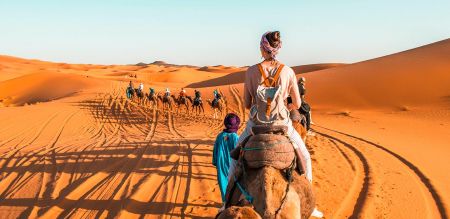
Merzouga is a small desert village in southeastern Morocco, at the edge of the Erg Chebbi dunes, the country's main gateway to the Sahara. This guide covers what to do in Merzouga, from sunset camel treks and overnight desert camps to sandboarding, 4x4 tours, and stargazing, plus how to get there from Marrakech and Fes and the best time to visit.
North Africa as well as giving a different experience than the heart of the senior continent. Visiting Morocco, Tunisia, Algeria is different from South Africa, Kenya, Uganda, and more.
Mhamid city is authentic where you can find knowledgeable locals proudly talk about its history besides sharing interesting facts!
Explore the site where visitors are drawn to Azrou for monkeys and fragrant cedar forest trails as well. Read more!
Rissani is a great spot where you can enjoy the local life of its people besides having walks in its narrow yet beautiful alleys. Read more!
Casablanca's architectural soul dances between Art Deco elegance and Moroccan tradition, from its bustling city center to the enchanting Habous district - a modern medina that beautifully marries age-old charm with contemporary living, showcasing Morocco's timeless ability to adapt and inspire. Read More!
The entire Medina has been designated a Unesco World Heritage of Humanity Site. Wander through its souks and alleys which are unchanged since the Middle Ages. Read more!
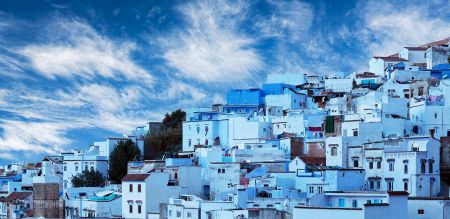
Chefchaouen is a city with blue and white lime-washed houses. A powerful charm that you really can feel in the Outa-el-Hammam square, in the cobblestone medina. Read More!
Essaouira is one of the most charming cities in Morocco. Know more about this City with Memphis Tours.
Nestled in Morocco's Middle Atlas, Ifrane - the "Little Switzerland of Africa" - beckons with its Alpine charm, lush forests, and crisp mountain air, offering a refreshing escape between the ancient wonders of Fez and Marrakech. Read More!
Marrakech: A sensory feast where ancient medinas, bustling souks, and majestic palaces paint a vibrant tableau of Moroccan culture, inviting you to lose yourself in its timeless magic!
Nestled amidst picturesque walking trails, Tinghir beckons adventurers with its irresistible charm, offering a tapestry of experiences that unfold whether you're embarking on a whirlwind day trip or savoring a leisurely multi-night sojourn in this captivating Moroccan gem.
Ouarzazate has been unfailingly linked with cinema since 1984. it has remarkable examples of traditional architecture give a foretaste of the famous Route of the 1000 kasbahs.
Rabat Morocco, a city where time dances to its rhythm, invites you to lose yourself in fragrant gardens, stroll along sun-dappled promenades, and immerse your senses in a kaleidoscope of festivals that paint the grand avenues with joy and laughter!
Nestled between the majestic Middle and High Atlas mountains, Midelt beckons adventurers with its breathtaking landscapes, where nature's grand canvas unfolds in a symphony of rugged peaks and verdant valleys, inviting you to lose yourself in Morocco's hidden gem!
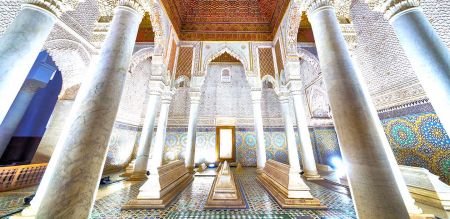
Saadian Tombs, The royal cemetery of Al-Saadian family who ruled Morocco from 1546-1659. The mausoleum is comprising about 60 gravestones for Saadian members divided into 3 main chambers.
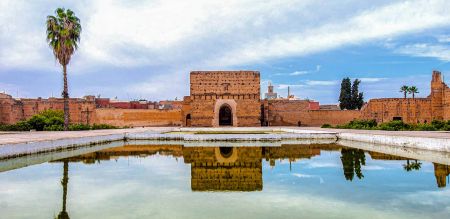
Among various things to do in Morocco El Badi Palace, was built for the Saadian Sultan Ahmed al-Mansour Dhabi in Marrakesh following the same Muslim-Morrocan style of architecture.
Skoura, one of Morocco’s beautiful oases, is located near Ouarzazate near the Atlas Mountains. The city offers its visitors the chance to rest and relax within its charming nature. Know more!
Saidia, Morocco's "Blue Pearl," beckons with its sun-kissed Mediterranean shores, where golden sands stretch for miles, inviting you to lose yourself in a paradise of azure waters, vibrant culture, and endless summer dreams!
Know more about Oujda Morocco, the largest city. It lies in the extreme northeast of Morocco, near the Moroccan-Algerian border.
Agadir is the leading seaside resort in Morocco deserves its title. A 10km-long beach of fine sand and more than 300 days of sunshine a year.
Ait Benhaddou, a UNESCO World Heritage Site in Morocco, is a stunning fortified village renowned for its ancient mud-brick architecture, rich history, and iconic role in numerous films and TV shows!
Tetouan, a charming Hispano-Mauresque town, plays on the mixture of cultures whilst remaining guardian and shopwindow for its most beautiful traditions.
Dive in the heart of the Kingdom Morocco, Beni Mellal, boarded by Er Rachidia from the east, Khouribga in the west, Meknes and Boulemane on the north, Azilal and el Kelaa des Srarhna in the south. Know more!
Taroudant, often called "Little Marrakech," is a historic Moroccan city renowned for its ancient ramparts, vibrant souks, and authentic charm, offering a tranquil escape in the Souss Valley.
The calm coastal Sidi Ifni is grounded over the Fishing activities by its inhabitants' hands who are the Shilha of the Ait Baamrane tribe dwelling the city of Sidi Ifni and its surroundings. Read more!
Khamlia Village, known as the "Gateway to the Desert," is a charming Berber village in Morocco famous for its Gnawa music, rich cultural heritage, and warm hospitality.
Although Zagora, dating back to the 13th century, lacks major architectural monuments, it remains an intriguing destination for exploring southeastern Morocco!
Imlil, Morocco, is a perfect place to escape into the Atlas Mountains. Compared to Marrakech, the region of Imlil is cooler and more tranquil. Know more!