Meknes Morocco: Your Essential Guide to the Sultan's City
Meknes, Morocco guide: explore Bab Mansour gate, Sultan's mausoleum, ancient souks, and Volubilis Roman ruins. Morocco's hidden imperial treasure!

Meknes, Morocco guide: explore Bab Mansour gate, Sultan's mausoleum, ancient souks, and Volubilis Roman ruins. Morocco's hidden imperial treasure!
#The Legacy of Sultan Moulay Ismail
#Planning Your Visit to Meknes
Picture a city where cobblestone streets whisper tales of sultanic grandeur, where massive gates frame centuries of Moroccan history. Meknes emerges as Morocco's fourth imperial jewel, its foundations rooted deep within the 11th century when Almoravid forces first established this strategic military outpost. Today's census figures reveal a thriving metropolis of 551,503 inhabitants, securing Meknes its position as Morocco's sixth-largest urban center.
The city's golden chapter unfolded under Sultan Moulay Ismaïl's extraordinary reign from 1672 to 1727, when this once modest settlement blossomed into Morocco's beating heart. His ambitious vision birthed a Spanish-Moorish masterpiece, where towering ramparts embrace ornate gateways that still command awe three centuries later. Geography places this imperial treasure strategically within northern-central Morocco, nestled precisely between Rabat and Fèz, with the ancient scholarly city of Fèz lying just 60 kilometers eastward.
While fellow imperial cities draw massive crowds, Meknes guards its authentic character more quietly, offering discerning travelers extraordinary monuments, bustling medina life, and evening entertainment that pulses through the city center. This guide unveils every facet of this remarkable destination, from palace ruins that echo with sultanic memories to practical wisdom that ensures your journey unfolds seamlessly.
Yes, Meknes is worth visiting! You'll discover one of Morocco's four imperial cities with fewer crowds than Marrakech or Fes. Highlights include the magnificent Bab Mansour gate, Royal Stables that housed 12,000 horses, and nearby Volubilis Roman ruins. You can explore this UNESCO city in 1-2 days, making it perfect for your Morocco itinerary.
Meknes is famous for being Morocco's 17th-century imperial capital under Sultan Moulay Ismail. You'll find it renowned for Bab Mansour (North Africa's most ornate gate), massive Royal Stables, underground granaries, proximity to Volubilis Roman ruins (30km away), and authentic medina souks with less tourist pressure than other cities.
History rarely witnesses such a dramatic urban metamorphosis as Sultan Moulay Ismail achieved during his remarkable 55-year reign. This young ruler, ascending the throne at merely 26 years old in 1672, harbored extraordinary ambitions that would ultimately bestow upon Meknes its prestigious title as the "Versailles of Morocco".
Meknes had languished under various dynasties for centuries, never quite achieving prominence despite steady growth. The city's fortune shifted dramatically when Moulay Ismail, then serving as governor under his brother Sultan Moulay Rashid, developed a profound attachment to this particular settlement. The moment he claimed the sultanate, his first decisive act designated Meknes as Morocco's new capital, instantly elevating its status.
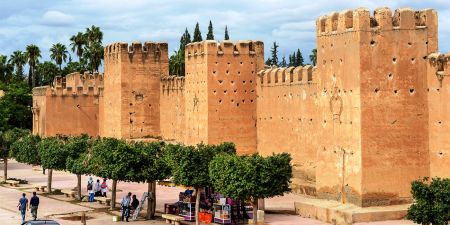
What followed represents one of history's most ambitious urban planning projects. Across five and a half decades, Ismail orchestrated construction endeavors that completely reimagined the cityscape. His master plan included a formidable citadel, elaborate palace networks, and an astounding 40-kilometer wall system punctuated by nine magnificent gateways that continue to dominate the horizon today. The sultan's meticulous attention extended to the existing medina, where he reinforced defensive walls and erected spectacular new entrances, including the renowned Bab Berda'in and Bab Khemis.
The imperial quarter, designated Dar el-Kebira, sprawled across an impressive 45-hectare expanse. This colossal undertaking demanded an enormous workforce ranging from 25,000 to 55,000 individuals a mix of compensated craftsmen and Christian prisoners of war. The resulting complex wove together multiple palaces within protective ramparts and meticulously planned gardens.
The crown jewel emerged as the Dar al-Mehencha, known as the Serpentine Palace, constructed on a magnificent rectangular foundation measuring 400 meters by 240 meters. Royal chambers within showcased the pinnacle of Moroccan artistry: intricate zellige tilework, masterfully carved plaster, and exquisitely painted wooden surfaces. Six extensive gardens stretched from east to west around the palace, with the arset ar-rkham, the marble garden, representing the most elaborate of these botanical masterpieces.
The sultan's capital selection reflected sophisticated strategic thinking rather than mere personal preference. Earlier campaigns to reclaim both Fez and Marrakesh from rival factions had demanded considerable military effort, creating lingering doubts about their reliability as centers of power.
Practical considerations further influenced his choice. Fes housed military units loyal to the previous sultan, while Moulay Ismail was simultaneously building his distinctive Black Guard, an elite slave army answering directly to him. Establishing his court at Meknes effectively distanced him from established power brokers, creating space to cultivate his own loyal administration.
External threats also shaped this decision. Ottoman forces posed increasing dangers from Algeria, while tribal unrest plagued various regions. Meknes offered superior defensive advantages compared to Fez, positioned further west from potential attackers. The location's central position within Morocco provided optimal command over territories extending in every direction, ensuring effective governance across the expanding sultanate.
You need 1-2 days in Meknes. One day covers Bab Mansour gate, Royal Stables, Moulay Ismail Mausoleum, and medina souks. Two days lets you add a half-day trip to nearby Volubilis ruins. Many travelers visit as a day trip from Fes (1 hour away) or overnight stop between Fes and Chefchaouen.
Meknes has strong Amazigh (Berber) roots, though it's more Arab-influenced as an imperial city. The surrounding region has a significant Amazigh population, especially in the nearby Middle Atlas Mountains. You'll find Amazigh culture influences local crafts and traditions, reflecting Morocco's blend of Berber, Arab, and Andalusian heritage.
Meknes reveals its imperial secrets through monuments that span centuries, underground chambers that spark imagination, and markets where authentic Morocco thrives. Each destination tells a distinct chapter of this remarkable city's story.
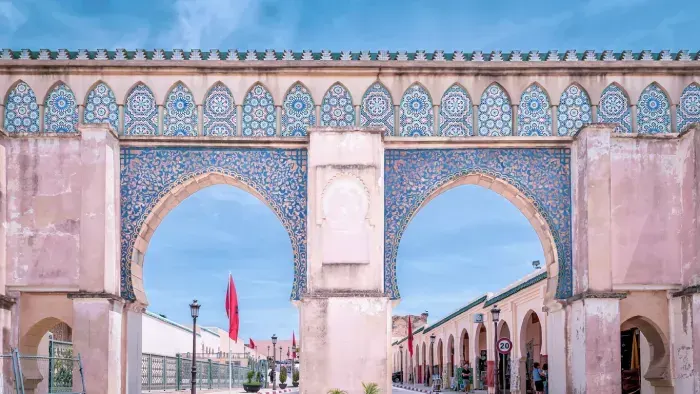
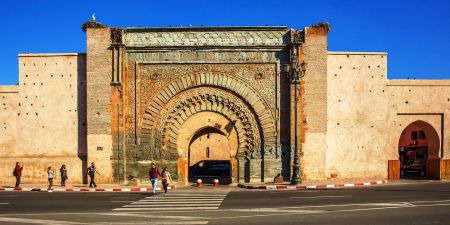
Bab Mansour commands attention from Place el-Hedim's southern edge, earning recognition as North Africa's most magnificent surviving gateway. Sultan Moulay Abdallah completed this ceremonial masterpiece in 1732, adorning it with intricate zellige tilework, marble columns salvaged from ancient Volubilis, and flowing Arabic calligraphy. The gateway bears its own poetic declaration: "I am the most beautiful gate in Morocco. I'm like the moon in the sky". Visitors enter through a smaller adjacent gate rather than the grand portal itself, offering unobstructed views of this architectural triumph.
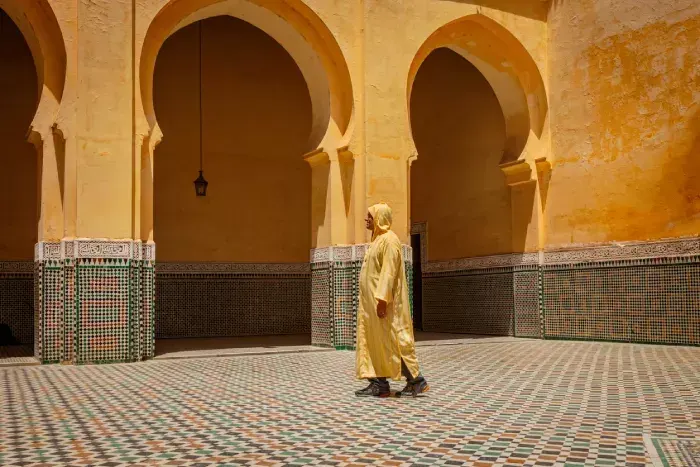
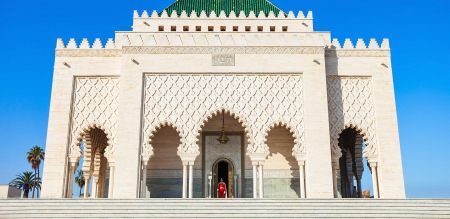
The final resting place of the sultan who shaped Meknes awaits beyond interconnected courtyards that build anticipation with each step. The tomb chamber showcases twelve marble columns rising beneath elaborate zellige patterns and carved stucco details. Two grandfather clocks—diplomatic gifts from France's King Louis XIV mark time within these sacred walls. Non-Muslim visitors may explore the outer courtyards and tomb hall, though modest dress and shoe removal show proper respect. Offering a small gratuity (1-2 DH) to the guardian follows local custom.
This animated square pulses at the medina's center, born from Moulay Ismail's urban planning when he cleared residential quarters to create a royal processional route. Evening hours awaken the square's true character as street performers, food vendors, musicians, and local families create a spontaneous festival atmosphere. Though more intimate than Marrakech's overwhelming Jemaa el Fna, it delivers equally authentic Moroccan street life.
Morocco's artistic mastery finds perfect expression within this 1358 Islamic school, where every surface demonstrates exceptional craftsmanship. The central courtyard dazzles with zellige tilework, carved stucco reliefs, and wooden mashrabiya screens that filter light into geometric patterns. Former student chambers ring the courtyard, their sparse furnishings reflecting scholarly dedication. The rooftop terrace rewards climbers with sweeping medina panoramas. This monument balances religious devotion with educational purpose.
These imposing ruins dispel common misconceptions that they stored grain for the imperial city, not horses, as many believe. The structure spans 182 by 104 meters through 22 rows of massive arches. Clever engineering included underground cisterns that maintained cool temperatures, essential for preserving food stores. The 1755 Lisbon earthquake claimed the wooden roof beams, leaving behind a haunting stone forest of arches.
The Jamaï family's 1882 palace houses Morocco's traditional arts in surroundings as remarkable as the collection itself. Displays include ceramics, woodwork, embroidery, carpets, and jewelry representing centuries of Moroccan artistry. The palace architecture features an Andalusian garden, painted wood ceilings, and sculpted plaster that demonstrate aristocratic tastes. The upstairs harem quarters, arranged with rugs and cushions, offer glimpses into private family life.
Meknes markets maintain an authentic character absent from tourist-focused bazaars elsewhere. Souk Nejarine specializes in textiles, Souk Sebbat offers traditional crafts and clothing, while Souk Lahdim presents Morocco's finest olives. Narrow passages shelter artisans practicing skills passed through generations. Prices here often prove more reasonable than similar goods in heavily visited destinations.
This mysterious subterranean complex ranks among Meknes' most intriguing sites. Popular legends describe it as a prison housing thousands, though scholars identify it as likely storage space for the royal complex. Three accessible chambers feature massive supporting pillars. The maze-like layout has inspired countless stories, including tales of explorers who vanished within its depths. Located within the Ismaili Qasba, stone steps descend into these atmospheric vaulted spaces.
Moroccan Berbers (Amazigh) have diverse skin tones ranging from light to dark brown, not "white" in the European sense. You'll notice appearance varies by region—lighter in northern mountains, darker in southern areas. Berbers are indigenous North Africans with their own ethnic identity, separate from Arab or European classifications.
You say "Azul" (ah-ZOOL) for hello in Amazigh (Berber). You might also hear "Azul fellak" (to a man) or "Azul fellam" (to a woman). However, most Moroccans in Meknes speak Arabic, so you'll commonly use "Salam alaykum." Learning "Azul" shows respect for Amazigh culture.
Get in touch with our local experts for an unforgettable journey.
Plan Your Trip
The art of experiencing Meknes lies in timing, preparation, and understanding the rhythms that govern this imperial treasure. Smart planning transforms a good visit into an extraordinary encounter with Morocco's sultanic heritage.
Meknes reveals different personalities across the seasons, each offering distinct rewards. The sweet spot spans March through October, with April, May, June, September, and October delivering particularly gracious weather conditions. The city's Mediterranean climate carries continental whispers. Winters bring refreshing coolness while summers pulse with dry, intense heat. December presents an intriguing paradox: mild winter days paired with dramatically fewer visitors, creating an intimate dialogue between you and the ancient monuments.
Morocco's railway arteries and road networks flow naturally toward Meknes, making arrival surprisingly effortless. The scenic journey from Fes unfolds in just 45 minutes by train (18-26dh) or stretches to one hour via CTM bus (25 MAD). Casablanca is approximately three hours of railway travel (86-128dh). Longer pilgrimages from Marrakech require eight hours by bus (140-160dh), while the northern port of Tangier demands six hours of travel (95-105dh).
Meknes guards a delightful secret: authentic riads at prices that would astonish visitors to other imperial cities. Traditional courtyard houses here maintain their soul without the inflated costs found elsewhere. Riad Dar Meknes Tresor exemplifies this advantage, featuring elegant chambers and a rooftop terrace where evenings unfold under starlit skies. Budget-conscious explorers discover gems like Maison Olga nestled within the old Medina, where generous rooms and memorable morning meals create lasting impressions.
Meknes' culinary landscape rewards those who seek beyond the obvious. Riad d'Or crafts seasonal symphonies featuring the freshest tagines and perfectly steamed couscous. Le Collier de la Colombe elevates dining to an art form, its rooftop perch offering breathtaking city panoramas alongside exceptional cuisine. Restaurant Salma provides a different kind of magic, unpretentious yet authentic, where traditional tagines, local olives, and warm bread often accompany the unexpected pleasure of live organ melodies.
Meknes is generally safe at night, safer than Marrakech or Casablanca. You can walk well-lit main streets with normal precautions, but avoid poorly lit medina alleyways after dark. Solo female travelers might experience more attention at night, so consider taxis after 9 pm. Keep valuables secure in crowded areas.
Morocco is generally better for safety, tourism infrastructure, and hassle-free travel. You'll find lower crime rates, more stable conditions, and less aggressive vendors. Morocco offers diverse landscapes (imperial cities, Sahara, Atlas Mountains, coasts), while Egypt focuses on ancient monuments. Choose Morocco for varied experiences and better food, Egypt for pyramids and pharaonic history.
The countryside surrounding Meknes harbors two exceptional destinations that illuminate different chapters of Morocco's rich and multifaceted past. These archaeological and spiritual sites present fascinating contrasts to the imperial splendor you've already encountered.
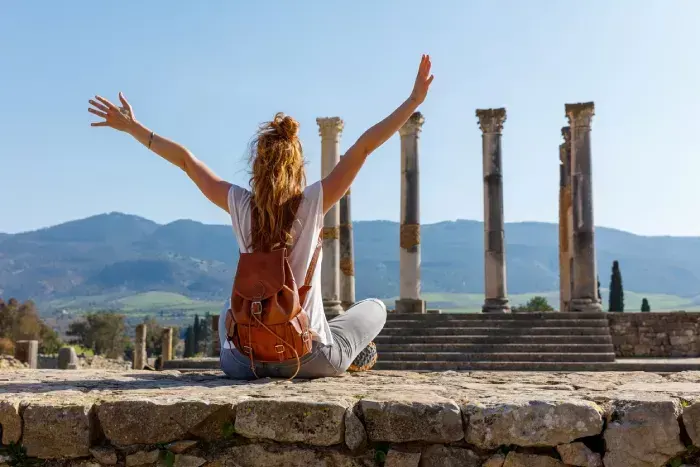
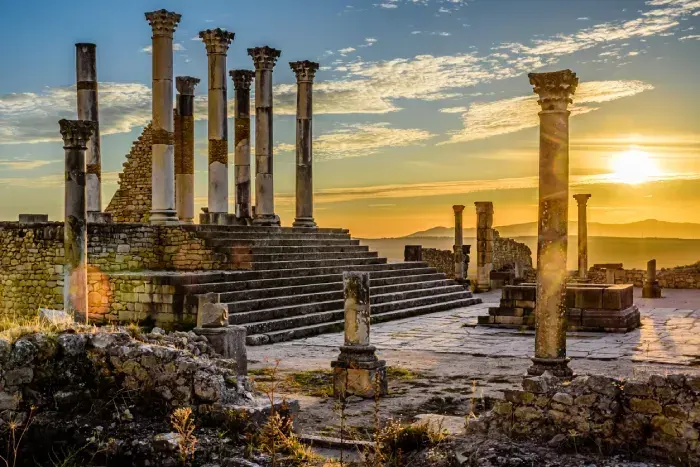
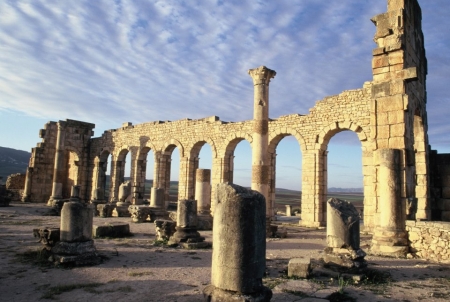
Morocco's premier archaeological treasure lies just 33 kilometers from Meknes, where Volubilis spreads across ancient foundations that span over two millennia. This UNESCO World Heritage Site encompasses 42 hectares, encircled by a 2.6-kilometer circuit of weathered defensive walls. Archaeological evidence reveals the site's evolution from a modest 3rd-century BC Berber settlement into a flourishing Roman municipium that once commanded significant regional influence.
What captivates modern visitors most are the extraordinary floor mosaics that remain embedded in their original positions, their colors still vivid after centuries of North African sun. The House of Orpheus, the House of the Athlete, and the House of the Labors of Hercules each showcase masterful Roman artistry that rivals any other Mediterranean site. Dominating the archaeological landscape, the imposing Arch of Caracalla stands alongside the remnants of the basilica and Temple of Jupiter. Budget approximately two hours for a thorough exploration, with entrance fees set at 70 MAD.
Perched dramatically against the slopes of Zerhoun mountain, this sacred settlement rests just 27 kilometers from Meknes, carrying profound spiritual weight throughout the Islamic world. The town honors Morocco's most revered saint, Moulay Idriss, who descended directly from Prophet Muhammad and established Morocco's first independent Islamic state in 789 AD. Islamic tradition holds that six pilgrimages to this holy site equal one hajj to Mecca, underlining its extraordinary religious significance.
Each August, thousands of faithful gather here for a major religious festival that transforms the quiet hillside community. The town achieved UNESCO Tentative World Heritage status in 1995, though non-Muslim visitors couldn't stay overnight until 2005. Climbing the winding paths above the medina rewards visitors with sweeping panoramic vistas that encompass the entire white-washed settlement.
Smart geography places these two sites merely 5 kilometers apart, making a combined visit both practical and rewarding. Public transportation connects Meknes to Moulay Idriss via bus #15, departing from the station near the French Institute for just 7 MAD one-way. Once you've explored the holy town, the short distance to Volubilis allows for either a pleasant walk or a quick hitchhike. Private car hire with a driver costs approximately 350 MAD for the full day. Shared taxis provide convenient round-trip service to both destinations for around 100 MAD.
Early departure proves essential, particularly during warmer months when Volubilis offers little shade protection across its exposed archaeological terrain. The ideal itinerary begins with a morning exploration of Moulay Idriss before proceeding to Volubilis, ensuring your return to Meknes by late afternoon.
Morocco's Sultan City reveals itself as an extraordinary chapter in the kingdom's imperial story. This journey through Meknes has illuminated how a visionary ruler's ambitions birthed the "Versailles of Morocco" from humble Almoravid origins. Where other imperial destinations buckle under tourist weight, Meknes maintains its dignified character while offering experiences that match any Moroccan marvel.
Stone archways frame centuries of craftsmanship as you traverse monumental gateways, descend into mysterious underground chambers, and stand before architectural wonders like Bab Mansour's triumphant facade and Sultan Moulay Ismail's sacred resting place. Place el-Hedim pulses with genuine Moroccan rhythms, free from the cacophony that overwhelms visitors elsewhere.
Volubilis and Moulay Idriss Zerhoun extend your historical exploration remarkably. Roman mosaics and Islamic pilgrimage sites lie mere kilometers apart, positioning Meknes perfectly for northern Morocco's treasures. Weather patterns favor spring and autumn visits, though December's quieter months offer intimate encounters with the city's monuments.
Accommodation costs here astonish travelers familiar with Marrakech or Fez pricing, whether you select traditional riads or modest guesthouses. This imperial city rewards curious souls who seek Morocco beyond its celebrity destinations. Authenticity permeates every Medina corner, connecting modern wanderers directly to sultanic splendor while ensuring contemporary comfort.
Meknes claims its rightful place among Morocco's essential destinations as a perfect synthesis of historical magnificence, cultural depth, and welcoming accessibility that enriches any Moroccan adventure.
Q1. Is Meknes worth including in a Moroccan itinerary?
Absolutely! Meknes offers a unique blend of historical grandeur and authentic Moroccan culture. With its impressive collection of historic sites, including the magnificent Bab Mansour gate and the Mausoleum of Moulay Ismail, Meknes provides a rich experience without the overwhelming crowds found in other imperial cities.
Q2: What's the best time to visit Meknes?
Spring (March–May) and autumn (September–November) offer pleasant weather, ideal for exploring the medina, gates, and gardens.
Q3: What are the must-see attractions in Meknes?
Highlights include Bab Mansour, the Mausoleum of Moulay Ismail, Heri es-Souani, the medina, and Place el-Hedim.
Q4: How does Meknes compare to other imperial cities?
Meknes is quieter and more laid-back than Marrakech or Fez, but still full of palaces, souks, and history without the big crowds.
Q5: What local dishes should I try in Meknes?
Try harira soup, the local pastry Versailles, fresh khobz bread, and wines from the Guerrouane region.
Q6: Are there day trips from Meknes?
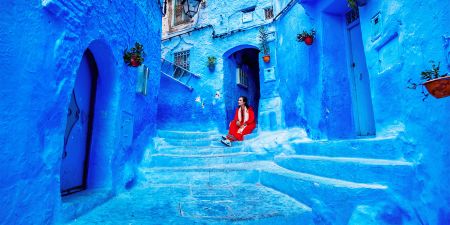
Yes! Visit Volubilis ruins, Fez, the blue town of Chefchaouen, or the Middle Atlas mountains.
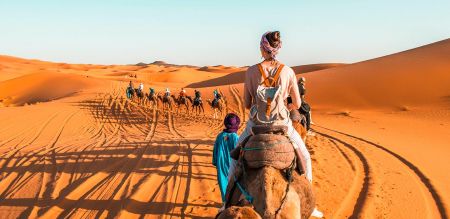
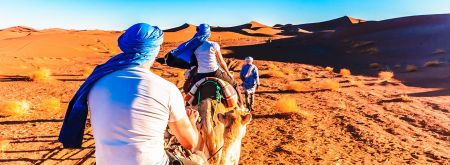
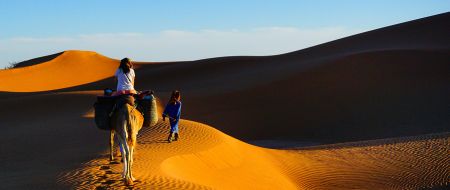
Merzouga is a small desert village in southeastern Morocco, at the edge of the Erg Chebbi dunes, the country's main gateway to the Sahara. This guide covers what to do in Merzouga, from sunset camel treks and overnight desert camps to sandboarding, 4x4 tours, and stargazing, plus how to get there from Marrakech and Fes and the best time to visit.
North Africa as well as giving a different experience than the heart of the senior continent. Visiting Morocco, Tunisia, Algeria is different from South Africa, Kenya, Uganda, and more.
Mhamid city is authentic where you can find knowledgeable locals proudly talk about its history besides sharing interesting facts!
Explore the site where visitors are drawn to Azrou for monkeys and fragrant cedar forest trails as well. Read more!
Rissani is a great spot where you can enjoy the local life of its people besides having walks in its narrow yet beautiful alleys. Read more!
Casablanca's architectural soul dances between Art Deco elegance and Moroccan tradition, from its bustling city center to the enchanting Habous district - a modern medina that beautifully marries age-old charm with contemporary living, showcasing Morocco's timeless ability to adapt and inspire. Read More!
The entire Medina has been designated a Unesco World Heritage of Humanity Site. Wander through its souks and alleys which are unchanged since the Middle Ages. Read more!
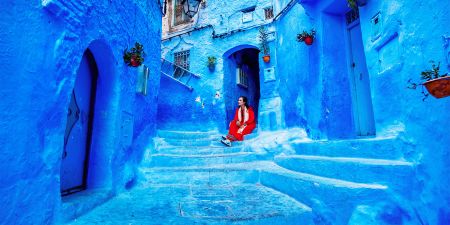
Chefchaouen is a city with blue and white lime-washed houses. A powerful charm that you really can feel in the Outa-el-Hammam square, in the cobblestone medina. Read More!
Essaouira is one of the most charming cities in Morocco. Know more about this City with Memphis Tours.
Nestled in Morocco's Middle Atlas, Ifrane - the "Little Switzerland of Africa" - beckons with its Alpine charm, lush forests, and crisp mountain air, offering a refreshing escape between the ancient wonders of Fez and Marrakech. Read More!
Marrakech: A sensory feast where ancient medinas, bustling souks, and majestic palaces paint a vibrant tableau of Moroccan culture, inviting you to lose yourself in its timeless magic!
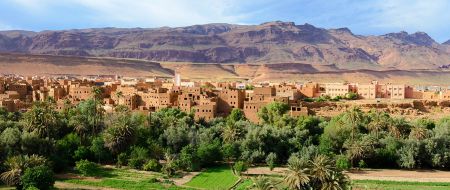
Nestled amidst picturesque walking trails, Tinghir beckons adventurers with its irresistible charm, offering a tapestry of experiences that unfold whether you're embarking on a whirlwind day trip or savoring a leisurely multi-night sojourn in this captivating Moroccan gem.
Ouarzazate has been unfailingly linked with cinema since 1984. it has remarkable examples of traditional architecture give a foretaste of the famous Route of the 1000 kasbahs.
Rabat Morocco, a city where time dances to its rhythm, invites you to lose yourself in fragrant gardens, stroll along sun-dappled promenades, and immerse your senses in a kaleidoscope of festivals that paint the grand avenues with joy and laughter!
Nestled between the majestic Middle and High Atlas mountains, Midelt beckons adventurers with its breathtaking landscapes, where nature's grand canvas unfolds in a symphony of rugged peaks and verdant valleys, inviting you to lose yourself in Morocco's hidden gem!
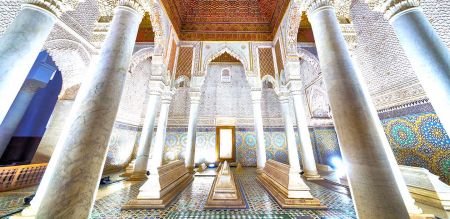
Saadian Tombs, The royal cemetery of Al-Saadian family who ruled Morocco from 1546-1659. The mausoleum is comprising about 60 gravestones for Saadian members divided into 3 main chambers.
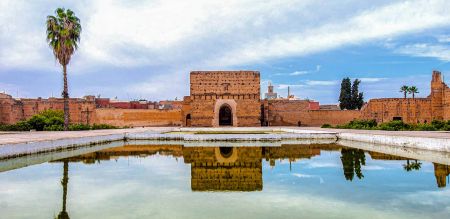
Among various things to do in Morocco El Badi Palace, was built for the Saadian Sultan Ahmed al-Mansour Dhabi in Marrakesh following the same Muslim-Morrocan style of architecture.
Skoura, one of Morocco’s beautiful oases, is located near Ouarzazate near the Atlas Mountains. The city offers its visitors the chance to rest and relax within its charming nature. Know more!
Saidia, Morocco's "Blue Pearl," beckons with its sun-kissed Mediterranean shores, where golden sands stretch for miles, inviting you to lose yourself in a paradise of azure waters, vibrant culture, and endless summer dreams!
Know more about Oujda Morocco, the largest city. It lies in the extreme northeast of Morocco, near the Moroccan-Algerian border.
Agadir is the leading seaside resort in Morocco deserves its title. A 10km-long beach of fine sand and more than 300 days of sunshine a year.
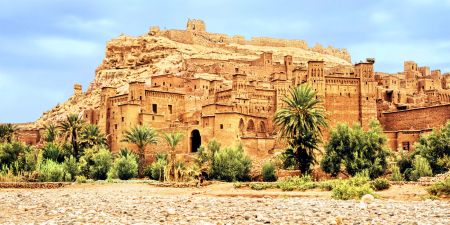
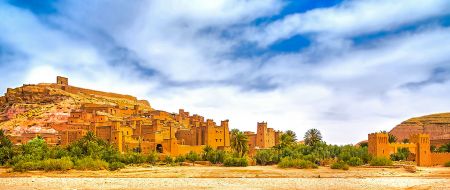
Ait Benhaddou, a UNESCO World Heritage Site in Morocco, is a stunning fortified village renowned for its ancient mud-brick architecture, rich history, and iconic role in numerous films and TV shows!
Tetouan, a charming Hispano-Mauresque town, plays on the mixture of cultures whilst remaining guardian and shopwindow for its most beautiful traditions.
Dive in the heart of the Kingdom Morocco, Beni Mellal, boarded by Er Rachidia from the east, Khouribga in the west, Meknes and Boulemane on the north, Azilal and el Kelaa des Srarhna in the south. Know more!
Taroudant, often called "Little Marrakech," is a historic Moroccan city renowned for its ancient ramparts, vibrant souks, and authentic charm, offering a tranquil escape in the Souss Valley.
The calm coastal Sidi Ifni is grounded over the Fishing activities by its inhabitants' hands who are the Shilha of the Ait Baamrane tribe dwelling the city of Sidi Ifni and its surroundings. Read more!
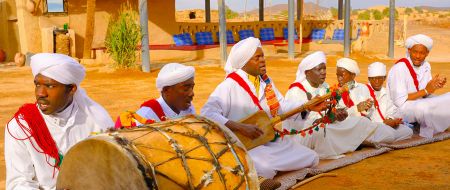
Khamlia Village, known as the "Gateway to the Desert," is a charming Berber village in Morocco famous for its Gnawa music, rich cultural heritage, and warm hospitality.
Although Zagora, dating back to the 13th century, lacks major architectural monuments, it remains an intriguing destination for exploring southeastern Morocco!
Imlil, Morocco, is a perfect place to escape into the Atlas Mountains. Compared to Marrakech, the region of Imlil is cooler and more tranquil. Know more!