Table of Contents:
#Best Time to Visit Morocco by Travel Style
#Top Seasons for Popular Activities
#When to Visit Morocco's Top Destinations
#Weather, Packing Tips, and Local Etiquette
#FAQs
Morocco's ancient allure beckons travelers year-round; however, the kingdom's diverse climate requires strategic planning for an optimal experience. The difference between a memorable journey through bustling medinas and challenging encounters with harsh weather conditions often hinges on selecting the appropriate season for your visit.
The North African kingdom reveals its most welcoming character during spring (mid-March to May) and fall (September to October), when temperate conditions create ideal circumstances for exploration. These transitional months shield visitors from the punishing desert temperatures that frequently exceed 110°F during summer while avoiding winter's occasionally bitter conditions. September emerges as particularly favorable, offering exceptional weather conditions alongside reduced tourist presence. Activity preferences, however, dictate more nuanced timing considerations. Mountain enthusiasts discover prime hiking conditions throughout spring and autumn (March to May and September to November) when the Atlas ranges provide comfortable trekking weather. Desert explorers, meanwhile, find their optimal window extends from October through April.
This detailed exploration examines Morocco's seasonal characteristics through multiple lenses: travel preferences, regional activities, and destination-specific timing. Our analysis encompasses insights into weather patterns, essential preparation strategies, and cultural awareness factors that contribute to extraordinary Moroccan experiences.
Morocco's seasonal variations accommodate distinct traveler preferences, each requiring specific timing considerations for optimal experiences. Understanding your travel priorities enables precise seasonal selection for maximum enjoyment.
For first-time visitors
Newcomers to Morocco benefit most from spring (April-May) or fall (September-October) visits when favorable weather conditions prevail across all regions. These periods deliver comfortable temperatures between 68-77°F, enabling exploration of Morocco's varied landscapes without weather-related challenges. Such moderate conditions establish ideal circumstances for experiencing imperial cities alongside mountain panoramas while maintaining consistent comfort levels.
For cultural immersion
Authentic cultural experiences often coincide with Morocco's sacred observances, particularly Ramadan. Although this period requires additional logistical considerations, visitors gain unprecedented access to genuine Moroccan spiritual traditions. Regional festivals present equally valuable cultural windows, offering encounters with traditional music, dance, and ceremonial celebrations typically unavailable during standard tourist seasons.
For desert adventures
Saharan expeditions require precise seasonal planning. October through April establishes the preferred timeframe for desert exploration, featuring manageable daytime temperatures between 68-86°F. Winter months (December-February) present particularly enchanting desert conditions with pleasant days and cool evenings occasionally approaching freezing temperatures—exceptional circumstances for astronomical observations. Summer months (June-August) prove prohibitive due to temperatures exceeding 113°F, rendering outdoor activities impractical.
For budget travelers
Economic considerations favor September and November for flight arrangements, offering potential savings reaching 14% below annual averages. Tuesday departures frequently provide additional fare reductions. Accommodation costs fluctuate regionally: October presents optimal rates along Essaouira's coast, while May delivers the lowest pricing near Saharan destinations. Early December emerges as another favorable period for overall expense management.
For photography lovers
Visual artists discover exceptional opportunities during spring (March-May) and fall (September-November), when moderate temperatures combine with superior lighting conditions and reduced tourist interference. Spring months feature outstanding light quality complemented by blooming wildflower landscapes, while autumn provides warm, golden illumination that enhances Morocco's distinctive earth-toned architecture. Desert photography requires attention to golden hour timing, immediately following sunrise or preceding sunset, when soft lighting conditions transform standard scenes into extraordinary visual compositions.
Plan your dream trip today with our exclusive Morocco travel packages. Discover the best time to visit and experience Morocco at its finest.
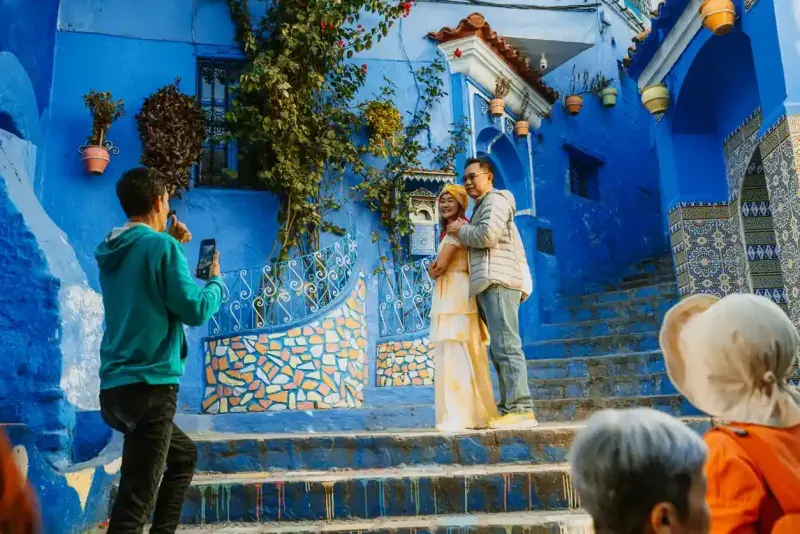
Couple Posing in Chefchaouen's Iconic Blue Streets
Morocco's varied topography creates distinct seasonal windows for specific pursuits, each activity finding its natural rhythm within the kingdom's climatic cycles.
Hiking and trekking in the Atlas Mountains
September and October emerge as exceptional months for mountain exploration, when summer's intensity yields to refreshing alpine conditions. Spring months (March to May) reward trekkers with verdant mountain landscapes and moderate temperatures perfect for extended excursions. Summer hiking requires careful consideration—early morning departures become essential as midday heat renders longer trails challenging. Autumn nights in the High Atlas demand proper insulation as temperatures drop significantly after sunset. December presents excellent opportunities for experienced mountaineers, though nighttime cold requires thorough preparation.
Exploring cities and medinas
October provides the quintessential urban exploration experience, delivering comfortable temperatures that avoid both winter's occasional chill and summer's intense heat. The shoulder seasons of spring (March-May) and autumn (September-November) create optimal conditions for meandering through historic medina quarters. Winter months (December-February) offer rewarding city exploration despite intermittent cool, wet periods.
Beach and water sports
Morocco's Atlantic coastline reaches its peak during the summer months (June-August), when coastal activities flourish. Essaouira particularly shines during this period, maintaining more moderate temperatures compared to inland regions. Surfing enthusiasts, however, await winter's arrival (December-February) when Atlantic swells generate the most consistent waves along spots like Taghazout and other western coastal locations. Kitesurfing conditions peak from April through September, coinciding with the season's reliable high-wind patterns.
Skiing and snowboarding
Morocco's unexpected winter sports scene unfolds from December through March. Oukaïmeden ski resort, situated merely 80 kilometers from Marrakech, accommodates various skill levels across its mountain slopes. January and February typically deliver optimal snow conditions for winter sports enthusiasts. Daily lift passes remain remarkably affordable at €20, making mountain skiing accessible throughout the winter season.
Camel rides and desert camping
Desert adventures find their sweet spot during spring (March-May) and autumn (September-November), when Saharan conditions become most hospitable. These seasons sidestep summer's extreme temperatures that frequently surpass 40°C. Winter months (December-February) surprisingly accommodate desert exploration, though travelers must prepare for stark temperature contrasts between day and night. November specifically delivers excellent conditions for camel expeditions, hiking, and overnight camping, provided adequate warm clothing accompanies travelers after sunset.
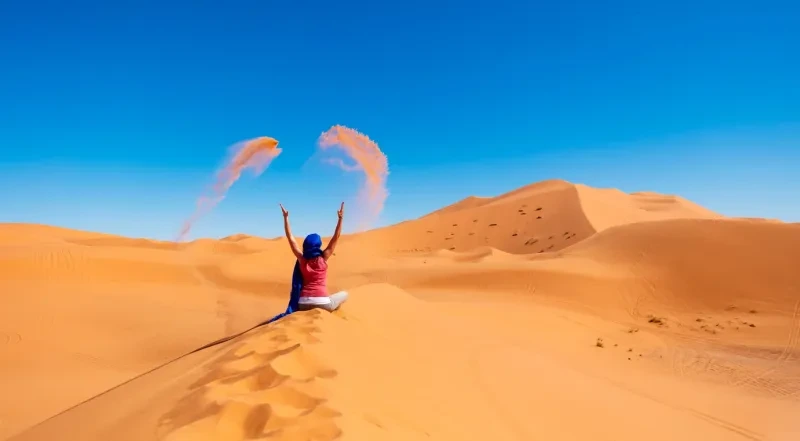
Woman in the desert threw sand- Morocco
Customize Your Dream Vacation!
Get in touch with our local experts for an unforgettable journey.
Plan Your Trip
Morocco's regional diversity creates distinct seasonal experiences across the kingdom's most celebrated locations, each offering unique advantages depending on timing considerations.
The imperial cities reveal their full splendor during spring (March-May) and fall (September-November) when atmospheric temperatures hover in comfortable ranges. Summer months, particularly July and August, present challenging conditions as temperatures frequently exceed 100°F, rendering extensive medina exploration taxing. Winter months, however, reward visitors with reduced crowds and agreeable temperatures that encourage unhurried wandering through labyrinthine medina passages and historical monuments.
Morocco's celebrated "Blue City" reaches peak beauty from April through June, when mountain slopes burst with seasonal wildflowers, creating striking contrasts against Chefchaouen's signature azure-painted architecture. October and November equally reward visitors with crystalline mountain air and warm, golden illumination that photographers find particularly appealing for capturing the town's distinctive character.
Essaouira and the Atlantic Coast
Atlantic coastal influences grant Essaouira remarkably stable temperatures throughout the year, distinguishing it from Morocco's interior regions. April through October deliver optimal beach conditions, though June to August introduces powerful coastal winds that create exceptional windsurfing opportunities while potentially complicating traditional seaside relaxation.
Merzouga and the Sahara
Desert experiences flourish from October through April when daytime conditions remain tolerable for extended exploration. Winter months of January and February present the Sahara in magnificent splendor, offering warm daylight hours contrasted with surprisingly frigid nighttime temperatures. These cooler months produce extraordinary sunrise and sunset displays across the undulating dune landscapes.
Morocco's cosmopolitan coastal centers maintain their most welcoming conditions from April through October. Summer months benefit from moderating oceanic breezes that temper the intensity experienced in landlocked regions. Winter occasionally brings precipitation, yet this period offers authentic local experiences with significantly fewer visitors at major cultural sites.
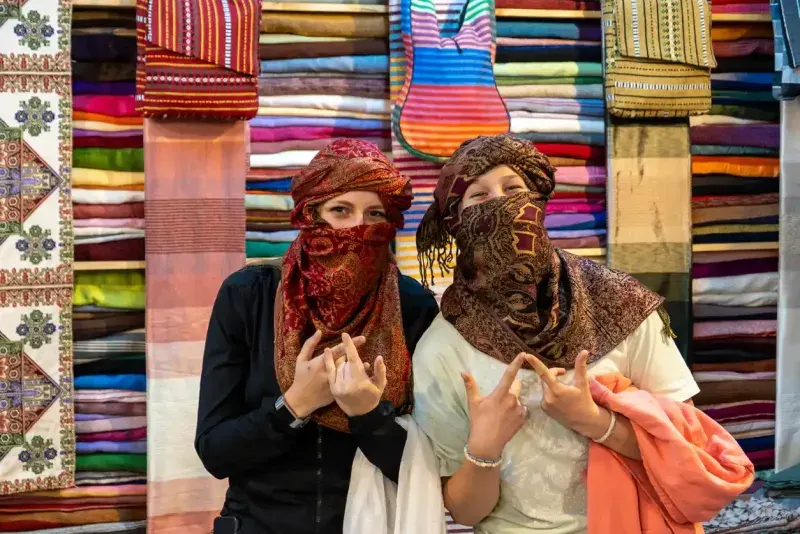
Shopping in the media of Fez
Successful Moroccan exploration demands thorough preparation that accounts for the kingdom's remarkable climatic diversity and deeply rooted cultural traditions that shape daily interactions across different regions.
What to pack for each season
Morocco's geographical complexity creates distinct microclimates that shift dramatically between coastal zones, inland metropolitan areas, and desert territories. Summer expeditions require lightweight, breathable textiles that provide adequate protection against relentless solar exposure. Winter journeys necessitate layered clothing systems, particularly given the surprising temperature drops throughout the Atlas Mountains, where snow accumulation occurs regularly. Fundamental items for any Moroccan adventure include:
- Sturdy walking footwear designed for uneven cobblestone medina pathways
- Versatile lightweight scarf (functions as a head covering, dust protection, and modesty aid)
- Complete sun protection arsenal (wide-brimmed hat, quality sunglasses, high-SPF sunscreen)
- Anti-diarrhea medication for newcomers to North African cuisine
How to dress respectfully
Respectful attire demonstrates cultural awareness and facilitates positive local interactions. Female visitors should ensure their shoulders, knees, and chest areas remain covered, while male travelers should refrain from wearing sleeveless garments. Natural fiber clothing in loose-fitting styles provides optimal comfort while honoring cultural sensitivities. Urban centers such as Marrakech typically maintain more relaxed dress expectations compared to conservative rural communities.
Navigating Ramadan as a visitor
Ramadan observance requires visitor awareness and respectful accommodation. Public consumption of food, beverages, or tobacco during daylight hours should be avoided entirely. Restaurant operations become limited during daytime hours, making meal planning a crucial consideration. Evening hours, however, witness remarkable community celebrations following iftar (the daily fast-breaking meal).
Understanding regional climate differences
Morocco's coastal settlements experience Mediterranean weather patterns characterized by temperate winters and moderate summer conditions. Interior cities such as Marrakech endure intense summer heat with temperatures routinely surpassing 95°F. The Sahara environment requires particular attention, as desert daytime temperatures can exceed 104°F during summer months while plummeting to near-freezing levels during winter nights.
Morocco's timeless appeal transcends seasonal boundaries, yet strategic timing elevates ordinary visits into extraordinary adventures. Whether drawn by architectural marvels, natural landscapes, or cultural richness, selecting the appropriate season ensures your Moroccan experience unfolds exactly as envisioned. The kingdom awaits with its distinctive blend of ancient traditions and stunning geography, ready to reveal its secrets to those who choose their moment wisely.
Q1. What is the ideal season to visit Morocco?
The best time to visit Morocco is during spring (mid-March to May) and fall (September to October). These seasons offer pleasant weather conditions across the country, allowing you to explore diverse landscapes comfortably without extreme temperatures.
Q2. When is the most budget-friendly time to travel to Morocco?
For budget travelers, September and November are typically the most economical months to visit Morocco. You can find cheaper flights during these periods, with potential savings of up to 14% compared to yearly averages. Additionally, booking flights on Tuesdays often results in the most cost-effective fares.
Q3. What should I pack for a trip to Morocco?
Packing for Morocco depends on the season and regions you'll visit. Essential items include comfortable walking shoes, a lightweight scarf, sun protection (hat, sunglasses, high-SPF sunscreen), and modest clothing that covers shoulders and knees. For winter trips, pack layers as temperatures can drop significantly, especially in mountainous areas.
Q4. Is it possible to visit Morocco during Ramadan?
Yes, you can visit Morocco during Ramadan, but it requires some extra planning. During this period, avoid eating, drinking, or smoking in public during daylight hours out of respect for local customs. Many restaurants may be closed during the day, so plan your meals accordingly. Evenings often feature vibrant celebrations after the daily fast is broken.
Q5. What are the best activities to do in Morocco's desert regions?
The ideal time for desert adventures in Morocco is between October and April, when temperatures are more manageable. Popular activities include camel trekking, desert camping, and photography, especially during sunrise and sunset. Winter months (December to February) can be surprisingly good for desert exploration, offering warm days and cool nights perfect for stargazing, though you should be prepared for cold evenings.
What is the best month to visit Morocco?
April and October are the best months to visit Morocco. You'll get perfect 20-25°C (68-77°F) temperatures, fewer crowds than peak season, and comfortable weather for exploring cities, mountains, and the Sahara. Spring (April-May) brings wildflowers and blooming valleys, while fall (September-October) offers harvest season and golden light. If you can only pick one month, I'd choose April in Morocco at its most beautiful.
What is the cheapest month to visit Morocco?
January is the cheapest month to visit Morocco. You'll find hotel prices 40-60% lower than peak season, cheaper flights, and better deals on tours and riads. December and February are also budget-friendly. I've found incredible riad stays in Marrakech for $25-40/night in January versus $80-120/night in April. Just pack layers—it's cooler (12-18°C) but still sunny and pleasant for sightseeing.
What is the rainy season in Morocco?
Morocco's rainy season runs from November through March, with December and January seeing the most rainfall. Coastal cities like Casablanca and Essaouira get more rain than inland areas. Marrakech averages 5-7 rainy days per month during winter, while the Sahara stays mostly dry year-round. The rain isn't constant—expect occasional showers rather than all-day downpours. The Atlas Mountains receive snow during this period, making ski resorts accessible.
Is Morocco better in April or May?
April is slightly better than May for visiting Morocco. April temperatures average 20-24°C (68-75°F), perfect for all activities, while May starts heating up to 25-28°C (77-82°F), especially in southern cities. April has more wildflowers in the Atlas Mountains and fewer tourist crowds. May brings Rose Valley's harvest festival (early May), which is spectacular if you're visiting that region. Both months are excellent, but April edges ahead for overall comfort and beauty.
Is Egypt or Morocco hotter in April?
Egypt is significantly hotter than Morocco in April. Egypt averages 25-30°C (77-86°F) in April, with Cairo and Luxor reaching 30-35°C. Morocco stays cooler at 20-24°C in April much more comfortable for daytime sightseeing. If you prefer milder weather for exploring cities and historical sites, choose Morocco in April. Egypt's heat is manageable but noticeably warmer, especially in southern regions like Aswan.
Is it too hot in Morocco in May?
No, May isn't too hot in Morocco, but it's warming up. Coastal and northern cities (Fes, Chefchaouen) stay comfortable at 22-26°C (72-79°F). Marrakech and southern cities reach 28-32°C (82-90°F), warm but manageable if you sightsee mornings/evenings and rest during the afternoon heat. The Sahara starts getting hot (35°C+), so April is better for desert trips. Overall, May is still pleasant for Morocco travel, just plan activities for cooler parts of the day.
Is Egypt or Morocco better for holidays?
It depends on what you want. Choose Egypt for: ancient history (pyramids, temples, Valley of Kings), Nile cruises, Red Sea diving, and more iconic monuments. Choose Morocco for: vibrant souks, diverse landscapes (mountains, desert, coast), better food culture, easier to navigate independently, and more European accessibility. I prefer Morocco for the overall travel experience; the medinas, food, and geographic variety create richer cultural immersion. Egypt wins for ancient history enthusiasts. Both are incredible; Morocco feels more accessible for first-time visitors.
How cold is it in Morocco in April?
Morocco isn't cold in April; it's pleasantly mild. Daytime temperatures average 20-24°C (68-75°F) in cities like Marrakech and Fes. Evenings cool to 10-14°C (50-57°F), so bring a light jacket. Coastal areas (Essaouira, Casablanca) stay slightly cooler at 18-22°C. The Atlas Mountains are cooler (15-20°C days, near freezing at night at high altitude). The Sahara is perfect in April, with warm days (25-28°C) and cool nights (10-15°C). Overall, April is Morocco's most comfortable month temperature-wise.
Is it warm enough to swim in Morocco in April?
Swimming in Morocco in April depends on the location. Atlantic Ocean: too cold for most swimmers, water temperature around 17-18°C (63-64°F). Locals don't swim yet. Mediterranean (northern coast): slightly warmer at 18-19°C but still chilly. Hotel pools: yes, if heated (many riads and hotels heat pools). Best swimming months: June-September when the ocean reaches 21-24°C. If swimming is a priority, visit Morocco in summer or choose hotels with heated pools for April trips.