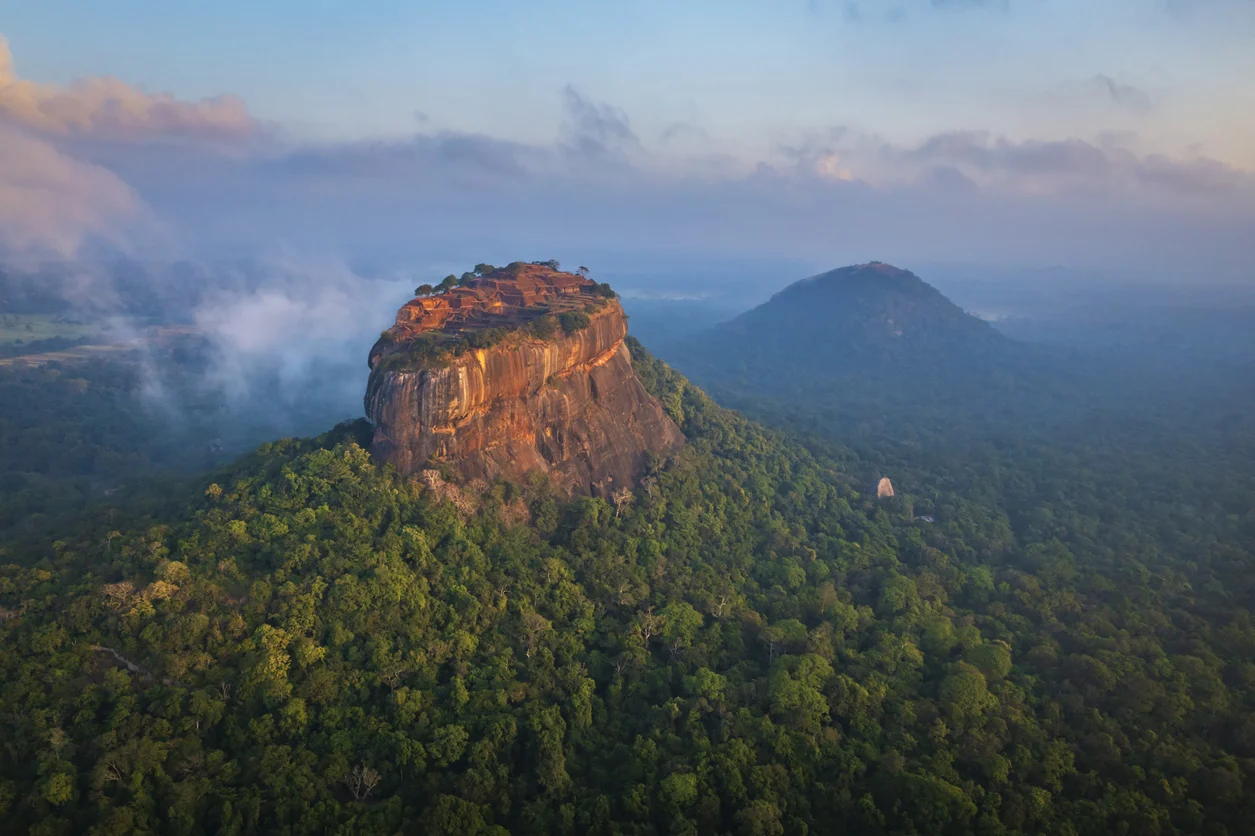
For a first trip to Sri Lanka, apply for your ETA online before you fly, plan 10–14 days, carry some cash in rupees, and travel with a private driver or by train. Cover your shoulders and knees at temples, and allow extra time on the roads: 100 km can take three hours.
Sri Lanka packs ancient cities, tea-covered hills, leopard safaris and palm-lined beaches into an island smaller than Ireland. That variety is exactly what makes a first visit exciting, and a little confusing. These Sri Lanka travel tips cover everything you need to know before you land, from visas and money to temple etiquette, daily costs and a proven first-time route.
| Fact |
Detail |
| Capital |
Sri Jayawardenepura Kotte (Colombo is the commercial capital) |
| Currency |
Sri Lankan rupee (LKR), about 330 LKR to US$1 (Nov 2026) |
| Languages |
Sinhala and Tamil; English is widely spoken in tourism |
| Religion |
Mainly Buddhist, with Hindu, Muslim and Christian communities |
| Time zone |
GMT+5:30 |
| Country calling code |
+94 |
| Plugs |
Types D, G and M, 230 V |
| Driving |
On the left |
| Tap water |
Not safe to drink; use bottled or filtered water |
| Emergency numbers |
Police 119 · Ambulance 1990 · Tourist hotline 1912 |
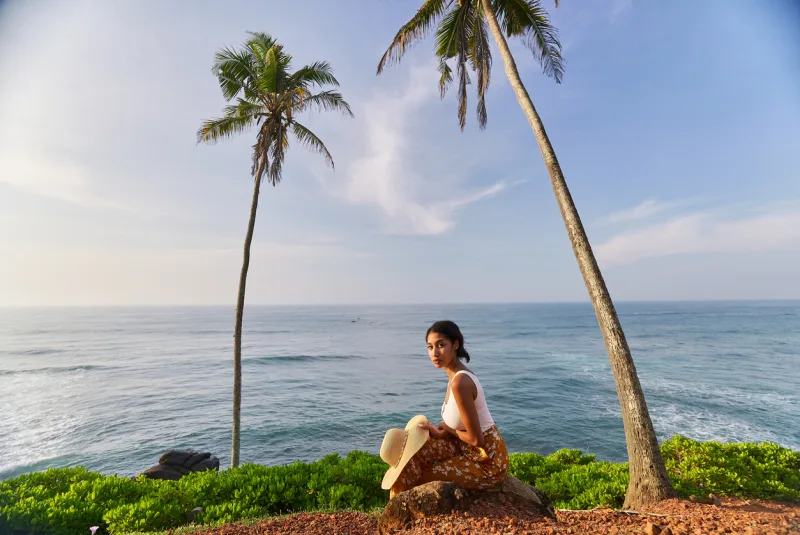
Palm-lined beach at Mirissa on Sri Lanka’s south coast, best visited from December to April, First Time in Sri Lanka
Is the Sri Lanka ETA free?
Yes, for nationals of 40 countries, including the US, UK, Canada, Australia, most of Western Europe, India and the UAE. The tourist ETA has been free for them since 25 May 2026. It allows a 30-day, double-entry stay. Apply only on the official site, eta.gov.lk.
Get your ETA (visa) online
Every visitor needs an Electronic Travel Authorization (ETA) before arrival, applied for on the official site, eta.gov.lk. Since 25 May 2026, the tourist ETA is free for nationals of 40 countries, including the US, UK, Canada, Australia, most of Western Europe, India, China, Japan, Saudi Arabia and the UAE. It allows a 30-day stay with double entry. Other nationalities pay a fee (see the official fee page). Only use the official site: third-party sites charge extra.
The online form takes about 10 minutes. You will need your passport details, your arrival date and the address of your first hotel. Apply at least a week before you fly, print or save the approval, and make sure your passport is valid for at least six months from your arrival date. Immigration officers may also ask to see a return or onward ticket.
Choose the right season
Sri Lanka has two monsoons, so one coast is always sunny. December to April suits the south coast and hill country; May to September suits the east coast. See our full guide to the best time to visit Sri Lanka.
Plan 10 to 14 days
Ten days covers the highlights at a comfortable pace; two weeks adds beach time. Read how many days to spend in Sri Lanka for sample plans.
Check vaccinations and travel insurance
No vaccinations are compulsory for most visitors, but travel clinics usually recommend that routine vaccines are up to date, and many advise hepatitis A and typhoid. If you arrive from a country with yellow fever risk, you must show a yellow fever certificate. Sri Lanka has been certified malaria-free by the WHO since 2016, but dengue is present, so mosquito protection still matters. Speak to your doctor six to eight weeks before you travel, and buy travel insurance that covers medical care and evacuation.
What to pack
- Light cotton or linen clothes, plus a sarong or scarf to cover shoulders at temples
- A warm layer for the hill country, where nights in Nuwara Eliya can drop below 10°C
- Sandals that slip off easily (you will remove shoes at every temple)
- Socks for walking on temple grounds, which get very hot in the midday sun
- Reef-safe sunscreen, a hat, insect repellent and a refillable water bottle
- A light rain jacket or umbrella, whatever the season
- A universal plug adapter and a power bank for long road and train days
- Binoculars for safaris and a small torch for early starts, such as the climb up Adam’s Peak
- Any prescription medicines in their original packaging
Sri Lanka is good value compared with most island destinations, but costs rise quickly at the big cultural sites, where foreign visitors pay much higher entrance fees than locals. These rough daily figures per person, sharing a room, help you set a budget:
| Travel style |
Typical daily budget |
What it gets you |
| Budget |
US$40–60 |
Guesthouses, local buses and trains, rice and curry at local cafés |
| Mid-range |
US$100–180 |
Comfortable hotels, a private driver shared between two, some guided visits |
| Comfort |
US$250+ |
Boutique hotels and tea bungalows, private guide, safaris and experiences |
Budget separately for entrance fees: headline sites such as Sigiriya and Polonnaruwa charge foreign visitors around US$25–35 each, and a half-day jeep safari in Yala adds park fees on top of the jeep hire. A private tour that bundles hotels, transport, guiding and entry fees is often easier to budget for than paying as you go.
The airport
Most visitors land at Bandaranaike International Airport (CMB) in Katunayake, about 35 km north of Colombo. Negombo is only 20 minutes away, making it an easy first or last night.
After immigration, you will find currency exchange counters, ATMs, SIM card desks and an official taxi counter in the arrivals hall. Many long-haul flights arrive late at night or early in the morning, so book your first night and your transfer in advance. Instead of heading straight into Colombo traffic after a long flight, rest in Negombo and start touring the next morning.
SIM cards and internet
Buy a tourist SIM at the arrivals hall from Dialog or SLT-Mobitel; you need your passport. Data is cheap, and 4G coverage is good across most of the island. Wi-Fi is standard in hotels. If your phone supports it, an eSIM bought before you fly works too, but a local SIM is usually cheaper and gives you a local number for calling drivers and hotels.
Money: cash, cards and ATMs
ATMs are easy to find in towns, and hotels and larger restaurants take cards. Carry rupees for tuk-tuks, street food, temple donations and small shops. Keep small notes, because change for large bills can be hard to find.
The exchange counters at the airport offer fair rates, so it is fine to change a small amount on arrival. US dollars and euros are easy to exchange, but day-to-day prices are paid in rupees. Tell your bank you are travelling, carry a backup card, and keep your exchange receipts if you plan to change leftover rupees back when you leave.
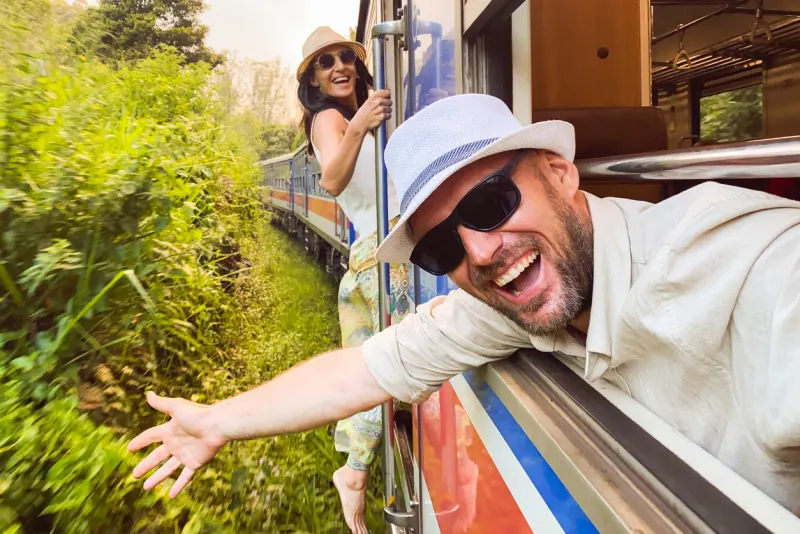
Passengers enjoy popular train ride journey Kandy to Ella in Sri-Lanka, First Time in Sri Lanka
Do I need a visa for Sri Lanka?
Yes. All visitors need an ETA before arrival. Since 25 May 2026, it is free for 40 nationalities, including the US, UK, Canada, Australia and most of Europe, and allows 30 days.
How much does a trip to Sri Lanka cost per day?
Plan on about US$40–60 per person per day on a budget, US$100–180 mid-range, and US$250 or more for comfort travel. Budget separately for entrance fees. Major sites like Sigiriya and Polonnaruwa charge foreign visitors around US$25–35 each, and safaris add park fees.
Customize Your Dream Vacation!
Get in touch with our local experts for an unforgettable journey.
Plan Your Trip
Private driver-guide (easiest for first-timers)
Roads are narrow and busy, so most first-time visitors travel with a private car and driver-guide. It is the fastest way to link the Cultural Triangle, the hills and the coast, and your guide handles tickets, timings and local tips. All Memphis Tours Sri Lanka packages include one.
You also get the freedom to stop at roadside fruit stalls, spice gardens and viewpoints along the way. Drivers usually stay at your hotels in dedicated driver rooms, so you do not need to arrange their accommodation yourself.
Trains
The train from Kandy to Ella is one of the world’s most scenic rides, crossing the famous Nine Arch Bridge. Reserved seats sell out weeks ahead in peak season, so book early. Trains are slow but cheap and full of local life.
The full Kandy–Ella journey takes around seven hours, so many travellers ride only the most beautiful section, between Nanu Oya (for Nuwara Eliya) and Ella. First class has air conditioning and an observation car on some trains, but reserved second class, with its open windows, is the favourite for photos. Book on the official Sri Lanka Railways website or through your tour operator, and avoid touts selling tickets at inflated prices.
Buses
Public buses reach almost every town and cost very little, but they are crowded, rarely have space for luggage and are driven fast. Air-conditioned intercity buses on the expressways, such as Colombo to Galle or Kandy, are more comfortable. Buses suit adventurous travellers on a tight budget more than first-timers on a short trip.
Tuk-tuks and ride apps
Tuk-tuks are perfect for short hops. In Colombo and Kandy, use PickMe or Uber for fixed fares; elsewhere, agree the price before you get in. Some Colombo tuk-tuks have meters: ask the driver to switch it on. Ask your hotel what a fair fare is for your route before you head out.
Driving yourself
Self-driving is possible but not recommended for a first visit. You need an International Driving Permit plus a temporary local licence, and traffic, buses overtaking on bends and animals on the road make driving tiring. A driver-guide often costs little more than a rental car once you add fuel and insurance.
Sri Lanka is a deeply religious country, mainly Buddhist with Hindu, Muslim and Christian communities. Respecting a few rules makes every visit smoother.
- At temples: cover shoulders and knees, remove shoes and hats, and walk clockwise around stupas.
- Buddha images: never pose with your back to a Buddha statue or touch it. Cover any Buddha tattoos.
- Monks: give monks space and a seat on buses and trains, and women should avoid touching a monk or handing items to him directly.
- Poya days: every full moon is a public holiday, and alcohol is not sold.
- Everyday manners: use your right hand to give and receive, and ask before photographing people.
- Dress: swimwear is for the beach only. In towns and villages, cover up a little more, and keep public displays of affection low-key.
- The head wobble: a side-to-side nod usually means “yes” or “okay.”
A few words go a long way. “Ayubowan” (may you live long) is the Sinhala greeting, and “Vanakkam” is the Tamil one. “Istuti” means thank you in Sinhala, and “Nandri” in Tamil.
If your dates allow, time your visit with a festival. Sinhala and Tamil New Year is celebrated in mid-April, and the Esala Perahera in Kandy, usually in July or August, fills the streets with drummers, dancers and decorated elephants. Learn more in our 10 fascinating facts about Sri Lankan culture.
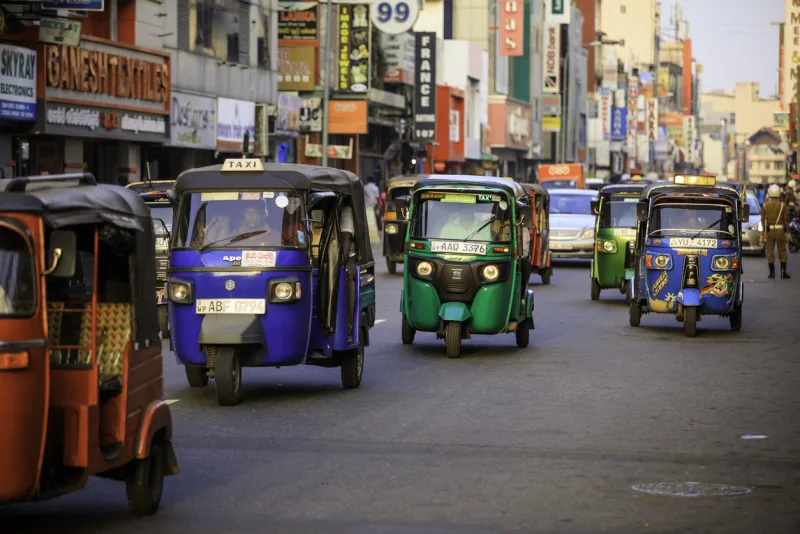
Colorful tuk-tuk on a street in Sri Lanka, a popular way to make short trips
Sri Lanka is generally safe for tourists, including solo and female travelers, and locals are famously friendly. Most issues are minor: tuk-tuk overcharging, gem scams and pushy touts near big sights.
- Drink bottled or filtered water, not tap water.
- Use strong mosquito repellent; dengue is present year-round.
- Swim only at flagged beaches; rip currents are strong during the monsoon.
- The tropical sun is strong: drink plenty of water, wear a hat and plan hot climbs, such as Sigiriya, for early morning.
- Keep away from stray dogs and never feed monkeys, which can bite. Rabies is present.
- Take care crossing roads: traffic rarely stops for pedestrians.
- Keep valuables in your hotel safe and carry a copy of your passport.
- Get travel insurance and check your government’s travel advice before you go.
Common scams to watch for
Be wary of friendly strangers who say a temple or site is “closed today” and offer to take you somewhere else instead, usually a shop. Only buy gems from licensed dealers with a certificate, and never agree to carry or resell gems for someone. At train stations, buy tickets only at the counter or online. In every case, a polite “no, thank you” and walking on is enough.
Tips for solo and female travelers
Solo and female travelers generally find Sri Lanka easy to explore. Dressing modestly away from the beach helps you avoid unwanted attention, as does choosing well-reviewed hotels and using ride apps or hotel-arranged transport after dark. On crowded buses and trains, women often sit together, and it is fine to change seats if you feel uncomfortable.
Rice and curry is the national meal: a plate of rice with several small curries, sambols and papadums. Try hoppers (bowl-shaped pancakes), kottu roti and fresh king coconut. Food can be spicy, so ask for “less spicy” if needed. Discover more in our Sri Lankan food guide.
Breakfast is often string hoppers (steamed rice-noodle nests) with dhal and coconut sambol, or an egg hopper with a runny yolk. On the coast, the seafood is excellent, from devilled prawns to fish curry. In the afternoon, look for “short eats”, the fried snacks and buns sold in bakeries, and finish a meal with curd and treacle, buffalo yoghurt drizzled with palm syrup. Vegetarians eat very well, as many curries are made with vegetables, jackfruit and lentils.
Sri Lanka is famous for its Ceylon tea, and a visit to a tea factory in the hill country is the best place to taste it fresh. Lion lager is the local beer, and arrack, a spirit made from coconut flower sap, is the traditional drink. Busy local restaurants with a high turnover are usually the safest places to eat street food.
- See elephants in the wild: avoid elephant rides and shows. Instead, take a jeep safari in parks such as Minneriya, Kaudulla or Udawalawe.
- Choose whale-watching boats carefully: pick operators that keep their distance and limit the number of boats around each whale.
- Cut down on plastic: refill your bottle with filtered water at hotels, and say no to plastic bags and straws.
- Buy local: spend your money on local guides, family-run guesthouses and handmade crafts such as batik, wood carvings and lacquerware.
Sri Lanka is small, but each region feels different, and the weather depends on which side of the island you are on. Two monsoons hit opposite coasts: the south and west coasts are driest from December to April, and the east coast from May to September. The Cultural Triangle and the hill country work most of the year, so whatever month you travel, at least one coast is usually in season.
Colombo and Negombo
Most trips start here, because the international airport is at Katunayake, about 20 minutes from Negombo and 45–60 minutes from Colombo.
- Negombo: an easy first or last night near the airport, with a long beach, a busy fish market and boat trips on the lagoon.
- Colombo: worth half a day to a day. Watch the sunset at Galle Face Green, explore Pettah Market and visit Gangaramaya Temple. If your time is short, it is the easiest place to cut.
The Cultural Triangle
The ancient heart of the island, on the dry plains north of Kandy. Base yourself in Sigiriya, Dambulla or Habarana and spend two to three days here.
- Sigiriya: the 5th-century rock fortress and Sri Lanka’s most famous sight. Climb at opening time to beat the heat and the crowds.
- Pidurangala Rock: the rock next to Sigiriya. The climb is cheaper and shorter, and it gives the best view of Sigiriya itself, especially at sunrise.
- Dambulla Cave Temple: five caves filled with Buddha statues and painted ceilings.
- Polonnaruwa: a medieval royal city of palaces, temples and giant carved Buddhas. It is flat, so you can explore it by bicycle.
- Anuradhapura: the first ancient capital and a sacred city, home to the Sri Maha Bodhi tree and huge white dagobas (stupas). Add it if you have an extra day.
Kandy
The last royal capital and the cultural centre of the island. Visit the Temple of the Tooth during an evening ceremony, walk around Kandy Lake and see the Royal Botanic Gardens in Peradeniya. If you travel in July or August, try to catch the Esala Perahera festival, a series of night processions with drummers and dancers; book your hotel well ahead.
The Hill Country: Nuwara Eliya, Ella and Haputale
Cool air, tea estates, waterfalls and some of the island’s best walks. Pack a warm layer: nights in Nuwara Eliya can drop to around 10°C.
- Nuwara Eliya: a colonial-era hill town surrounded by tea plantations. Tour a working tea factory and taste fresh tea.
- Ella: a relaxed village with easy hikes. Walk up Little Adam’s Peak or Ella Rock, and watch the train cross the Nine Arch Bridge.
- Horton Plains National Park: a high plateau with a walk to the World’s End cliff. Arrive early, because mist usually covers the view by mid-morning.
- Haputale: a quieter base, with sweeping views from Lipton’s Seat.
- Adam’s Peak (Sri Pada): a night-time pilgrimage climb to see sunrise from the summit. The season runs from December to May.
National Parks and Wildlife
- Yala National Park: the best chance of seeing a leopard. It gets busy, so choose a reputable jeep operator and go on an early-morning drive.
- Udawalawe National Park: the most reliable place to see wild elephants, and an easy stop between the hill country and the south coast.
- Minneriya and Kaudulla: close to Sigiriya. In the dry season (roughly July to October) hundreds of elephants gather around the reservoirs, an event known as “The Gathering”.
- Wilpattu National Park: the largest and one of the quietest parks, with leopards, sloth bears and natural lakes. Good if you want fewer jeeps around you.
The South Coast
Best from December to April.
- Galle: a historic fort town and UNESCO World Heritage Site, full of cafés and boutiques. Walk the ramparts at sunset.
- Unawatuna: a sheltered bay that is good for swimming.
- Mirissa: whale watching from November to April, plus the palm-lined Coconut Tree Hill.
- Weligama: a long, gentle bay that is ideal for beginner surf lessons.
- Tangalle: quieter, wider beaches for a slower end to the trip.
The East Coast
Best from May to September, when the south and west coasts get the monsoon rain.
- Trincomalee and Nilaveli: white-sand beaches and snorkelling at Pigeon Island National Park.
- Pasikudah: shallow, calm water that suits families.
- Arugam Bay: Sri Lanka’s surf capital, with the best waves from about April to October.
Jaffna and the North
If you have extra time, or for a second trip, head north to Jaffna, about seven hours by train from Colombo. It has a distinct Tamil culture, colourful Hindu temples such as Nallur Kandaswamy Kovil, spicy Jaffna crab curry, and far fewer tourists than the south.
Where to Go by Travel Style
- Culture and history: the Cultural Triangle, Kandy and Jaffna.
- Beaches: the south coast (December to April) or the east coast (May to September).
- Hiking and scenery: Ella, Horton Plains and Adam’s Peak.
- Wildlife: Yala, Udawalawe, Minneriya and Wilpattu.
- Honeymoons: Galle, Tangalle and a tea-estate bungalow in the hill country.
- Families: Kandy, Udawalawe, Bentota and Pasikudah.
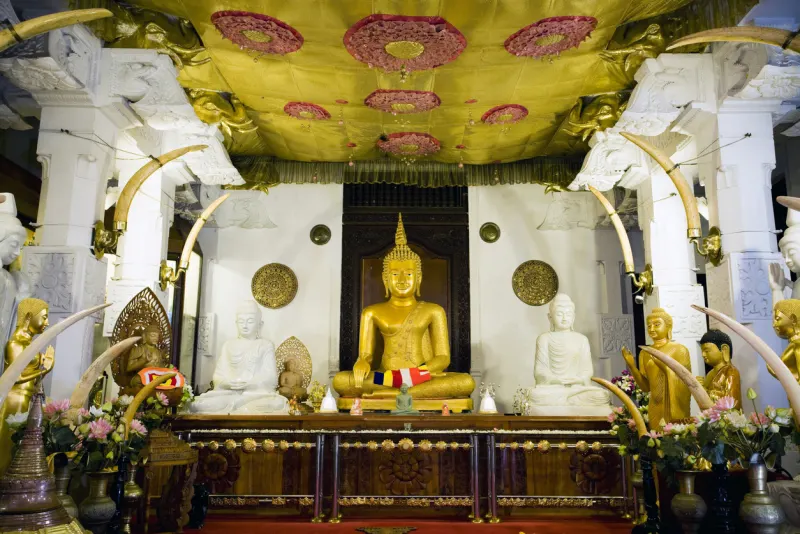
Temple of the Sacred Tooth Relic in Kandy, where visitors must cover their shoulders and knees
- Packing too much in: distances look short on the map but take hours.
- Booking the Ella train last minute: seats go fast from December to April.
- Using an unofficial ETA site: you will pay more for the same approval.
- Ignoring the monsoon: pick the coast that matches your travel dates.
- Dressing for the beach at temples: you may be refused entry.
- Relying only on cards: many tuk-tuks, cafés and small shops take cash only.
- Getting into a tuk-tuk without agreeing a price: outside the ride-app areas, always settle the fare first.
- Underestimating the heat: plan sightseeing for the morning and late afternoon, and rest at midday.
- Planning a Yala safari without checking dates: parts of the park close each year in the dry season.
The easiest way to see Sri Lanka for the first time is a private tour with everything arranged. Each of our Sri Lanka tour packages includes hotels, a private driver-guide and the key sights.
- Sri Lanka: Island of Wonders: 13 days, from $1,855. Sigiriya, Yala and the beaches of Weligama.
- Sri Lanka: Tea Trails & Wild Safaris: 12 days, from $2,249. Kandy, Nuwara Eliya, Horton Plains, Yala and Galle.
- Treasures of Sri Lanka: 13 days, from $2,225. Culture, the Ella train, safari and Mirissa.
- Sri Lanka: The Ultimate Island Journey: 16 days, from $2,585. The complete island loop.
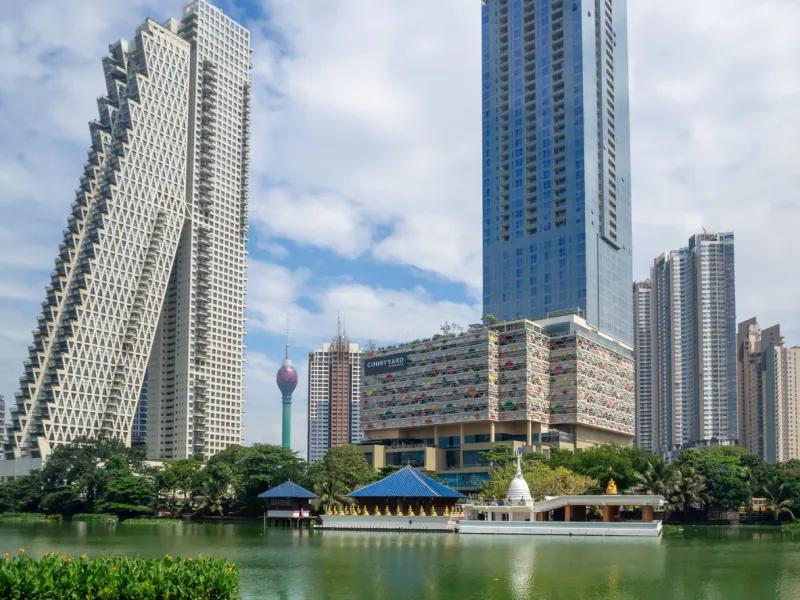
Colombo skyline and Galle Face Green at dusk, Sri Lanka’s commercial capital
Is Sri Lanka safe for first-time travelers?
Yes. Sri Lanka is generally safe and welcoming. Watch for tuk-tuk overcharging and gem scams, use licensed guides, and follow normal travel precautions.
How many days do I need in Sri Lanka?
Plan 10 to 14 days for a first visit. That covers the Cultural Triangle, Kandy, the hill country, a safari and the south coast.
What currency is used in Sri Lanka?
The Sri Lankan rupee (LKR). Cards work in hotels and larger restaurants, but carry cash for tuk-tuks, markets and small shops.
What should I wear in Sri Lanka?
Light, breathable clothes. At temples, cover shoulders and knees and remove shoes and hats. Pack a warm layer for the hill country.
Is it better to tour Sri Lanka with a driver?
For a first trip, yes. A private driver-guide saves time on slow roads, handles logistics and adds local knowledge.
When is the best time to visit Sri Lanka for the first time?
December to April is best for a first trip. The south and west coasts and the hill country are dry then. From May to September, go to the east coast instead. Sri Lanka has two monsoons that hit opposite coasts, so at least one beach area is in season whatever month you travel.
What is the best route for a first trip to Sri Lanka?
A classic first-time loop is Negombo, then the Cultural Triangle (Sigiriya, Dambulla, Polonnaruwa), then Kandy. From there, take the scenic train to Ella, go on a safari in Yala or Udawalawe, and finish on the south coast around Galle and Mirissa. It fits comfortably into 10–14 days.