Table of Contents:
#What You Need to Know About Packing for Morocco
#The Minimalist Morocco Packing List
#Smart Packing Techniques to Save Space
#How to Pack Morocco on a Budget
#Common Packing Mistakes to Avoid
#Conclusion
Morocco's diverse climate presents a fascinating puzzle for travelers who want to pack efficiently. This North African kingdom experiences dramatic temperature fluctuations that catch many visitors off guard. Daytime temperatures hover between 59 and 70 degrees Fahrenheit before plummeting to 45 degrees after sunset. The contrast becomes even more pronounced across desert landscapes, where nighttime temperatures drop into the twenties and teens Fahrenheit.
Understanding these climatic variations forms the foundation of successful packing decisions. The country's four distinct seasons, coupled with geographical diversity spanning coastal plains, mountain ranges, and vast desert expanses, demand thoughtful preparation rather than guesswork.
This detailed guide addresses the specific packing challenges Morocco presents. You'll gain insight into appropriate clothing choices for different seasons and destinations, discover practical packing techniques that maximize luggage space, and learn cost-effective strategies that allow you to travel lighter without compromising comfort. The approach outlined here helps you avoid common overpacking mistakes while ensuring you're properly prepared for Morocco's unique climate demands.
Morocco's climate operates according to precise geographical and seasonal patterns. These environmental factors directly influence successful packing strategies and determine the comfort level of your entire journey.
Weather considerations by season
Spring and autumn represent the optimal travel windows for Morocco's diverse landscapes. Morning temperatures begin with crisp coolness before transitioning to warm, summer-like afternoons, while evenings carry the distinct chill that signals seasonal transitions. Daytime temperatures typically range from 80-90°F, dropping to comfortable 60s°F after dark. Coastal regions maintain their pleasant, breezy character throughout these months, though the Atlas Mountains experience intermittent rainfall as autumn progresses.
Summer weather presents remarkable regional variations across the kingdom. Inland urban centers such as Marrakech and Fez consistently exceed 100°F, while the Sahara Desert can reach extreme temperatures of 110-115°F during peak heat periods. The Atlantic and Mediterranean coastlines provide a welcome respite, maintaining moderate temperatures between 75-85°F accompanied by cooling ocean winds. Evening temperatures moderate considerably, particularly in desert regions where rapid cooling occurs after sunset.
Winter conditions frequently surprise unprepared visitors. Mountain settlements like Ifrane experience sub-freezing temperatures, while even the typically warm city of Marrakech becomes notably cold during nighttime hours. Coastal areas encounter cool, moisture-laden winds that create damp, uncomfortable conditions. The Atlas Mountain peaks receive regular snowfall at higher elevations, and desert regions become surprisingly cold, particularly during January and February. Warm layering options become indispensable for maintaining comfort during evening hours across most of the country.
Dress code guidelines
Moroccan society maintains strong cultural traditions regarding modest dress, while extending gracious hospitality to international visitors. Traditional head coverings or indigenous clothing remain optional for tourists, yet selecting appropriately modest attire facilitates better local interactions, reduces unwanted attention, and garners more welcoming receptions in smaller communities.
Appropriate coverage includes shoulders, knees, chest, and midriff areas when appearing in public spaces. Loose-fitting, flowing garments serve dual purposes, respecting cultural sensitivities while providing superior heat management compared to form-fitting alternatives. Long-sleeved tops, lightweight trousers, maxi-length skirts, and tunic-style dresses deliver suitable coverage while maintaining personal comfort. Light-colored fabrics reflect solar heat more effectively than darker alternatives during the summer months.
Female travelers should consider loose shoulder-covering tops, full-length skirts or lightweight trousers, sleeved maxi dresses, and versatile scarves for multiple purposes. Male visitors encounter fewer restrictions but should prioritize lightweight trousers or chinos, appropriate shirts or polo tops, while avoiding sleeveless garments in urban settings. Shorts remain acceptable in tourist-oriented areas, though full-length trousers prove more suitable for city exploration, mosque visits, and traditional community interactions.
Religious sites demand heightened sensitivity to dress requirements. Visiting significant mosques such as the Hassan II Mosque in Casablanca requires covered shoulders and knees, modest necklines, and women may need head scarves if specifically requested.
Different destinations require different items
Coastal destinations like Essaouira embrace relaxed atmospheres where casual attire and beachwear integrate naturally within beach and resort environments. Light jackets become practical necessities during evening hours when coastal breezes create cooler conditions.
Desert regions require specialized preparation considerations. Essential items include long-sleeved, loose-fitting shirts for solar protection, lightweight full-length trousers, warm layering pieces for evening temperatures, and multi-purpose scarves for sand and sun protection. The Atlas Mountains demand sturdy hiking footwear, waterproof outer layers for sudden weather changes, and insulated clothing for significant day-to-night temperature variations.
Urban environments provide greater flexibility in clothing choices. Major cities, including Marrakech and Fez, accommodate diverse fashion styles provided modest coverage standards remain intact. Extensive walking characterizes urban exploration, making comfortable, closed-toe footwear or supportive sandal options absolutely essential. Rural communities maintain more conservative expectations, emphasizing the importance of longer coverage and loose-fitting clothing selections.
Master packing for Morocco, then let us handle the rest! Our Morocco travel packages include expert guides, climate-smart itineraries, shopping guidance, and comfortable accommodations.
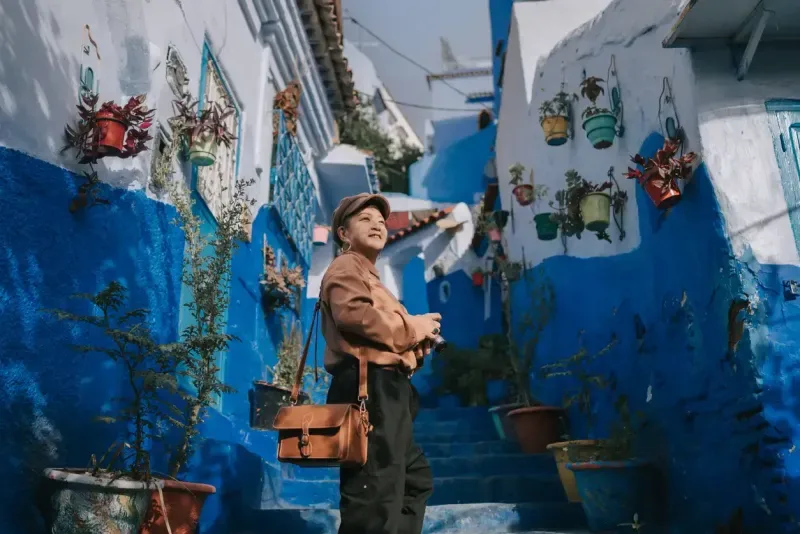
Asian Chinese female tourist standing at alley in Chefchaouen, Morocco
Effective packing for Morocco centers on strategic clothing selection rather than quantity. The concept of a minimalist wardrobe proves particularly valuable when navigating Morocco's diverse environments, where versatile pieces eliminate the need for extensive luggage while ensuring appropriate coverage across different settings.
Clothing essentials
The capsule wardrobe methodology delivers exceptional results for Morocco travel. A proven formula includes five tops, four bottoms, three dresses, two jackets, and one pair of shoes for each activity type. This systematic approach provides adequate variety without creating baggage burdens that complicate your journey through airports and accommodations.
Fabric selection determines comfort levels throughout your trip. Cotton and linen excel in Morocco's climate, offering superior breathability and quick-drying properties essential for frequent washing. Merino wool presents another excellent choice, particularly for its temperature regulation capabilities and odor resistance, reducing washing frequency during extended travel periods. Heavy fabrics become a liability rather than an asset, especially when carrying luggage across uneven medina pathways.
Women benefit from specific garment types that balance modesty requirements with comfort needs. Long tunic tops that extend past the hips provide appropriate coverage while offering flexibility for different activities. Loose-fitting pants or flowing maxi skirts accommodate cultural expectations without sacrificing comfort in warm weather. Midi or maxi dresses with sleeves serve multiple occasions, from city exploration to dinner outings. Lightweight cardigans prove invaluable for layering over sleeveless garments when additional coverage becomes necessary. Cold-weather travel requires fleece-lined leggings and packable down jackets for evening warmth.
Men face fewer restrictions but still benefit from thoughtful selections. Lightweight trousers or chinos adapt to various settings while providing appropriate coverage. Breathable shirts or polo shirts balance comfort with cultural sensitivity. Light jackets address evening temperature drops common throughout Morocco's regions.
Color coordination amplifies wardrobe versatility significantly. Neutral palettes create numerous outfit combinations from limited pieces, maximizing your investment while minimizing luggage weight.
Shoes you'll actually wear
Footwear selection requires careful consideration of Morocco's terrain diversity. Three pairs represent the practical maximum for most travelers. Comfortable walking shoes or sneakers prove essential for city exploration and souk navigation, where uneven surfaces and long walking distances demand proper foot support. Quality sandals with arch support, such as Teva models, handle warm weather conditions while providing necessary stability for extended walking. Atlas Mountains hiking or Sahara desert excursions necessitate lightweight hiking boots featuring ankle support and reliable traction.
Preparation prevents painful experiences on Morocco's challenging surfaces. Breaking in new footwear before departure eliminates blister risks on cobblestone streets. Heavy leather boots create unnecessary heat retention and slow drying times, making them impractical choices. Lightweight slippers address cold tile floors common in Moroccan accommodations.
Must-have accessories
Scarves emerge as the most versatile accessory for Moroccan travel. These essential items provide shoulder coverage at religious sites, protection against desert sand and wind, warmth during cool evenings, and sun coverage throughout daylight hours. Packing two scarves ensures backup options and variety for different occasions.
Sun protection requires year-round attention. Packable sun hats or baseball caps, high-quality sunglasses, and SPF 30+ sunscreen protect against intense UV exposure common across Morocco's landscapes. Reusable water bottles eliminate dependence on single-use plastics while ensuring consistent hydration access. Security considerations in crowded souks favor crossbody bags with zippered compartments or discrete money belts for valuable item protection.
Toiletries and medications
Medication management follows strict guidelines for international travel. All prescription medications must remain in original packaging with clearly visible prescription labels. Pack sufficient quantities for your entire trip duration plus additional supplies, accounting for potential travel delays. Controlled substances require documentation, including a doctor's letter detailing your medical condition, medication names, prescribed dosages, and physician contact information.
Essential medical supplies form the foundation of your health protection. Basic first-aid kits should include bandages, antiseptic wipes, antibiotic ointment, and hydrocortisone cream. Over-the-counter medications address common travel issues: pain relievers like ibuprofen, anti-diarrheal medications such as Imodium, antihistamines for allergic reactions, antacids for digestive discomfort, and motion sickness tablets for transportation challenges. Hand sanitizer containing at least 60% alcohol becomes crucial when soap access proves limited.
Morocco's arid climate necessitates specific skincare preparations. Quality moisturizers and lip balms combat dryness effectively. Travel-sized toiletries reduce weight while meeting your personal care needs. While most hotels supply basic shampoo and conditioner, travelers with specific hair requirements should bring preferred products.
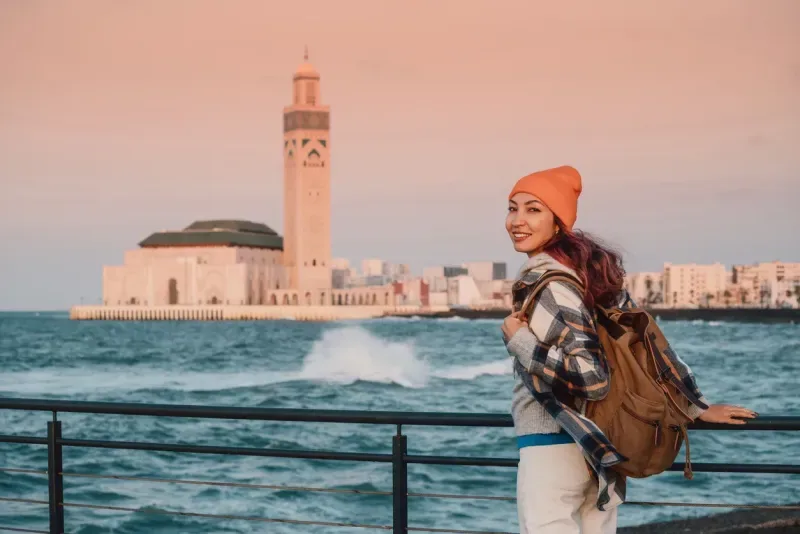
Young woman tourist with backpack enjoying the view of Hassan II Mosque in Casablanca, Morocco
Customize Your Dream Vacation!
Get in touch with our local experts for an unforgettable journey.
Plan Your Trip
Efficient packing techniques can mean the difference between paying hefty baggage fees and enjoying the freedom of carry-on travel. Morocco's diverse climate and cultural requirements make space optimization particularly valuable, allowing you to pack everything needed without excess weight.
Rolling vs folding methods
The age-old debate between rolling and folding clothes lacks a definitive winner. Each technique creates different spatial arrangements within your luggage rather than truly conserving space. Rolling tends to push garments outward, generating additional room along the top of your bag, while folding compresses items upward, creating useful pockets along the sides.
Lightweight fabrics respond exceptionally well to rolling techniques. T-shirts, synthetic materials, and dresses benefit from tight rolling, which minimizes wrinkles while keeping items easily visible when you open your suitcase. These materials compress effectively and resist creasing when wound properly. Structured garments like jeans, blazers, and sweaters maintain their shape better when folded. Bulky items occupy similar space regardless of technique, making folding the practical choice for maintaining their form.
Experienced travelers often employ a hybrid strategy for Morocco trips. One seasoned packer successfully fit 11 t-shirts using rolling techniques compared to only 7 when folding in the same bag. Roll your lighter Moroccan climate essentials, fold heavier layering pieces, then position rolled items strategically on top of and around folded garments.
Packing cube organization
Compression packing cubes offer genuine space savings through progressive zippers or cinch mechanisms that squeeze clothing down. Standard packing cubes provide organization without compression, but specialized compression versions from companies like Monos and Peak Design create measurably more room.
Optimal cube usage involves three to five containers organized by clothing category. Large compression cubes accommodate bulky items such as jeans and trousers, medium cubes house shirts and tops, while smaller containers hold undergarments and socks. Position your largest cube on the side opposite your shoes, then arrange smaller cubes strategically around it. Maintain zippers in an upright position for immediate visibility when accessing contents.
Compression technology proves particularly effective with loose items like socks and undergarments. Mixing different clothing types within each cube maximizes compression benefits. Utilize gaps between cubes for additional shirts or undergarments rather than allowing valuable space to remain unused.
Layering strategy for carry-on only
Wearing your heaviest items during travel rather than packing them creates substantial luggage space. Your thickest jacket, heaviest trousers, and most substantial shoes belong on your body during the flight, not consuming precious suitcase real estate. This approach eliminates the necessity of checked baggage while maximizing carry-on capacity.
Strategic layer selection ensures versatility without redundancy. Coordinate pieces within a single color palette to guarantee everything works together. Merino wool garments excel at temperature regulation across seasons while naturally resisting odors, extending wear time between washings. Plan for mid-trip laundry rather than packing fresh outfits for every day.
Items that do double duty
Multi-functional products eliminate packing redundancy for Morocco travel. Shampoo serves adequately as a temporary body wash, though body wash proves less effective as a shampoo for longer or textured hair. Hair conditioner or body lotion substitutes effectively for shaving cream. Pure food-grade oils like almond or olive oil function as moisturizers, hair treatments, and makeup removers.
Scarves provide remarkable versatility: desert sand protection, evening warmth, mosque shoulder coverage, and outfit enhancement. Sarongs function as towels, picnic blankets, or impromptu skirts. Packing cubes equipped with straps convert into useful beach bags or day packs. Pack an additional empty cube for separating dirty laundry during your travels.
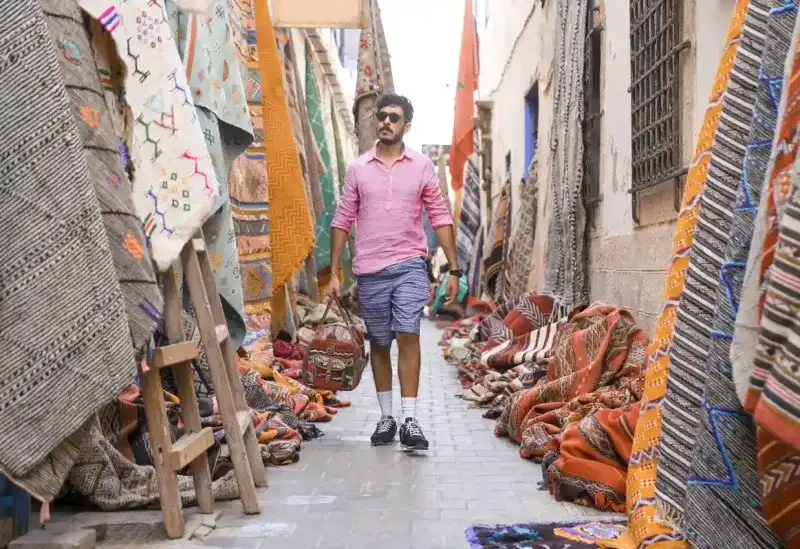
young man with suitcases ready to leave the rural hotel of africa, in Essaouira Morocco,
Smart financial planning for your Morocco packing strategy extends beyond simply cutting costs; it opens opportunities to experience authentic local culture while maintaining travel comfort. The kingdom's rich artisan traditions and bustling markets present unique advantages for budget-conscious travelers who understand where to invest their money locally versus what to bring from home.
Items to purchase locally
Morocco's renowned craftsmanship makes certain purchases both economical and culturally enriching. The country's textile heritage produces exceptional scarves that surpass anything you might pack from home. Local weavers create intricate patterns using traditional techniques passed down through generations, offering superior quality at prices that often cost less than mass-produced alternatives. One experienced traveler discovered this firsthand, purchasing two additional scarves during their stay despite having no previous interest in such accessories, ultimately returning home with three beautiful pieces.
The leather districts of Fez showcase Morocco's mastery of this ancient craft. Custom-made leather jackets produced in traditional tanneries cost substantially less than comparable items in Western markets while offering superior quality and unique designs. Traditional babouches, the iconic pointed slippers found throughout Morocco, serve multiple purposes as comfortable house shoes or distinctive everyday footwear, available in an endless array of colors and intricate decorative patterns.
Morocco's jewelry-making traditions flourish throughout the souks of Fez, Chefchaouen, and Marrakech, where silversmiths and artisans create distinctive pieces that reflect centuries of Berber, Arab, and Jewish influences. Rather than packing your own accessories, these markets provide opportunities to acquire authentic pieces that tell stories of Morocco's diverse cultural heritage.
Traditional garments like flowing djellabas and elegant kaftans represent popular purchases among visitors, though their voluminous nature requires careful luggage planning. Consider bringing an expandable duffel or leaving extra space in your return luggage for these treasured finds.
Things you can skip entirely
Hotel amenities across Morocco typically include basic toiletries, particularly shampoo and conditioner. Local pharmacies and shops stock French and Moroccan personal care products that often provide superior quality to travel-sized versions while adding authentic touches to your daily routine. This approach eliminates liquid weight from your luggage while supporting local businesses.
Borrowing vs buying new items
Outdoor gear rental presents compelling financial advantages for occasional adventurers. The substantial investment required for quality camping and hiking equipment makes rental the logical choice for travelers who participate in such activities infrequently. Professional rental companies maintain higher-grade equipment than most individual consumers can afford, since their business model depends on durable, long-lasting gear. Many rental services offer direct shipping to your destination, eliminating the burden of transporting bulky equipment through multiple airports.
Frequent outdoor enthusiasts should calculate whether accumulated rental costs justify equipment ownership over time, considering storage and maintenance expenses alongside initial purchase prices.
Budget-friendly gear recommendations
Strategic clothing selection maximizes your budget's effectiveness. Pack older garments and undergarments that are approaching the end of their useful life, planning to discard them during your travels. This pack-and-discard approach creates valuable suitcase space for souvenirs while reducing laundry weight throughout your trip. Similarly, bring sturdy shoes experiencing their final season rather than pristine pairs that you'll worry about damaging.
Using what you already own
A thorough wardrobe assessment often reveals suitable Moroccan clothing already hanging in your closet. Neutral-colored basics, comfortable walking shoes, and lightweight layering pieces serve Morocco's diverse climate requirements without additional purchases. This inventory approach directs your budget toward experiences and authentic local purchases rather than unnecessary duplicate items.
Years of traveler experiences reveal predictable patterns of packing errors that can derail Morocco adventures. These recurring mistakes stem from misconceptions about the country's climate and culture, often turning well-planned journeys into uncomfortable ordeals.
Overpacking for the weather
Morocco's reputation as a warm destination misleads many visitors into packing exclusively for heat. This fundamental miscalculation affects travelers who arrive with wardrobes suited only for daytime temperatures. The reality proves more nuanced, while afternoons may feel summery, Morocco's diverse geography creates dramatic temperature variations that catch unprepared visitors off guard.
Desert nights and mountain elevations present the starkest contrasts. Comfortable midday conditions transform into genuinely cold evenings, particularly across the Sahara and Atlas regions. What registers as pleasant at noon becomes surprisingly frigid after dark. Experienced travelers recommend warm layers regardless of your travel season, as evening chill affects virtually every Moroccan destination.
Bringing the wrong shoes
Footwear choices reveal inexperience faster than any other packing decision. Flip-flops, while tempting for warm weather, become torture devices when filled with persistent desert sand that infiltrates every step. The fine particles work their way between foot and sole, creating painful friction that ruins desert excursions.
Equally problematic, delicate designer sandals crack under pressure from Morocco's ancient cobblestone medinas, while unnecessarily heavy hiking boots trap heat and prove cumbersome for moderate walking. New footwear presents another hazard; untested shoes cause blisters on uneven Medina surfaces where broken-in comfort becomes essential. Seasoned travelers prioritize comfortable, proven walking shoes paired with supportive sandals that handle various terrain types.
Ignoring cultural norms
Inappropriate clothing choices create uncomfortable situations that extend beyond personal discomfort. Revealing attire draws persistent attention and unwelcome stares, particularly across rural communities where conservative dress expectations run deeper. Tank tops, short shorts, form-fitting garments, and low necklines immediately identify tourists who have overlooked basic cultural research.
Regional variations complicate these expectations, while Marrakech accommodates diverse styles, smaller towns maintain stricter standards. Modest clothing serves travelers better across all destinations, eliminating awkward encounters and fostering more positive local interactions.
Forgetting practical essentials
Overlooked necessities create avoidable problems throughout Morocco. Cash shortages become particularly troublesome when local taxis and neighborhood shops operate on cash-only policies. Many travelers underestimate how frequently cards face rejection outside major tourist areas.
Basic hygiene supplies prove equally important. Public facilities often lack toilet paper and soap, making personal tissues and hand sanitizer indispensable items. Morocco's arid climate demands additional protection, insect repellent guards against evening mosquitoes, while quality moisturizer and lip balm combat the persistent dryness that affects skin and lips.
Successful packing for Morocco rests on understanding the country's remarkable diversity rather than following generic travel advice. The kingdom's contrasts from the Atlantic breezes of Essaouira to the star-filled nights of the Sahara demand thoughtful preparation that honors both climate realities and cultural sensibilities.
The strategies outlined in this guide transform packing from a stressful guessing game into a confident preparation process. Selecting versatile garments that transition seamlessly between Morocco's varied landscapes eliminates the anxiety of overpacking while ensuring comfort across different settings. Respecting local customs through modest clothing choices enhances your travel experience, opening doors to warmer interactions with Moroccan communities who appreciate visitors who show cultural awareness.
The financial wisdom of purchasing certain items within Morocco extends beyond mere cost savings. Those handwoven scarves from Fez artisans and custom leather goods from traditional workshops carry stories that mass-produced alternatives cannot match. Leaving space in your luggage for these authentic treasures means returning home with pieces that connect you to Morocco's rich craftsmanship traditions.
Perhaps most importantly, this thoughtful approach to packing frees you to focus on what truly matters: absorbing Morocco's extraordinary hospitality, exploring ancient medinas without the burden of excessive luggage, and creating memories that outlast any souvenir. The moments spent haggling in colorful souks, sharing mint tea with locals, or watching the sunset paint the Atlas Mountains become infinitely more meaningful when you're not distracted by packing regrets or luggage complications.
Your well-planned luggage becomes the foundation for an enriching Moroccan adventure, allowing the country's magic to unfold naturally around you.
What should female travellers wear in Morocco?
Wear modest clothing: covered shoulders and knees minimum. I recommend loose pants or maxi skirts, lightweight long-sleeve shirts, and scarves. In Marrakech, Fes, and Chefchaouen medinas, avoid tight clothing, low-cut tops, and short shorts. Beach towns like Essaouira are more relaxed. Bring comfortable walking shoes and sunglasses. Dressing modestly reduces unwanted attention and shows cultural respect.
What can you not bring into Morocco?
Cannot bring: drones without permits (confiscated at customs), pornographic material, narcotics, religious proselytizing materials, weapons, and medications without prescriptions. Morocco is strict about drones—tourists get them seized. Bring prescription meds in original packaging with doctor's letter. Don't bring pork products. Currency over $10,000 USD must be declared. E-cigarettes are technically restricted, but enforcement varies.
What do Moroccans like as gifts?What do Moroccans like as gifts?
Moroccans appreciate quality chocolates, sweets, coffee, tea, branded cosmetics, perfumes, electronics (USB drives, headphones), children's toys, and clothing from your country. Avoid alcohol, expensive gifts (causes embarrassment), anything with dogs, and left-hand giving. French or American brands are valued. If invited to a home, bring something for the whole family. Use the right hand only when giving.
Do and don'ts in Morocco?
DO: Dress modestly, bargain in souks, accept tea, remove shoes in homes, eat with the right hand, ask before photos, respect prayer times. DON'T: Drink tap water, kiss in public, photograph military/police, wear beachwear outside beaches, give money to child beggars, refuse food in homes, use the left hand, criticize the monarchy (illegal), or get drunk publicly. Show respect, and you'll have great experiences.
How much money to bring to Morocco for 4 days?
Bring 2,000-3,000 dirham ($200-300 USD) cash for 4 days. Budget travelers need $160-240 total, mid-range $320-480, luxury $800+. Hotels and tours take cards, but souks, taxis, street food, and tips require cash. ATMs widely available in Marrakech, Fes, and Casablanca. Carry small bills; vendors rarely have change for 200 dirham notes.
What are the unspoken rules in Morocco?
Always use the right hand for eating/giving (the left is for the bathroom). Remove shoes in homes. Don't refuse mint tea. Bargain in souks but not fixed-price shops. Don't eat publicly during the daylight hours of Ramadan. Point with a full hand, not a finger. Accept hospitality graciously. Dress modestly. Don't photograph people without asking. Patience is valued over efficiency. Don't step over seated people.
What not to wear in Marrakech?
Don't wear short shorts, mini skirts, spaghetti straps, low-cut tops, see-through clothing, or anything revealing. Marrakech medina and Djemaa el-Fna require covered shoulders and knees. The new city (Gueliz) is more relaxed but still modest. Avoid tight yoga pants, crop tops, and beachwear outside pools. Men shouldn't go shirtless outside pools. Comfortable walking shoes essential to avoid heels on cobblestones.
Should I bring toilet paper to Morocco?
Not necessary but helpful. Hotels and riads provide toilet paper, but many public restrooms, cafes, and cheaper restaurants don't. I carry small tissue packs for public bathrooms, mosques, and roadside stops. Also, bring hand sanitizer and wet wipes. Traditional Moroccan bathrooms use water instead of paper. Budget 1-2 dirham for public toilet attendants who provide paper.
What not to do as a woman in Morocco?
Don't wear revealing clothing, walk alone late at night in medinas, accept unsolicited guides, get in unmetered taxis alone, drink excessively publicly, give personal info to strangers, or travel to very remote areas alone. Firm "no" works for harassment. Avoid isolated beaches. Don't assume all friendliness is bad; many Moroccans are genuinely hospitable. Join travelers or hire licensed guides.
What to avoid in Morocco?
Avoid tap water (bottled only), unlicensed medina guides, isolated areas at night, giving money to child beggars, public displays of affection, criticizing the monarchy (illegal), aggressive vendors, unmetered taxis, cheap tours (forced shopping), leaving drinks unattended, and photographing people without permission. Avoid stalls with no locals, wandering far from tourist areas in Casablanca at night. Morocco is generally safe with common sense.
Should I bring jeans to Morocco?
Yes, jeans are perfect for Morocco, modest, comfortable, and practical. Moroccans wear them too. I wear jeans in Marrakech, Fes, and Chefchaouen without issues. Choose loose-fitting over skinny for modesty and heat comfort. Pair with loose tops. Jeans work year-round: ideal for cooler months (November-March), but bring lightweight pants too for summer (June-August) heat. Pack 2-3 pairs for week-long trips.
Can I take paracetamol and ibuprofen to Morocco?
Yes, both are legal and widely available in Morocco. Bring your supplies in original packaging. Carry a doctor's letter if bringing large quantities, though normal amounts (one box each) don't need documentation. Both are sold in Moroccan pharmacies without prescription as "Paracétamol" and "Ibuprofène." Pharmacies everywhere in Marrakech, Fes, and Casablanca. I bring my own for convenience, but have easily purchased both there.