Scandinavia

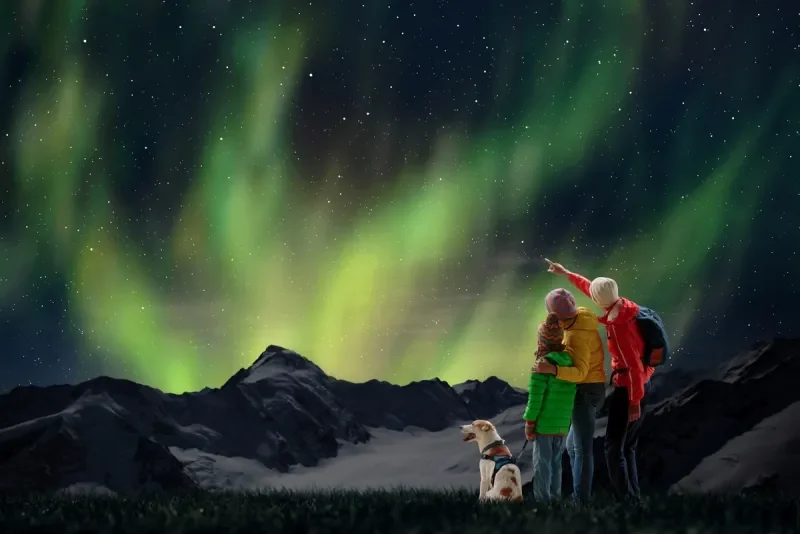
Scandinavia tours take you through Norway, Sweden, and Denmark, a region of dramatic fjords, elegant capital cities, and one of the best places on Earth to see the Northern Lights. Whether you dream of…

Scroll Down
Scandinavia

Discover Scandinavia

Scandinavia tours take you through Norway, Sweden, and Denmark, a region of dramatic fjords, elegant capital cities, and one of the best places on Earth to see the Northern Lights. Whether you dream of cruising the Geirangerfjord, riding the Flåm Railway, or strolling Copenhagen's Nyhavn harbour, our guided and tailor-made journeys make it easy to experience the very best of the Nordic world in one trip.


Why Travel to Scandinavia?

There's nowhere quite like it. In a single journey you can sail past sheer fjord walls, watch the aurora dance over Arctic skies, wander design-forward cities, and experience the midnight sun. Scandinavia is famously safe, easy to travel, and connected by scenic rail lines, ferries, and short flights, so tours to Scandinavia flow smoothly from one highlight to the next. Add its clean landscapes, world-class food, and rich Viking and royal history, and it's a destination that rewards every kind of traveller.


Norway: Fjords & the Aurora

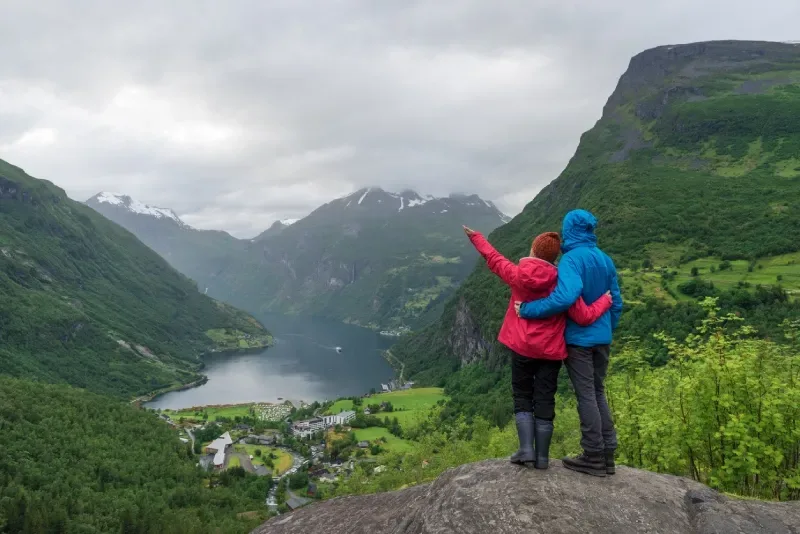
Cruise the UNESCO-listed Geirangerfjord and Nærøyfjord, ride the celebrated Flåm Railway on the classic "Norway in a Nutshell" route, and explore colourful Bergen. Head north to Tromsø for world-class Northern Lights in winter, or the midnight sun in summer.


Sweden: Stockholm & Lapland

Stockholm, built across 14 islands, blends old-town charm with Scandinavian design and the Vasa Museum. Further north, Swedish Lapland offers the original Icehotel and Sámi culture, a magical winter add-on.
 

Denmark: Copenhagen

Compact and welcoming, Copenhagen is a highlight of travel to Scandinavia, from Nyhavn's harbour houses and Tivoli Gardens to some of the finest food in Europe.


When to Visit Scandinavia

The best time depends on what you want to see. Summer (June–August) brings long days, the midnight sun, and ideal weather for fjord cruises and city sightseeing. Winter (November–March) is the season for the Northern Lights, dog-sledding, and snowy Lapland. Spring and autumn offer fewer crowds and beautiful light.


Our Scandinavia Tours

We craft Scandinavia tours for every kind of traveller scenic rail journeys, multi-country city trips, Northern Lights escapes, and luxury fjord cruises. Every journey includes handpicked hotels, expert local guidance, and seamless transport, so all you do is soak up the scenery.


Ready to travel to Scandinavia? Explore our tours!
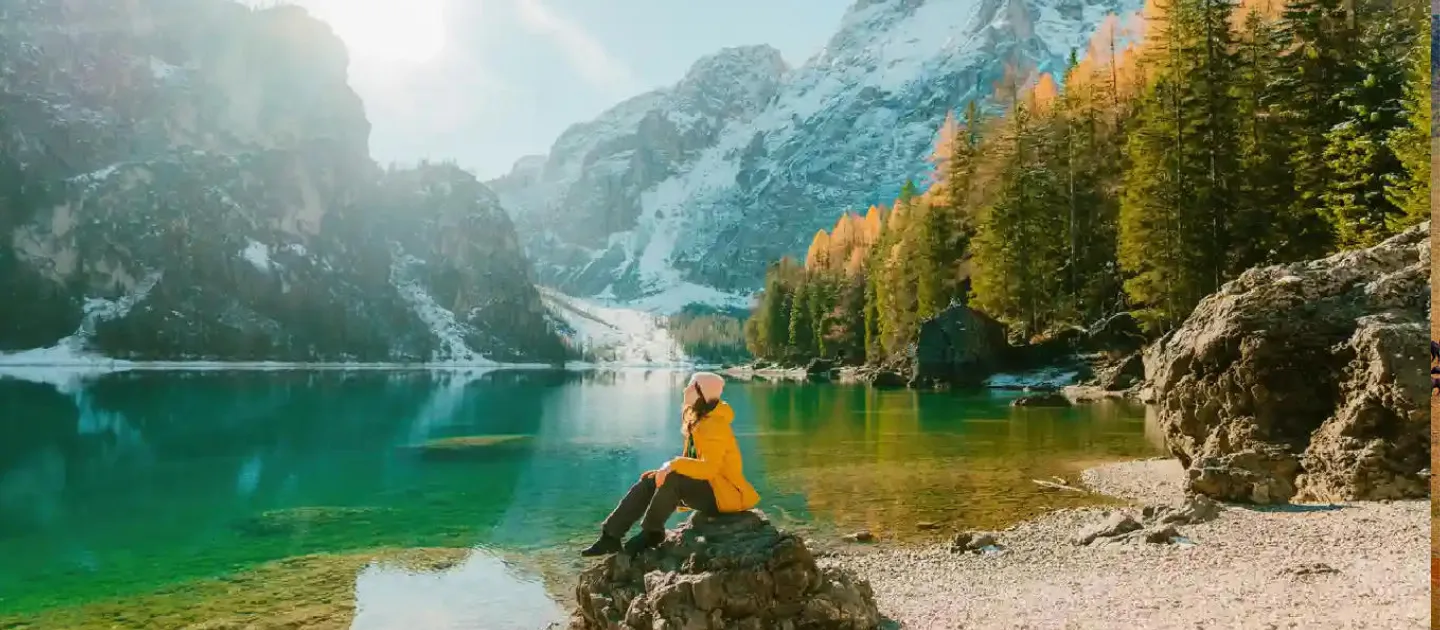
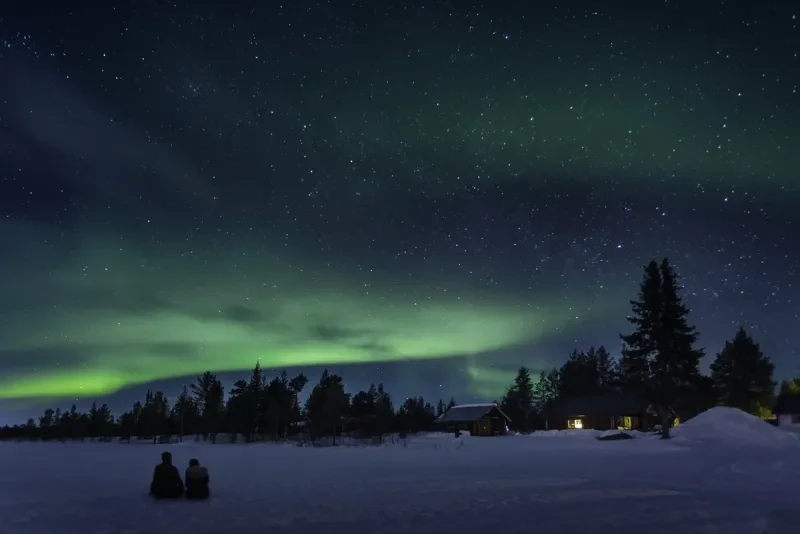
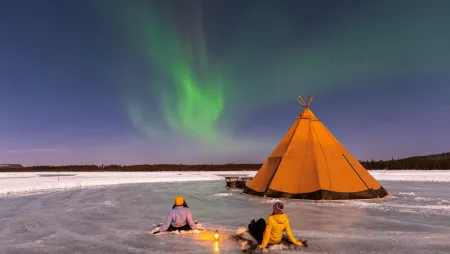
Green northern lights over a snowy field at night, with two people watching near lit cabins and pine trees
Lapland
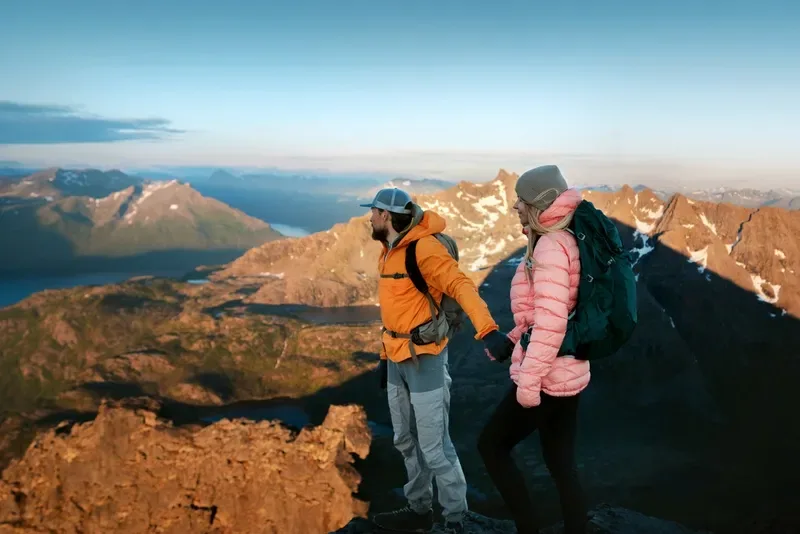
Two hikers holding hands on a mountain summit overlooking snowy peaks and fjords at sunset
Northern Norway
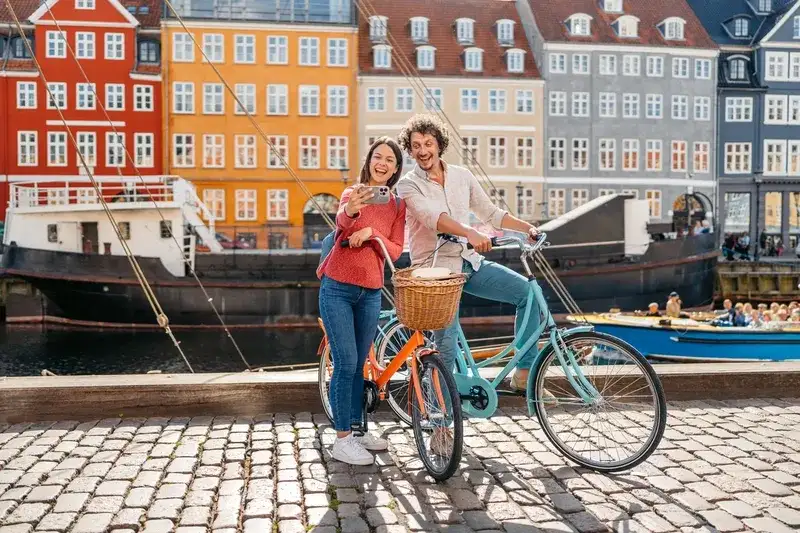
Couple with bicycles taking a selfie in front of the colourful harbourfront houses of Nyhavn, Copenhagen
Copenhagen
Scandinavia Tours

Choose your journey

Filters

Trip Type
Styles
Price
US$100US$12,000+
Duration

Scandinavia All Year Round

Scandinavia can be visited all year, but each season offers a very different trip. Late May to early September is the most popular time, with long days, mild weather, and fjord cruises and mountain roads in full operation. Spring and autumn are cooler and quieter, with lower prices, and are well suited to city breaks. Winter is cold and dark, especially in the Arctic north, but it is the season for the northern lights, snow adventures, and Christmas markets.

Ideal Good Cool Very hot Avg. high / low, °C
Scandinavia Awakens: Spring's Fresh Light and Blossoming Cities
March – May. -2 to 17°C

Scandinavia Awakens: Spring's Fresh Light and Blossoming Cities

Spring in Scandinavia is a season of rapid change. March still feels wintry, with snow in the mountains and the north, but daylight grows by several minutes every day, and by late May the capitals enjoy around 17 hours of light. Temperatures climb from near freezing in March to pleasant 15-17°C (59-63°F) afternoons in May. Copenhagen's cherry trees bloom at Bispebjerg Cemetery, Stockholm's waterfront cafés move outdoors, and Oslo shakes off winter as locals head back to the fjord. In western Norway, the fjords are at their most dramatic as melting snow feeds roaring waterfalls, and the orchards along the Hardangerfjord blossom in May. Arctic Norway still offers snow activities and, in March, some of the last good chances of the season to see the northern lights. Norway's Constitution Day on 17 May fills the streets with parades and national costumes. With fewer tourists and lower prices than in summer, spring is a smart choice for city breaks and scenic train journeys. Pack layers and a waterproof jacket, as the weather can change quickly.

Endless Days: Scandinavia's Summer of Midnight Sun and Fjords
June – August. 10–24°C

Endless Days: Scandinavia's Summer of Midnight Sun and Fjords

Summer is Scandinavia's high season, and for good reason. Days are long and bright: Copenhagen, Stockholm, and Oslo enjoy 17 to 19 hours of daylight around midsummer, and above the Arctic Circle the midnight sun never sets, lighting Tromsø around the clock from about late May to late July. Afternoon temperatures of 20-24°C (68-75°F) in the capitals are ideal for sightseeing on foot, harbor cruises, and island hopping in the Stockholm archipelago. This is the best time for Norway's fjords, when fjord cruises run their full schedules, the Flåm Railway runs its most frequent service, and mountain roads such as Trollstigen are open. Midsummer is the highlight of the year in Sweden, celebrated on Midsummer Eve, a Friday in late June, with maypole dancing, flower crowns, and long outdoor feasts. Evenings stay light and lively, with open-air concerts, waterfront bars, and long dinners outside. Expect the biggest crowds and highest prices, so book early, and bring a light jacket and rain gear, as evenings can be cool and Bergen is famously wet.

Golden Scandinavia: Autumn Colors and the Return of the Northern Lights
September – November. 0–17°C

Golden Scandinavia: Autumn Colors and the Return of the Northern Lights

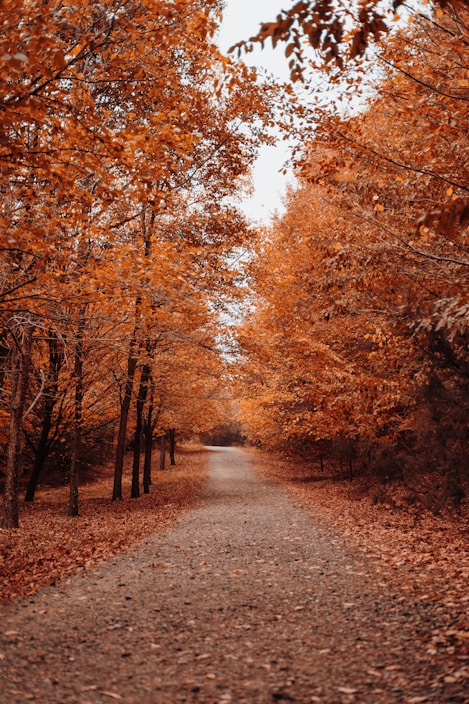
Autumn brings a quieter, more atmospheric Scandinavia. September is often still pleasant, with afternoons around 16-17°C (61-63°F) in the capitals, while forests across Norway and Sweden turn shades of gold, orange, and red. As the summer crowds leave, prices fall and the fjords and national parks feel peaceful, making it a great time for hiking, scenic drives, and train journeys. It is also harvest season, with wild berries, mushrooms, and fresh seafood on menus across the region. As the nights grow darker, the northern lights return to Arctic Norway and Swedish Lapland, and from September the skies above Tromsø and Abisko offer good chances to see them. In the cities, autumn is the season for museums, design shops, cozy cafés, Danish hygge, and Swedish fika. By November, days are short, temperatures drop toward freezing, and the first Christmas markets open. Pack warm layers and waterproofs, especially for Bergen and Norway's west coast, where autumn is one of the rainiest times of the year.

Winter Wonderland: Northern Lights, Snow, and Festive Cities
December – February. -5 to 5°C

Winter Wonderland: Northern Lights, Snow, and Festive Cities

Winter turns Scandinavia into a true winter wonderland. In the capitals, temperatures usually range from about -5°C to 5°C (23-41°F), with Copenhagen the mildest and Oslo and Stockholm often covered in snow. Days are short, with around six hours of daylight in Oslo and Stockholm in late December, but in December the cities glow with candles, lights, and Christmas markets, from Tivoli Gardens in Copenhagen to Gamla Stan in Stockholm. Further north, the Arctic offers unforgettable experiences: dog sledding, snowmobiling, reindeer sledding with the Sámi, and nights spent chasing the northern lights in Tromsø or Swedish Lapland. During the polar night, when the sun does not rise in Tromsø from late November to mid-January, the days bring a soft blue light and the long dark skies are ideal for the aurora. In Arctic Norway temperatures often stay below freezing, so thermal layers, a warm coat, and good boots are essential. Winter is also the time for Norway's ski slopes and cozy evenings by the fire, perfect for travelers looking for something truly different.

Essential Information About Scandinavia

Three kingdoms, deep fjords and the Arctic north: the design capitals of Copenhagen, Stockholm and Oslo, the fjords of western Norway and the northern lights of Tromsø and Lapland. Here is what to know before you go.

Capital
Copenhagen, Stockholm and OsloScandinavia is three countries, each with its own capital: Copenhagen in Denmark, Stockholm in Sweden and Oslo in Norway. Finland and Iceland are Nordic countries but not strictly Scandinavian.
Currency
Krone and kronaDKK in Denmark, SEK in Sweden and NOK in Norway. None of the three uses the euro, and each currency only works in its own country.
Visa
Not required for mostAll three are in the Schengen Area. Visitors from the US, UK, Canada and Australia can stay up to 90 days in any 180 without a visa, counted across all Schengen countries. The EU's ETIAS travel authorization has no confirmed start date yet, so check before you travel.
Trip length
10-14 daysCopenhagen, Stockholm and Oslo in about a week. Add the Norwegian fjords for 10 to 12 days, and Arctic Norway or Swedish Lapland for two weeks.
Language
Danish, Swedish and NorwegianThree closely related languages. English is very widely spoken, especially in the cities, and Sámi languages are spoken in the far north.
Time zone
UTC+1Denmark, Sweden and Norway share Central European Time and move to UTC+2 for summer time, from the last Sunday of March to the last Sunday of October.
Plugs
Types C and F230V. European round-pin sockets, so UK and US plugs need an adapter, and single-voltage US appliances also need a converter. Denmark also has its own Type K socket, which takes standard European plugs.
Getting around
Trains, ferries and flightsTrains link Copenhagen and Stockholm in about 5 hours, and the Bergen Railway crosses the mountains from Oslo to Bergen in about 7. Ferries and Hurtigruten coastal ships serve the fjords and the Norwegian coast.
Pay by card

Card and mobile payments are the norm, and some shops and cafés, especially in Sweden, no longer accept cash. Bring a contactless card with no foreign transaction fees.

Drink the tap water

Tap water is clean and safe to drink throughout Scandinavia, so bring a refillable bottle instead of buying bottled water.

Dress in layers

The weather changes quickly, even in summer. Pack a waterproof jacket and warm layers, and proper thermals for the Arctic in winter.

Expect high prices

Eating out and alcohol are expensive. In Norway and Sweden, wine and spirits are sold only in state-run shops, Vinmonopolet and Systembolaget. Service is included, so tipping is not expected.

Take out travel insurance

Choose a policy with medical and cancellation cover, which matters most for outdoor and Arctic activities such as hiking, dog sledding and snowmobiling.

Why Travel With Memphis Tours

We don’t just plan trips; we craft legacies. Here is why thousands of travellers trust us with their Scandinavia journey.

Your journey

Tailored Experiences

Design your ideal journey. Customize every detail, or let us craft the perfect itinerary around your interests.

Start Creating
Since 1955

Years of Success

Memphis Tours has been setting standards in the tourism industry for over seven decades, giving you the trust you look for.

Book with confidence

Secure Online Payment

Our encrypted payment system keeps your personal and financial information fully protected.

VISAMastercard
Unlimited access

Multi-Country Trips

Add a second destination to your trip, with expert planning managed by local travel specialists.

Expert local guidesA licensed local guide who speaks your language.

Private driver & carA dedicated driver and air-conditioned vehicle.

24/7 supportSomeone to call at any hour while you travel.

ISO 9001:2015Certified quality management on every trip.

Scandinavia

Frequently Asked Questions

Got questions? We’ve got answers. Find everything you need to know to plan your perfect trip.

Free quote

Book about 3 to 6 months ahead for the best choice of dates and hotels. Allow more time for summer trips and for the Northern Lights season, when popular tours, trains, and Arctic accommodation fill up quickly.

Travel insurance isn’t a legal requirement for visa-exempt travelers, but it is strongly recommended. Healthcare and last-minute travel changes can be very expensive in Scandinavia. Choose a policy that covers medical care, cancellations, and any winter activities you plan to try.

Yes. Scandinavia is safe, English is widely spoken, and public transport is easy to use, which makes it a great choice for solo travelers. Joining a guided tour is also an easy way to meet like-minded travelers while someone else handles the planning.

Generally, yes. Most cities have accessible public transport, step-free entrances, and elevators, and Sweden runs a national database with detailed accessibility information. Some older buildings, cobbled old towns, and snowy northern areas can be harder to get around, so mention any needs when you book.

The main airports have fast rail links. The Copenhagen Metro, Oslo’s Flytoget airport express train, and Stockholm’s Arlanda Express all reach the city center in about 15 to 20 minutes, which is usually quicker and cheaper than a taxi.

Yes. All three countries use Central European Time (UTC+1) and switch to summer time (UTC+2) from late March to late October, so you won’t need to change your watch when you cross borders.

The classic coastal voyage sails along Norway’s coast between Bergen and Kirkenes, near the Russian border, calling at dozens of ports along the way. A round trip takes about 12 days. It’s a relaxed way to see island villages and the Arctic coastline.

Midsummer in June is the biggest celebration of the year, with flower crowns, dancing, and long light nights, especially in Sweden. Other highlights include Walpurgis Night bonfires on April 30 and Norway’s Constitution Day parades on May 17. In winter, the region fills with Christmas markets.

Yes. Flights from Copenhagen, Oslo, and Stockholm to Reykjavik take about three hours, so Iceland’s volcanoes, waterfalls, and geothermal hot springs make an easy add-on before or after your Scandinavia tour.

If you have a phone plan from the EU or EEA, you can usually roam in Norway, Sweden, and Denmark at no extra cost. Travelers from elsewhere should check their roaming charges or buy a local SIM or an eSIM before departure. Free Wi-Fi is widely available in hotels, cafés, and on many trains.

Stay Updated Daily!

Join our official WhatsApp Channel for exclusive news, travel inspiration, and secret flash deals.

Join Channel
Memphis Tours
Memphis Tours Official Channel
Today
Ready for your next adventure? Discover new tours and exclusive deals!
10:00 AM
🎁 Exclusive Deal: Book today and get a special upgrade!
10:05 AM
Follow Channel

Free quoteScandinavia

Inquire Now