Family vacations create wonderful, lasting memories: Have you ever considered taking your family on a trip to East Africa?
From Kenya Safari Tours and Tanzania Safari to Uganda Safari and Rwanda Safari, this culturally rich, incredibly biodiverse region has a lot to offer to families in search of fun and adventure. Safaris, one of the region’s most popular activities, give children unforgettable experiences, often instilling in them a lifelong love of animals and nature. But it’s important to make sure your child is ready for safaris in Africa!
Are your children old enough to go on safari in East Africa?
That depends! In general, children who are around 8 or 9 should be at a good age to enjoy the typical activities of a vacation in East Africa, such as a safari in Kenya or a visit to the beaches of Zanzibar. However, even younger kids (5+) can have a blast under the right circumstances.
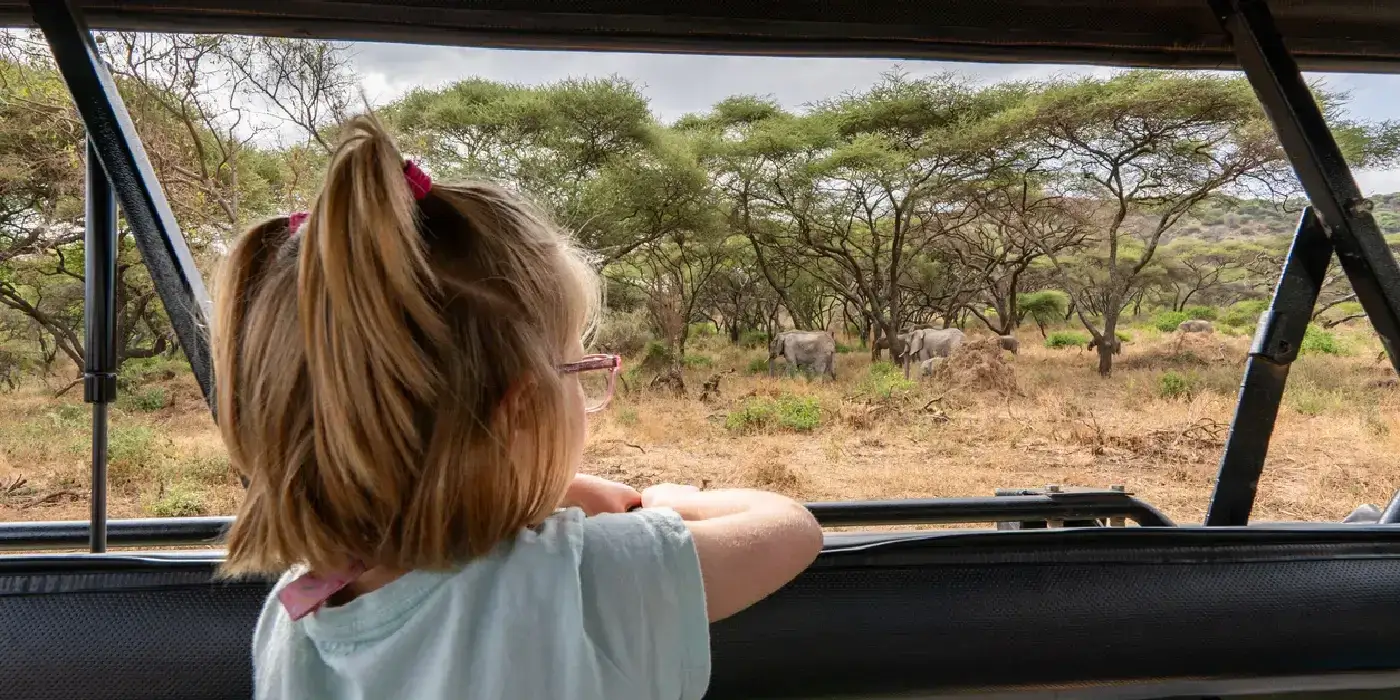
While on safari, you will be waking up early in the morning, spending hours in the car on game drives, and obeying essential safety instructions. If your kids are ready to handle that, then they’re ready to go on safari.
You should also consider the length of your vacation. For example, a ten-day safari is too much for many adults, let alone children! A safari experience of around 3-6 days should strike the right balance, giving your family incredible memories without overwhelming your kids. You can also add on a city visit or beach getaway to unwind after your safari.
So if you’ve decided to head to East Africa, here is some advice for having the smoothest family trip possible:
Depending on your departure city, you may be facing a very long flight (or multiple long flights). If at all possible, choose a shorter, direct flight to save yourself some hassle. There are now some direct routes between North America and Africa. If you’re transiting through Europe or the Middle East, consider stopping over for a few days to break up the trip. Bring plenty of snacks and entertainment, pack a good travel pillow to stay comfortable, and remember that it will all be worth it once you arrive!
Customize Your Dream Vacation!
Get in touch with our local experts for an unforgettable journey.
Plan Your Trip
-
Be aware of potential age limits on activities
Different safari lodges and tented camps have different rules when it comes to hosting children. Some may only accept children over the age of 8, while others are well-equipped to handle younger children. This is simply something to be aware of, so do a little research and ask about any potential age restrictions before you make your booking.
Also keep in mind that certain activities, such as walking safaris and gorilla trekking, are only suitable for older children (12+) or teens. Again, if you have a specific activity in mind, check beforehand if it will be possible to bring your kids along.
-
Consult your doctor about vaccinations and malaria precautions
You and your family will need to be up-to-date on your vaccinations before traveling. Make an appointment with your doctor or a travel clinic well in advance of your trip to receive specific advice for your destination and travel plans.
Make sure to protect yourself and your kids from mosquitos. Your accommodations will generally provide mosquito nets to protect you while you sleep, but you should also pack some insect repellant. Stay especially vigilant in the late evening and early morning, when mosquitos are most active.
-
Respect the sun (and the water)
Safari days can be long and dusty, so it’s essential to drink plenty of water. Your tour operator should provide plenty of water bottles in the safari vehicles so you and your kids can all stay hydrated.
You may spend a lot of time outside while on safari, so make sure everyone has sunglasses and is wearing sunscreen! Long sleeves and pants provide even better protection against the sun. If your kids go swimming, have them wear and reapply sunscreen (choose a brand that is coral safe if you’re swimming in an area where that’s a concern, such as off the coast of Zanzibar).
Speaking of swimming: Your children should only swim in designated, safe bodies of water. Don’t let them splash around in the nearest watering hole, as there could be hippos or crocodiles lurking. Kids should also be careful of sea urchins if they go swimming in Zanzibar; a pair of reef shoes will protect their feet from the sharp spines. When in doubt about swim safety, stick to the pool at your lodge, or ask your guide!
-
Teach your kids how to be safe around wild animals
It’s important for everyone to be respectful and safe while on safari, so take some time to teach your kids the basics. While on a driving safari, they should listen to all instructions given by the safari guide. No leaving the car, and of course, no feeding the animals. If they need to use the bathroom or simply want to get out of the car to stretch their legs, they should let you and the driver know so they can be allowed out in a safe location (for example, at a designated picnic spot).
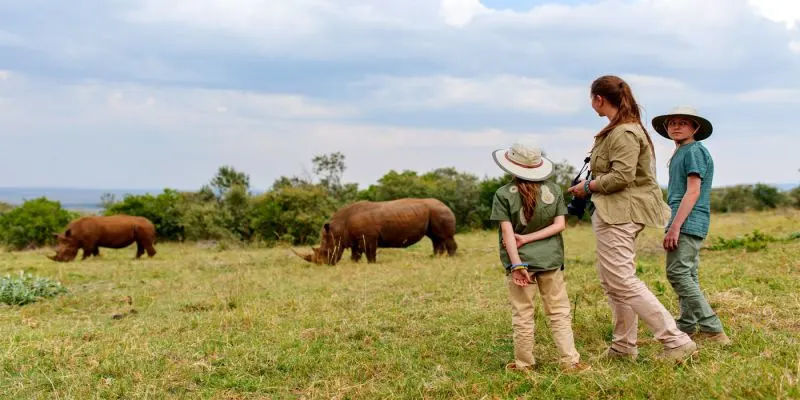
Sometimes, you might be outside the safari vehicle at a wildlife observation spot, such as a lake full of hippos. It’s always tempting to want the best view possible, but it’s never a good idea to approach wild animals. Keep an eye on your kids to ensure they maintain a safe distance and stay behind any protective barriers.
With a few simple precautions and considerations, your family trip to East Africa is sure to be a success!
Best Family Safari Destinations in East Africa
East Africa is not one single safari experience, it’s a collection of completely different landscapes, wildlife encounters, and travel rhythms. Choosing the right destination depends on your children’s age, patience for game drives, and whether you want to mix wildlife with beach time. Here’s how the top family-friendly safari destinations compare:
One of Africa’s most iconic safari destinations, the Maasai Mara is famous for the Great Migration, where over 1.5 million wildebeest and zebras cross from Tanzania’s Serengeti between July and October.
Best for:
- First-time safari families
- Teens who want dramatic wildlife sightings
- Kids 8+ who can handle early morning drives
Why families love it:
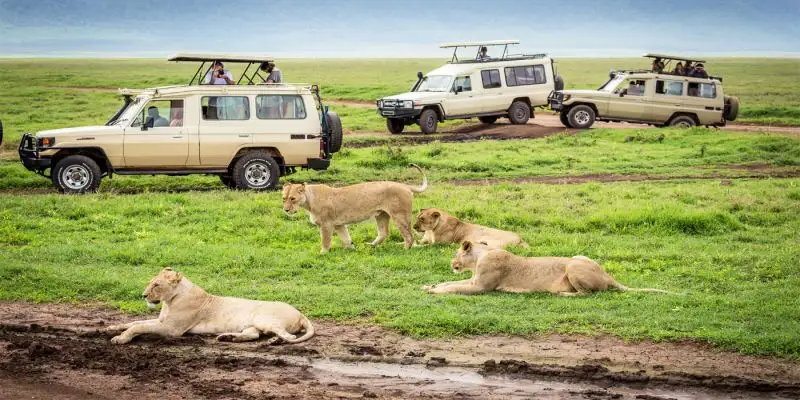
Game viewing is extremely consistent: lions, elephants, giraffes, and cheetahs are often seen within a single day.
Consider:
Game drives can be long, and lodges are often in remote areas, so it’s best for children who enjoy nature and patience-based experiences.
Covering nearly 15,000 km², the Serengeti is one of the oldest ecosystems on Earth, dating back more than one million years.
Best for:
- Older kids and teens (10+)
- Families combining Kenya + Tanzania safaris
- Wildlife-focused travelers
Why families love it:
It feels like a real-life wildlife documentary, especially during the migration season when herds stretch across the horizon.
Consider:
Travel distances are long, so it suits families comfortable with full-day safari exploration.
Formed about 2–3 million years ago, this collapsed volcanic caldera is now one of the densest wildlife habitats in the world.
Best for:
- Younger children (6+)
- First-time safari families
- Short safari experiences
Why families love it:
You descend into a natural “wildlife bowl” where you can spot lions, zebras, rhinos, and hippos in just a few hours.
Consider:
It’s one of the easiest safari areas for guaranteed sightings, perfect for short attention spans.
Zanzibar (Tanzania Coast)
Zanzibar combines 600 years of Swahili, Arab, and Portuguese history with turquoise Indian Ocean beaches.
Best for:
- Beach + safari combinations
- Families needing relaxation after safari
- Kids of all ages
Why families love it:
After dusty game drives, Zanzibar offers calm waters, soft beaches, and easy snorkeling.
Consider:
It’s not a wildlife destination, it works best as a “reward ending” after safari adventures.
Dating back over 25,000 years, Bwindi is home to nearly half of the world’s remaining mountain gorillas.
Best for:
- Teens (15+)
- Adventure-focused families
- Wildlife education experiences
Why families love it:
Meeting mountain gorillas in the wild is one of the most emotional wildlife encounters in the world.
Consider:
Gorilla trekking is physically demanding and not suitable for younger children.
Discover Africa at its finest with your family through our carefully crafted African safari tours!
Safari Lodge vs Tented Camp: Which Is Better for Families?
Parents often wonder which option works best, and the answer depends on how much comfort vs adventure your family wants.
Safari Lodges
Safari lodges are permanent buildings that feel closer to a hotel.
- Private bathrooms with hot showers
- Reliable electricity (often 24/7)
- Family or connecting rooms
- Usually fenced, adding extra safety for kids
- More facilities like pools and open spaces
Best for: younger kids, first-time safari families, and anyone who prefers comfort and routine.
Tented Camps
Tented camps are canvas-style accommodations that bring you closer to nature.
- En-suite bathrooms (often fully private)
- Electricity available, sometimes limited
- Can be fenced or unfenced depending on location
- More immersive wildlife experience
Best for: teens, adventure-loving families, and those wanting a more authentic safari feel.
Best Time of Year for a Family Safari
Choosing when to go can completely shape your safari experience. Each season in East Africa feels different, from wildlife visibility to crowd levels.
- Dry Season (Best Wildlife Viewing): Animals gather around water sources, making sightings easier; thinner vegetation improves visibility; and roads are easier to navigate, best for first-time safari families and kids who want more guaranteed wildlife encounters.
- Green Season (Fewer Crowds, Better Prices): Rainy but beautiful, with fewer tourists, lower lodge rates, lush green landscapes, dramatic skies, and lots of newborn animals, ideal for families looking for a quieter and more budget-friendly safari.
- Migration Season (Kenya & Tanzania): One of nature’s greatest events, with over 1.5 million wildebeest and zebras moving across the Serengeti–Maasai Mara ecosystem; river crossings (July–October) and predator action make it especially exciting, best for families with teens and wildlife lovers.
Start planning your unforgettable adventure today with our expertly crafted Africa safari trips, designed to bring your family closer to nature, wildlife, and once-in-a-lifetime experiences in East Africa.
FAQs
Is East Africa safe for families traveling with children?
Yes, you can safely travel to East Africa with your family as long as you follow basic safari rules, stay with your guide, and choose reputable lodges and tour operators that prioritize guest safety and child-friendly experiences.
What age should my kids be to go on safari?
Your children can start enjoying a safari from around 6–9 years old, depending on their patience and comfort with long drives. Older kids and teens usually get the most out of wildlife viewing and longer game drives.
Can I take my toddler on an African safari?
Yes, you can travel with toddlers, but you should choose very carefully. You’ll need short game drives, flexible schedules, and family-friendly lodges, since long drives and early mornings can be challenging for very young children.
What animals will my children see on safari?
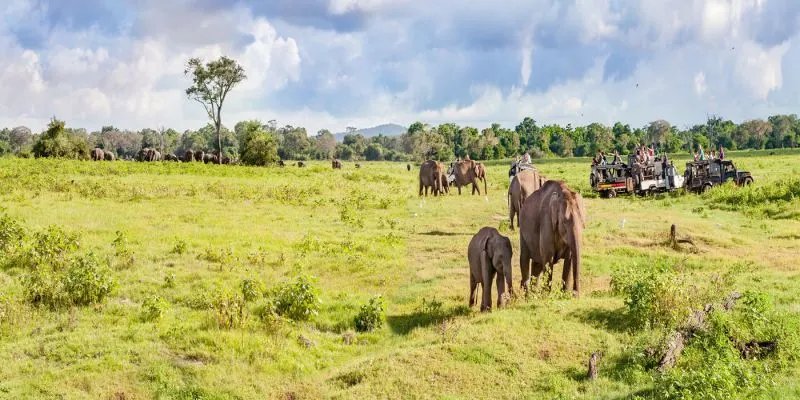
Your kids can expect to see iconic wildlife such as elephants, lions, giraffes, zebras, hippos, and possibly cheetahs or rhinos, depending on the park and season. Every game drive gives you a different mix of sightings, which keeps the experience exciting.
Which safari destination should I choose for my first family trip?
You should consider places like Maasai Mara or Ngorongoro Crater because they offer easy wildlife sightings, shorter drive times, and high chances of seeing animals quickly, which is perfect for first-time family travelers.
What are the most common mistakes families make on safari?
You might underestimate travel distances, overpack schedules, or choose activities not suitable for your kids’ age. You should also avoid expecting constant Wi-Fi or city-style comfort in remote safari areas.
What safety rules should I teach my kids before going on safari?
You should teach your children not to leave the vehicle, not to feed animals, and to always listen to the safari guide. You should also remind them to keep a safe distance from all wildlife at all times.
Can I combine a safari with a beach holiday in East Africa?
Yes, you can easily combine your safari with relaxing beach time in Zanzibar, which is perfect for unwinding after game drives and works well for families needing balance between adventure and relaxation.