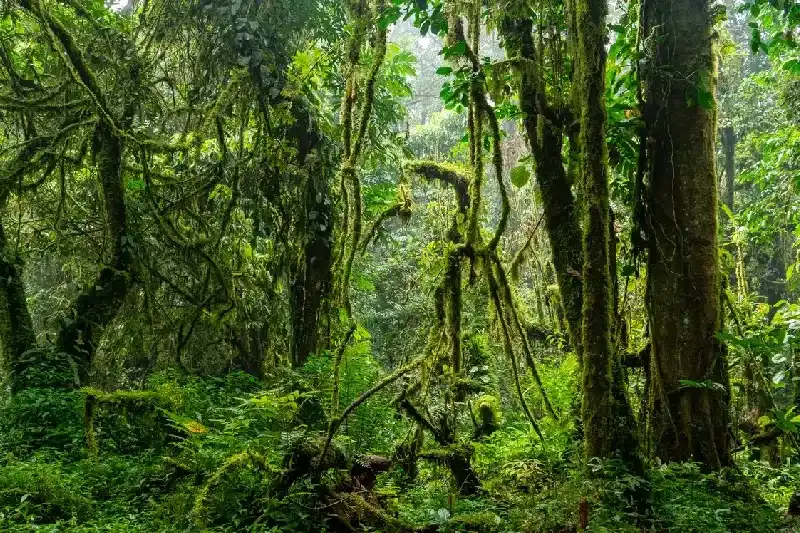
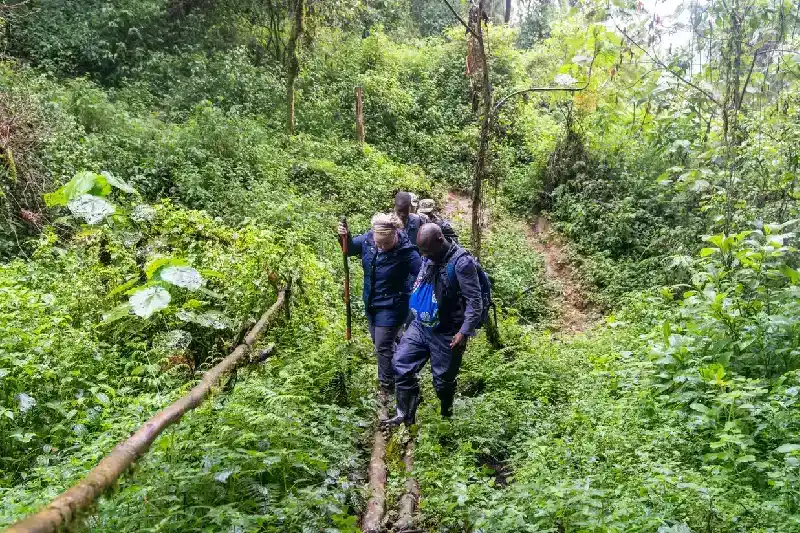
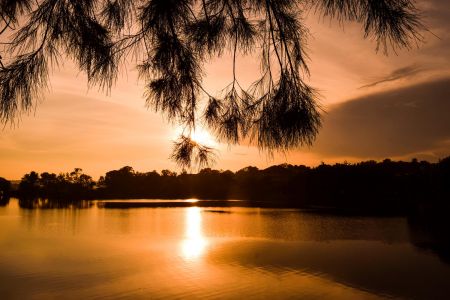
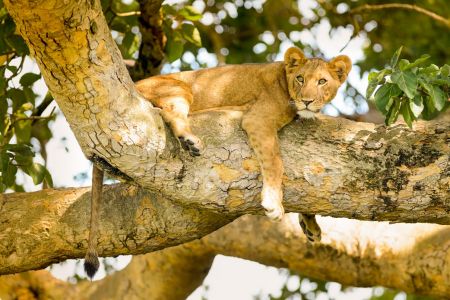
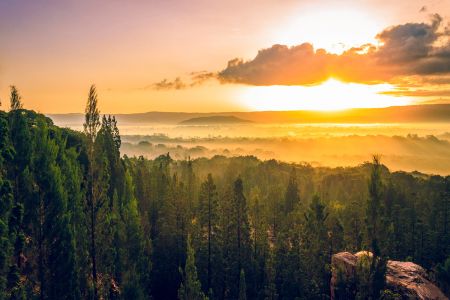
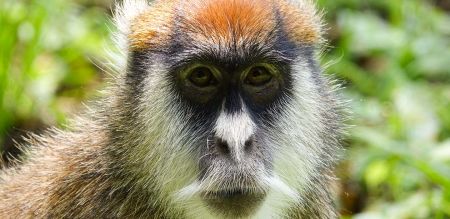
Bwindi Impenetrable Forest is considered one of the most evocative destinations in Africa. Bwindi Impenetrable National Park is one of the continent’s most ancient ecosystems, having survived the Ice Age when many other regions did not. Covering 321 square kilometers of mountainous and lowland forest, the park is accessible only on foot, adding to its sense of adventure and untouched beauty.
Flora and Fauna in Bwindi Impenetrable Park
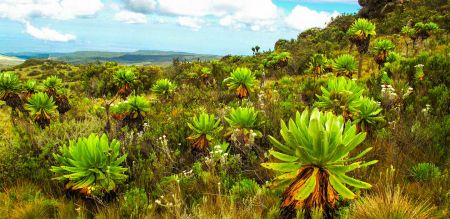
Floristically, the park is one of the most diverse forests in East Africa. The National park also includes a huge amount of species of flowers with more than 1,000 flowering plant species, including 163 species of trees and 104 species of ferns.
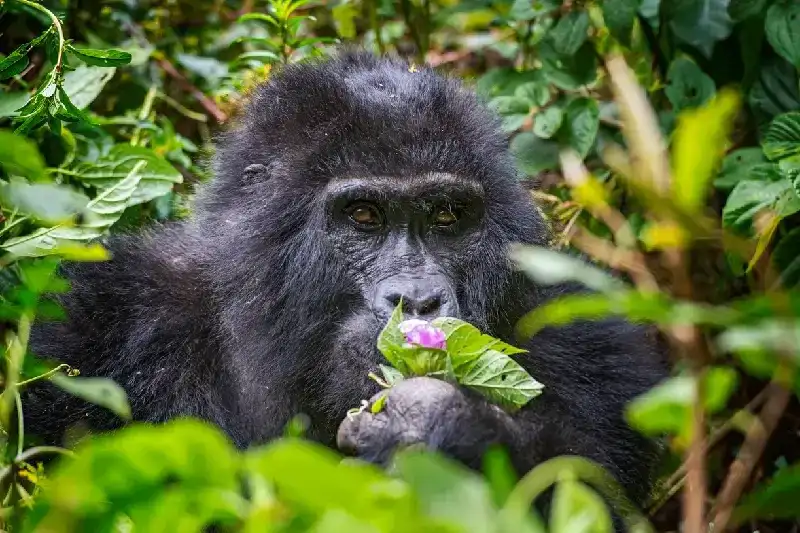
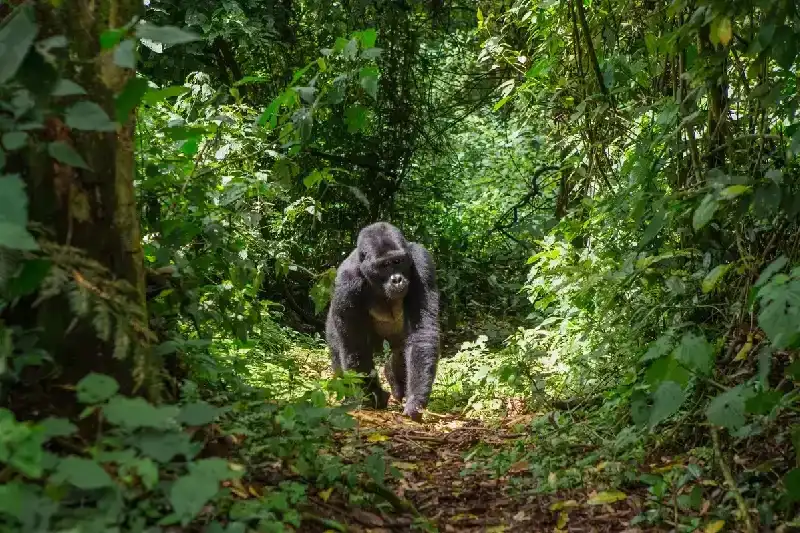
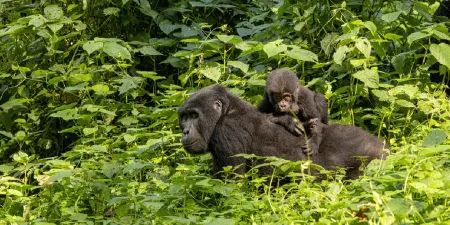
The park also includes around 340 mountain species individually known as the Bwindi population which makes up the majority of the mountain gorillas in the world. The rest of the worldwide mountain gorilla population in the Virunga Mountains which is nearby.
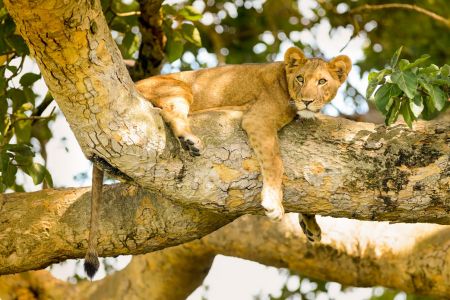
350 bird species. 120 mammals. Endless wonder. Our Uganda Safari Tours pair you with expert guides who know Bwindi's forest like the back of their hand.
![]()
Things to Do in Bwindi Impenetrable National Park
1- Gorilla Tracking
- Bwindi Impenetrable National Park is one of the best national parks to find the endangered mountain gorillas. This activity can be done in four regions around the park: Ruhiija, Buhoma, Nkuringo and Rushaga gorilla tracking areas.
- Buhoma and Nkuringo regions in the south of Bwindi are the only two regions authorized sectors for Gorilla trekking. Buhoma is the most famous sector among them and it was the first to be established for gorilla trekking under the Uganda Wildlife Authority.
- It is the most famous one as it has well developed trails that make trekking much more enjoyable and easier. Besides enjoying gorilla trekking, visitors also have the chance to be accompanied by beautiful views of plenty of bird species.
- There is also a chance to enjoy a cultural tour in Buhoma and enjoy some cultural activities like cultural performances in songs and dances.
- Located South west of Bwindi, Nkuringo region is also an amazing area for gorilla tracking. While trekking through the forest in search of the gorillas, there is a chance to be encountered with habituated gorilla families such as Orozogo, Kyaguriro, and Bitukura.
One of Africa's oldest ecosystems. Half the world's mountain gorillas. Explore our Uganda Safari and let us help you plan the trek of a lifetime.
![]()
Customize Your Dream Vacation!
Get in touch with our local experts for an unforgettable journey.
Plan Your Trip
2- Nature Walks
- This is a great opportunity to indulge in the beauty of nature. Visitors will be guided by a tour guide who will lead the way and help understand the nature system in the park.
- There are six trails in Buhoma to enjoy nature: Muyanga waterfall trail, Rushura Hill walk, Muzubijiro Loop Trail, Buhoma-Nkuringo Trail, The Ivi River Walk, The Habinyanja Trail or Raleigh trail.
3- Trekking
Same six trails as mentioned before are perfect for hiking activities. It will also be an excellent chance to witness lots of primate species, butterflies and plenty of tree species.
4- Bird Watching
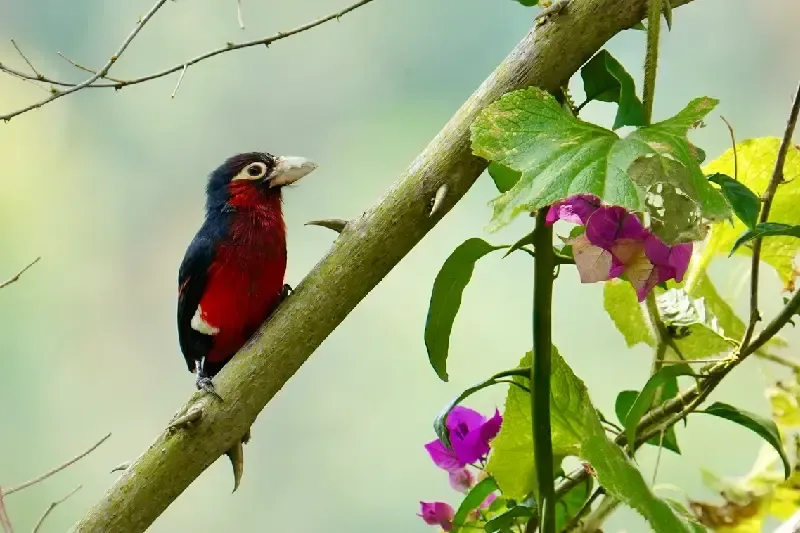
- The ancient rainforest of Bwindi Impenetrable National Park is home to more than 350 bird species including the Blue-headed sun-bird, short- tailed warbler, white-tailed Blue Flycatchers, Red-headed Blue-Bil, African Emerald cuckoo, African Blue and the common and precious Bul-bul.
- The Ruhiija sector is the most recommended sector as it includes various birds such as Francolin white-tailed crested, Flycatcher and Cinnamon-chested Bee-eater, western green tinker, Woodland-Warbler, Rwenzori batis and many others.
- During a tour to gorilla trekking there is a high chance to enjoy bird watching. Various birds can be spotted in the air singing giving the tourists a memorable experience.
5- Mountain Biking
- Mountain biking at Bwindi Impenetrable National park is a must do activity for biking enthusiasts, It is best done around Bwindi impenetrable forest.
- As it is offered by a women organization called Ride 4 a woman organization, visitors will be supporting the local community as well as the women who are part of this organization by renting a mountain bike for a ride.
- Depart in the morning hours to start this activity and you will follow a well-maintained 13km trail right from the park headquarters at Buhoma to the Ivi River. The ride usually lasts 6 to 7 hours.
- There is a chance to spot some wildlife such as the black-and-white colobus monkeys, red-tailed monkeys, bushbucks, squirrels, duikers and chimpanzees on the way.
![]()
Gorilla Permits: What You Need to Know
Securing a gorilla permit is the most important step in planning your visit to Bwindi Impenetrable National Park, and it must be done well in advance.
Gorilla trekking permits cost:
- $800 USD per person for foreign non-residents
- $700 USD for foreign residents
- 300,000 UGX for East African citizens
- Gorilla habituation experience (spending up to four hours with an unhabituated gorilla group) costs $1,500 USD per person.
No gorilla permits are sold on-site. All permits must be purchased in advance through tour operators or directly via the Uganda Wildlife Authority (UWA). Walk-in permits are never available. Experts strongly recommend booking 3 to 6 months in advance, especially during peak seasons from June to September and December to February, as permits sell out quickly.
Your gorilla permit includes the park entrance fee for that day, which allows you to enjoy other activities like nature walks without paying an additional fee.
Permits sell out months in advance, don't miss your chance. Book your spot now with our Uganda Tour and we'll handle every detail, from permits to accommodation.
![]()
Location
The Bwindi Impenetrable National Park is located in southwestern Uganda, on the edge of the Rift Valley.
Climate
Dry Season
The dry season in Bwindi Impenetrable National Park lasts from June to August and from December to February. During the dry season the weather is sunny and humid.
Wet Season
The wet season occurs from March to May and from September to November. The weather during this period becomes misty and wet.
Best Time to Visit
Tourists can visit Bwindi Impenetrable National Park any time of the year, as the park is open year-round. However, conditions can be more challenging during the rainy season, and the park’s remote location means the access roads are often in poor condition.
The dry season is the best time for gorilla trekking. Days are easier for hiking, but it can get chilly at night, so bring warm clothing. Make sure to carry water for the sunny hours of the day. Peak season in June and July often means trekking routes are busier, with more tourists on the trails.
The wet season is ideal for bird watching, as many migratory species are present in the park. Although the trails can become slippery and roads harder to navigate, gorilla trekking is still possible during this time.
Some lodges and camps may close during the wet season, particularly from March to May. Early mornings and late nights can be especially cold, so packing warm clothes is strongly recommended.
![]()
Insider Tips for First-Time Trekkers
- Pack sturdy waterproof hiking boots, a rain jacket, long sleeves and trousers, binoculars, and enough water and snacks for a trek that can last anywhere from 3 to 8 hours.
- Gorilla trekking departs every morning, treks begin at 8 AM from the four trekking hubs of Buhoma, Ruhija, Nkuringo, and Rushaga. Arrive at least 15 minutes early for registration.
- If you fall ill and cannot trek, 50% of your permit fee may be refunded, this policy exists to protect the gorillas from human illness, as even a common cold can be fatal to them.
- Don't miss the Batwa Cultural Experience, a visit to the indigenous Batwa community that gives you a moving window into the ancient forest culture of Uganda's original inhabitants.
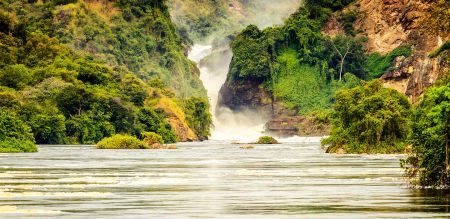
Keep exploring Uganda: Queen Elizabeth National Park, Murchison Falls, Kibale National Park, and Kidepo Valley. Discover the wonders of Uganda with our Uganda safari tours and African safari tours!
When is the best time to visit Bwindi Impenetrable National Park?
The dry season (June to September) is ideal for gorilla trekking, with easier trails and more comfortable hiking. The wet season is best for bird watching, though trails can be slippery.
Do I need a permit to trek gorillas in Bwindi?
Yes, a gorilla trekking permit is mandatory. It must be purchased in advance through the Uganda Wildlife Authority or a licensed tour operator, no walk-ins are allowed.
What wildlife can I see in Bwindi besides gorillas?
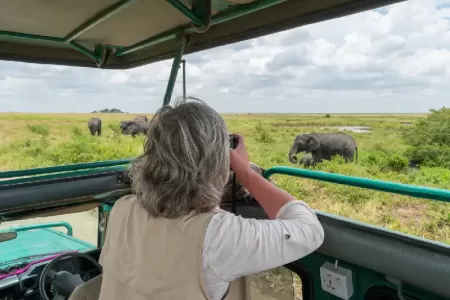
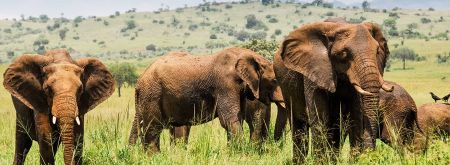
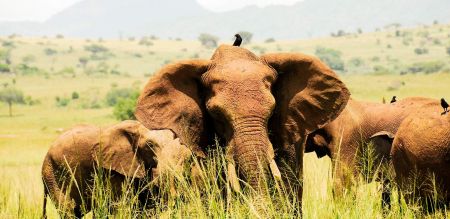
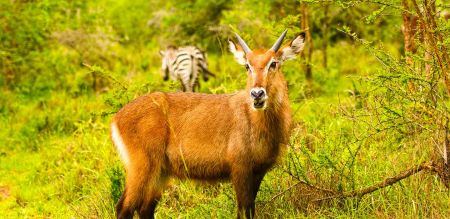
Apart from mountain gorillas, the park is home to chimpanzees, monkeys, elephants, forest antelopes, and hundreds of bird species, making it a paradise for wildlife enthusiasts.
How long does a gorilla trek usually take?
A trek can take 2 to 8 hours, depending on where the gorilla family is located. Treks are guided, and you’ll spend 1 hour observing the gorillas once you reach them.
What should I bring for a visit to Bwindi?
Bring sturdy hiking boots, long pants, a rain jacket, warm layers for mornings and evenings, water, snacks, and insect repellent. Trekking poles are also helpful on slippery trails.