Murchison Falls National Park
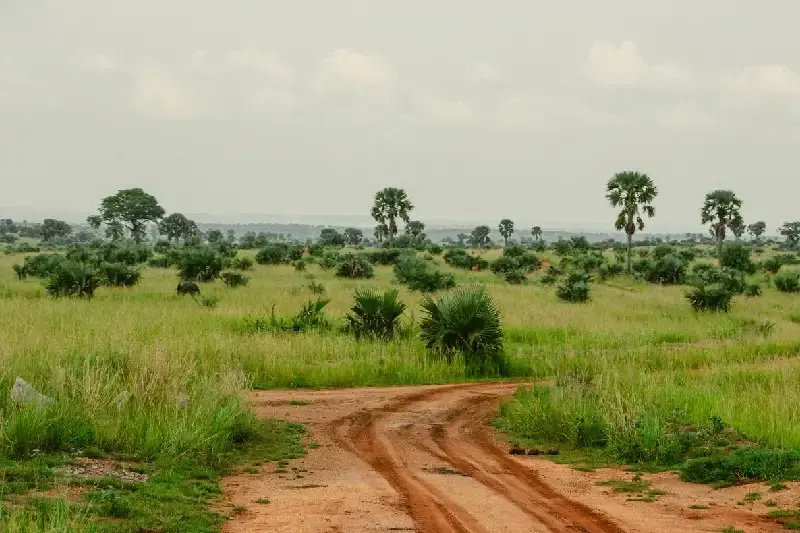
Few national parks can strike the perfect balance of vegetation .animal species, gorgeous looking streams, waterfalls, and rivers except for the Murchison Falls National park.

Few national parks can strike the perfect balance of vegetation .animal species, gorgeous looking streams, waterfalls, and rivers except for the Murchison Falls National park.
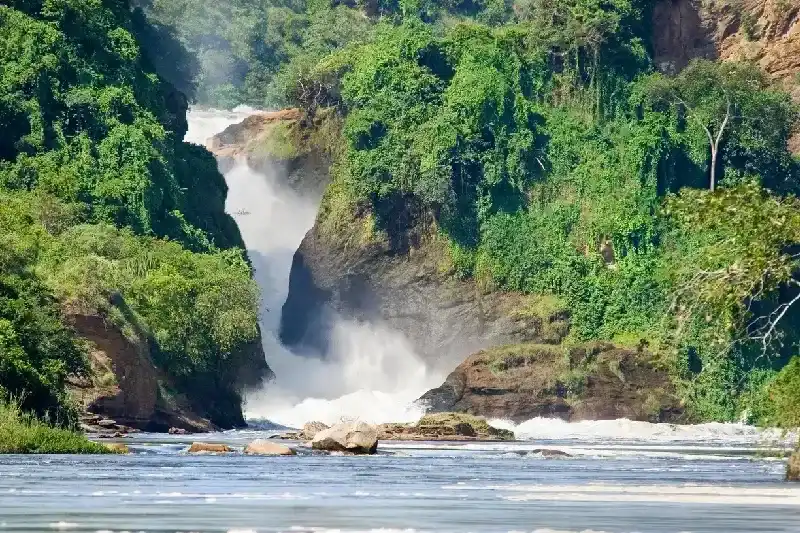
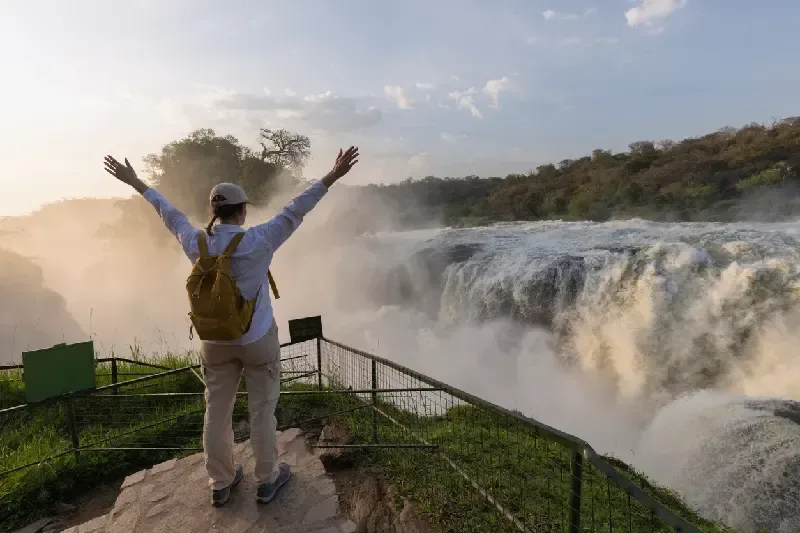
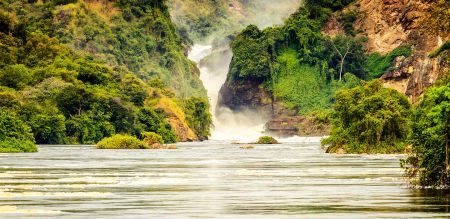
Murchison Falls National Park is Uganda's largest national park, covering 3,893 square kilometres of savannah, tropical forest, and wetland in the northwest of the country. The Victoria Nile flows through the heart of the park, reaching the famous Murchison Falls, where the entire river is forced through a 7-metre gap in the rock, creating one of the world's most powerful waterfalls.
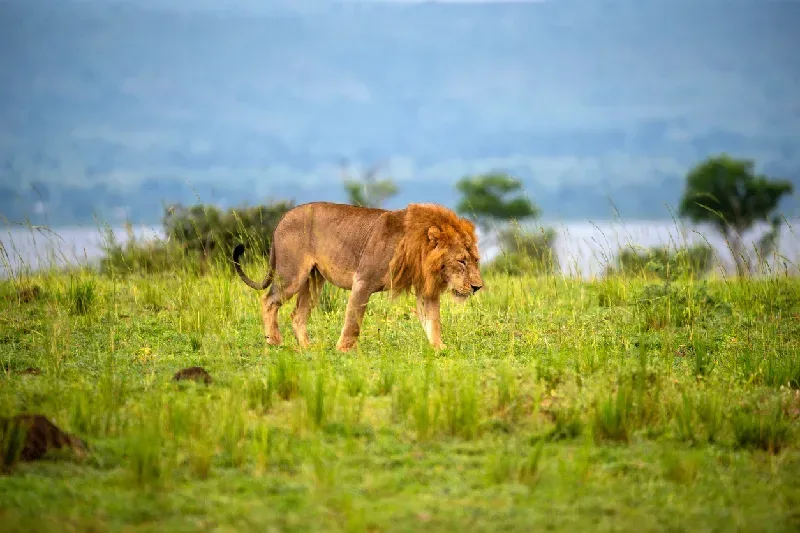
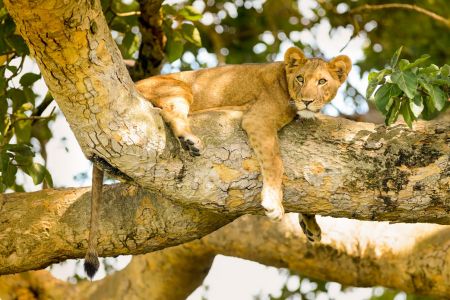
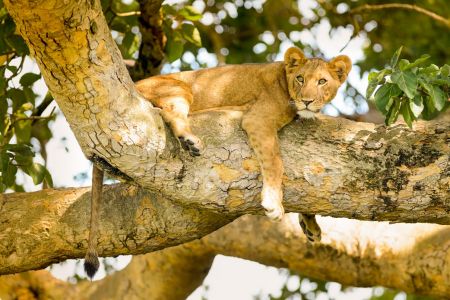
The park is home to four of the Big Five (lions, elephants, leopards, and buffaloes), Rothschild's giraffes, Uganda's largest population of Nile crocodiles and hippos, and 451 recorded bird species including the rare Shoebill Stork. It was established in 1952 under British colonial administration and is today managed by the Uganda Wildlife Authority.
British explorers John Hanning Speke and James Grant were the first Europeans to pass through the region in the 1860s. Sir Samuel Baker and Florence Baker later surveyed the falls in 1864, naming them after Sir Roderick Murchison of the Royal Geographical Society. Between 1907 and 1912, local communities were relocated due to a tsetse fly sleeping sickness epidemic, an event that allowed wildlife populations to recover along the river. The park was formally established in 1952 under British colonial administration and has been managed by Uganda Wildlife Authority since independence.
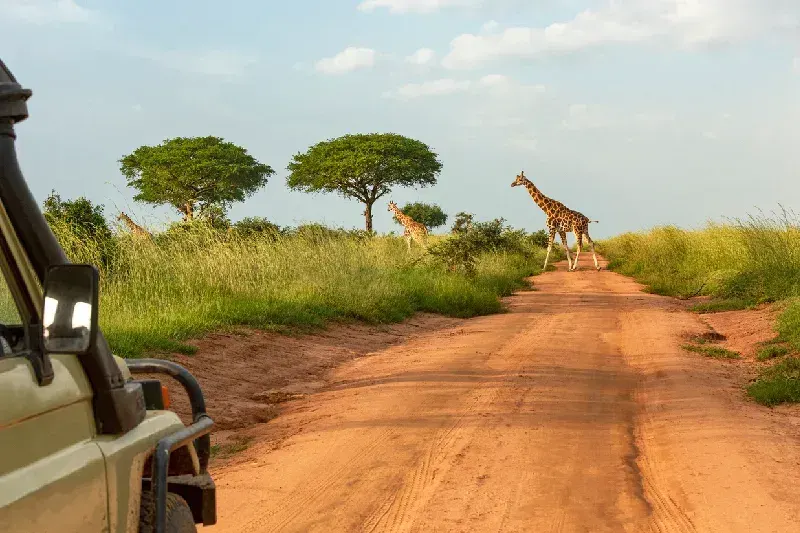
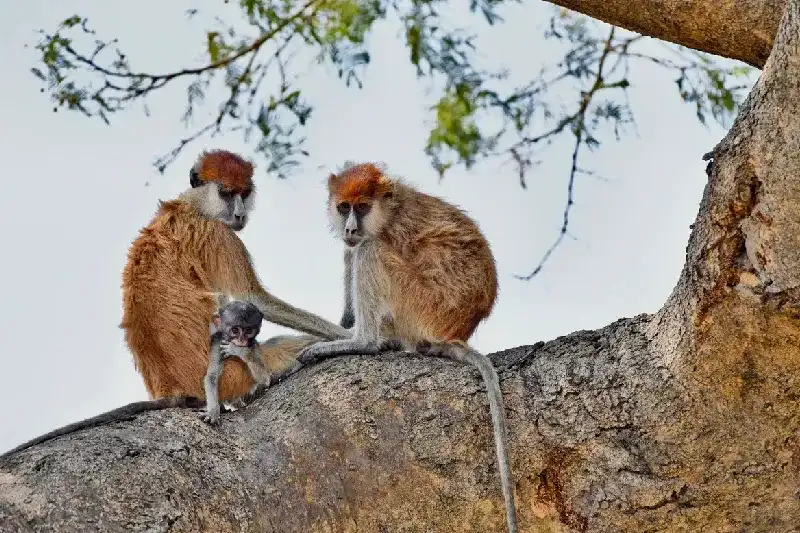
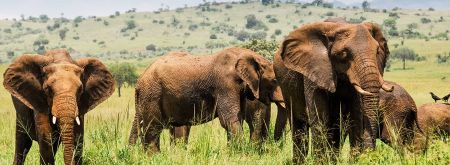
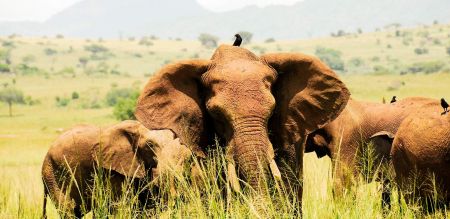
The park is home to over 76 species of mammals including four of the “Big Five” as well as Uganda's largest Nile crocodile population. Huge herds of buffaloes, elephants, leopards and lions reside at the park. In all Uganda, Giraffes can be spotted in Murchison Falls National Park and Kidepo Valley.
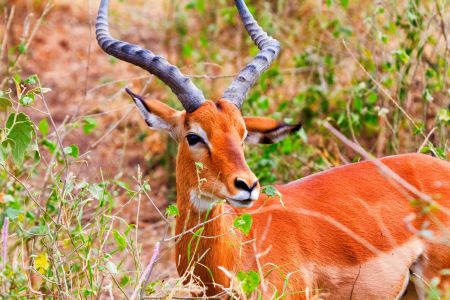
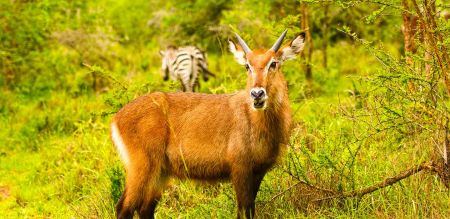
Other wildlife species include Jackson’s hartebeest, waterbucks, bushbucks, Uganda kob, and warthogs. Resident crocodiles and hippos as well as other, visiting wildlife are found along the river.
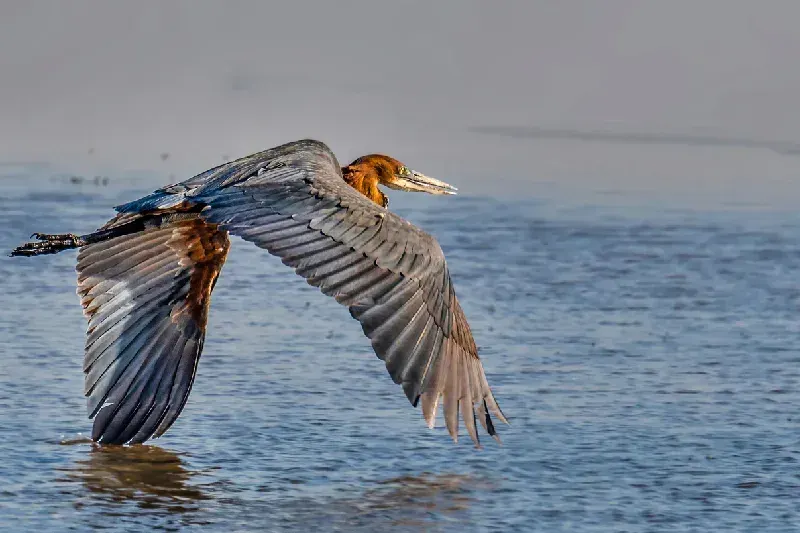
The park is home to a variety of birds with 451 species recorded. The species include the Shoebill Stork, the Goliath Heron (the largest heron in the world) and pairs of elegant Grey Crowned Cranes.
Along the banks of the Nile, there are the Blue-headed Coucal, Swamp Flycatcher, Squacco Heron, African Jacana, Sandpipers, Denham’s Bustard, Abyssinian Ground-Hornbill, Black-billed Barbet, Black-headed Gonolek.
Adding to the list, Eastern Grey Plantain-eater, Piapiac, Silverbird, Weaver Birds, Pied, Giant and Malachite Kingfishers, Red-throated Bee-eater, White-browed Sparrow Weaver, Speckle-fronted Weaver and African Quail-Finch.
Get in touch with our local experts for an unforgettable journey.
Plan Your Trip
Murchison Falls can be visited year-round, but the experience varies significantly by season. The two dry seasons offer the best wildlife viewing; the wet seasons are better for birdwatching and offer lower prices.
| Season | Months | Best For | Crowds |
| Dry - Peak | Jun - Sep | Wildlife, game drives | High |
| Dry - Quiet | Dec - Feb | Wildlife, clear trails | Low - Med |
| Wet Season | Mar - May / Oct - Nov | Birdwatching, budget | Low |
During the dry seasons (June–September and December–February), animals gather at the Nile and permanent water sources, making game drives highly productive. Trails are firm and accessible for chimpanzee tracking. The June to September period is peak season with the best weather overall.
During the wet seasons (March–May and October–November), the park turns lush and green. Migratory birds arrive and resident species display breeding plumage, making it the best time for birding. Fewer visitors and lower prices make this an attractive option for budget travellers.
The falls are the park's defining feature. The Nile compresses through a 7-metre gorge and drops 43 metres into a pool called the Devil's Cauldron. You can view them from the top, a 45-minute walk from the car park, or from the base on the Nile cruise. Both perspectives are spectacular and very different from each other.
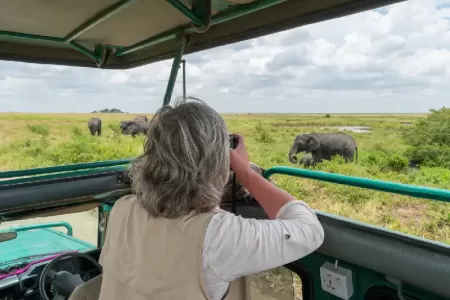
The northern bank of the Nile offers some of the most productive game driving in East Africa. Dawn drives regularly yield lions, elephants, giraffes, large kob herds, and if conditions are right, leopards. The Buligi circuit and the Paraa to Pakuba route are the most reliable areas. A four-wheel-drive vehicle is recommended; UWA guides are mandatory.
A boat cruise from Paraa to the base of the falls (17 km, 2–3 hours) is considered the highlight activity at the park. The riverbanks are lined with hippo pods, basking Nile crocodiles, elephants drinking at the water's edge, and dozens of bird species. The longer delta cruise (28 km, 4–5 hours, daily 9 am–2 pm) is the best way to find the Shoebill Stork.
Budongo Forest in the park's southern sector is home to habituated chimpanzee communities. Tracking begins at dawn; visitors spend one hour with the group once located. The forest is also excellent for birds, including many species not found in the northern savannah.
Guided walks are available at the top of the falls, in Rabongo Forest, and at Kaniyo Pabidi in Budongo Forest. Walking alongside the Nile and through the forest with an armed ranger is one of the most rewarding ways to experience the park. Dedicated birding excursions by boat and on foot are available for all skill levels.
From Kampala, drive north on the Gulu Road via Masindi town, approximately 305 kilometres and 4 to 5 hours. A four-wheel-drive is recommended, particularly in the wet season. Alternatively, charter flights from Entebbe or Kampala to Pakuba or Bugungu airstrips inside the park take about 1 hour. Visitors staying on the northern bank must cross the Victoria Nile by the Paraa car ferry, which runs throughout the day.
Entrance fees are set by Uganda Wildlife Authority. Under the 2024–2026 tariff, Murchison Falls National Park costs USD 45 for foreign non-residents per 24 hours, with lower rates for other visitor categories. Activity fees (game drive, boat cruise, chimp tracking) are charged separately. Always confirm current fees at ugandawildlife.org before booking.
Allow a minimum of 2 nights and 3 days to cover a game drive, Nile cruise, and the falls viewpoint. To include chimpanzee tracking in Budongo Forest, allow 3 nights and 4 days.
Options range from luxury lodges (Paraa Safari Lodge, Chobe Safari Lodge, Baker's Lodge) to mid-range camps and UWA public campsites. Most lodges sit on the northern bank near Paraa. Book well in advance for the June to September peak season.
Yes, it is worth visiting if you want a mix of waterfalls, wildlife, boat safaris, and birdwatching in one place. You get one of Uganda’s most complete safari experiences there.
You currently pay USD 45 per 24 hours if you are a foreign non-resident. Other categories pay less, and activities like boat cruises and chimp tracking cost extra.
You should spend 2 nights and 3 days to enjoy a game drive, Nile cruise, and the falls viewpoint. If you want chimpanzee tracking too, you should stay 3 nights and 4 days.
You can see lions, elephants, leopards, buffaloes, giraffes, hippos, Nile crocodiles, Uganda kob, warthogs, and many more mammals, along with hundreds of bird species.
The best time to visit is during the dry seasons, from June to September and December to February, when wildlife is easier to spot and roads are better for game drives.
You can drive from Kampala via Masindi in about 4 to 5 hours, or you can take a charter flight to Pakuba or Bugungu airstrips if you want a faster option.
The park is Uganda’s most well known savannah reserve and has the widest variety of wildlife among all the parks in the country. Know more!
Bwindi Impenetrable National Park is one of Africa’s most ancient habitats. Know more about the park that survived the Ice Age.
Ripon Falls Uganda which was formerly considered as the source of river Nile. Read more!
Located in Queen Elizabeth National Park, Ishasha Sector is certainly one of the very memorable destinations within Africa. Know more!
Mount Elgon National Park is one of botanical wonders and extraordinary game and unparalleled wildlife in Uganda. Know more!
The Zika Forest also spelled as the Ziika, is a tropical forest near Entebbe in Uganda. Read more!
Kidepo Valley National Park gallery of variant plant life and ever expansive wildlife and one of Uganda's prominent Parks. Know more!
An Ultimate Guide to Kibale National Park in Uganda: location, best time to visit, things to do there and more. Read Now!
Here is all that you need to know about Kampala City. The capital and the largest city in all of Uganda. Know more.
Lake Mburo National Park is the crown jewel of Uganda's Wildlife experiences. It has a lot to offer everyone. Know more!
There is no doubt that the park is one of the leading parks in Uganda due to its rare primates, especially mountain gorillas. Read more!
Ssese Islands is one of the most exotic and captivating islands in Uganda. Know more!
Kasubi Tombs site is a religious site in the Buganda Kingdom. It is the largest of the most traditional kingdoms in present-day Uganda. Read more.
Entebbe Uganda stands out as a former capital filled with history, scenic views, and top attractions. Explore what makes it special.
Lira Uganda is a historical and monumental town in Uganda where visitors come and uncover the mysteries of this exotic city. Read more!
Murchison Falls National Park of Uganda is one of the few parks that is able to capture both the plant variety and animal variety. Read more!
One of the key attractions in Uganda is Murchison Falls also known as Kabalega Falls. Read more!
Fort Portal Uganda claims the title of “Tourism city of Uganda” proudly. Read more and know why...!
You know that a city is crucial to the country's financial well being when it has all the core institutions. The Ancient Mbale City in Uganda is an example of such reverence.
Jinja is the city that tourists come for to relax after a long safari in Uganda to enjoy the tranquility and the beauty of the Nile. Read more!