Mount Kilimanjaro in Tanzania is climbed by 75000 enthusiasts annually. Climbing the mountain is a challenge and a test of endurance. Although it is very hard to succeed, it is still recommended for anyone with an interest in mountaineering.
Interesting Facts about Mount Kilimanjaro
- Being the tallest mountain in Africa, Kilimanjaro is one of the seven summits in the world.
- Composed of three distinct volcanic cones Kibo, Mawenzi and Shira, Mount Kilimanjaro is nothing less than a geographical wonder.
- Kilimanjaro stands on its own. It is the world’s tallest freestanding mountain. Unlikely, most high mountains are part of ranges.
- The origin of the mountain's name is a mystery in itself. Multiple theories were created to explain the origin behind that majestic name. Some suggest that it's a play on words with the word Klima meaning mountain and Jaro means Caverns.
- The oldest person reported to have successfully climbed the mountain is Anne Lorimor, a 89 year old woman. She took the record from Dr. Fred Distelhorst, who was 88 year old when he reached the summit.
- Mount Kilimanjaro was first climbed in 1889 by Hans Meyer, a German geologist. After many failed attempts, he finally succeeded in 1889.
![]()
Where is Kilimanjaro Located?
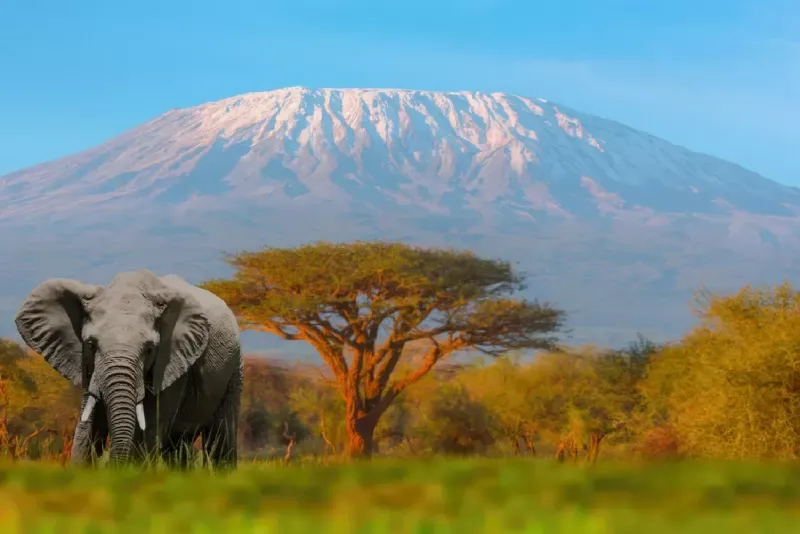
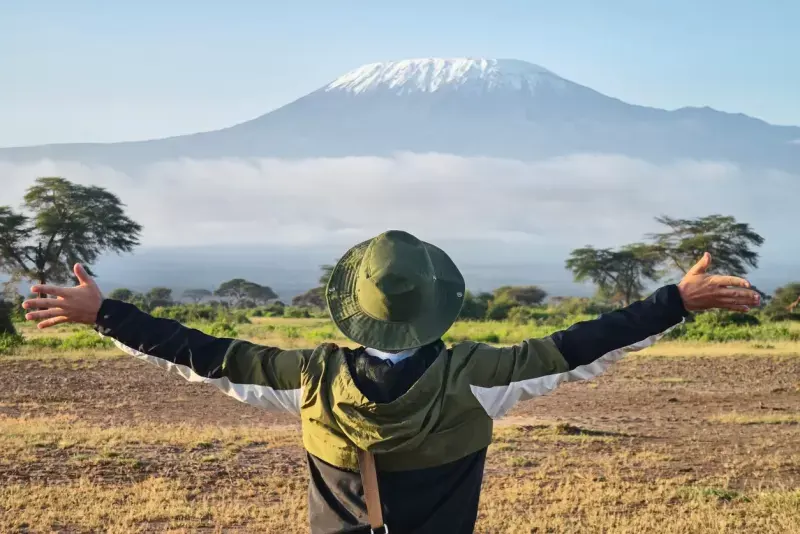
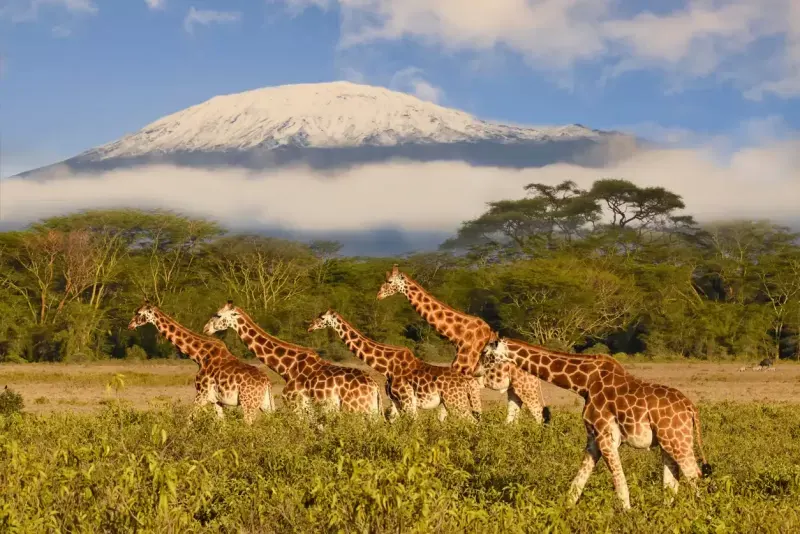
Kilimanjaro lies on the Tanzania–Kenya border, east of Arusha, and may be visible from a flight out of Nairobi. While it’s hard to see from the ground, the best views are from Kenya’s Amboseli National Park, offering the iconic Kilimanjaro backdrop.
What is the Best Time to Visit Kilimanjaro?
It is not recommended to visit Mount Kilimanjaro during the wet season, from March to the end of May. It is not an excellent time for trekking. The rest of the year is ideal for a Tanzania safari tour to the mountains. The peak time starts from July through the end of May. You will want to experience the chance of catching the summit on a clear day, so you can have an amazing view from the highest point in all Africa.
Customize Your Dream Vacation!
Get in touch with our local experts for an unforgettable journey.
Plan Your Trip
How high is Mount Kilimanjaro?
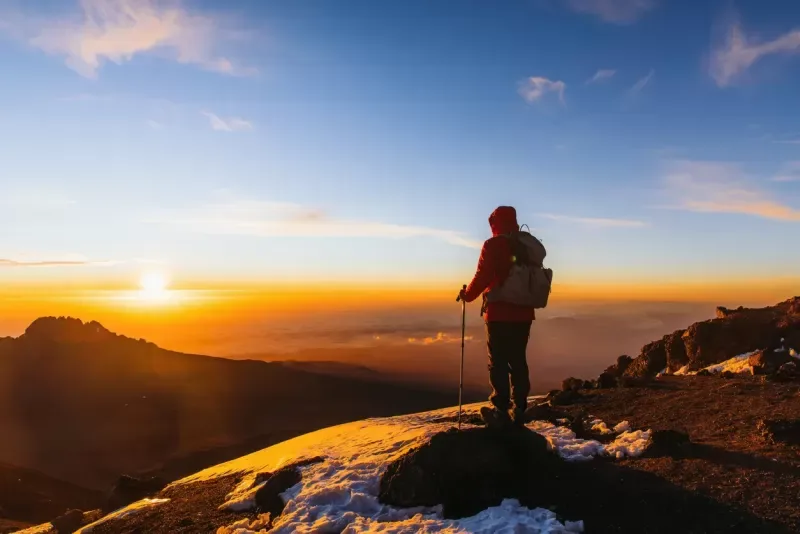
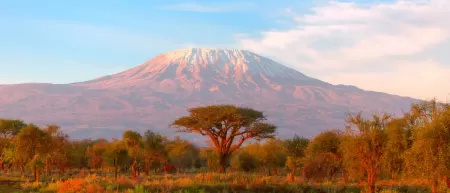
Mount Kilimanjaro is so massive that its peak is not visible from the base. Standing at 5,895 m (19,340 ft), it is the tallest freestanding mountain in the world. As the highest peak in Africa, it is famously called the “Roof of Africa,” towering over the entire East African region and dominating the continent’s landscape.
![]()
What is the cost of climbing Kilimanjaro?
There are two options to consider about climbing Kilimanjaro, to go on a fixed departure climb with a group of people, or to have a private climb.
The fixed departure price starts at around $2000 per person. Private climbs vary depending on the number of climbers and also the route taken. A private climb for a group of more than 2 will have better value.
How long does it take to climb Kilimanjaro?
The time taken to climb the mountain depends on the route. The fastest climber can take 4 nights. However, most people take 6-8 nights depending on the route and also depending on the flexibility.
What are the Routes of Climbing Kilimanjaro?
Climbing Mount Kilimanjaro offers a variety of routes, each with its own scenery, difficulty level, and experience.
Lemosho Route
This is a more relaxed route. It is suitable for 8 days for acclimation and it has a good balance in the height of the camp sites. The view is really charming while passing through forests.
Machame Route
It is the most popular route and the busiest among all. In terms of popularity, it has taken over the Marangu Route.
Northern Circuit
This route is for mountain lovers and those who are solitude seekers. It is a 9 day climb. Although visitors can take the route in only 8 days, 9 days is more relaxed. It is already a hard thing to come by on Mount Kilimanjaro Tanzania, but this is a welcome bonus to the Northern Circuit route.
Rongai Route
This is the best route for climbing the mountain in 6 days. It begins the ascent up the northern side of the mountain. In terms of scenery and summit success, it is unparalleled. There is flexibility in this route as well. One can add an extra day for acclimatization and increasing the success chance of climbing.
Shira Route
This route will take you through the beautiful scenery and wilderness of Shira Plateau and around the hilly and beautiful Moir Hut and the Lent Hills. It is a 8 day itinerary road, through which the summit is approachable from the western side. It is excellent for those who want uninterrupted time and away from the crowds.
![]()
Flora and Fauna of Mount Kilimanjaro
Mount Kilimanjaro is not only Africa’s tallest mountain but also a hotspot of biodiversity. Its varying climate zones, from lush rainforest to alpine desert, create unique habitats that support a wide range of plants and animals.
Wildlife in Kilimanjaro National Park
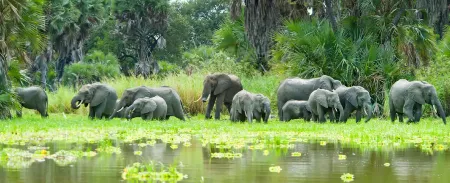
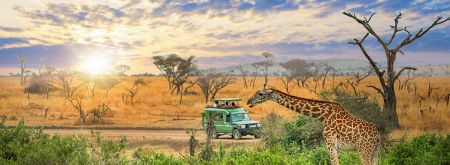
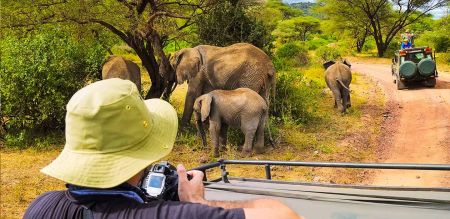
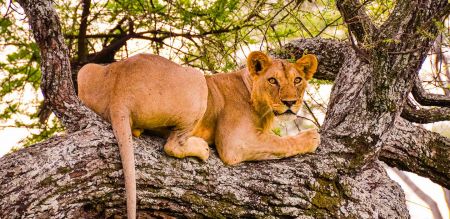
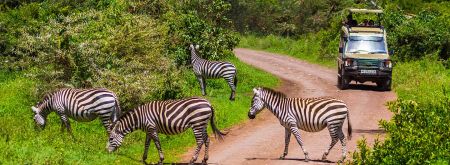
Kilimanjaro National Park is home to diverse wildlife. In the lower rainforest and savanna areas, you may encounter monkeys, bushbucks, elephants, and a variety of bird species. While large predators like leopards are rare, smaller mammals and a rich bird population make the lower slopes vibrant with life. The mountain’s proximity to the Amboseli ecosystem also allows occasional sightings of migratory wildlife.
Unique Plants and Ecosystems at Different Altitudes
Kilimanjaro’s distinct altitude zones harbor remarkable plant life:
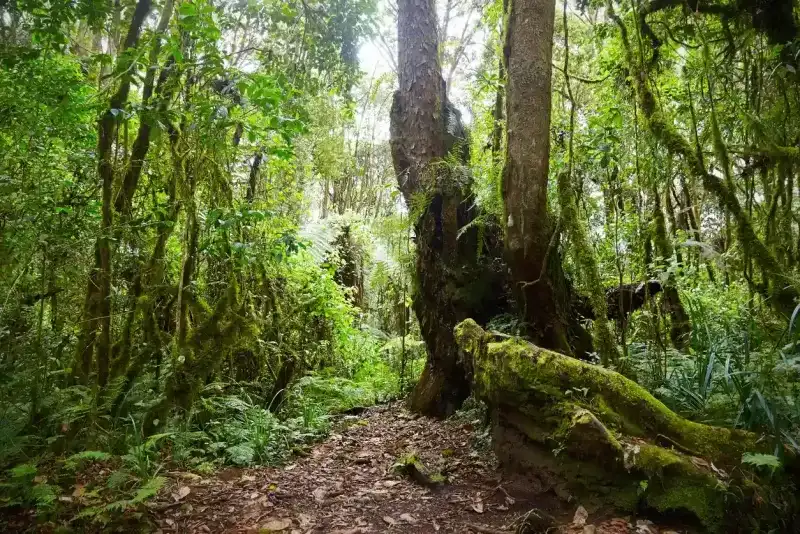
- Rainforest Zone: Dense forests with camphor trees, ferns, and giant groundsel provide a lush, green canopy.
- Heath and Moorland Zone: Home to Erica shrubs, lobelias, and giant senecios, this zone has surreal landscapes shaped by volcanic soils.
- Alpine Desert Zone: Sparse vegetation with tough grasses and mosses adapted to cold, dry conditions.
- Arctic Summit Zone: Minimal vegetation due to freezing temperatures; only hardy mosses and lichens survive near the crater rim.
This variation in ecosystems makes Kilimanjaro a living laboratory of flora and fauna, drawing scientists, trekkers, and nature enthusiasts alike during their tours.
![]()
Nearby Attractions
Arusha
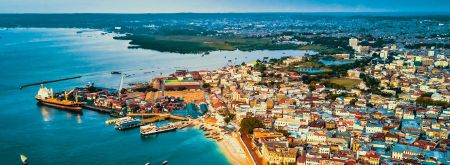
Known as the gateway to northern Tanzania, Arusha offers safari tours, cultural experiences, and access to Mount Meru.
Just across the border, this park provides iconic views of Kilimanjaro with elephants and abundant wildlife.
Moshi
A charming town at the base of Kilimanjaro, Moshi is ideal for preparing for treks, experiencing local culture, and enjoying Tanzanian cuisine.
Ecotourism and Conservation Efforts
Kilimanjaro’s unique ecosystems are protected within Kilimanjaro National Park, a UNESCO World Heritage Site. Ecotourism initiatives promote responsible travel, supporting conservation and local communities. Visitors are encouraged to minimize environmental impact while enjoying Tanzania’s natural beauty.
![]()
Q1. What is so special about Mount Kilimanjaro?
Mount Kilimanjaro is special because it is the highest peak in Africa and the world’s tallest freestanding mountain. Its unique ecological zones, from rainforest to glaciers, make it one of the most diverse trekking experiences on the planet.
Q2. How to see Mount Kilimanjaro?
You can see Mount Kilimanjaro from Tanzania or from Kenya. The best views are from:
- Amboseli National Park (Kenya) for iconic safari views with wildlife
- Moshi or Arusha (Tanzania) on clear days
- While trekking on one of the mountain’s official routes
Q3. How many days do I need for Kilimanjaro?
Most climbs take 6 to 9 days, depending on the route. Routes with 7–9 days offer better acclimatization and higher summit success rates.
Q4. Can a beginner climb Mount Kilimanjaro?
Yes. Beginners can climb Kilimanjaro, as it requires no technical climbing skills. However, you must be physically fit, prepared for high altitude, and choose a longer route (like Lemosho or Northern Circuit) for better acclimatization.
Q5. What should I pack for Kilimanjaro?
Bring layered clothing, waterproof outerwear, sturdy hiking boots, a cold-rated sleeping bag, headlamp, trekking poles, gloves, a warm hat, personal medication, basic first aid, and a hydration system with purification tablets.