Mafia Island Guide
Discover the natural beauty of Mafia Island, reefs, mangroves, wildlife, and traditions. A concise island guide.
Discover the natural beauty of Mafia Island, reefs, mangroves, wildlife, and traditions. A concise island guide.
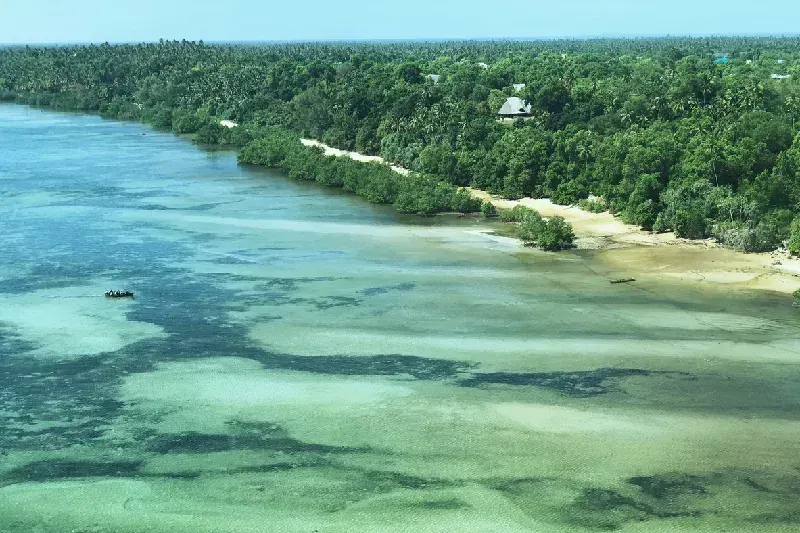
Despite the name, Mafia Island in Tanzania is mafia-free and a piece of heaven on earth. The island has a lot of fascinating scenery, colorful aquatic creatures, exotic beaches, local fishery culture and so much more on this tropical island. Situated along the edges of Tanzania, it depends mainly on fishing and subsistence agriculture to sustain its existence.
A historical island with its history dating back to the 8th century the island once played a pivotal and crucial role in facilitating the trade between the people of East Asia and East Africa. It served as a connecting point between the Populus of both ancient civilizations.
As a result of a treaty signed 1890, Mafia Island fell under the control of Germany. The traces of the once existent German structures still standing to this very day. With financial help in 199, the island put its first mark on the international plane with the establishment of the very first marine park in Tanzania.
Nowadays the exotic island of Mafia is not only a model example of how an exotic island should look like, but it is also filled with effective long term fisheries and a very hospitable and welcoming community waiting to greet you with open arms and wide smiles.
Mafia Island is easy to reach. After arriving in Dar es Salaam on an international flight, you can take a short 30-minute domestic flight to the island.
Mafia Island has two dry seasons. The first is the cooler dry period from July to October, which also coincides with the summer holidays in the West, so visitor numbers tend to be higher then.
The second is the hot dry season from January to February, aligning with winter in Europe and North America, making it another popular time to enjoy the island’s warm weather.
The island also experiences two rainy seasons. The long rains run from March to June, with the heaviest rainfall in April and May. The shorter rainy season occurs from November to December. During these wet months, water activities like snorkeling and diving are generally not recommended.
Get in touch with our local experts for an unforgettable journey.
Plan Your Trip
Mafia Island is widely recognized for its rich biodiversity and well-preserved marine ecosystems. The island and its surrounding waters form part of one of the most important marine conservation areas in the western Indian Ocean.
The waters around Mafia Island are home to extensive coral reef systems that support a wide variety of marine species. These reefs include hard and soft corals, reef fish, crustaceans, and mollusks, creating a balanced ecosystem that attracts both researchers and visitors. The clear, warm waters make the area particularly suitable for snorkeling and diving.
Mafia Island is one of the few places in East Africa where whale sharks can be observed regularly, especially between October and March. These gentle giants feed on plankton-rich waters near the island. Sea turtles, including green turtles and hawksbill turtles, are also found in the region and use nearby beaches as nesting sites.
The island’s coastline features extensive mangrove forests that play a vital role in protecting the shoreline from erosion and providing breeding grounds for fish and other marine life. These habitats also support bird species and contribute to the ecological balance of the island.
Established in 1995, the Mafia Island Marine Park is Tanzania’s first marine protected area. It covers a large portion of the island’s southern coastline and surrounding waters, including coral reefs, seagrass beds, and mangroves.
The marine park focuses on sustainable use of resources, community involvement, and environmental protection. Conservation initiatives include reef monitoring, turtle protection programs, and restrictions on destructive fishing practices.
The park protects numerous marine species, including dolphins, whale sharks, sea turtles, and a wide range of coral species. It also safeguards critical habitats such as coral reefs, mangrove forests, and seagrass meadows.
Mafia Island is known for its clear waters and diverse marine life, making it one of Tanzania’s top destinations for snorkeling and diving. Visitors can explore coral reefs, underwater caves, and vibrant marine ecosystems.
Seasonal tours allow visitors to observe whale sharks in their natural habitat. These guided excursions are regulated to ensure the safety of both the animals and visitors.
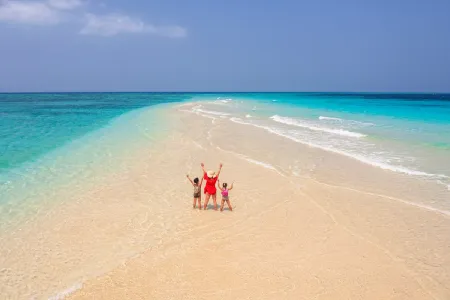
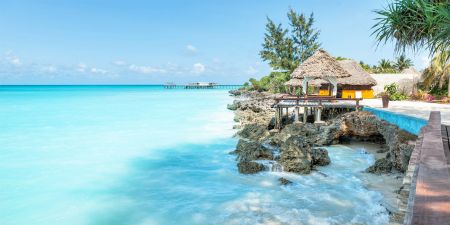
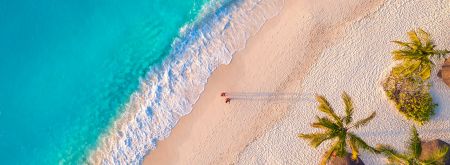
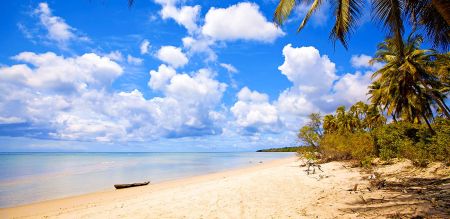
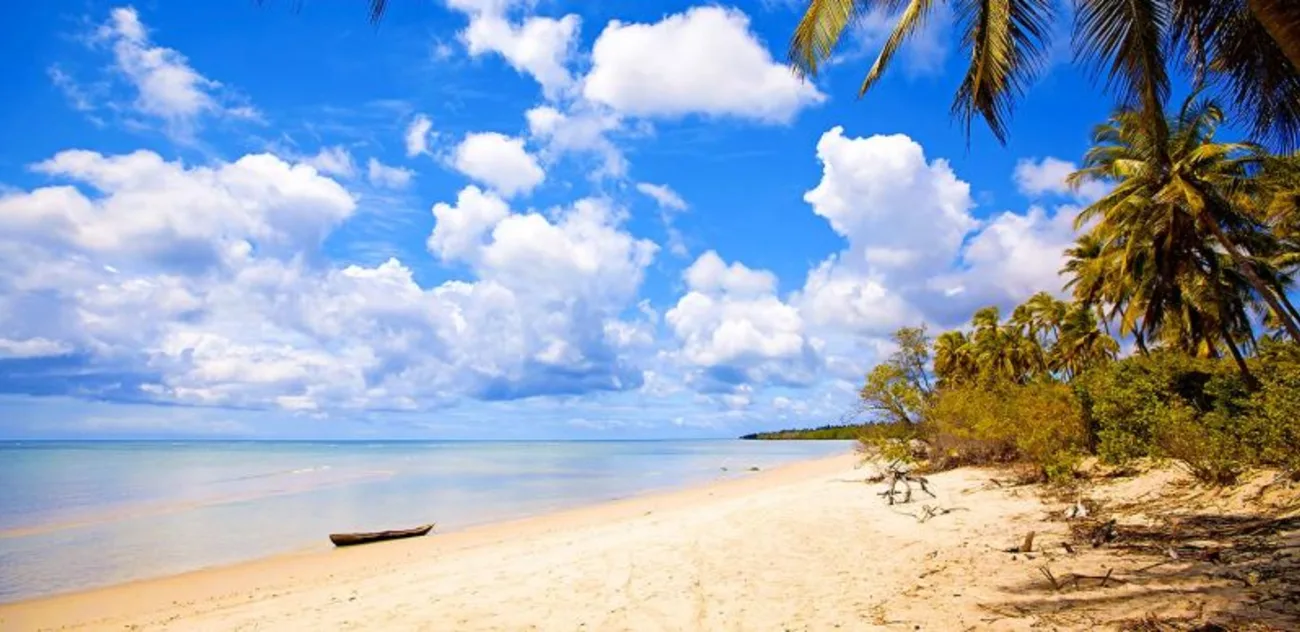
The island features quiet beaches and remote sandbanks with white sand and turquoise waters, ideal for relaxation, swimming, and photography.
Visitors can explore traditional fishing villages and historical ruins that reflect the island’s Swahili and colonial past.
Mafia Island has a strong Swahili cultural heritage shaped by centuries of trade along the East African coast. Traditional customs, music, cuisine, and architecture reflect this rich history.
Swahili is the main language spoken on the island, while English is widely used in tourism and business. Local communities may also speak regional dialects.
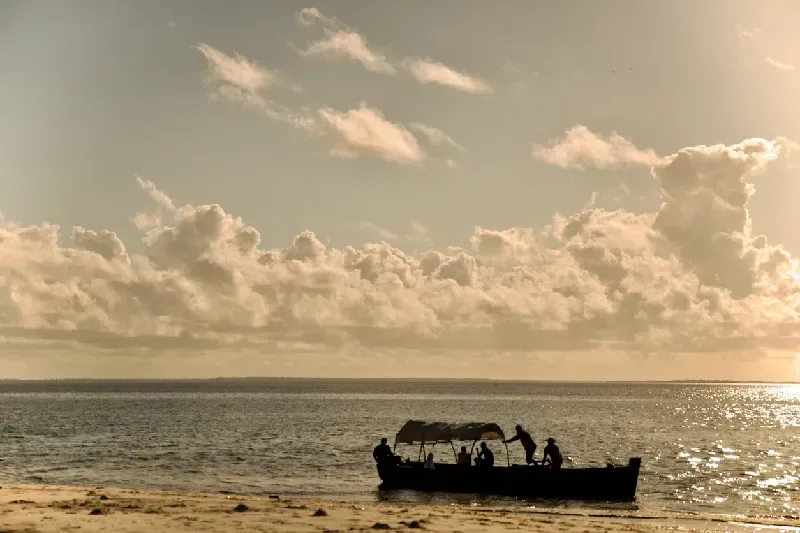
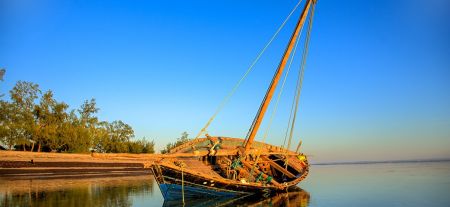
Fishing remains one of the primary livelihoods for residents. Many communities depend on the sea for food and income, using traditional methods that have been practiced for generations. Daily life on the island is generally relaxed and closely connected to nature.
Despite how it sounds, the name doesn’t come from crime. It’s believed to come from the Arabic phrase “morfiyeh” or “mahali pa afya,” meaning “a healthy place” or “archipelago.”
The easiest way is to fly from Dar es Salaam on a short domestic flight that takes about 30 minutes. Boats are also possible but less common.
Yes, it’s one of Tanzania’s most peaceful and unspoiled coastal destinations, known for coral reefs, whale sharks, and quiet beaches.
Most visitors stay 3 to 5 days, which is enough for diving, relaxing, and exploring nearby villages.
Yes, the island has calm, clear waters and many sites suitable for beginners, with guided tours and diving schools available.
Tumbatu Island is one of the most beautiful places in Tanzania where visitors enjoy snorkeling, seeing the lighthouse and having a lovely walk on the beach. Know more!
Discover Udzungwa Mountains National Park in Tanzania, home to rainforests, mountain forests, and diverse wildlife. Read more!
Discover the adventure of Mount Kilimanjaro, featuring stunning views, epic trekking trails, and unforgettable experiences.
Tanzania's Wildlife is not only abundant but is packed with different walks of exotic animals. Serengeti National Park is without a doubt one of those hubs. Read more!
Explore paradise with this Zanzibar Beaches Guide, featuring top beaches, activities, travel tips, and the best time to visit Zanzibar.
Being a UNESCO World Heritage Site since 1979, the Ngorongoro Conservation Area is a safe haven and defense body for many of the endangered species. Read more!
Know all about Lake Manyara National Park: how to get there, best time to visit, wildlife and what to do there. Read more!
Explore Mafia Island in Tanzania: facts, climate, biodiversity, and local life. Learn about its coral reefs, marine park, and cultural heritage.
Explore Tarangire National Park: fees, wildlife, best time to visit, and safari tips for an unforgettable Tanzania adventure.
Dominated by the fourth highest mountain in Africa, Arusha National Park is one of the remarkable national parks in Tanzania. Read more!
All what you need to know about Pemba Island: culture, location, best time to visit, things to do and more.
Visit Stone Town Zanzibar and walk through centuries of history. From spice markets to carved doors, experience where four world cultures beautifully come alive.
Gombe National Park is one of the smallest parks in Tanzania with a lot to offer everyone from wildlife to forest vegetation. Read more!
Covering an area of 54,600 square kilometers, Selous Game Reserve is the largest protected game reserve in the African continent. Read more!
Prison Island Zanzibar has become a must-see jewel of Tanzania with the highlight attraction of being a large home for the tortoises. Read more!
Katavi National Park is known for its huge herds mostly consisting of Zebras, Giraffes, Buffaloes and so much more to discover. Read more!
Explore Dar es Salaam in Tanzania, with our guide to the best sights, activities, and insider travel tips.
Cheetah’s Rock does not identify itself as a zoo or a sanctuary, it could be described as a wildlife school as there are no signs of animal cruelty. Know more!
Darajani Market or Bazaar is considered one of the main markets in Stone Town. Know more about what to buy from there.
This is your ultimate guide about Saanane Island National Park: wildlife, things to do, location and how to get there.