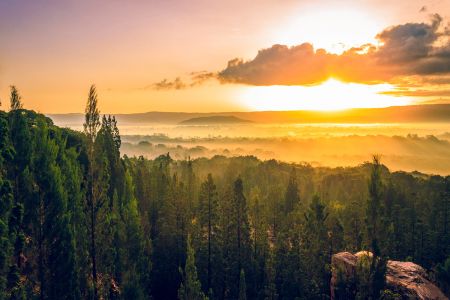
Arusha National Park Tanzania
Situated in a towering height of 4566m above the ground Arusha national par is a once in a lifetime experience.

Situated in a towering height of 4566m above the ground Arusha national par is a once in a lifetime experience.
Arusha National Park is one of the most beautiful and diverse protected areas in Tanzania. It is also the most accessible national park in the country. Despite being relatively small, the park offers a wide range of attractions, making it the perfect destination for a day trip on many Tanzania tours.
The park is located about a 40-minute to 1-hour drive from Arusha town. It is approximately 90 minutes from Moshi.
Generally speaking, the best time to visit Arusha National Park is during the dry season, from June to October. It is when the animals are easy to observe as they roam near the fresh water sources.
Get in touch with our local experts for an unforgettable journey.
Plan Your Trip
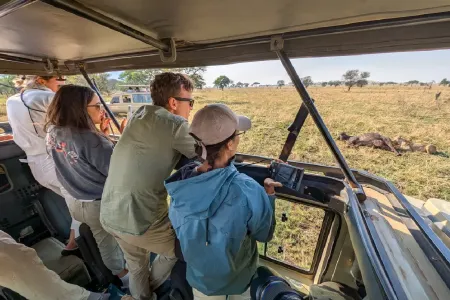
The safari or general experience that you get out of the park is a true sense of awe and bewilderment, although the park does not provide a standard or traditional gaming park experience it does impress you with the sheer variance and amount and variance of animals the park can hold.
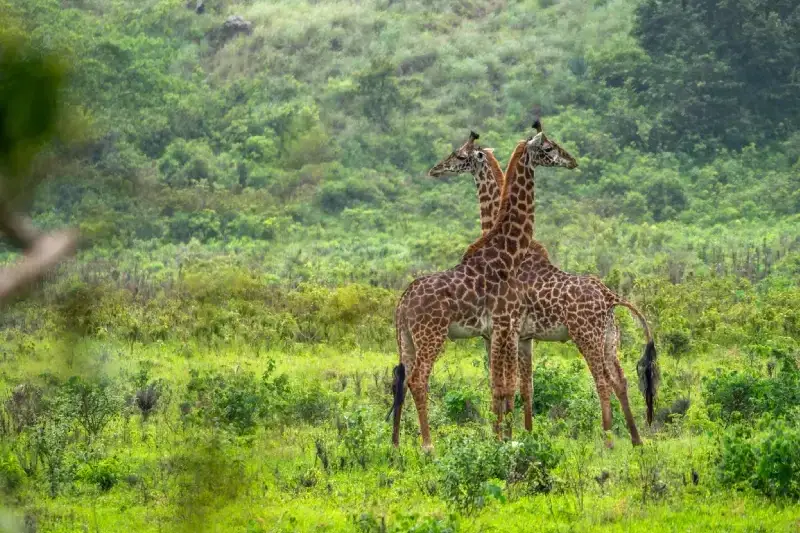
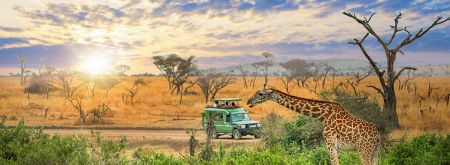
Arusha National Park may be compact, but don't let its size fool you, it punches well above its weight when it comes to wildlife diversity. It is home to the world's largest population of giraffes, and watching these towering giants glide effortlessly through the open grasslands is one of those moments that simply never gets old. Both Masai and reticulated giraffes roam here, giving you a rare chance to compare two distinct varieties in one visit.
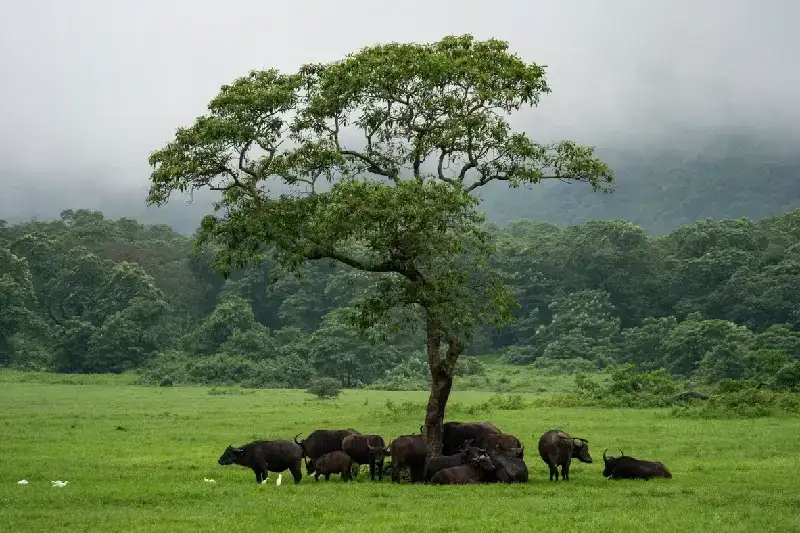
What makes the park feel truly distinctive is that the usual "Big 5" lineup doesn't apply here in the traditional sense. Lions and rhinos are absent, and while buffaloes are the most commonly sighted of the Big 5, that absence is actually part of what makes Arusha so special, the park rewards visitors with rarer, more forest-dwelling species that you simply won't encounter in other parks on the northern circuit.
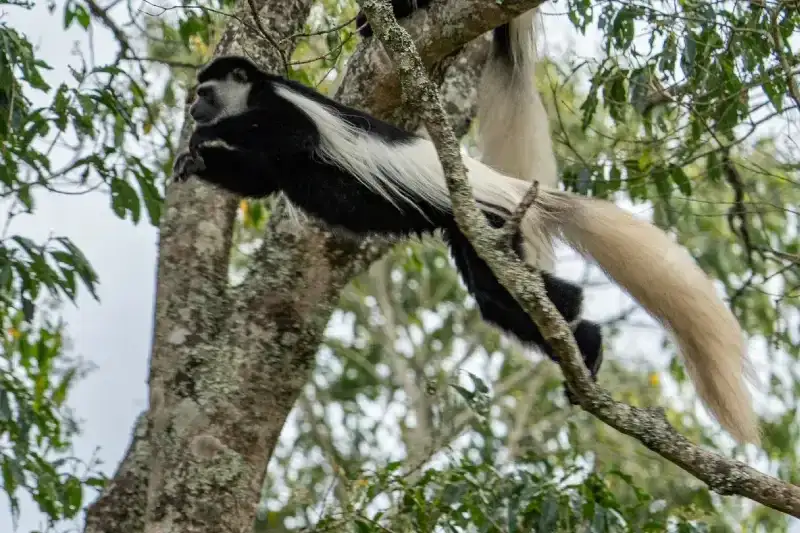
The undisputed celebrity of the park is the black-and-white colobus monkey. Arusha is the only place on the northern safari circuit where you can easily spot these acrobatic primates, and witnessing them leap between the treetops of the montane forest is genuinely electrifying. You'll also find blue monkeys, baboons, and vervets weaving through the canopy.
For those who love a good surprise, keep an eye out for Harvey's red duiker and suni, unusual antelope species that thrive in the park's primary forest and are rarely seen elsewhere. Leopards and spotted hyenas are the only large predators in the park, with servals and African wild cats occasionally making a shy appearance. The park also hosts a remarkable variety of reptiles including crocodiles and monitor lizards, and is a true haven for insect and butterfly enthusiasts.
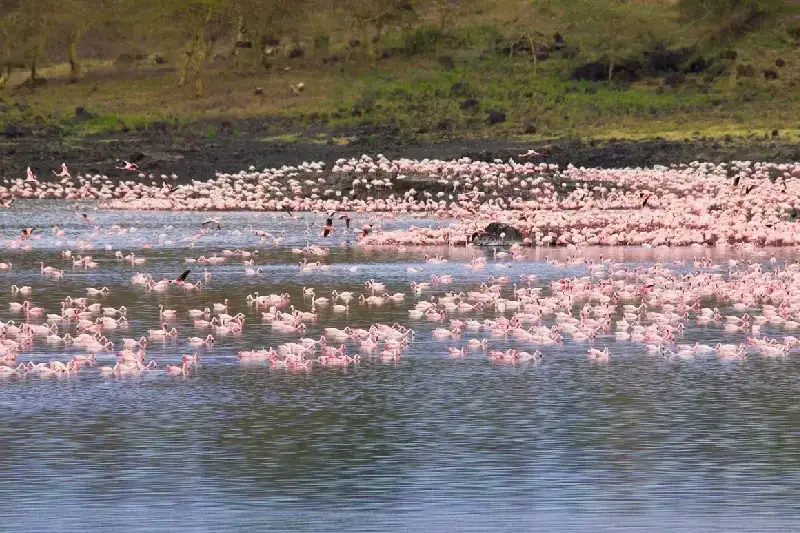
Prepare to be amazed. Arusha National Park harbors around 400 bird species, from the flamboyant crowned eagle and the iconic grey crowned crane to vast flocks of pink flamingos draped across the Momella Lakes. The silvery-cheeked hornbill and thousands of flamingos are among the most visually stunning sightings, while forest specialists like the Hartlaub's turaco and the elusive Narina trogon are highlights for any serious birder.
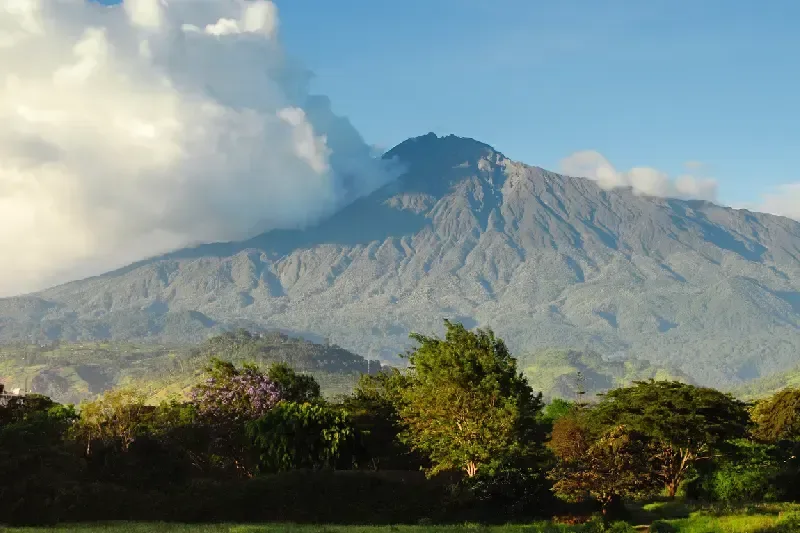
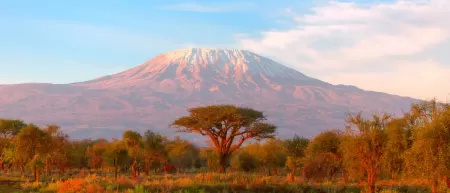
Mount Meru is an active volcano and a well known climbing destination. Being the fourth highest mountain in Africa, it is a good introduction for those who wish to climb Mount Kilimanjaro.
Not only does the mount offer a magnificent view of Kilimanjaro, but also the hiking experience is rewarding. It is a chance to walk through various habitats such as giraffes, elephants, antelopes and more.
Momella Lakes are a series of seven lakes within Arusha National Park: Big Momella, Small Momella, Kusare, Lekandiro, Tulusia, Rishateni, and El Kekhotoito. Each of the lakes is a different shade of green or blue.
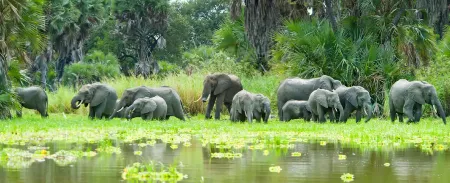
It is possible to witness a variety of birds such as flamingos and animals like water bucks, giraffes, dik-diks and zebras in the surrounding areas.
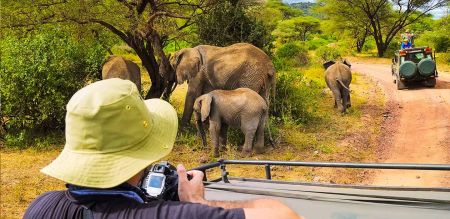
Ngurdoto Crater is inhabited by plenty of animals and it is a well known stop for game drives. IIt offers visitors a chance to see elephants, the Cape buffalo, baboons, monkeys, warthogs, and also a number of antelope species.
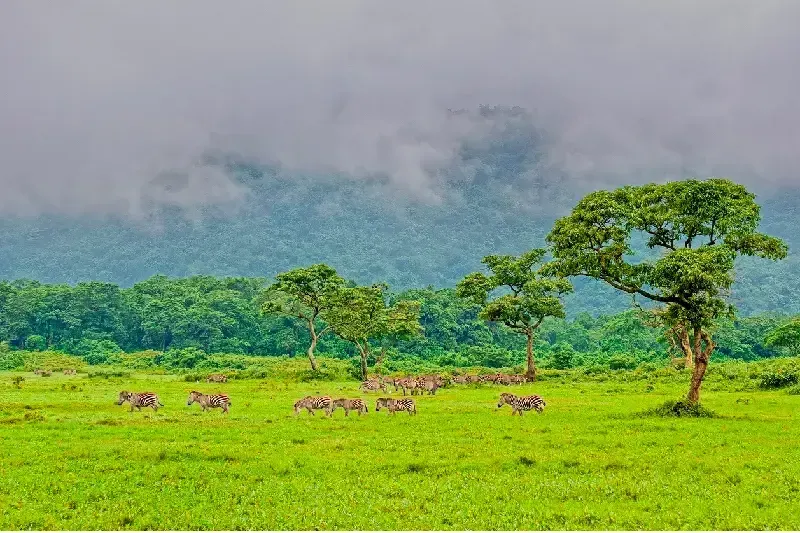
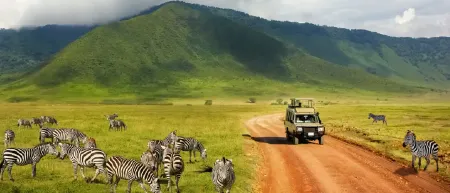
The carter is surrounded by the Ngurdoto Forest which is home to black and white colobus monkeys. There is also Serengeti Ndogu, grasslands where zebras can be spotted all year round.
Loved Arusha? You'll be obsessed with what's next. Check out our guides to Serengeti National Park, Ngorongoro Crater, Tarangire, and more
The entrance to Arusha National Park is only around 30 km east of Arusha city, a drive that typically takes between 45 minutes and an hour. If you're arriving internationally, the park is just 35 km from Kilimanjaro International Airport, making it an incredibly convenient first or last stop on a Tanzania safari itinerary.
Non-resident adults (16+) pay $50 USD during high season and $45 USD during low season. Non-resident children aged 5–15 pay $15 USD, while children under 5 enter for free.
Cash is not accepted at the gate, payments are card-only (Visa or MasterCard), so make sure you have yours ready before you arrive.
Yes, it absolutely is, especially if you want a quieter, more relaxed safari experience. The park may be smaller than others in Tanzania, but it offers incredible scenery, diverse wildlife, and unique activities like canoeing and walking safaris.
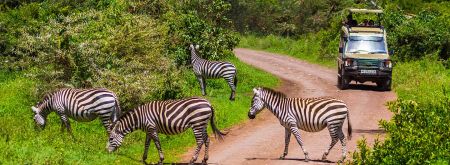
You can spot giraffes, zebras, buffalo, warthogs, colobus monkeys, and many bird species. While there are no lions here, the park still offers fantastic wildlife viewing and beautiful landscapes.
It’s very close, only about a 40-minute drive from Arusha town. That’s why it’s considered the most accessible national park in Tanzania and perfect for a day trip.
What makes it special is its variety in a small area, you’ll find forests, lakes, open plains, and even Mount Meru. It’s also one of the few parks in Tanzania where you can do walking safaris.
The dry season from June to October is the best time for wildlife viewing and comfortable weather. However, the park is beautiful year-round, especially during the green season when the landscapes are lush and vibrant.
Tumbatu Island is one of the most beautiful places in Tanzania where visitors enjoy snorkeling, seeing the lighthouse and having a lovely walk on the beach. Know more!
Discover Udzungwa Mountains National Park in Tanzania, home to rainforests, mountain forests, and diverse wildlife. Read more!
Discover the adventure of Mount Kilimanjaro, featuring stunning views, epic trekking trails, and unforgettable experiences.
Tanzania's Wildlife is not only abundant but is packed with different walks of exotic animals. Serengeti National Park is without a doubt one of those hubs. Read more!
Explore paradise with this Zanzibar Beaches Guide, featuring top beaches, activities, travel tips, and the best time to visit Zanzibar.
Being a UNESCO World Heritage Site since 1979, the Ngorongoro Conservation Area is a safe haven and defense body for many of the endangered species. Read more!
Know all about Lake Manyara National Park: how to get there, best time to visit, wildlife and what to do there. Read more!
Explore Mafia Island in Tanzania: facts, climate, biodiversity, and local life. Learn about its coral reefs, marine park, and cultural heritage.
Explore Tarangire National Park: fees, wildlife, best time to visit, and safari tips for an unforgettable Tanzania adventure.
Dominated by the fourth highest mountain in Africa, Arusha National Park is one of the remarkable national parks in Tanzania. Read more!
All what you need to know about Pemba Island: culture, location, best time to visit, things to do and more.
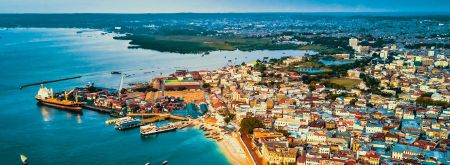
Visit Stone Town Zanzibar and walk through centuries of history. From spice markets to carved doors, experience where four world cultures beautifully come alive.
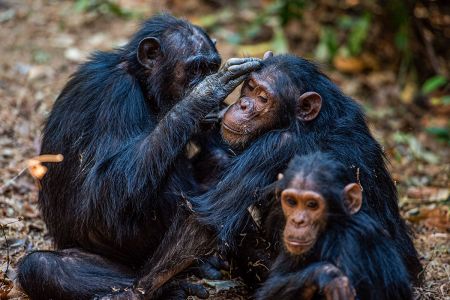
Gombe National Park is one of the smallest parks in Tanzania with a lot to offer everyone from wildlife to forest vegetation. Read more!
Covering an area of 54,600 square kilometers, Selous Game Reserve is the largest protected game reserve in the African continent. Read more!
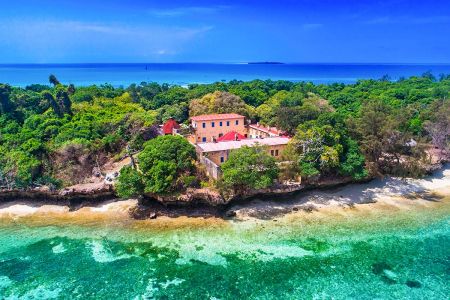
Prison Island Zanzibar has become a must-see jewel of Tanzania with the highlight attraction of being a large home for the tortoises. Read more!
Katavi National Park is known for its huge herds mostly consisting of Zebras, Giraffes, Buffaloes and so much more to discover. Read more!
Explore Dar es Salaam in Tanzania, with our guide to the best sights, activities, and insider travel tips.
Cheetah’s Rock does not identify itself as a zoo or a sanctuary, it could be described as a wildlife school as there are no signs of animal cruelty. Know more!
Darajani Market or Bazaar is considered one of the main markets in Stone Town. Know more about what to buy from there.
This is your ultimate guide about Saanane Island National Park: wildlife, things to do, location and how to get there.