Tarangire National Park Guide
Tarangire national park is one if not the main attractions in Tanzania, Witness African wildlife like never before.
Tarangire national park is one if not the main attractions in Tanzania, Witness African wildlife like never before.
Tarangire National Park is one of Tanzania's most spectacular and engaging wildlife parks. Located in the northern part of the country, just two hours drive from Arusha, this park is often overlooked by tourists rushing to the more famous Serengeti and Ngorongoro Crater. This guide to Tarangire National Park shows why overlooking it would be a real missed opportunity.
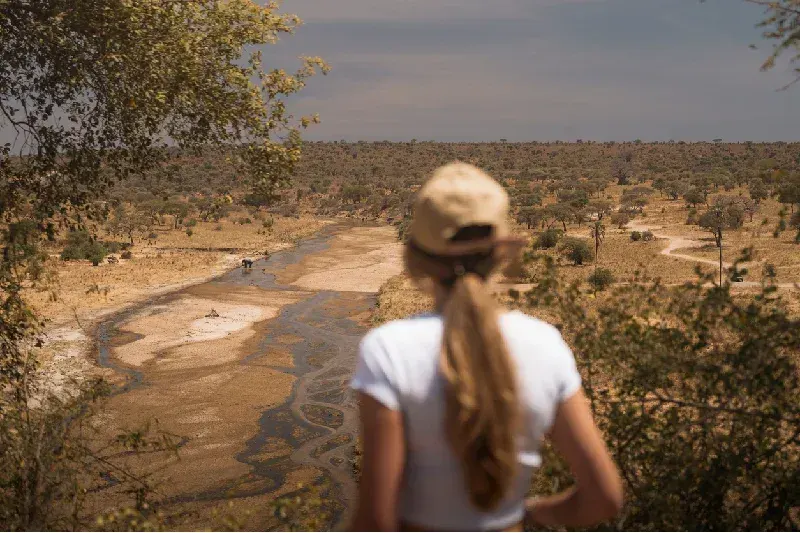
The park is named after the Tarangire River, which is the primary source of fresh water for the animals in the region during the dry season. The river, combined with the park's varied terrain and vegetation, attracts a wide variety of wildlife, making Tarangire a fantastic choice for wildlife viewing.
The park boasts a diverse landscape, ranging from grass and swamps to woodlands and hills. This variation provides a unique environment for the animals that call it home. If you're an animal and nature lover, you are in for a treat!
The history of Tarangire National Park is as captivating as its scenery. Established in 1970, the park covers an area of approximately 2,850 square kilometers, making it the sixth largest national park in Tanzania. The park was created to protect the wildlife that migrated from the Masai Steppe and the Rift Valley during the dry season.
Before its establishment as a national park, the area was part of a larger ecosystem that included the Masai Steppe, the Rift Valley, and the Manyara Region. The Masai people, known for their distinctive customs and dress, have lived in this area for centuries, co-existing with the wildlife in a symbiotic relationship.
The establishment of Tarangire National Park signaled a significant shift in the government's approach to wildlife conservation. Instead of viewing wildlife as a threat to human settlement, the government started recognizing its importance to the country's economy and ecology, leading to the creation of this beautiful park.
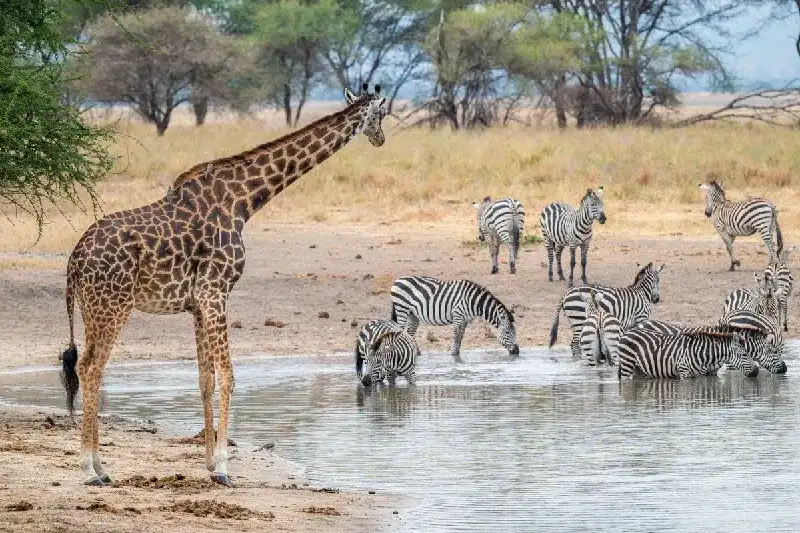
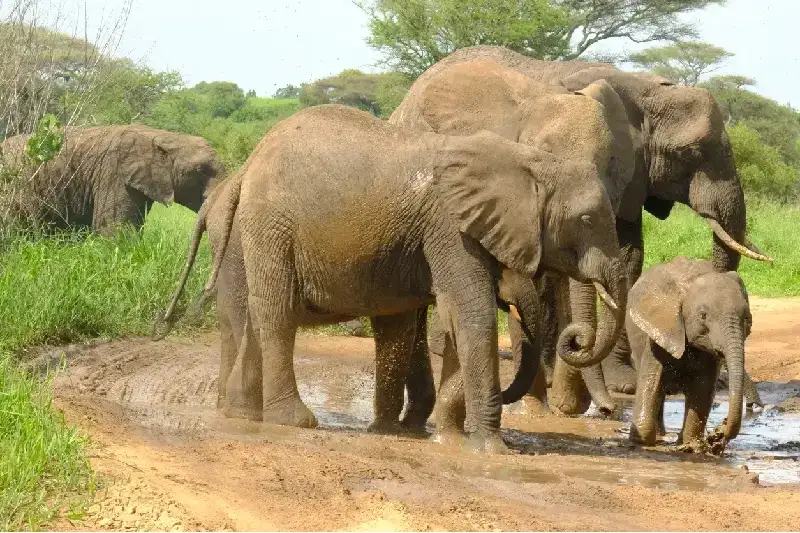
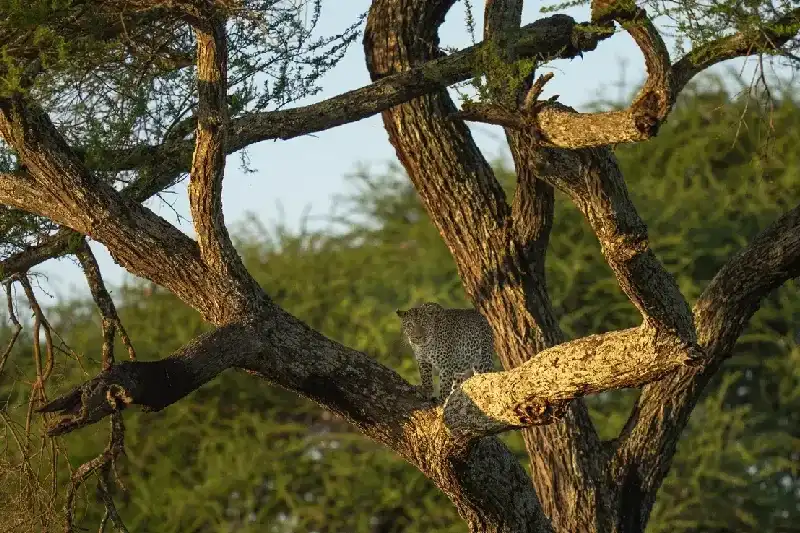
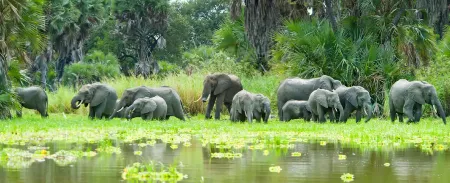
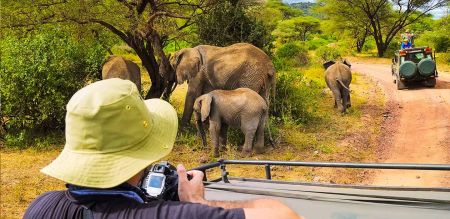
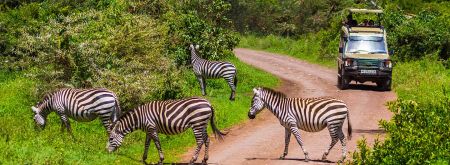
If you love wildlife, you'll love Tarangire National Park. The park is renowned for its large elephant population, one of the highest in Tanzania. But that's not all. The park is also home to a variety of other animals, including wildebeests, zebras, buffalos, impalas, gazelles, and even the elusive leopard.
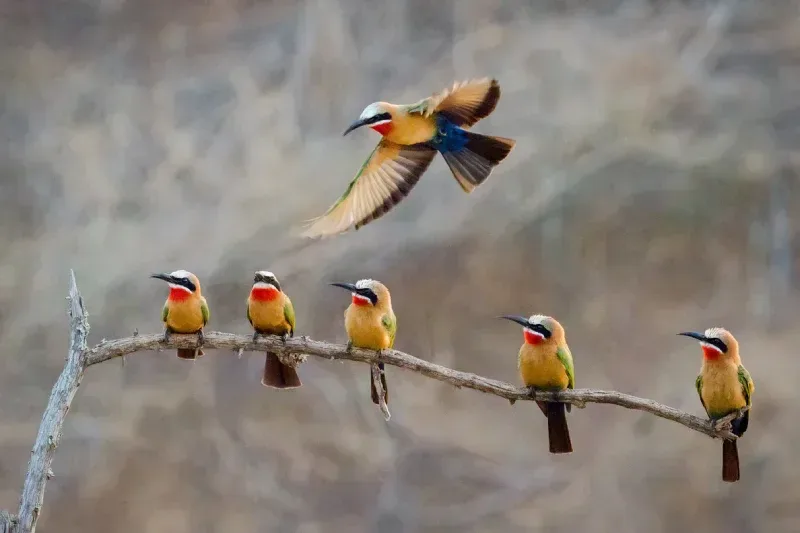
The park's birdlife is equally impressive. With over 500 species of birds, Tarangire is a bird watcher's paradise. Whether you're a seasoned birder or a novice, you'll be thrilled by the variety and abundance of birdlife in this park.
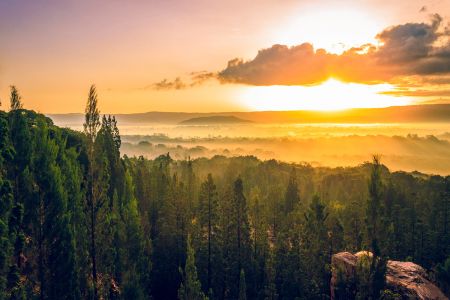
Besides the wildlife, Tarangire National Park offers breathtaking scenery. The park's landscape is dotted with ancient baobab trees, acacia woodlands, and swamps. Whether you're exploring the park on a game drive or simply enjoying the view from your camp, you'll be awed by the beauty of this place.
Tarangire National Park is located in northern Tanzania, about 120 km from Arusha, the gateway to the northern safari circuit. The park's terrain is varied, consisting of grasslands, swamps, and woodlands, making it an excellent habitat for a wide range of wildlife.
The park's climate is tropical, with two distinct seasons: the dry season (June to October) and the wet season (November to May). During the dry season, temperatures can get quite high, reaching up to 35 degrees Celsius. Despite the heat, this is the best time to visit the park as the wildlife concentrates around the Tarangire River, providing excellent game viewing opportunities.
On the other hand, the wet season is characterized by heavy rainfalls, especially in April and May. The landscape comes alive with lush vegetation, and it's a great time to see migratory birds and newborn wildlife.
Get in touch with our local experts for an unforgettable journey.
Plan Your Trip
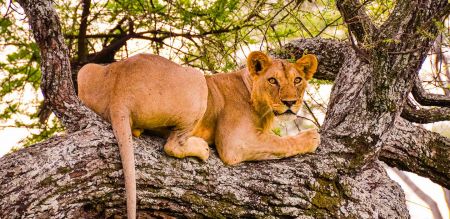
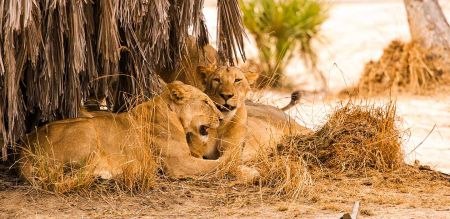
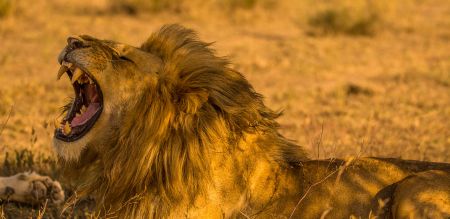
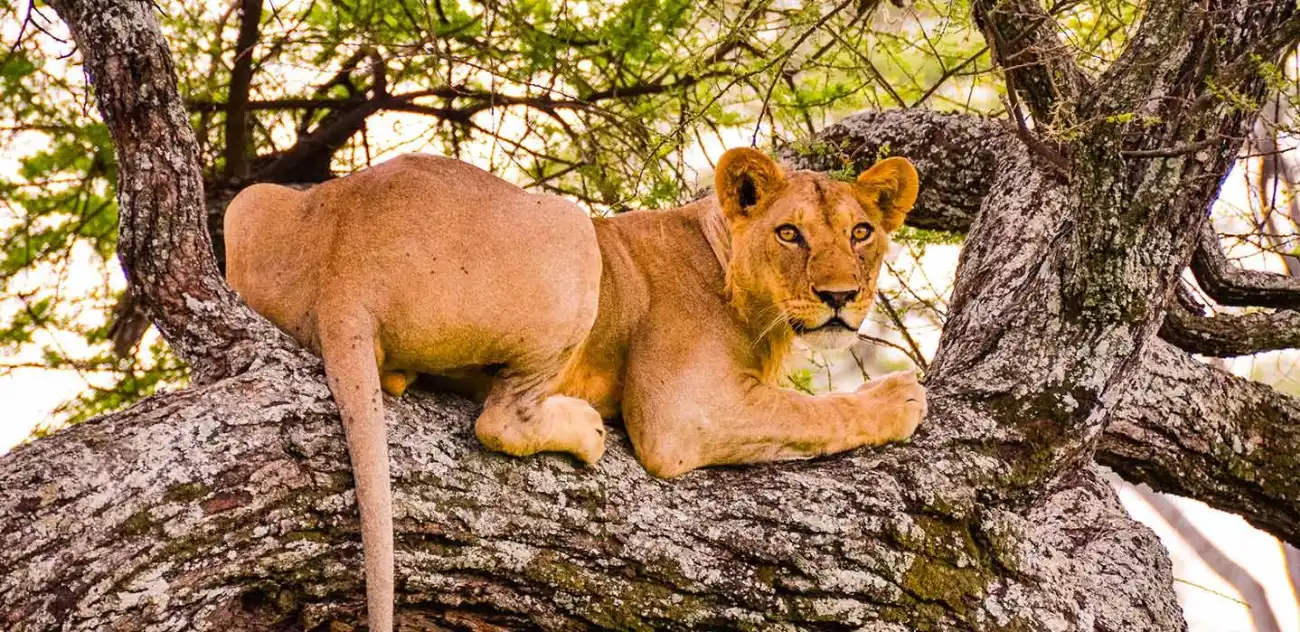
This park is home to a variety of wildlife species, some of which are rare and endangered. The park is famous for its high concentration of elephants and tree-climbing lions. Other animals that can be spotted in the park include zebras, wildebeests, buffalos, giraffes, cheetahs, hyenas, and over 500 species of birds.
The park's vegetation is equally diverse, with the dominant plants being the iconic baobab trees and acacia woodlands. These trees not only add to the park's scenic beauty but also provide food and shelter for the wildlife.
The park offers several attractions that will leave you with unforgettable memories. These include the Tarangire River, which winds its way through the park, attracting a huge number of animals during the dry season. There's also the Silale Swamp, a magnet for elephants and birds.
For bird lovers, the Tarangire Bird Paradise is a must-visit. This spot boasts over 500 bird species, providing fantastic bird watching opportunities. The park's baobab trees, some of which are over 1,000 years old, are another major attraction. These gigantic trees are not only impressive to look at but also serve as a habitat for many bird species
There are plenty of accommodation options in and around the park to suit all budgets and preferences. These range from luxury lodges and tented camps to budget campsites. Most accommodations offer game drives and other activities, ensuring you have the best safari experience.
When planning your trip to Tarangire National Park, there are several things you should keep in mind. First, make sure to pack appropriate clothing, taking into consideration the weather conditions during your visit. Secondly, always follow the park rules and guidelines to ensure your safety and that of the wildlife.
The park generally opens daily from early morning (around 6:00 AM) until early evening (around 6:00 PM), allowing visitors a full day for game drives and exploration.
There are several access points, with the main gate being the primary entrance used by most travelers arriving from Arusha or the northern safari circuit. Your guide or tour operator will typically handle entry procedures at the gate.
You must have a valid entry permit to access the park, which is issued upon payment of the entrance fee. If you are visiting on a guided tour, your operator will usually arrange all permits and documentation on your behalf.
While inside the park, visitors are expected to follow strict conservation regulations, including:
This Tarangire National Park Guide provides a comprehensive overview of this magnificent park. From its rich history and diverse wildlife to its breathtaking scenery and top attractions, Tarangire National Park has something for everyone. If you're planning a safari in Tanzania, make sure to include this park in your itinerary.
Tarangire is best known for its large elephant herds and iconic baobab trees. During the dry season, animals gather around the Tarangire River, making wildlife viewing especially rewarding.
The best time to visit is during the dry season from June to October, when wildlife is easier to spot. The green season (November to May) is quieter and beautiful, especially for birdwatching.
Most travelers spend 1 to 2 days in Tarangire. That’s enough time to enjoy game drives, see elephants, and experience the park without rushing.
Yes, absolutely. Tarangire is less crowded and offers a more peaceful safari experience, with excellent wildlife sightings, especially elephants, making it a great addition to any northern Tanzania itinerary.
You can expect to see elephants, lions, giraffes, zebras, wildebeest, buffalo, and sometimes leopards. The park is also a great place for birdwatching, with hundreds of species recorded.
Tumbatu Island is one of the most beautiful places in Tanzania where visitors enjoy snorkeling, seeing the lighthouse and having a lovely walk on the beach. Know more!
Discover Udzungwa Mountains National Park in Tanzania, home to rainforests, mountain forests, and diverse wildlife. Read more!
Discover the adventure of Mount Kilimanjaro, featuring stunning views, epic trekking trails, and unforgettable experiences.
Tanzania's Wildlife is not only abundant but is packed with different walks of exotic animals. Serengeti National Park is without a doubt one of those hubs. Read more!
Explore paradise with this Zanzibar Beaches Guide, featuring top beaches, activities, travel tips, and the best time to visit Zanzibar.
Being a UNESCO World Heritage Site since 1979, the Ngorongoro Conservation Area is a safe haven and defense body for many of the endangered species. Read more!
Know all about Lake Manyara National Park: how to get there, best time to visit, wildlife and what to do there. Read more!
Explore Mafia Island in Tanzania: facts, climate, biodiversity, and local life. Learn about its coral reefs, marine park, and cultural heritage.
Explore Tarangire National Park: fees, wildlife, best time to visit, and safari tips for an unforgettable Tanzania adventure.
Dominated by the fourth highest mountain in Africa, Arusha National Park is one of the remarkable national parks in Tanzania. Read more!
All what you need to know about Pemba Island: culture, location, best time to visit, things to do and more.
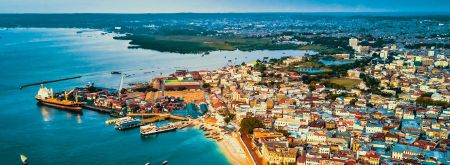
Visit Stone Town Zanzibar and walk through centuries of history. From spice markets to carved doors, experience where four world cultures beautifully come alive.
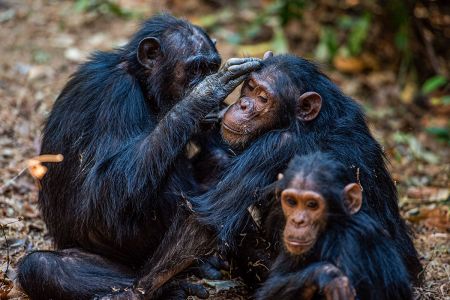
Gombe National Park is one of the smallest parks in Tanzania with a lot to offer everyone from wildlife to forest vegetation. Read more!
Covering an area of 54,600 square kilometers, Selous Game Reserve is the largest protected game reserve in the African continent. Read more!
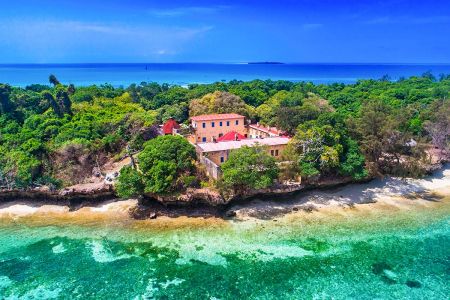
Prison Island Zanzibar has become a must-see jewel of Tanzania with the highlight attraction of being a large home for the tortoises. Read more!
Katavi National Park is known for its huge herds mostly consisting of Zebras, Giraffes, Buffaloes and so much more to discover. Read more!
Explore Dar es Salaam in Tanzania, with our guide to the best sights, activities, and insider travel tips.
Cheetah’s Rock does not identify itself as a zoo or a sanctuary, it could be described as a wildlife school as there are no signs of animal cruelty. Know more!
Darajani Market or Bazaar is considered one of the main markets in Stone Town. Know more about what to buy from there.
This is your ultimate guide about Saanane Island National Park: wildlife, things to do, location and how to get there.