Stone Town Zanzibar
One of the oldest tows in Zanzibar and a flourishing spice trade center the stone town is an exquisite piece of Tanzanian history.

One of the oldest tows in Zanzibar and a flourishing spice trade center the stone town is an exquisite piece of Tanzanian history.
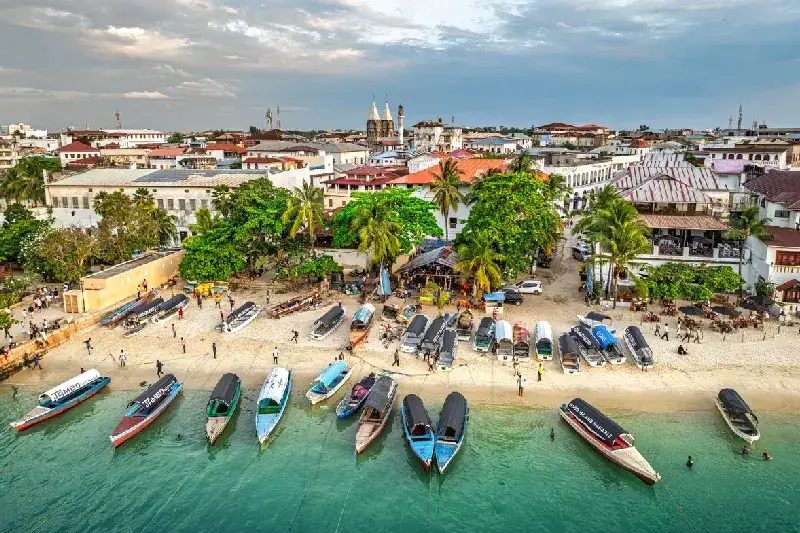
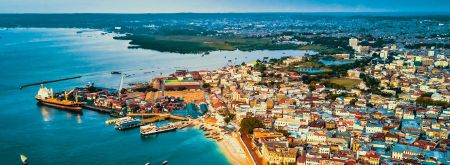
Few places in the world carry the weight of history as visibly as Stone Town. Nestled on the western tip of Zanzibar's main island, this ancient port city has been a crossroads of civilizations for over a thousand years, a place where spice traders, sultans, explorers and missionaries all left their mark on the coral stone walls, carved wooden doors and winding alleyways that define the city today.
The old town also known as Mji Mkongwe is the old part of Zanzibar city while the newer part is known as Ng'ambo. Stone city is of a true historic prominence and artistic importance in all East Africa.
Dating back to the 19th century, the city shows the deep and rooted Swahili influence. Besides, it is a fine example of the Swahili coastal trading towns of East Africa.
The architecture in Stone town is a fusion and combination of many different styles such as Arab, Persian. African, European and Indian mixture drawing a very coherent yet diverse architectural culture.
Being such a historical city its filled with must-see landmarks such as The House of Wonders, the Old Fort, The Old Dispensary ,The Palace Museum, The Roman Catholic Cathedral and the famous The Forodhani Gardens.
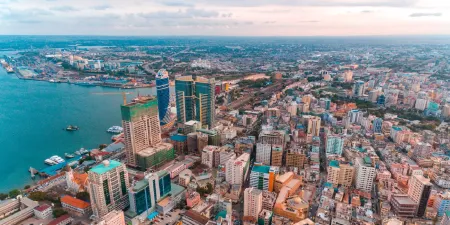
Stone Town is located on the western coast of Unguja which is the main island of the Zanzibar Archipelago.
Located in Zanzibar, Stone Town experiences two rainy seasons: long and short. The long rainy season initiates in the month of March and reaches the peak in April and May, dusting off by the end of June.
The short rainy season occurs in the months of November and December. The rest of the year witnesses little rain or no rain at all. During the wet season, it does not rain continuously everyday and not all times of the day. There are days when the sky is clear and sunshine fills the town.
Stone Town has two dry seasons as well. The cool dry season lasts from June to October while the humid hot dry season takes place in January and February. During the cool dry season, temperatures tend to remain high.
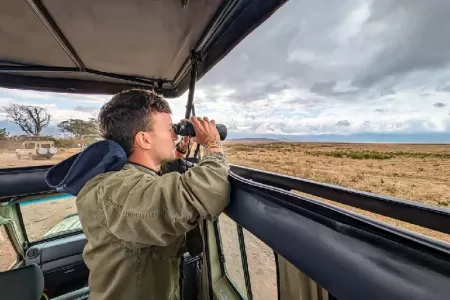
Considering temperatures, the cool dry season syncs with the school holiday in America and Europe, that is why the area sees an increased number of visitors during. Besides, it is a great time to enjoy wildlife safari in the national parks of Serengeti, Ngorongoro, Tarangire etc.
The second tourist season in Stone Town is during the last 2 weeks of December lasting through February. It is the start of the festive holiday season in America and Europe. Western travelers like to spend these cold months in a warmer climate of East Africa.
Get in touch with our local experts for an unforgettable journey.
Plan Your Trip
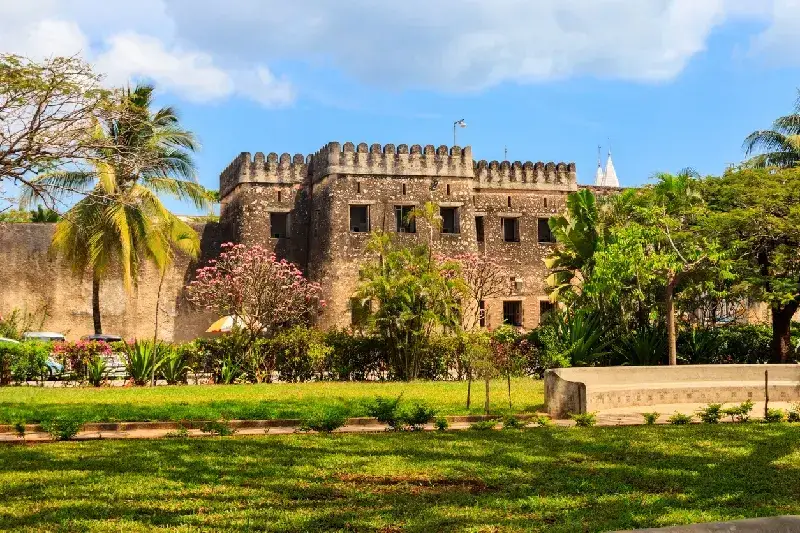
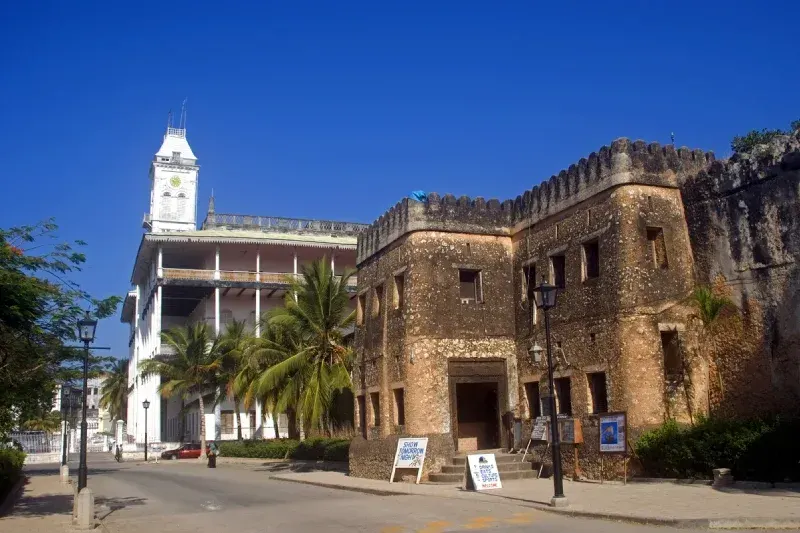
The Old Fort is an impressive attraction in Stone Town. It now houses an art gallery and a market adding to its significance.
Visiting the fort is free of charge, due to the limited activities there. However, touring the fort is a magnificent experience. You will have the opportunity to marvel at the ruins, enjoy them with the blue sky above. It is a peaceful place where quiet is a great free thing to do.
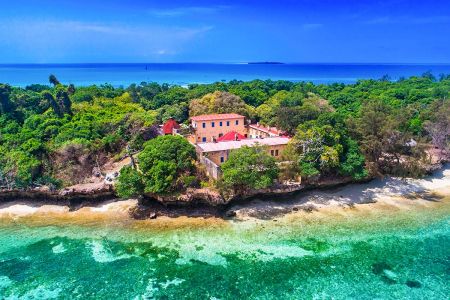
Going on a tour to Prison Island to see the giant tortoise is probably the most popular trip in Stone Town Zanzibar. It is a great experience to observe the biggest tortoise on the island.
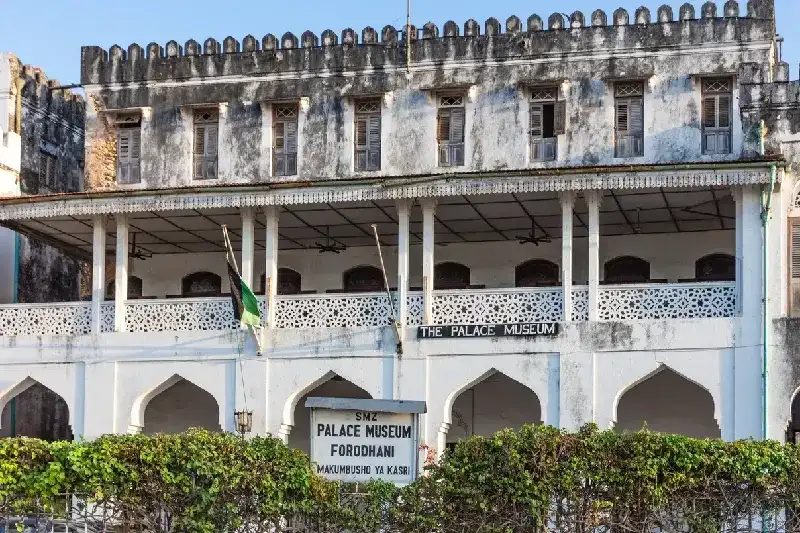
The entrance fee to the Palace Museum is quite affordable, just 3$. It is really worth visiting where visitors will enjoy a good hour of interesting history about the island. The Palace Museum is a great attraction for history lovers who are enthusiastic about knowing the history of Zanzibar.
It is highly recommended to head to the palace early on the trip to grasp the heritage of the island besides its wealth.
The perfect sunset cannot be missed while in Stone Town. Heading to Africa House Hotel to watch the sunset from the rooftop terrace is an amazing experience in the town.
Visiting the Slave Market Museum is a must when it comes to the bucket list in Zanzibar. The entrance only costs 5$, but it is worth the visit. There is also an informed guide who will make your tour more entertainable in this UNESCO-funded museum. Don’t miss the slave chamber situated just underneath the gift shop.
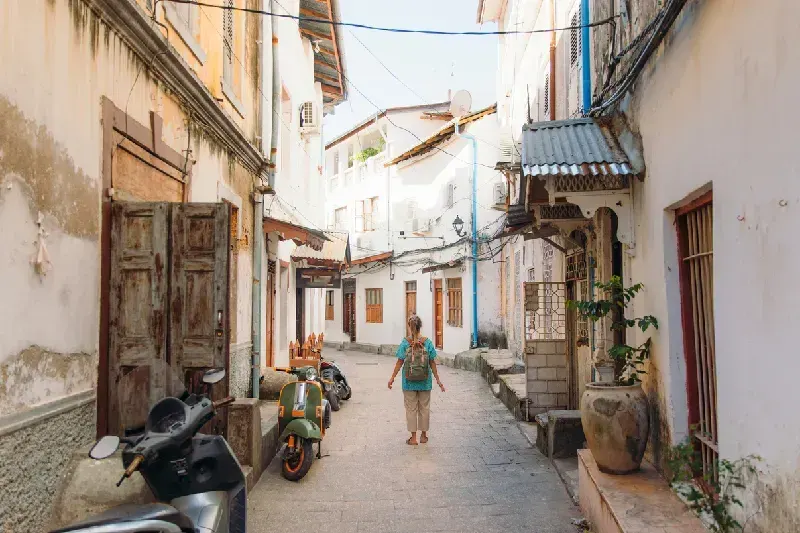
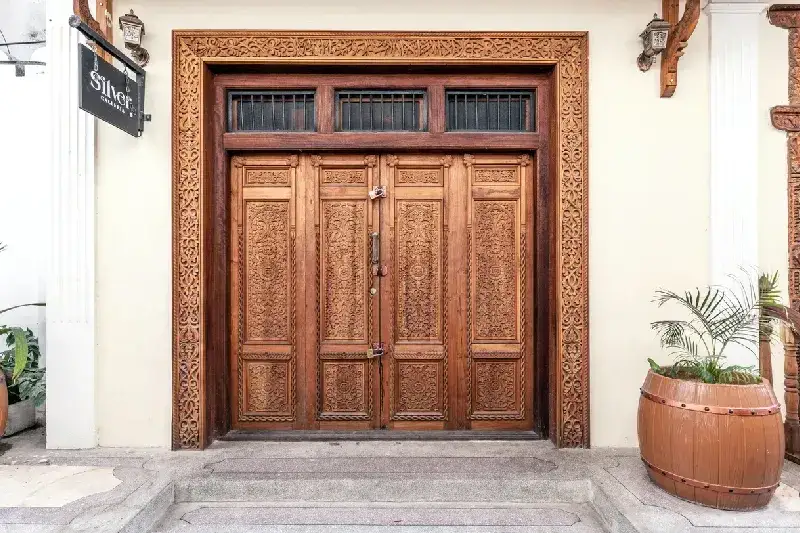
Carved doorways are instagrammable places in Stone Town. It is a perfect place to take the perfect photograph. The wooden beauties reflect the city and its exotic sense of a lost world.
The House of Wonders is the national museum in Stone Town. It is located right on the seafront. The building is a great representation of all the efforts that were made to restore the city after being a UNESCO World Heritage Site.
As mentioned previously, Stone Town is an amazing combination of cultures reflecting the rich heritage. Exploring all the cultures is great to sense the town.
Taking a trip to all the town’s different religious buildings is a great way to see all the cultures in the town. Visitors will enjoy Anglican cathedrals to Hindu Temples and Islamic Mosques echoing the prayers.
The most two famous to visit are the whitewashed Malindi Mosque and also the Church near the Former Slave Market.
Freddy Mercury’s House is named after Queen’s Freddy Mercury who was born and raised in Stone Town. It is an exciting experience to enjoy the building from the outside while reading the information board on the doorway.
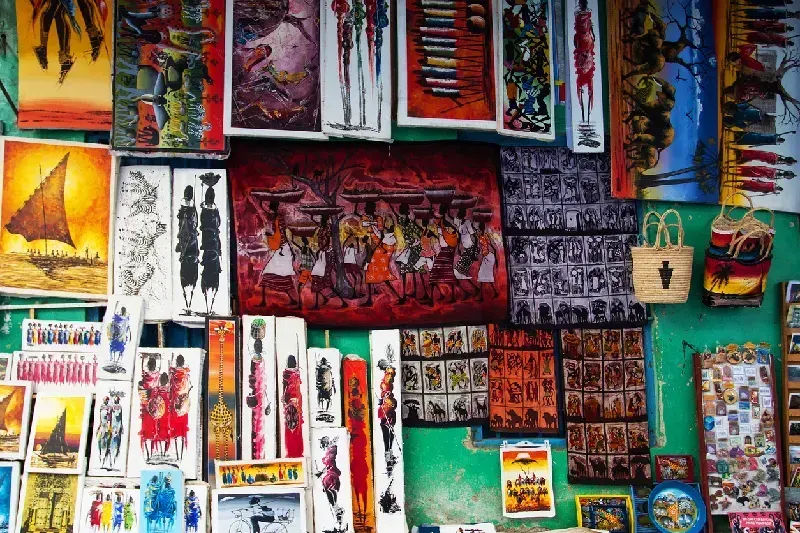
Souvenir shopping cannot be missed. Buy some souvenirs for friends and family. There is a huge collection of gifts that you can buy from locally-made bags to kangas (African fabrics worn by local women), t-shirts, trousers, purses, carvings, and textiles. The souvenirs in Stone Town range from tacky to tasteful.
The local currency in Zanzibar is the Tanzanian Shilling (TZS), although US dollars are widely accepted in hotels, restaurants, and tour companies. Carrying small cash notes is useful for local markets, taxis, and street food vendors in Stone Town, as smaller shops often do not accept cards. ATMs are available around the city center, but it’s always smart to keep some cash with you while exploring the narrow alleyways and bazaars.
Stone Town is best explored on foot, and the ideal time for walking tours is early morning or late afternoon when temperatures are cooler. Midday can become hot and humid, especially between December and March. Sunset walks along the seafront near Forodhani Gardens are especially beautiful and offer a lively local atmosphere.
Pack light, breathable clothing suitable for Zanzibar’s tropical climate. Comfortable walking shoes are essential because Stone Town’s streets are uneven and filled with narrow pathways. Don’t forget reef-safe sunscreen, sunglasses, a hat, insect repellent, and a reusable water bottle. Since Zanzibar is culturally conservative, modest clothing is recommended when visiting mosques or local neighborhoods.
Stone Town is one of the most photogenic places in East Africa, from its carved wooden doors and colorful markets to rooftop sunsets and winding alleyways. Early morning provides the best natural light and fewer crowds for photography. Always ask permission before taking photos of local people, especially in markets and residential areas.
If you only have one day in Stone Town, begin with a morning walking tour through the historic medina, visiting landmarks like the Old Fort, House of Wonders, and the Palace Museum. Stop for lunch at a local Swahili restaurant before exploring the narrow souks and carved doorways. In the afternoon, visit the Former Slave Market and Anglican Cathedral to learn about Zanzibar’s history. End your day at Forodhani Gardens, where you can enjoy sunset views and taste local street food like Zanzibar pizza, seafood skewers, and sugarcane juice.
1 to 2 days is enough to explore Stone Town's key landmarks including the Old Fort, Palace Museum, Slave Market Museum and Forodhani Gardens. However, spending 3 days allows you to explore at a slower pace, take a day trip to Prison Island and enjoy the local food scene without rushing.
Absolutely. Stone Town is one of the most popular add-ons to a Tanzania safari itinerary. Most travelers fly into Dar es Salaam, complete a Tanzania safari across the Serengeti, Ngorongoro Crater or Tarangire, then take a short ferry or flight to Zanzibar to end their trip with a few days in Stone Town and on the beaches.
Stone Town is generally considered safe for tourists. However, visitors should be aware of a few important cultural guidelines. Modest dress is strongly recommended especially when visiting mosques, local neighborhoods and markets. Women should cover their shoulders and knees.
Stone Town became a UNESCO World Heritage Site in 2000 thanks to its well-preserved Swahili architecture and rich mix of African, Arab, Indian, and European influences. Its coral stone buildings, carved wooden doors, mosques, temples, and colonial landmarks make it one of East Africa’s most important historic trading towns.
The best time to visit Stone Town is from June to October during the cool dry season, when the weather is ideal for walking tours and sightseeing. December to February is also popular thanks to warm temperatures and holiday travel. It’s also the perfect time to combine Zanzibar with a Tanzania safari for excellent wildlife viewing.
Tumbatu Island is one of the most beautiful places in Tanzania where visitors enjoy snorkeling, seeing the lighthouse and having a lovely walk on the beach. Know more!
Discover Udzungwa Mountains National Park in Tanzania, home to rainforests, mountain forests, and diverse wildlife. Read more!
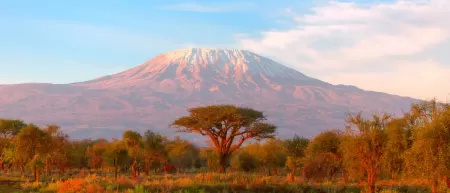
Discover the adventure of Mount Kilimanjaro, featuring stunning views, epic trekking trails, and unforgettable experiences.
Tanzania's Wildlife is not only abundant but is packed with different walks of exotic animals. Serengeti National Park is without a doubt one of those hubs. Read more!
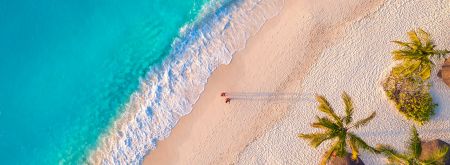
Explore paradise with this Zanzibar Beaches Guide, featuring top beaches, activities, travel tips, and the best time to visit Zanzibar.
Being a UNESCO World Heritage Site since 1979, the Ngorongoro Conservation Area is a safe haven and defense body for many of the endangered species. Read more!
Know all about Lake Manyara National Park: how to get there, best time to visit, wildlife and what to do there. Read more!
Explore Mafia Island in Tanzania: facts, climate, biodiversity, and local life. Learn about its coral reefs, marine park, and cultural heritage.
Explore Tarangire National Park: fees, wildlife, best time to visit, and safari tips for an unforgettable Tanzania adventure.
Dominated by the fourth highest mountain in Africa, Arusha National Park is one of the remarkable national parks in Tanzania. Read more!
All what you need to know about Pemba Island: culture, location, best time to visit, things to do and more.
Visit Stone Town Zanzibar and walk through centuries of history. From spice markets to carved doors, experience where four world cultures beautifully come alive.
Gombe National Park is one of the smallest parks in Tanzania with a lot to offer everyone from wildlife to forest vegetation. Read more!
Covering an area of 54,600 square kilometers, Selous Game Reserve is the largest protected game reserve in the African continent. Read more!
Prison Island Zanzibar has become a must-see jewel of Tanzania with the highlight attraction of being a large home for the tortoises. Read more!
Katavi National Park is known for its huge herds mostly consisting of Zebras, Giraffes, Buffaloes and so much more to discover. Read more!
Explore Dar es Salaam in Tanzania, with our guide to the best sights, activities, and insider travel tips.
Cheetah’s Rock does not identify itself as a zoo or a sanctuary, it could be described as a wildlife school as there are no signs of animal cruelty. Know more!
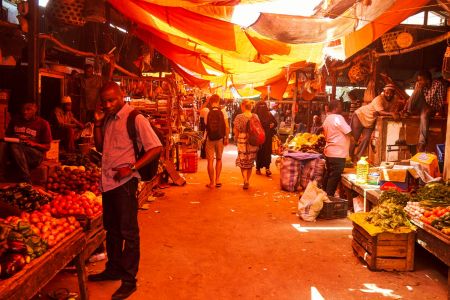
Darajani Market or Bazaar is considered one of the main markets in Stone Town. Know more about what to buy from there.
This is your ultimate guide about Saanane Island National Park: wildlife, things to do, location and how to get there.