Ngorongoro Conservation Area Guide
Explore the Ngorongoro Conservation Area in Tanzania with tips on safaris, wildlife, and cultural experiences.

Explore the Ngorongoro Conservation Area in Tanzania with tips on safaris, wildlife, and cultural experiences.
Africa is home to many eccentric and rare animal species and Tanzania in specific is no exception. The Ngorongoro Conservation Area is part of the Serengeti ecosystem, along with Serengeti National Park.
Named after the world’s largest intact and unfilled caldera, the Ngorongoro Crater, it provides a home for Maasai people who live alongside the region’s wildlife.
Ngorongoro Conservation Area is located in northern Tanzania. It is 180 kilometers from west of Arusha.
You can fly to Kilimanjaro International Airport (JRO) and then drive to Ngorongoro, 230 kilometers from the airport. The drive is about 5 hours.
Arusha Airport (ARK) is small, but it is the closest airport to Ngorongoro. You can land in Arusha Airport and then take a 3-hour drive to Ngorongoro Conservation Area. The distance is 170 kilometers.
Head to Ngorongoro Conservation Area by road from Nairobi. The distance is 400 kilometers, a 7-8 hour drive. It is not recommended to drive on your own, as it is exhausting. A good alternative is to fly to Nairobi and then take a local flight to Arusha. Afterwards, take a 3-hour drive to Ngorongoro Conservation Area.
Get in touch with our local experts for an unforgettable journey.
Plan Your Trip
Ngorongoro Conservation Area has a subtropical climate. As all regions in East Africa, the area has a dry season and a rainy season.
The winter dry season lasts from June to August, whereas the summer rainy season lasts from November to April.
The best time to visit Ngorongoro Conservation Area is all year round, because each season has its advantages and disadvantages. It is better to visit the area during the dry season, if you want the best weather and the best game viewing.
During December and March, it is the great period to witness the Great Migration. In Summer, impressive numbers of rare migrant birds can be spotted.
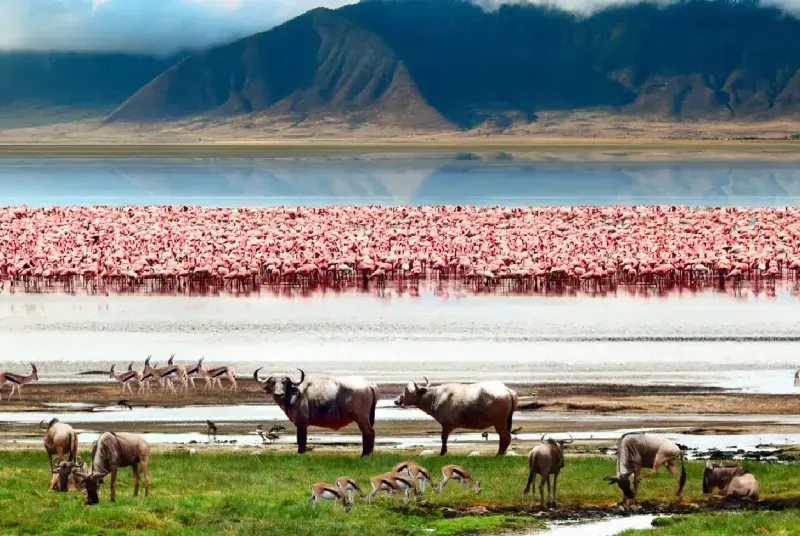
There is a benefit of travelling during the rainy season which is there will be fewer people and lower prices. Besides, a huge number of flamingos are spotted on the region’s soda lakes when the water level is high.
Many travelers include Ngorongoro in their Tanzania tours, combining wildlife safaris, cultural experiences, and stunning landscapes in one unforgettable journey.
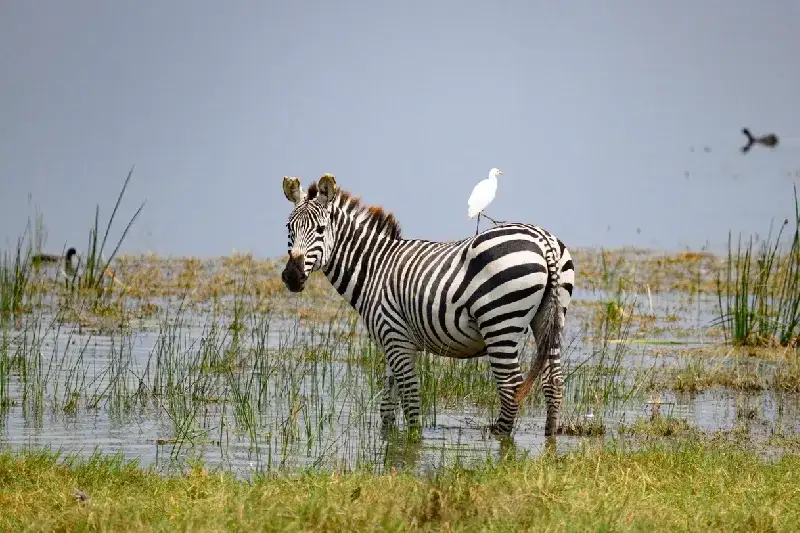
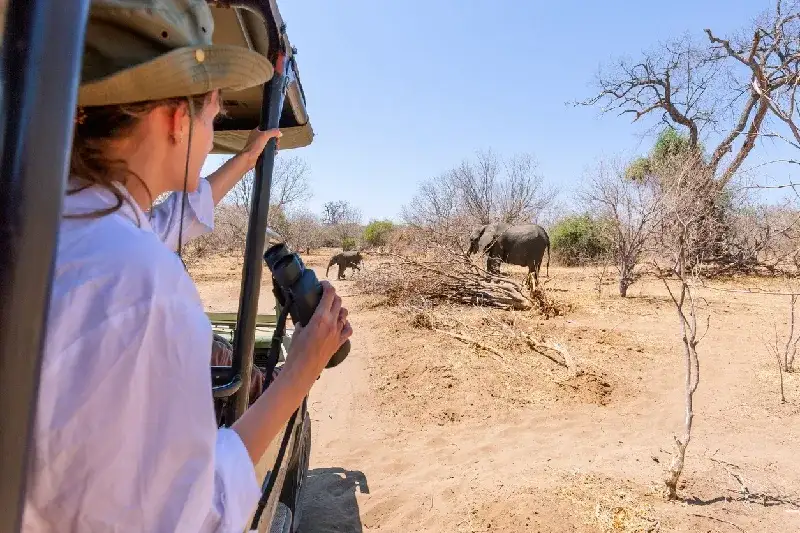
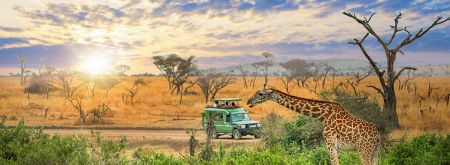
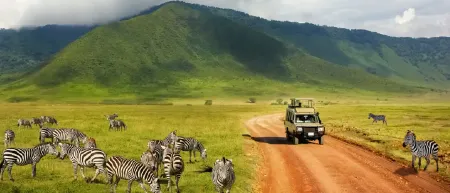
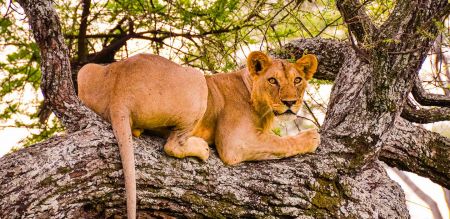
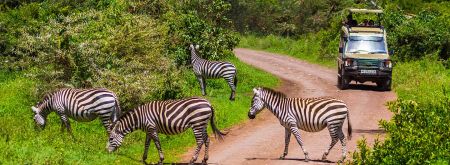
Ngorongoro Conservation Area is residence to an amazing diversity of wildlife such as Grant’s and Thomson’s gazelles, wildebeest, zebra and large herds of buffalo. The Ngorongoro Crater alone includes approximately 25,000 large game animals.
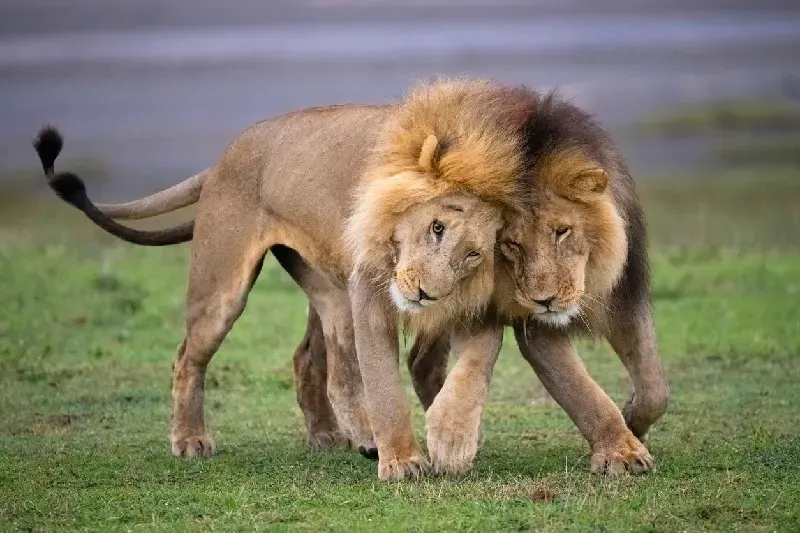
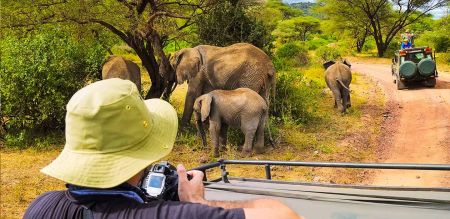
The large number of wildlife gives credit to the crater to be almost the best place in Tanzania to witness the Big Five (lion, leopard, elephant, buffalo and black rhino). The crater also supports the left population of black rhino left in the country.
The grass plains play an annual role during the Great Migration. The plains host approximately two millions of wildebeests, zebras and other antelopes. The abundance of prey is a factor of attracting many different species predators such as cheetah, hyena, lion and the endangered African wild dog.
500 bird species have been spotted in the Ngorongoro Conservation Area, 400 can be found in the crater itself. Many of the birds found in the conservation are unique to Tanzania or East Africa, which include endemics and near-endemics such as the Jackson’s widowbird, the Hartlaub’s turaco and the rufous-tailed weaver.
The seven East African vulture species are here. Vast flocks of flamingos are represented in Lake Magadi, Lake Ndutu and the Empakai Crater Lake.
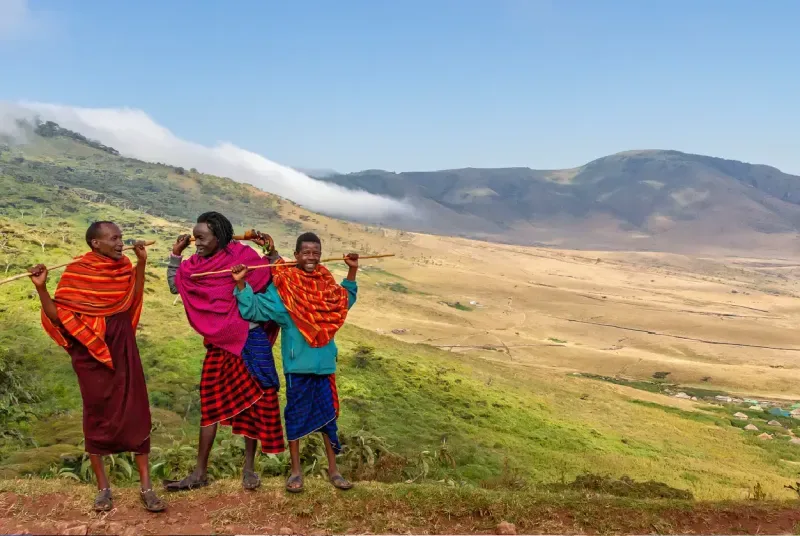
The Ngorongoro Conservation Area is not only home to abundant wildlife but also to the Maasai people, who have lived in the region for centuries. Visitors can learn about Maasai traditions, clothing, and pastoral lifestyle, including cattle herding and traditional ceremonies. The Maasai are known for their colorful attire and unique beadwork, which reflects their cultural heritage. Exploring their villages offers a glimpse into a way of life that has been maintained for generations, providing a rich cultural contrast to the area’s natural beauty.
Many travelers explore the Ngorongoro region through guided cultural tours, which often include visits to local villages, markets, and schools. These tours are designed to be informative and respectful, giving visitors insight into the Maasai community while supporting local livelihoods. Community visits can also include demonstrations of traditional crafts, storytelling, and opportunities to participate in daily activities, making it a meaningful complement to wildlife safaris.
When visiting Ngorongoro Conservation Area, it’s important to pack lightweight and breathable clothing, sturdy walking shoes, a hat, sunglasses, and sunscreen. Bring a camera or binoculars for wildlife viewing, and layers for cooler mornings and evenings. A rain jacket is useful during the wet season, and a small backpack can hold water, snacks, and personal items during safaris.
Travelers should take precautions such as vaccinations, mosquito repellent, and drinking bottled or purified water. Follow park rules and local guidance during game drives, stay inside vehicles where instructed, and maintain a safe distance from wildlife. It’s also recommended to carry a basic first aid kit and any necessary personal medications.
Visitors are encouraged to respect local communities and the environment. Support the Maasai and other local communities by buying handmade crafts or guided tour services, and avoid littering in natural areas. Stay on designated paths, refrain from feeding wildlife, and follow park regulations to help preserve Ngorongoro’s unique ecosystem for future generations.
The Ngorongoro Conservation Area is located in northern Tanzania, west of Arusha, and is part of the Great Rift Valley. It lies close to Serengeti National Park and includes the famous Ngorongoro Crater.
Yes, Ngorongoro is one of the best places in Africa to see the Big Five: lion, leopard, elephant, buffalo, and rhinoceros, in a single game drive, especially within the Ngorongoro Crater.
One day is usually enough to explore the Ngorongoro Crater itself, as most game drives take place on the crater floor. However, spending more time allows you to explore the wider conservation area and enjoy cultural experiences.
Ngorongoro can be visited year-round, but the best time is during the dry season from June to October for easier wildlife viewing. From December to March, visitors may also witness the Great Migration and enjoy excellent birdwatching.
Pack lightweight clothing, a warm layer for cool mornings, comfortable walking shoes, sunscreen, a hat, and binoculars or a camera. A rain jacket is useful during the rainy season, along with personal medications and insect repellent.
Tumbatu Island is one of the most beautiful places in Tanzania where visitors enjoy snorkeling, seeing the lighthouse and having a lovely walk on the beach. Know more!
Discover Udzungwa Mountains National Park in Tanzania, home to rainforests, mountain forests, and diverse wildlife. Read more!
Discover the adventure of Mount Kilimanjaro, featuring stunning views, epic trekking trails, and unforgettable experiences.
Tanzania's Wildlife is not only abundant but is packed with different walks of exotic animals. Serengeti National Park is without a doubt one of those hubs. Read more!
Explore paradise with this Zanzibar Beaches Guide, featuring top beaches, activities, travel tips, and the best time to visit Zanzibar.
Being a UNESCO World Heritage Site since 1979, the Ngorongoro Conservation Area is a safe haven and defense body for many of the endangered species. Read more!
Know all about Lake Manyara National Park: how to get there, best time to visit, wildlife and what to do there. Read more!
Explore Mafia Island in Tanzania: facts, climate, biodiversity, and local life. Learn about its coral reefs, marine park, and cultural heritage.
Explore Tarangire National Park: fees, wildlife, best time to visit, and safari tips for an unforgettable Tanzania adventure.
Dominated by the fourth highest mountain in Africa, Arusha National Park is one of the remarkable national parks in Tanzania. Read more!
All what you need to know about Pemba Island: culture, location, best time to visit, things to do and more.
Visit Stone Town Zanzibar and walk through centuries of history. From spice markets to carved doors, experience where four world cultures beautifully come alive.
Gombe National Park is one of the smallest parks in Tanzania with a lot to offer everyone from wildlife to forest vegetation. Read more!
Covering an area of 54,600 square kilometers, Selous Game Reserve is the largest protected game reserve in the African continent. Read more!
Prison Island Zanzibar has become a must-see jewel of Tanzania with the highlight attraction of being a large home for the tortoises. Read more!
Katavi National Park is known for its huge herds mostly consisting of Zebras, Giraffes, Buffaloes and so much more to discover. Read more!
Explore Dar es Salaam in Tanzania, with our guide to the best sights, activities, and insider travel tips.
Cheetah’s Rock does not identify itself as a zoo or a sanctuary, it could be described as a wildlife school as there are no signs of animal cruelty. Know more!
Darajani Market or Bazaar is considered one of the main markets in Stone Town. Know more about what to buy from there.
This is your ultimate guide about Saanane Island National Park: wildlife, things to do, location and how to get there.