Liam
It was amazing. The staff was amazing. The food was superb. The guide was very helpful.
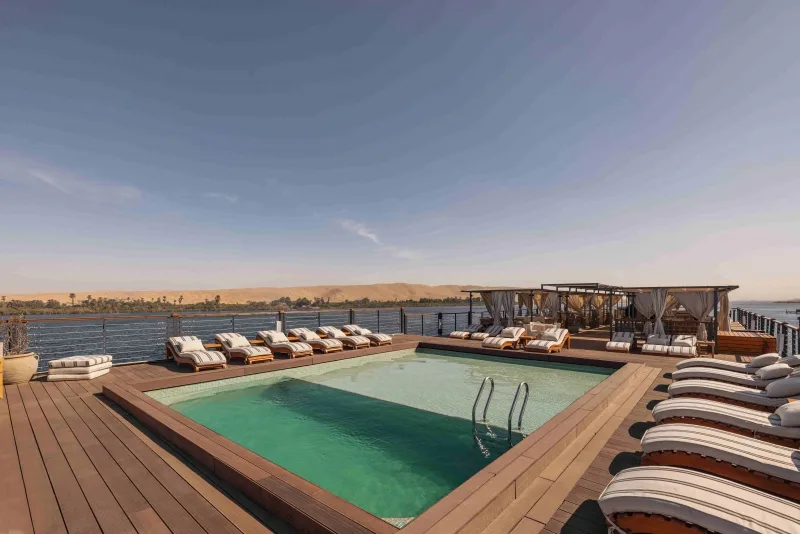
Sail the DWA Nile Cruise from Aswan to Luxor or Luxor to Aswan. Temples, spa and sun-deck pool included. Check dates and book your cabin today.
Schedule
4 Days Aswan/ Luxor
5 Days Luxor/Aswan
Countries
1 Country
4 Cities
Type
sharing Small Group
15 - 20 Persons
Run
Every Friday from Aswan
Every Monday from Luxor
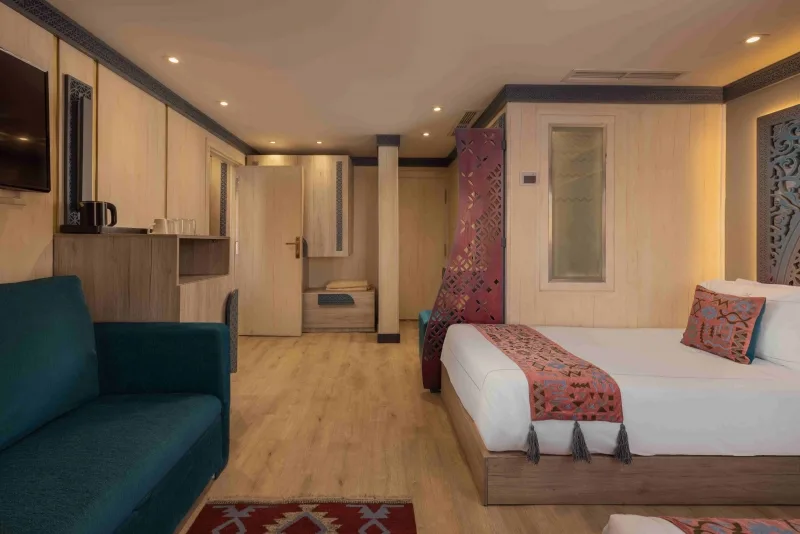
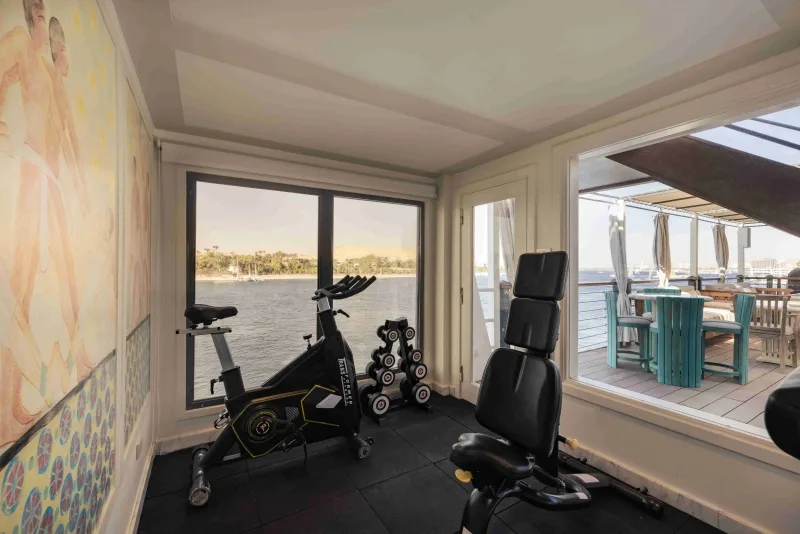
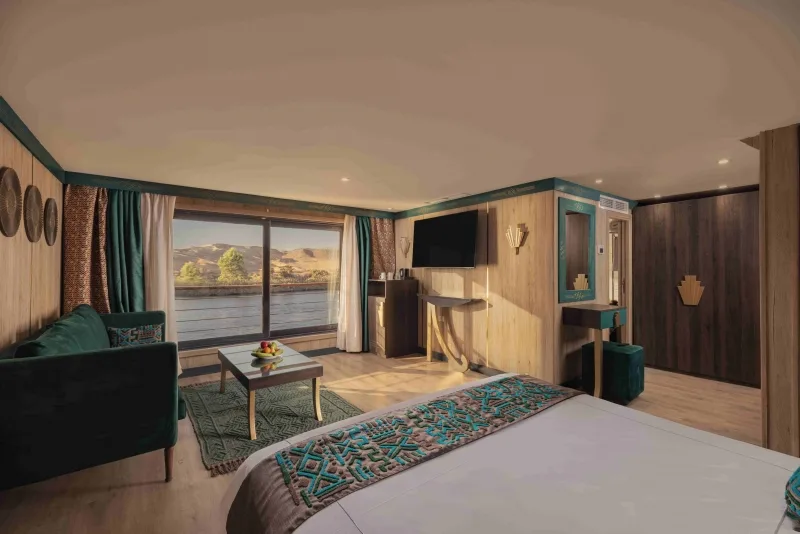
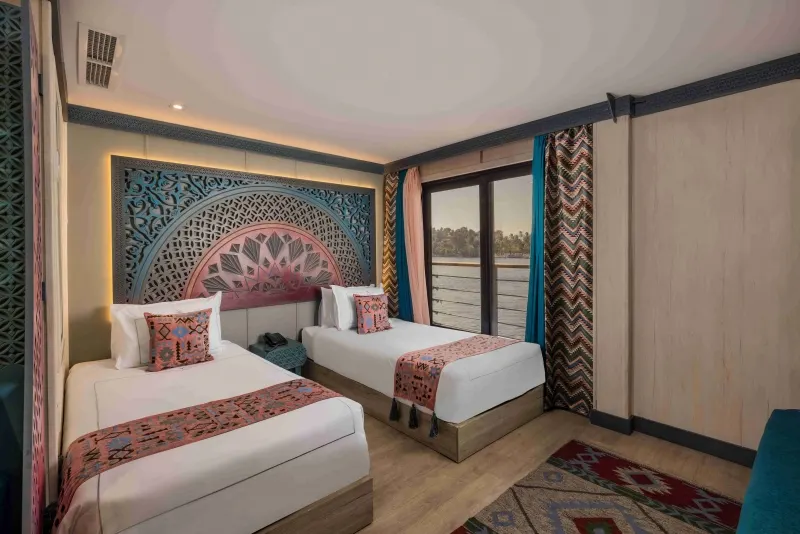
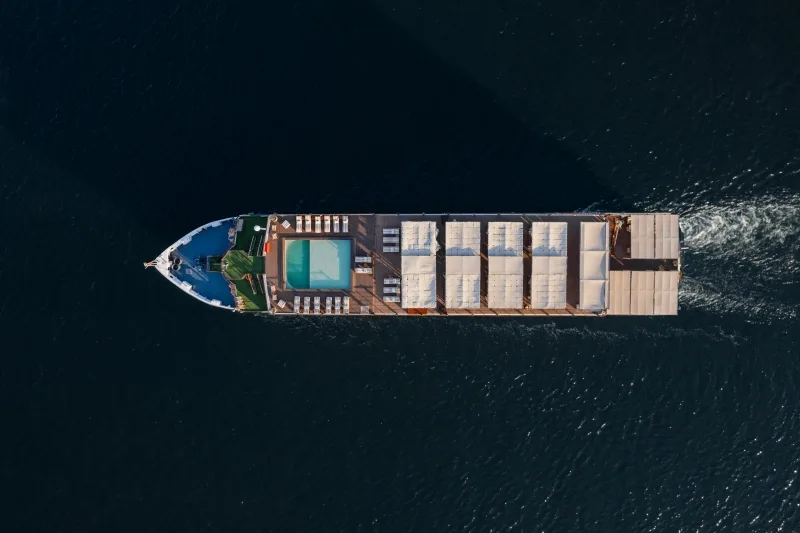
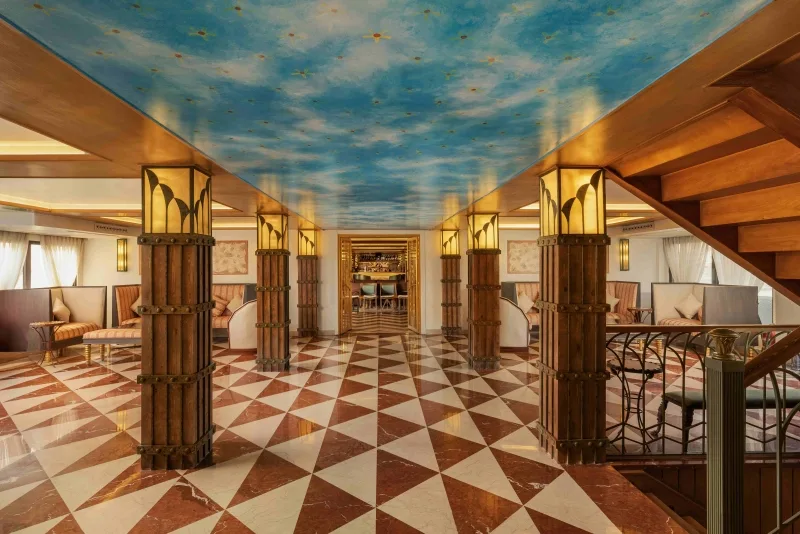
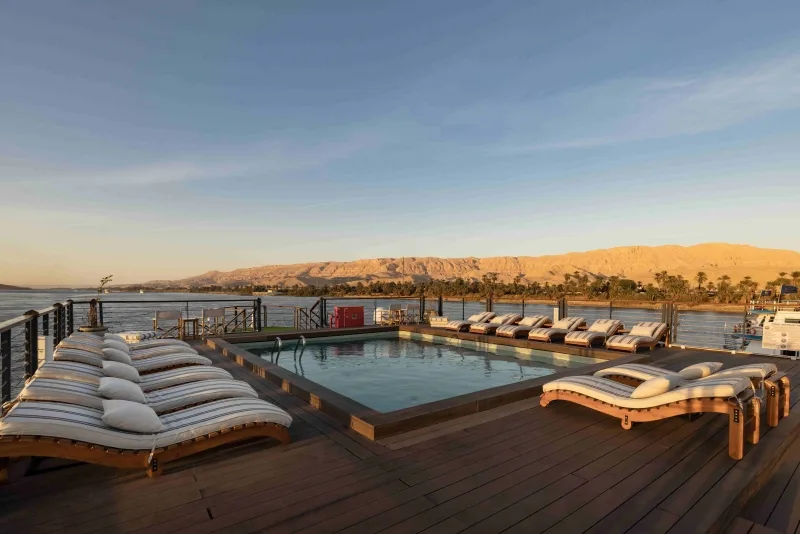
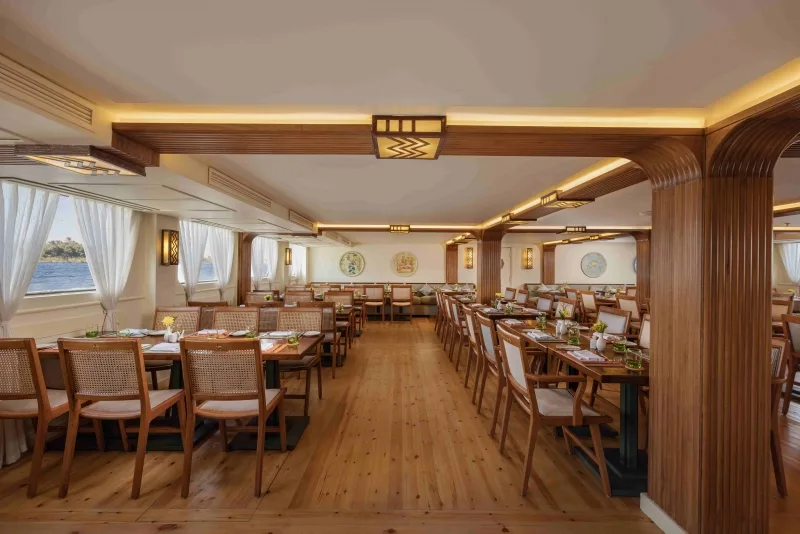
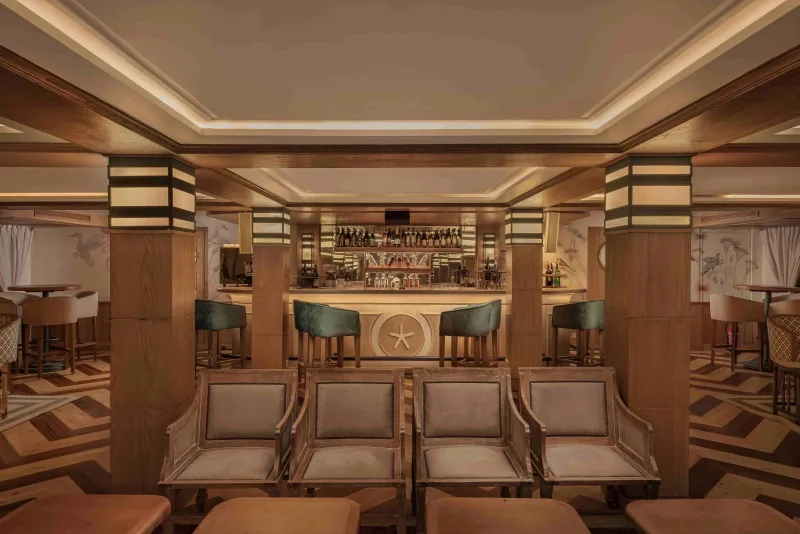
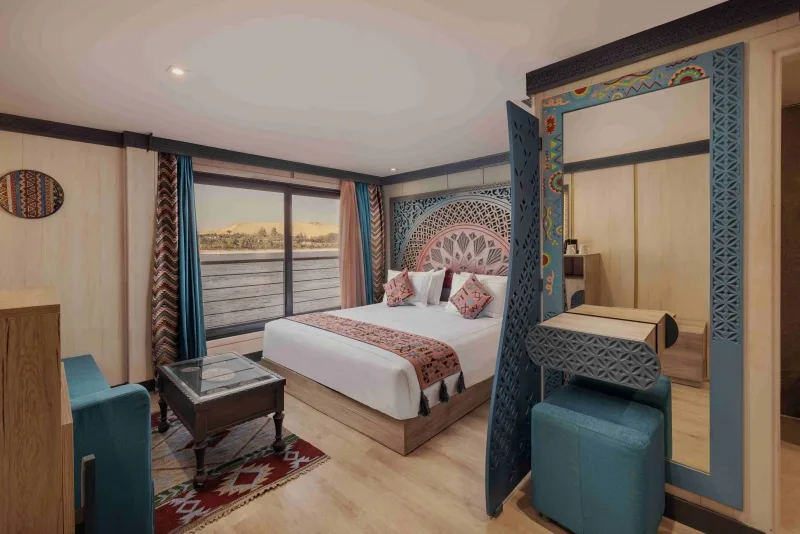
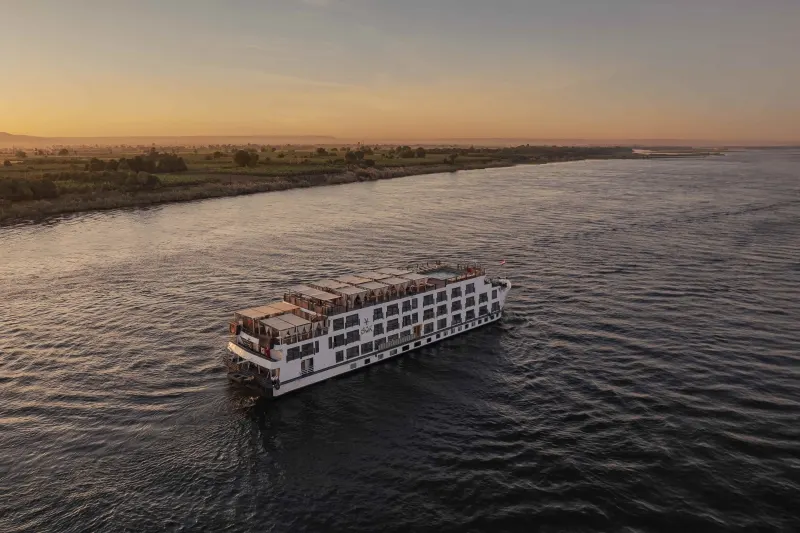
Not every great Nile cruise needs to reinvent the wheel. The DWA gets the fundamentals right — a well-appointed 5-star ship, a small group of just 12 guests, an expert Egyptologist guide for every excursion, and a route through the most spectacular stretch of the ancient world — and delivers them with the kind of consistency that keeps travelers recommending it to friends.
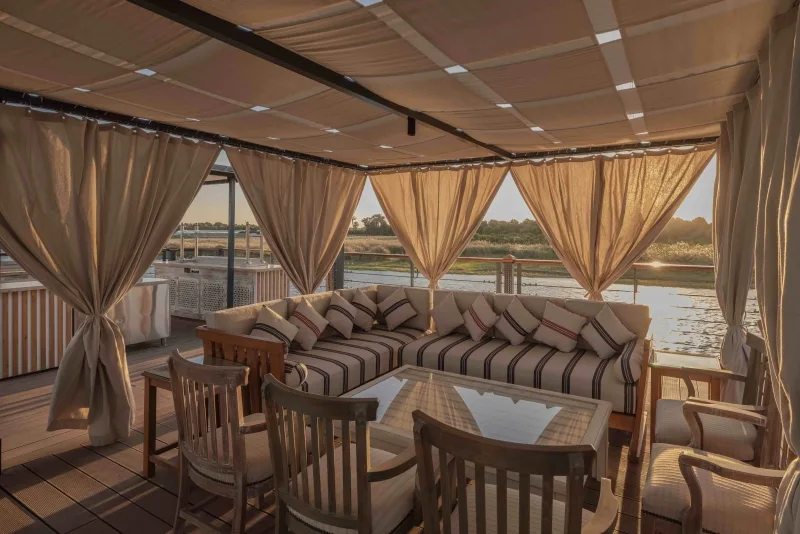
Sailing between Aswan and Luxor, the DWA covers the same legendary temples and monuments that have drawn travelers to Upper Egypt for centuries. What sets it apart is how it delivers that experience — with comfortable, well-designed cabins, attentive service, full board meals, and a relaxed pace that gives you time to absorb what you're seeing rather than rushing through it. This is a cruise that gets out of the way and lets ancient Egypt be the star.
What to Expect
On Board Facilities
Frequently Asked Questions
What temples do you visit on the DWA Nile cruise?
Both itineraries cover the key sites between Aswan and Luxor. On the 4-day Aswan to Luxor route you visit Philae Temple, the Unfinished Obelisk, Kom Ombo Temple, Esna Temple, Karnak Temple, Luxor Temple, the Valley of the Kings, and the Temple of Queen Hatshepsut. All entrance fees are included.
How is the DWA different from other Nile cruises on the Memphis Tours website?
The DWA is a focused, well-priced 5-star small-group cruise that delivers the essential Nile cruise experience without extras you may not need. If you're looking for a larger all-suite ship with a higher crew ratio and multiple lounges, the MS Salacia is worth comparing. If you want a reliable, comfortable, small-group cruise at a strong price point, the DWA delivers exactly that.
Which direction is better — Aswan to Luxor or Luxor to Aswan?
Both routes visit the same temples. The 4-day Aswan to Luxor direction begins in the quieter, more atmospheric south and builds toward the dramatic West Bank finale in Luxor. The 5-day Luxor to Aswan direction starts with Luxor's East and West Bank sites on Day 1 and 2, then takes you deeper south toward Aswan — ideal if you prefer ending your cruise in a slower, more relaxed city.
What is included in the price?
All meals from the first lunch through the final breakfast, all temple and site entrance fees, an English-speaking Egyptologist guide for every excursion, and all transfers by air-conditioned vehicle. Tips and personal expenses are not included.
What is the best time of year to sail?
October through April is the most comfortable season for sightseeing, with cooler daytime temperatures. May through September is hotter but less crowded and priced lower. The DWA sails year-round.
How do I secure my spot?
A deposit of just 25% confirms your cabin and all included services. The remaining balance can be paid up to two days before arrival or in cash on arrival.
Can I book the DWA as a standalone cruise?
Yes — you can fly directly into Aswan or Luxor depending on your chosen direction. Memphis Tours also offers combined packages that include Cairo and the Pyramids of Giza if you want a fuller Egypt itinerary.
Ready to sail? Send us your travel dates and we'll handle everything from there.
→ Get Your Free Quote
4 days of curated travel across iconic destinations.
Aswan is where your Nile journey begins — and it sets the tone perfectly. Smaller and quieter than Cairo or Luxor, this southern city sits where the Egyptian desert meets the river in a landscape of golden sand, granite boulders, and slow-moving feluccas. A Memphis Tours representative meets you at Aswan airport or train station and transfers you directly to the DWA for embarkation before lunch. After checking into your cabin, your Egyptologist takes you to two of Aswan's standout sites before dinner on board.
Philae Temple occupies a small island in the Nile — you reach it by a short motorboat crossing, which makes arriving feel like a proper discovery. Dedicated to the goddess Isis, it was one of the last temples in Egypt where the ancient religion was still practiced. When the Aswan High Dam threatened to submerge it permanently, UNESCO coordinated its complete dismantling and reassembly on higher ground — one of the most remarkable feats of archaeological preservation ever undertaken. The Unfinished Obelisk nearby tells a different kind of story: abandoned mid-carving after a crack appeared in the granite, it still lies in the quarry exactly where the workers left it, offering a uniquely raw look at the engineering behind ancient Egypt's most iconic monuments.
Walking and effort:
Moderate. Philae involves a short motorboat transfer with a step up from the dock, followed by uneven stone paths and a few shallow stairs. The Unfinished Obelisk is a short walk on a sloping granite surface with no shade — flat, closed-toe shoes and a hat are recommended.
Embarkation:
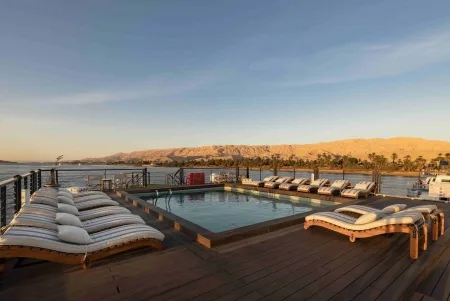
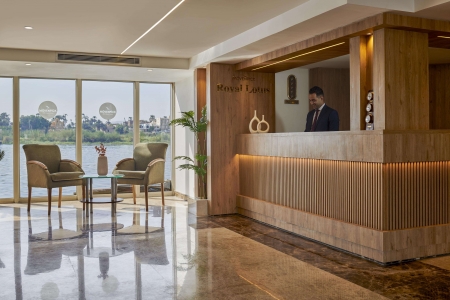
Boarding is before lunch. If you arrive earlier than your cabin is ready, reception will store your luggage and you are welcome to use the lounge and sundeck in the meantime.
Overnight: Aboard the DWA in Aswan
Meals: Lunch, Dinner
The morning after breakfast belongs to the river. You set sail north toward Kom Ombo with no agenda until the afternoon — time to find a spot on the sundeck, watch the landscape change from granite desert to palm-lined banks, and let the Nile work its particular kind of calm on you.
Kom Ombo Temple stands directly on the riverbank — one of the few ancient Egyptian temples built in a position where you can see the Nile from inside its sanctuaries. What makes it architecturally unique is its dual dedication: the entire structure is perfectly symmetrical, with duplicate halls, gateways, and sanctuaries built side by side for two separate gods — Sobek the crocodile god on one side and Horus the Elder on the other. Ancient crocodile mummies discovered near the site are displayed in a small museum on the grounds. After the visit you sail on to Esna as the evening settles in.
Walking and effort:
Light. Kom Ombo is directly riverside, so the temple is a short, mostly level walk from the mooring with only a gentle ramp and a few steps — the easiest sightseeing day of the program.
Overnight: Aboard the DWA in Esna
Meals: Breakfast, Lunch, Dinner
Please note: scheduled timings may be adjusted due to operational or environmental factors.
Today moves quickly and covers a lot of ground — an early morning temple visit in Esna, a sail through the famous Esna Lock, and two of Luxor's greatest East Bank monuments in the afternoon. The evening brings a belly dance show on board, a lively end to your most action-packed day.
Esna Temple is easy to overlook on a Nile cruise itinerary — but it shouldn't be. Dedicated to Khnum, the ram-headed god believed to have shaped humanity on a potter's wheel, it was buried under the city for centuries and only partially excavated, so the street level of modern Esna sits several meters above the ancient temple floor. Walking down into it feels like descending into another time entirely. The Esna Lock, navigated mid-morning, brings cruise ships through one at a time and is a surprisingly compelling thing to watch from the deck. Karnak Temple, the afternoon's main event, is the largest religious complex ever built on earth — 200 acres of sanctuaries and columns raised by 30 different pharaohs across 1,300 years. Luxor Temple, visited close to evening, is best seen as the light fades and the floodlights take over, turning its stone façade a deep amber against the darkening sky.
Walking and effort:
The most demanding day of the program. Esna Temple requires descending and re-climbing a full flight of stairs to reach the excavated temple floor. Karnak covers a large site on uneven ground and involves the longest continuous walking of the cruise. Luxor Temple adds a further moderate walk with some steps and low light toward the end of the visit. Comfortable walking shoes and plenty of water are essential.
Overnight: Aboard the DWA in Luxor
Meals: Breakfast, Lunch, Dinner
Entertainment: Egyptian cultural evening.
Please note: scheduled timings may be adjusted due to operational or environmental factors.
Your final morning takes you to the West Bank — the ancient burial ground of Egypt's pharaohs, where the cliffs hide more than 60 royal tombs and the landscape itself feels charged with history. After the visits, your Memphis Tours representative transfers you to Luxor airport or the train station.
Inside the Valley of the Kings, painted tomb walls remain as vivid as the day they were sealed — the dry desert air has preserved colors and details that would have faded anywhere else on earth. Your standard admission includes entry to three open tombs, selected by the government authorities and rotated periodically to protect the sites — each with its own scenes of the afterlife, offerings to the gods, and hieroglyphic texts intended to guide the pharaoh's soul safely through death. Tutankhamun's tomb — discovered in 1922 with its treasures virtually untouched — is also located in the valley, and can be visited on a separate ticket purchased on site; the tombs of Seti I and Ramses V/VI are likewise separately ticketed and are not part of the standard admission. The Temple of Queen Hatshepsut, a short distance away, is one of the most architecturally striking buildings in Egypt: three colonnaded terraces rising in clean horizontal lines directly against the sheer limestone cliffs behind it. Hatshepsut was one of ancient Egypt's most successful rulers, reigning as pharaoh for over two decades — a fact her successors tried hard to erase from history, and failed. The two Colossi of Memnon, all that remains of a vanished mortuary temple, close the morning with a brief photo stop beside the road.
Walking and effort:
Moderate to demanding. The Valley of the Kings involves walking between tomb entrances in open desert heat and descending sloping ramps and stairs inside each tomb, which are warm and enclosed. Hatshepsut has a long, gently rising approach with optional stairs between terraces. The Colossi of Memnon is a level, five-minute stop.
Disembarkation:
Check-out takes place after breakfast, so please have your luggage ready and settle any onboard extras at reception the evening before. Cabins are vacated before the West Bank tour; your luggage is stored securely and travels with you to the airport or station afterward.
Meals:
Breakfast
Your DWA Nile Cruise ends in Luxor — but Egypt doesn't have to. Ask us about combining it with Cairo and the Pyramids of Giza, or extending to the Red Sea. We'll build the itinerary around your schedule.
Sail the DWA Nile Cruise from Aswan to Luxor or Luxor to Aswan. Temples, spa and sun-deck pool included. Check dates and book your cabin today.
Everything you need, covered.
Available as custom add-ons.
Pro Tip
Optional add-ons and upgrades are available for this egypt program. Speak with our travel specialists to tailor your package.
Essential resources for your egypt journey
Real stories from real travelers who trusted us with their journeys.