Today follows one of Japan's oldest and most spiritually significant routes, the Kumano Kodo, a network of ancient pilgrimage paths through the mountains of the Kii Peninsula that has been walked by emperors, monk…
Today follows one of Japan's oldest and most spiritually significant routes, the Kumano Kodo, a network of ancient pilgrimage paths through the mountains of the Kii Peninsula that has been walked by emperors, monks, and ordinary people since the 9th century, and is today one of only two pilgrimage routes in the world to hold UNESCO World Heritage status (the other being the Camino de Santiago in Spain).
Oyunohara, the vast riverside gravel bed that was the original sacred site of Kumano Hongu Taisha before the great flood of 1889, is marked by the largest torii gate in Japan, standing alone in the open air with the surrounding cedar forest as its only frame. The atmosphere is unlike anywhere else on this journey.
Kumano Hongu Taisha Shrine itself is the most important of the three Grand Kumano Shrines, a compact complex of lacquered vermillion halls hidden deep in the cedar forest that has been receiving pilgrims for twelve centuries. The walk up through the stone-flagged approach under the ancient trees earns its destination.
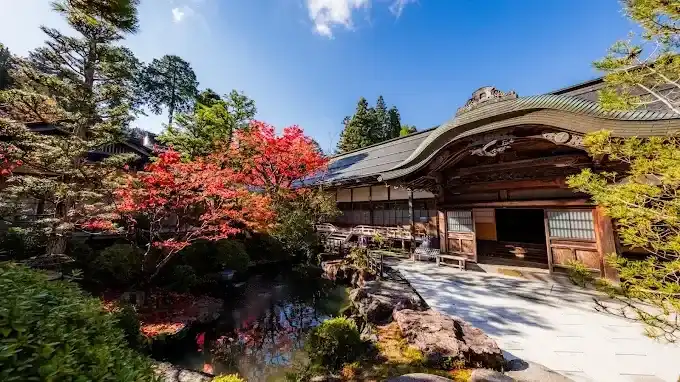
The evening belongs to Koyasan (Mount Koya), a mountaintop monastic complex founded by the Buddhist monk Kobo Daishi in 816 AD and home to over 100 temples, the extraordinary Okunoin Cemetery where over 200,000 stone grave markers disappear into a forest of 900-year-old cedar trees, and the most profound overnight experience available to visitors in Japan. You sleep, eat a traditional shojin-ryori (Buddhist vegetarian meal), and wake in a working Buddhist temple, participating in morning prayers if you choose, and leaving with a sense of place that no hotel can replicate.
Overnight: Temple Stay in Koyasan
Meals: Breakfast


.webp)