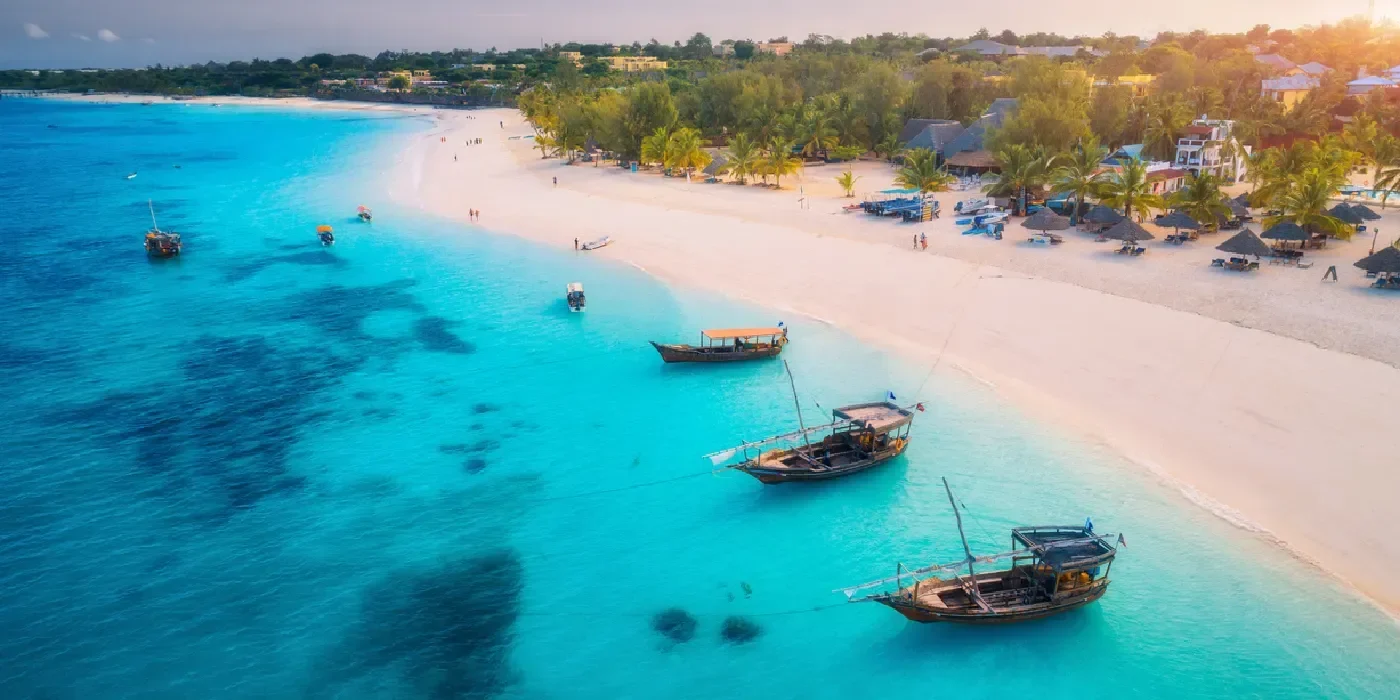
#Why Zanzibar should be your next destination
#Zanzibar food & street markets
#Best time to visit Zanzibar & travel tips
Planning a trip and wondering what to do in Zanzibar? From UNESCO-listed Stone Town and pristine Nungwi beach to giant tortoises, Jozani Forest wildlife, and the legendary full moon party, this guide covers the best things to do in Zanzibar for every type of traveler.
Zanzibar is an archipelago off the coast of Tanzania, renowned for its crystal-clear Indian Ocean waters, white-sand beaches, rich Swahili culture, and incredible marine life. Whether you're looking to snorkel coral reefs, explore centuries-old Arab architecture, go on a wildlife safari, or party under the stars, Zanzibar has it all, and it pairs perfectly with a Tanzania safari.
Zanzibar's waters are crystal clear, its beaches pristine white sand, and a typical vacation day involves sipping fresh coconut water in perfect relaxation on the shore. It's peaceful, idyllic, and not hard to see why it's one of the most beloved islands off the coast of East Africa. The island is also home to a vast and beautiful array of marine life, offering fantastic snorkeling and diving experiences to travelers.
More than just a beach destination, Zanzibar has a distinct ethnic history that blends Arab, Persian, African, and Indian influences, contributing to its exceptional cuisine, architecture, and culture. To help you make the most of your visit, we've put together the ultimate list of things to do in Zanzibar.

Get in touch with our local experts for an unforgettable journey.
Plan Your Trip
Sitting on the west coast of Zanzibar, Stone Town is an incredible mashup of Arab-style buildings and beautifully carved wooden doors. Immersed in history and brimming with charm, its winding streets are an absolute joy to get lost in, from the bustling craft market to the historic museums, every corner reveals something new.
Immerse yourself in the local culture by trying the town's exquisite Swahili cuisine at one of the many local restaurants, or simply keep strolling through the streets, unveiling unique little spots at every turn. Stone Town is the cultural heart of Zanzibar and should be your first stop on any itinerary.
Pro tip: Take an evening stroll towards the famous night market in Forodhani Gardens on the seafront and savor fresh aromatic seafood cooked to perfection, the octopus grilled with coconut is unmissable.
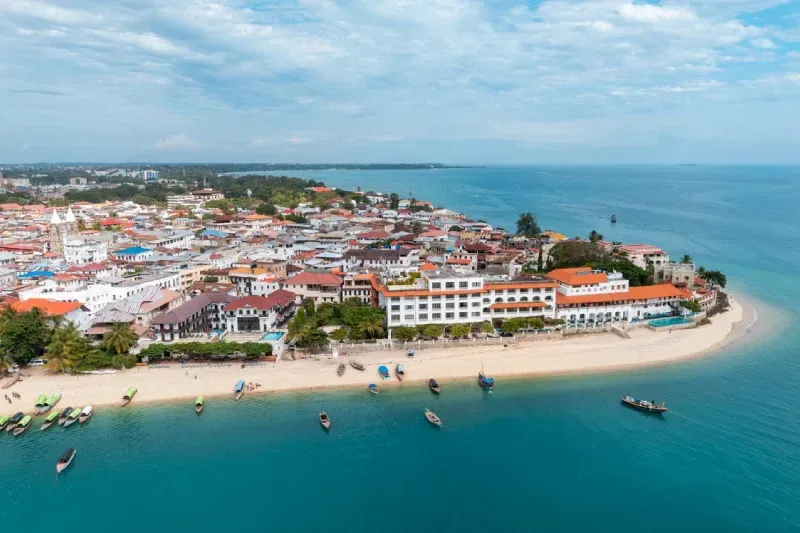
Once a famous dhow-building center, Nungwi is a simple fishing village that has emerged as one of the top things to do in Zanzibar, thanks in part to its stunning sunsets and spectacular beaches. Still adorned by the fishing sails unchanged from centuries past, Nungwi is your perfect respite to soak up some sun while dipping your toes in the sea.
The real highlight remains the golden sand beach ranked among CNN's 100 best beaches in the world. Nungwi's vast coastline is wide open for all-day water activities in some of Africa's most pristine, coral reef-rich waters. It's one of the rare Zanzibar beaches unruffled by severe tidal changes, making it a true haven for water lovers, swimmers, and snorkelers year-round. Read our full Zanzibar beach guide for more on choosing the right beach for your trip.
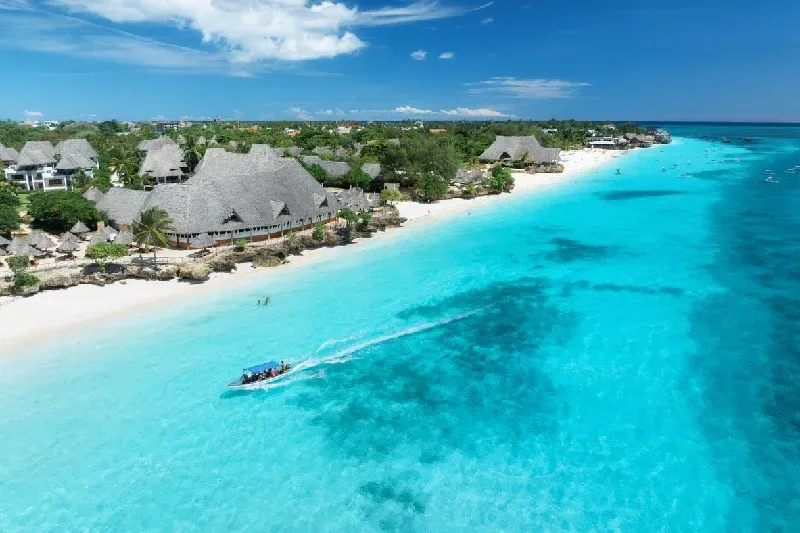
Somberly named Prison Island has a dark past as a former detention center for enslaved people. The Slave Trade museum on the island is well worth a visit to understand this history. But today, the island has a wonderfully uplifting new purpose: it is a nature reserve for giant Aldabra tortoises, some of the largest and oldest in the world.
Just a half-hour boat ride from Stone Town, Prison Island is one of the most popular things to do in Zanzibar. Among its residents is a 180-year-old giant tortoise who makes it evident just how much he enjoys the attention. You can hand-feed them in the afternoon, a truly once-in-a-lifetime experience for families and wildlife lovers alike. The surrounding waters also offer excellent snorkeling opportunities.
Pro tip: Provided you are gentle and courteous, you're welcome to touch these placid creatures. Arrive before 10am to have the island mostly to yourself before tour groups arrive.

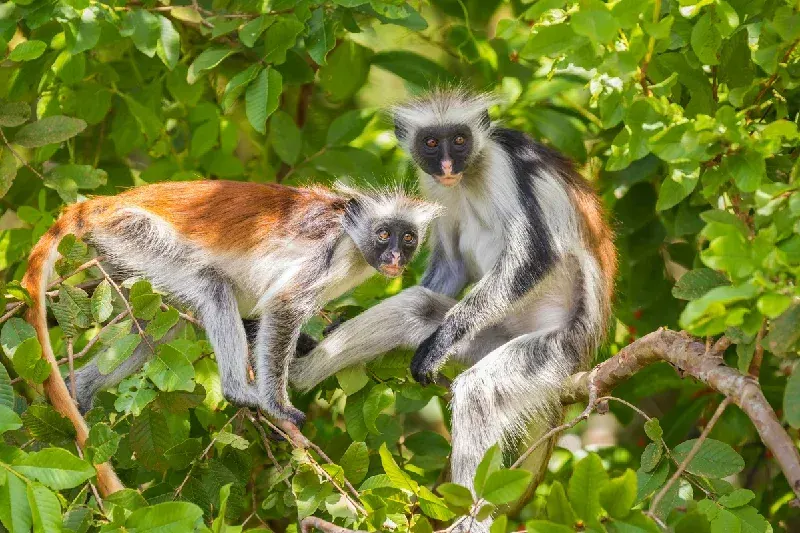
One of the last indigenous forests remaining in Zanzibar, Jozani National Park is where you'll go on a steamy forest safari through towering mangroves and palm trees, without needing to fly to mainland Africa. The park is home to the endangered Zanzibar red colobus monkey, found nowhere else on Earth, as well as shy bushbabies and the rare Zanzibari leopard.
In addition to wildlife spotting, tourists can follow a nature trail through the lush mangroves, enjoy refreshments at the small cafés and craft stalls nearby, and combine the visit with a Spice Plantation Tour to understand why Zanzibar is called the Spice Island of the world.
Important: The red colobus monkeys are wild animals. Travelers are advised not to get closer than 4 meters and must not stroke or feed them, even if they approach you.
Head north toward the bijou resort of Kendwa Rocks and experience a full moon beach party with an authentic African spirit. Every month, the whole community of Kendwa comes together and lets its hair down with a riot of firelight, eating, drinking, and dancing under the moonlit sky on white sandy grounds.
What makes it genuinely special is that it's a very local affair. From the finest Zanzibari DJs and live singers to incredible acrobats, fire eaters, and traditional dancers, the party has an authentic East African feel throughout. With a modest entry fee, it's one of the best and most unique things to do in Zanzibar after dark.
Pro tip: Book accommodation in Kendwa the night before the party, the celebration goes until sunrise and you won't want to travel back to Stone Town in the dark.
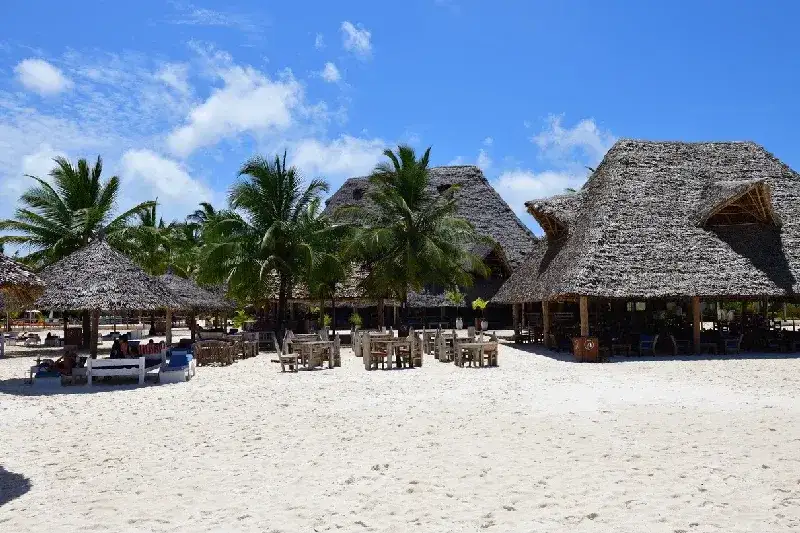
You're in one of the best places in the world if you happen to be a food or spice lover. Zanzibar is globally renowned as the "Spice Island", a legacy of the Arab and Persian traders who cultivated cloves, cardamom, cinnamon, black pepper, and nutmeg here for centuries. There's no better way to immerse yourself in local culture than learning about this richest of industries.
Visit the famous Darajani Bazaar and take one of the many plantation tours available through the island's interior. Walk through winding plantation paths with expert local guides who'll explain the origins of the spice trade, let you smell, touch, and sample the spices that flavor cuisines around the world, and finish with a locally prepared traditional lunch. It's a truly fascinating, flavorsome, and fragrant experience, even if you think it might not be your thing.
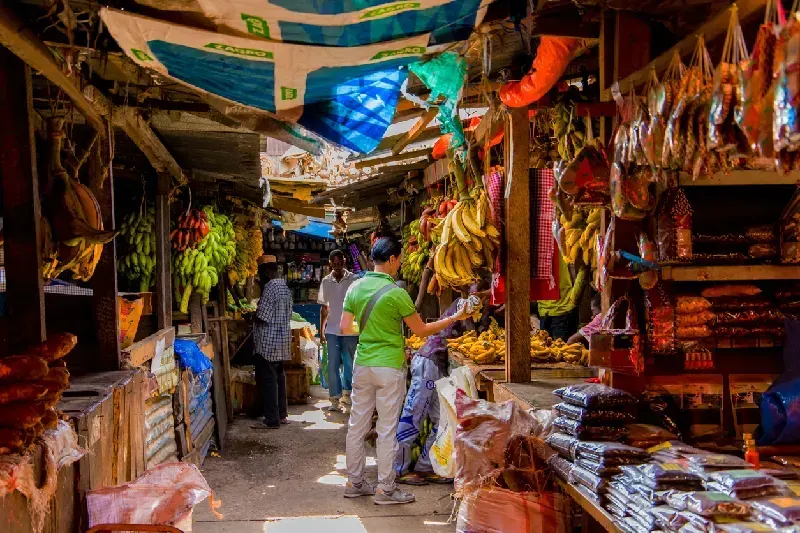
Food in Tanzania, especially Zanzibar, is a rich reflection of its history and cultural mix. Swahili cuisine is at the heart of the island’s food scene, blending Arab, Indian, and African influences into flavorful dishes like aromatic pilau rice, spiced biryani, and freshly grilled seafood caught daily from the Indian Ocean. Coconut milk, cloves, cinnamon, and cardamom are commonly used, giving the food its distinct island taste.
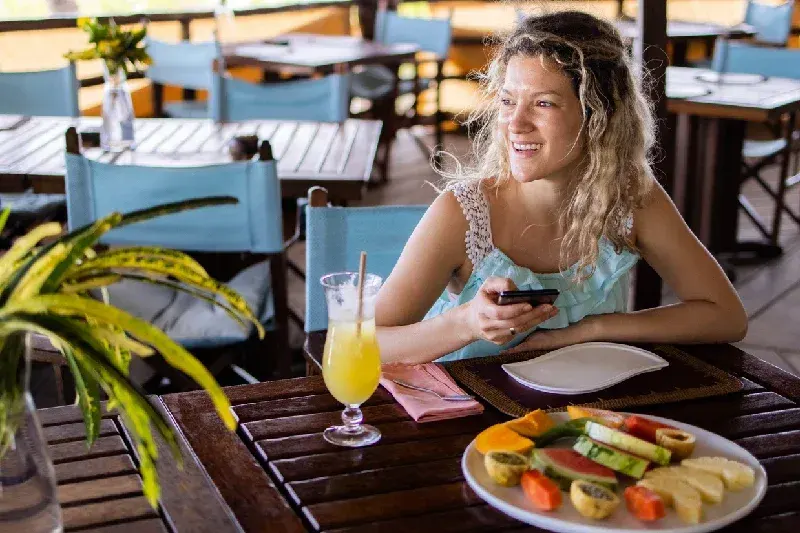
Throughout the island, you’ll also find an abundance of fresh tropical fruits such as mangoes, pineapples, bananas, and passion fruit, often served alongside refreshing coconut water straight from the shell. These simple yet delicious treats are a staple of daily life in Zanzibar.
Overall, the island’s food culture is a true journey of flavors, offering visitors a unique opportunity to taste the fusion of cultures that have shaped Zanzibar over centuries.
The best time to visit Tanzania and Zanzibar is during the dry seasons from June to October and December to February, when the weather is sunny, the sea is calm, and conditions are ideal for beaches, snorkeling, and diving.
Most travelers need a visa to enter Tanzania/Zanzibar, which can be obtained as an e-visa before travel or on arrival, depending on nationality.
The local currency is the Tanzanian Shilling, but US dollars are widely accepted in tourist areas. It’s recommended to carry both for easier transactions and better flexibility.
Pack light, breathable clothing, swimwear, comfortable shoes, and essentials like reef-safe sunscreen, sunglasses, and a hat to stay protected in the tropical sun.
The best time to visit Zanzibar is during the dry seasons: June to October (long dry season) and December to February (short dry season). July and August are peak months with perfect beach weather and calm seas ideal for snorkeling and diving. Avoid the long rains (March–May) and short rains (November).
Most visitors spend 5 to 7 days in Zanzibar. This gives you enough time to explore Stone Town (1–2 days), relax on the beaches (2–3 days), and take day trips to Prison Island, Jozani Forest, and a spice plantation. For a beach-only trip, 4 days can suffice.
Zanzibar is famous for its pristine white-sand beaches, the UNESCO-listed Stone Town, its centuries-long history as the Spice Island, vibrant Swahili culture blending African, Arab, and Indian influences, and world-class snorkeling and diving in the Indian Ocean.
The most common route is to fly from Zanzibar (ZNZ) to Arusha or Kilimanjaro Airport, then connect to a bush flight into the Serengeti or Ngorongoro. Many travelers combine a Tanzania mainland safari with a Zanzibar beach extension, this is known as a "bush and beach" itinerary and is one of Africa's most popular holiday combinations.
Zanzibar is part of Tanzania, so your Tanzanian tourist visa covers entry. Most nationalities can obtain a visa on arrival or via the Tanzania e-visa portal before travel. Always check current requirements for your specific passport well in advance of your trip.
The best things to do in Tanzania include exploring Stone Town, relaxing on beaches like Nungwi, snorkeling at Mnemba Atoll, visiting Prison Island, walking in Jozani Forest, and enjoying a sunset dhow cruise.
Keep the inspiration going with these handpicked travel reads.
Morocco, home of the world’s most stunning sights and attractions. The majestic heights of the Atlas Mountains and the Sahara Desert. Explore More about Morocco!
Turkey is incredibly rich in culture, history and nature. No matter your interests, there's no shortage of awe-inspiring places to visit in Turkey. The country has a long history of varied religious traditions and diversity in architecture and art styles.
Ready to Fire-up 2026? Plan your Dubai New Year and Christmas Eve in Dubai and Explore Top Places and Activities with Memphis Tours. Explore More for Memorable Dubai Tours
Some places can give us a lifetime of unforgettable memories, especially if shared with our loved ones. Picking a great spot to spend a special anniversary or a honeymoon is not an easy thing to do. This guide will help you explore the best vacation spots for couples to have a wonderful time. Know more about the top romantic places to visit for couples, best activities to do, and top attractions not to miss.
Near the town of Aswan, are the foremost colorful and feel good villages of the whole country. The Nubian Villages are painted all told the colours
Witness the awe-inspiring spectacle of the Total Solar Eclipse in 2027 with our ultimate guide. Discover the best viewing locations, essential tips, and everything you need to know to make this once-in-a-lifetime experience truly unforgettable.
Discover the top 12 destinations to visit in December 2026 for a memorable holiday! From snowy escapes to tropical getaways, find your perfect vacation spot.
Explore the best coastal cities in Morocco, from Essaouira to Agadir. Discover surf hotspots, cultural gems, and hidden seaside escapes along the Atlantic coast.
Subscribe now for Memphis Tours Latest blogs!