Table of content
Peru’s calendar falls into three clear travel periods, each suited to a different type of trip. Knowing where your dates fit makes it easier to plan your route, packing list and budget.
May to September: Best for dry trails in the Andes
Choose May through September if hiking is your priority. Peru’s highlands enter their dry season during these months, with clear skies, firm trails and cold nights in Cusco, Machu Picchu, and the Sacred Valley. Daytime temperatures around Cusco usually reach the mid-to-high 60s°F, while nights at higher elevations can fall into the 40s. June through August is the busiest period for trekking, Machu Picchu visits, and Amazon wildlife trips, so expect larger crowds throughout the country.
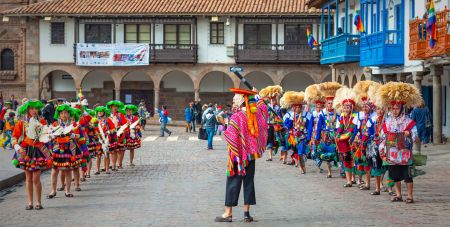
The Amazon follows a similar pattern during this season. Lower water levels expose riverbanks and make capybaras, caimans and maybe even jaguars easier to spot. Cusco hosts Inti Raymi, the Festival of the Sun, in June. The city becomes a setting for a theatrical recreation of Inca winter-solstice traditions. Independence Day celebrations on July 28 and 29 bring folk music, fireworks and street parties. This is Peru’s busiest travel period, so book tours, trains and Inca Trail permits early to avoid higher prices and limited availability.
April and October: Good options for fewer crowds
Shoulder months offer a better balance between weather and visitor numbers. April comes near the end of the rainy season, so trails may still be damp, though sunny days become more common and orchids bloom throughout the highlands. Machu Picchu has fewer visitors, and the Sacred Valley’s Indigenous communities are easier to visit without competing for space.
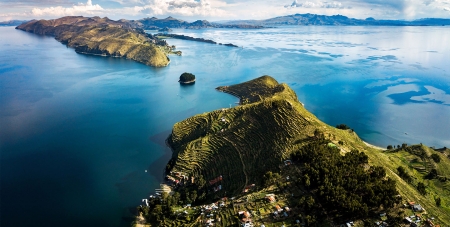
October offers similar benefits as the wet season returns. Rain begins to reach the Andes and Amazon, but dry periods lasting a week or longer are still common. Coastal surf towns such as Cabo Blanco and Mancora become more appealing as temperatures rise. Lake Titicaca and the Uros floating islands also work well in either shoulder month, with calm conditions and fewer visitors than during the June-to-August peak.
December to March: Best for sunny days on the coast
The coast enjoys its best weather while the Andes turn wet. December through March is Peru’s summer, and Lima offers warm days, balmy nights and a full schedule of concerts and cultural events. Beach towns such as Mancora and Punta Sal reach temperatures between 30°C and 40°C, attracting surfers, sunbathers and seafood lovers.
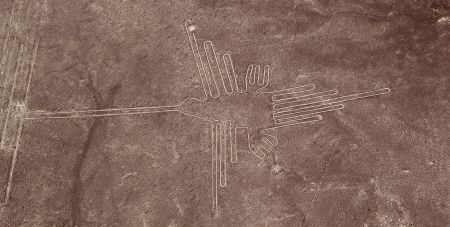
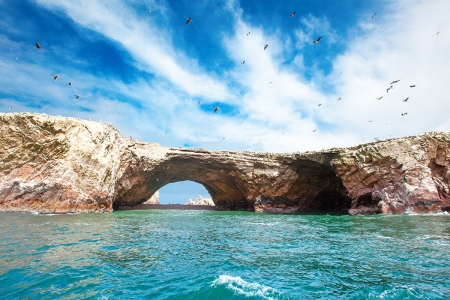
January is a great time to combine beach days with wildlife viewing. Sea lion pups arrive at Islas Ballestas, and clear skies make scenic flights over the Nazca Lines worth considering. February brings Pisco Sour Day on the first Saturday of the month, plus Carnival parades, bright costumes, and water fights in Cajamarca. The Andes receive their heaviest rainfall during January and February, however, and the Inca Trail closes for maintenance throughout February. Coastal travelers will enjoy this period, but hikers should choose another time of year.
![Llama overlooking Machu Picchu ruins, Peru]()
Your packing list can change dramatically depending on where you are going in Peru because the country does not follow a single climate pattern. It has three distinct ones.
Lima and the coast: Summer sun and winter fog
The coast lies along a narrow desert strip. The Humboldt Current offshore cools the air and prevents rain clouds from forming. Lima gets very little rain, with only 16 mm (0.63 in) a year. High humidity remains at 84 percent despite the desert climate, and it causes the garúa, a thick fog that covers the city from June through September. Sunshine is also limited during these months. Lima receives 1,230 hours of sun each year, with fewer than 50 hours in July, August, and September. Conditions change from December through April, when highs reach 81-82°F (27-28°C) and the sea becomes warm enough to swim in from January to March. The coast becomes warmer farther north. Trujillo reaches 79°F in February and March, while Piura climbs to 93°F and receives about 9 inches of rain each year from January through April.
Cusco and the Andes: Seasonal rain and cold nights
The Andes do not follow four seasons. The region has a wet season and a dry season. Rain increases from October through April and peaks between December and March before nearly stopping from June through August. Cusco’s daytime highs change little, staying between 68-72°F (20-22°C) most months. Nighttime temperatures tell a different story. Lows drop from 46°F (8°C) in February to 30°F (-1°C) in July. Annual rainfall reaches around 26-29 inches (666-740 mm), and January is the wettest month. Lake Titicaca is colder, with frosty nights common from May through September. The north shore averages 29°F (-2°C) in July, while nearby Juliaca on the high plain falls to 19°F (-7.5°C). Puno sits at a similar altitude and gets snow on about 14 days each year, with freezing mornings on 226 days.
The Amazon: Year-round rain and changing river levels
Temperatures barely change in the jungle. Daytime highs range from 86-95°F, while nights stay around 70-75°F and humidity remains between 80 and 100 percent throughout the year. Rainfall varies more. Iquitos receives about 99 inches (2,506 mm) each year, with the wettest period from March to May and the driest from July to September. Puerto Maldonado gets 85 inches (2,167 mm), with its wettest period from December to February and its driest from June to August. River levels also vary sharply. They rise more than 30 feet during the high-water season from December to May, then fall 20-30 feet during low water from June to November. Cold fronts known as friajes reach the southern jungle 6 to 10 times a year, mostly during autumn and winter. They can lower highs from 95°F to 72°F and bring nighttime temperatures close to 52°F.
Regional weather chart: Monthly temperatures and rainfall
|
Region
|
Warm-season highs
|
Cool-season highs/lows
|
Annual rainfall
|
Wettest months
|
|
Lima (coast)
|
81-82°F (Jan-Mar)
|
66-68°F, winter fog
|
0.63 in (16 mm)
|
Jun-Sep (garúa)
|
|
Cusco (Andes)
|
68-72°F year-round
|
Lows 46°F to 30°F
|
26-29 in (666-740 mm)
|
Dec-Mar
|
|
Iquitos (Amazon)
|
88-91°F year-round
|
Nights 71-73°F
|
99 in (2,506 mm)
|
Mar-May
|
![Squirrel monkeys in the Amazon rainforest, Peru]()
Which months are usually cheapest for a trip to Peru?
January and February often offer lower flight and hotel prices around Cusco and Machu Picchu, with some deals continuing into March. Expect rainy weather, and avoid major holidays if saving money is your priority.
How much should I budget for a visit to Machu Picchu?
Entry, shuttle transport, and a guide together typically cost about USD 100–130 per person. Budget separately for trains, accommodation, meals, and flights, and compare quotes for your specific dates.
When is the best time to hike in Peru?
May through September generally offers the driest trails in the Andes. Book Inca Trail permits well ahead, allow time to adjust to the altitude, and pack warm layers for cold nights.
When can I visit Peru with fewer crowds?
April and October offer a good balance of lighter crowds and manageable weather, although rain is possible. Check holiday dates, especially Easter, when visitor numbers and prices can rise.
What is the best season for Peru’s beaches and coastal cities?
December through March brings warm, sunny weather to Lima and much of the coast. It is a good window for beach trips, but it coincides with the rainy season in the Andes.
Crowd levels in Peru can shift almost as much as the weather, and knowing the busiest periods can save you from long lines at the entrance.
June to August: Peak crowds at the main sights
Machu Picchu has a daily visitor limit of 4,500 people, although the Ministry of Culture raises it to 5,600 on high-demand dates. The 2026 high-demand periods include January 1, Holy Week from April 2 to 5, June 19 through November 2, and December 30 and 31. The quiet season barely exists once the dry months begin.
Your arrival time matters as much as your travel dates. Buses from Aguas Calientes begin at 5:30 a.m. and depart every five minutes, but most visitors arrive between 10 a.m. and 2 p.m. That creates a crush when the light is best for photos. Take the first shuttle or enter after 2 p.m. to see a calmer citadel. Machu Picchu closes at 5:30 p.m., and crowds thin out when tour groups head back down. Tickets can still sell out during these quieter hours, so do not rely on walk-up availability in June, July, or August.
Shoulder months: Less traffic outside major holidays
March, April, October, and November usually bring fewer visitors and a more relaxed pace at the main sites. September has the same mild, dry weather as peak season. Cusco and the Sacred Valley become quieter, but Machu Picchu remains fairly busy.
Shoulder months are not always quiet. Holy Week falls in late March or early April, depending on the Easter calendar, and draws large numbers of domestic travelers. North American spring break crowds often overlap from mid-March through April. This period offers your best chance to visit Peru without competing for every viewpoint when those holiday dates have passed.
Festivals and school breaks: Busy dates to check
A handful of dates raise crowds and prices, whatever the season:
-
Virgen de la Candelaria (early February, Puno): One of Peru’s largest festivals. Accommodation often books out months ahead, and prices rise during the two central weeks.
-
Corpus Christi and Inti Raymi (June, Cusco): June may be the busiest month on the cultural calendar, as these events lead into Fiestas Patrias.
-
Fiestas Patrias (July 28 to 29, nationwide): The year’s busiest travel period. Book domestic flights, buses, and accommodation in Lima or Cusco several months ahead.
School holidays add to the pressure. Northern Hemisphere summer breaks run from June through August, and domestic and regional travelers in the Southern Hemisphere are also off school during this period. Those two groups crowd the same travel calendar.
![Happy tourist enjoying the view of Machu Picchu, Peru]()
Customize Your Dream Vacation!
Get in touch with our local experts for an unforgettable journey.
Plan Your Trip
Money matters when you’re planning the best time to visit Peru, and the difference between peak and low-season prices is significant. Here’s where your dollars go furthest.
January to March: Where low-season deals may be available
The low season usually runs from November through February and can extend into March. Flights, hotels, and attractions have the year’s smallest crowds during this period. January and February are often the cheapest months for Cusco and Machu Picchu, with prices falling by up to 30 percent compared with peak months. Rain is the trade-off. Afternoon storms are common in the Andes and Amazon, while the Inca Trail closes completely in February for maintenance.
Flights and hotels: Which costs can change with demand
Flights and hotel rates fluctuate the most because fewer international visitors arrive during the rainy months. Hotel prices can drop by up to 50 percent from peak-season rates during this period. Book flights two or three months ahead and check Tuesday or Wednesday fares. Flexible travel dates can reduce costs by another 20 to 30 percent.
Tours, trains, and entry fees: What savings not to assume
Not every cost drops. The government sets Machu Picchu entry fees, and they stay the same whatever the season. Guided tour prices also remain steady throughout the year, so the best savings come from choosing a shared group instead of a private tour. Train fares depend on class rather than season, with PeruRail tickets costing between 200 and 500 soles based on the category you choose. The Boleto Turístico covers 16 attractions — archaeological sites and museums — around Cusco and the Sacred Valley and costs 130 soles whenever you travel.
Christmas, Easter, and national holidays: Exceptions to seasonal prices
Holy Week and the year-end holidays fall close to the low season, but prices still rise because half the country travels during these dates. Inti Raymi on June 24 and Fiestas Patrias on July 28 and 29 raise rates further and make the already costly dry season more expensive.
Compare total trip costs, not just the nightly hotel rate
A cheap hotel night does not guarantee a cheap trip. Fixed expenses such as the entry ticket, shuttle, and guide total roughly USD 100 to 130 per person, whatever the season or travel tier. A quote based on your itinerary and dates gives you a clearer picture than nightly hotel rates alone.
![Trekkers on the Inca Trail through the Andes, Peru]()
Your itinerary should shape your calendar as much as the weather does. Here’s how to match activities with the right travel window.
Machu Picchu and the Inca Trail: Match your dates to trail conditions
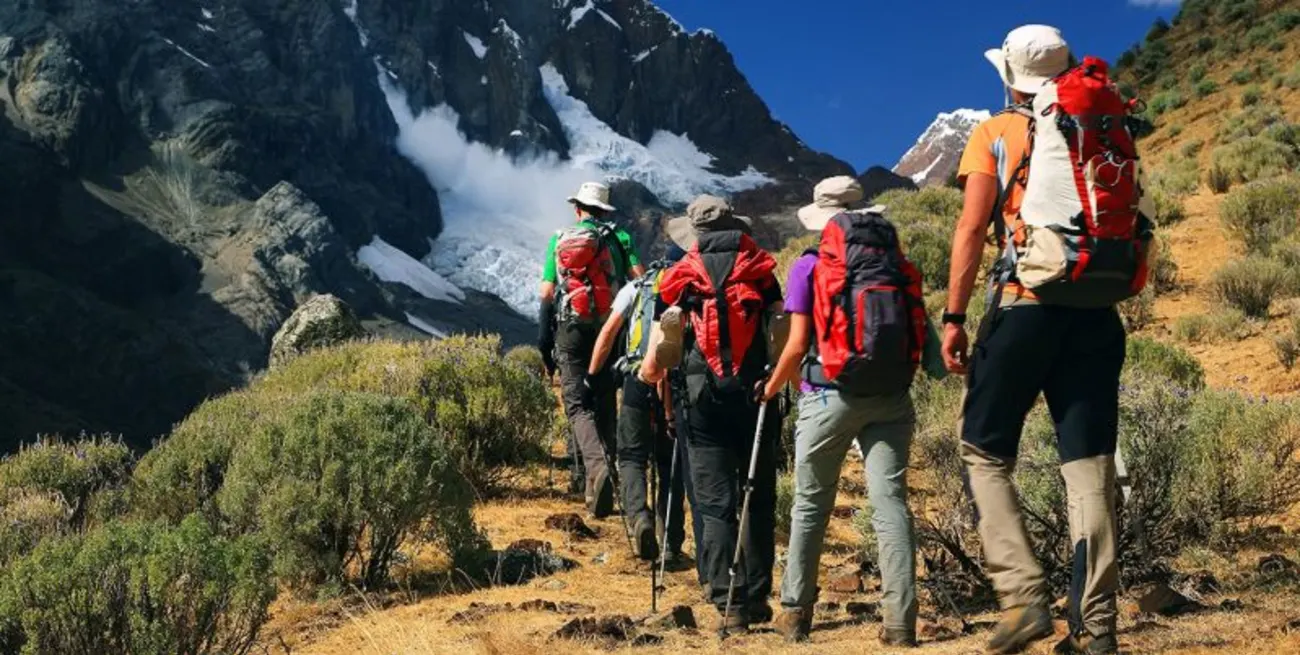
The Classic Inca Trail closes every February to repair stone steps, bridges, and drainage. Permits often sell out six months in advance, so book dates between May and September if trekking is your priority.
Huaraz and high mountain treks: Allow for a shorter hiking season
High-altitude routes around Huaraz follow the Inca Trail’s dry-season schedule. Plan these treks during the same period instead of the rainy months because trail conditions and visibility matter more here than in most parts of Peru.
Amazon trips: Choose between forest walks and high-water cruises
High water supports river cruises and canopy access, while low water allows forest walks and better wildlife viewing along exposed banks.
Festivals: Think about Candelaria, Inti Raymi, and Fiestas Patrias
Puno’s Candelaria attracts up to 40,000 dancers over two weeks each February. Inti Raymi has been reenacted since 1944 and draws around 100,000 spectators to Cusco every June 24. Fiestas Patrias fills hotels across the country on July 28 and 29.
Booking ahead: Secure tickets and check February trail closures
Book accommodation early for Candelaria, Inti Raymi, and Fiestas Patrias. March departures fill quickly after the Inca Trail’s February closure ends.
Trip length and packing: Leave time for altitude and weather changes
Allow time to acclimatize in Cusco before any trek, and pack rain gear with warm layers for cold nights.
Conclusion
There’s no single best time to visit Peru. Your ideal month depends on what you want from the trip. The dry season works well for trekkers, while shoulder months are better if you want to avoid crowds. Summer is ideal for beach lovers along the coast.
Choose your dates based on your priorities, whether hiking matters most or you want to attend festivals within your budget, instead of searching for one “perfect” month. The Andes and Amazon follow opposite rain patterns, so pack for the conditions and book permits early.
Peru rewards travelers who plan around their own goals instead of someone else’s checklist. Pick the right dates, and you’ll arrive during a season that works for you.
![Tourist petting a llama at Machu Picchu, Peru]()