Xanthos: The Ancient Lycian Capital of Turkey
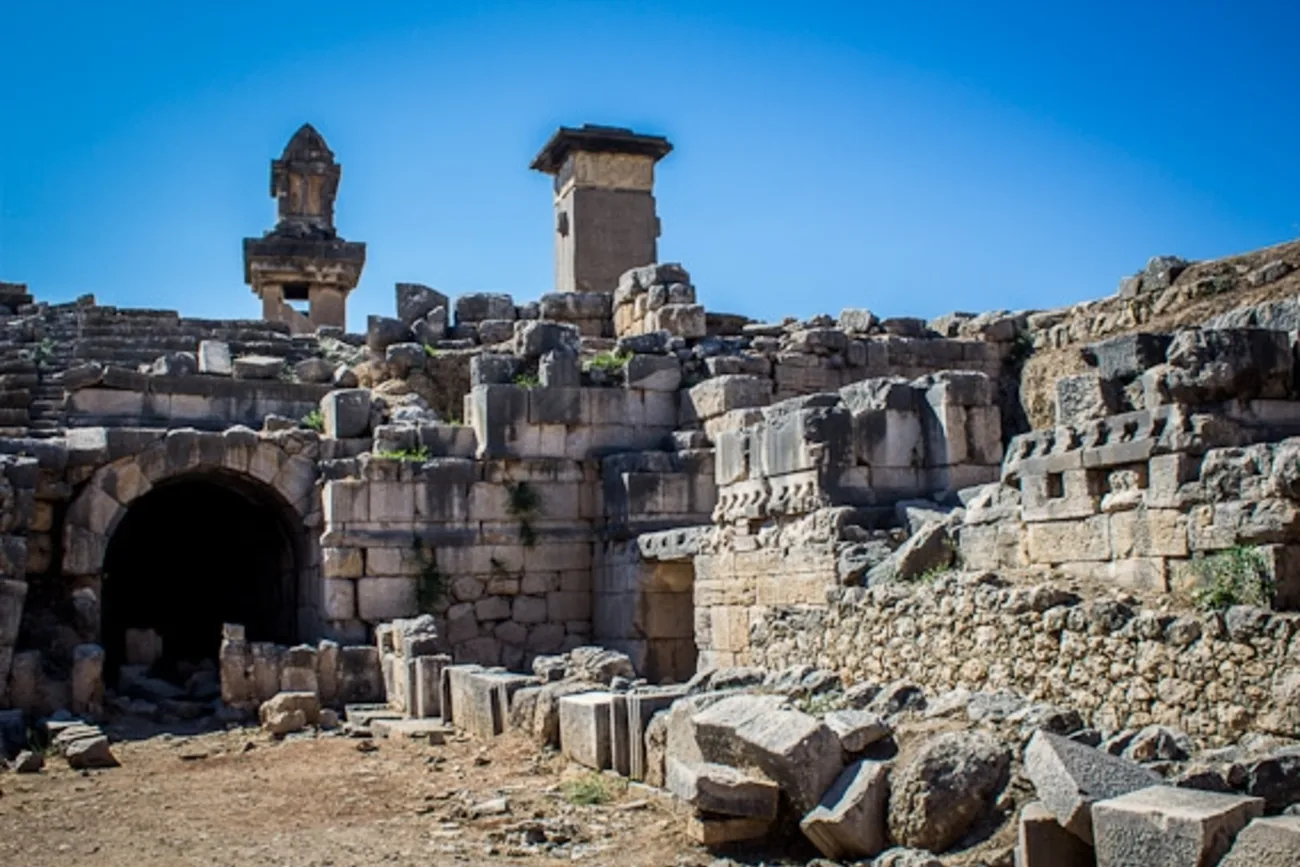
Majestic ruins whisper secrets of the 8th-century BC in the sun-drenched landscape of Xanthos. Homer and Herodotus chronicled this amazing city in their histories, cementing its significance over the millennia. Spreading majestically across 126 hectares along the River Xanthos, these stone ruins offer an amazing architectural tapestry in which Lycian, Persian, Greek, and Roman styles merge seamlessly.
Time stands still at this archaeological marvel, where the mythical Harpy Tomb proudly sits with the graceful Nereid Monument and a superb Roman Theater. The city and its religious counterpart - the Letoon Sanctuary, were designated as a UNESCO World Heritage Site in 1988. These extraordinarily well-preserved remains now rest serenely near Turkey's contemporary village of Kınık in Antalya Province, welcoming visitors to solve their enigma.
Let these stones, which are thousands of years old, transport you through centuries of history. This guide uncovers the best monuments to see, and the optimal times to go, and offers essential information for your visit to this amazing testament to human civilization.
Towering Taurus Mountains rise above ancient Xanthos, their peaks encircling this amazing city perched strategically on a hillside. The Eşen River snakes through the Mediterranean landscape below, and the modern Antalya Province village of Kınık quietly protects these ancient stones.
Yellow-colored earth gave this great capital its name - Xanthos in the Lycian language means 'yellow'. Ancient names knew it differently - the Lycians called it Arna, while Hittite texts refer to Awarna. Here was the center of Lycian power for two thousand years, its history starting in the Late Iron Age.
Greek historian Strabo's scrolls painted Xanthos as Lycia's greatest city. Its architectural excellence reached far beyond its own walls, breathing life into the designs of sister cities Patara and Myra. Most famously, the great Nereid Monument imposed its artistic impact upon the mythic Mausoleum at Halicarnassus.
Sacred history received its rightful esteem when UNESCO declared Xanthos and the neighboring Letoon sanctuary as World Heritage sites in 1988. There is more to these sacred sites than architectural appeal - within their walls, archaeologists unearthed precious texts that held the secret to deciphering the Lycian language.
Ancient soil spawns stone sentinels, each monument breathing tales of ancient civilizations. These architectural masterpieces blend Lycian ingenuity with Greek drama and Persian grace, creating a staggering testament to ancient craftsmanship.
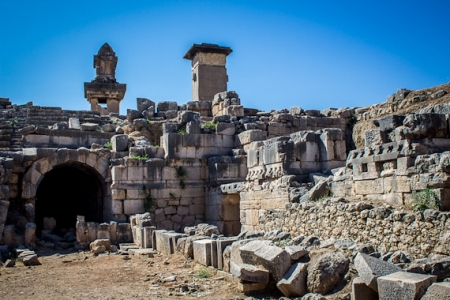
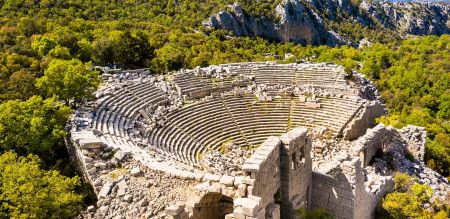
Sunlight plays on weathered stone seats where crowds once sat in pageants and rituals. This imposing theater, which is dated to the mid-2nd century CE, overshadows the western terminus of Xanthos. Built on top of its Greek predecessor, felled by the fury of nature in 141 CE, the structure seated 4,500-4,650 spectators. Its enormous scale speaks of Roman engineering - a 64-meter-wide cavea and a 23-meter-wide orchestra.
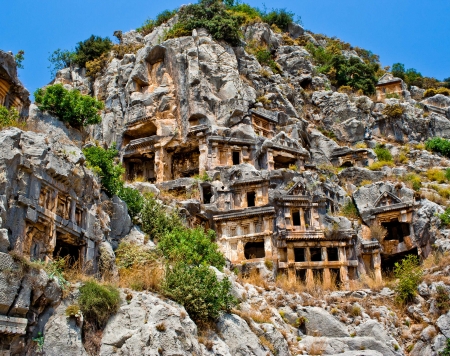
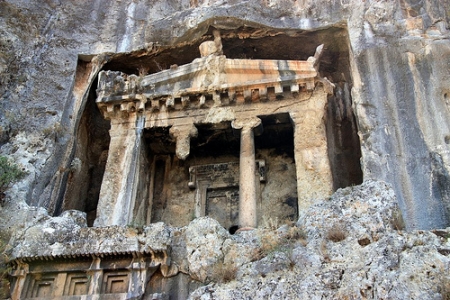
Sacred mysteries dwell within the Harpy Tomb, a towering masterpiece of Lycian funerary architecture from 480-470 BCE. This solitary sentinel stretches 8.9 meters into the sky, its monolithic form balanced atop a two-stepped podium. Delicate reliefs flutter across stone surfaces, depicting warriors in battle and families offering sacrifices. British archaeologist Sir Charles Fellows mistakenly named the winged figures harpies in 1838, yet these graceful forms are sirens, eternal guides bearing souls to the blessed islands.
King Arbinas, Erbinna to his Lycian folk, rested here in this beautiful tomb around 380 BCE. Greek temple architecture here embraces Lycian burial customs, creating a high sanctuary that brings together two worlds. Among Ionic columns, sea nymphs - the Nereids of Greek myth - stand eternal watch. These mythological protectors once guided ancient mariners through treacherous seas.
One stone relates their story in three ancient tongues - the Xanthian Obelisk protects the language of the past. This remarkable 4th-century BC stele is inscribed with Ancient Greek, Lycian, and Milyan. Within its weathered surface lies a key to the rich mosaic of ancient Anatolia's languages and cultural exchange.
The ancient rocks need to be timed well. Seasonal rhythms and thoughtful planning dictate your journey through these ancient territories, where spring and autumn provide perfect settings for archaeological discovery.
Golden hours await between April and June or September and November. These months bring mild temperatures to visitors, perfect for walking alongside ancient stones and revealing hidden historic treasures. The moderate moods of nature during these periods allow a more complete appreciation of every carved motif and weathered pillar.
The experienced traveler is called by the dawn's early light. Afternoons are savagely hot during the summer in these Lycian lands, and early morning or evening is the time of choice for seasoned travelers.
Spring caps ancient walls with wildflower wreaths, and autumn paints crystal skies above weathered monuments. There is enchantment in each season - spring blossoms offer the ideal photographic border, and autumn's crisp air invites lengthy explorations through millennia of history.
Sacred gates open every day, welcoming pilgrims of the past between 8:30 AM and 8:00 PM. Time is relative here - most visitors lose themselves in wonder for 1-2 hours among these ancient marvels.
Foreign visitors pay a tribute of around 115 TL to preserve these treasures. The modest tribute allows access to each square inch of the archaeological site, from the daunting Roman theater to the mysterious Lycian tombs. Gateway amenities serve modern needs:
Seasonal winds guide these services' availability, particularly the souvenir shop and refreshment stand. Wise pilgrims carry water and sustenance, particularly when fewer visitors walk these paths.
Museum Pass holders are granted admission to more extensive investigations of Turkey's ancient realms. This key is particularly handy for those seeking wisdom from Xanthos' fellow Lycian cities and their archaeological sites.
The old paths welcome modern pilgrims to these ancient sanctuaries. The archaeological community beckons from its location alongside the D400 highway, where clear signposting guides travelers along the route between Kalkan and Fethiye.
Pilgrims reach sacred stones via a variety of avenues:
Weathered rocks whisper tales of Lycian resilience in the face of centuries of siege and survival. These grounds of ancient earth hold more than crumbling walls - they cradle the artistic genius of four great civilizations: Lycian, Persian, Greek, and Roman, each of which left their unmistakable marks on this sacred earth.
Weathered monuments stand defiant against blue skies, their stories more indelibly written than stone. Here, the Harpy Tomb reaches to the heavens while the Nereid Monument stands guard over royal secrets. The Roman Theater's graceful curve speaks of long-forgotten assemblages. These silent sentinels preserved not only architectural grace but opened the very mouth of Lycia in their ancient inscriptions.
Nature itself draws perceptive travelers to these grounds. Spring flowers blanket time-worn stones, and autumn winds sweep clean the way to discovery. Xanthos inspires awe among world heritage sites, its importance extending far beyond the boundaries of Turkey. Here, where Lycians of old defied the world, historians continue to make discoveries, archaeologists sweep away the dust of centuries, and visitors marvel at monuments that have watched over millennia of human drama unfold.
Get in touch with our local experts for an unforgettable journey.
Plan Your Trip
Q1. What is the history of Xanthos?
Xanthos was the capital of ancient Lycia for over 2,000 years, dating back to the 8th century BC. It played a crucial role in Lycian history and culture, featuring a unique blend of Lycian, Persian, Greek, and Roman architectural influences. The site is also significant for its role in deciphering the Lycian language.
Q2. Where is Xanthos located?
Xanthos is nestled in southwestern Turkey, in Antalya Province, near the modern village of Kınık. Once the capital of ancient Lycia, it rests along the Eşen River, about 45 km from Fethiye and 20 km from Kalkan.
Q3. What monuments are at Xanthos?
The key attractions in Xanthos include the Roman Theater, which could seat up to 4,650 spectators, the Harpy Tomb with its intricate reliefs, the Nereid Monument that combines Greek and Lycian architectural styles, and the Xanthian Obelisk, a trilingual stele providing valuable linguistic insights.
Q4. What time does Xanthos open?
The site is open daily from 8:30 AM to 8:00 PM. A typical visit takes about 1-2 hours to fully appreciate the historical significance and architectural wonders of the site.
Q5. What does the name Xanthos mean?
The name Xanthos derives from the Lycian word for "yellow", possibly referencing the golden hues of the surrounding soil. In ancient texts, it was also known as Arna in Lycian and Awarna in Hittite records.
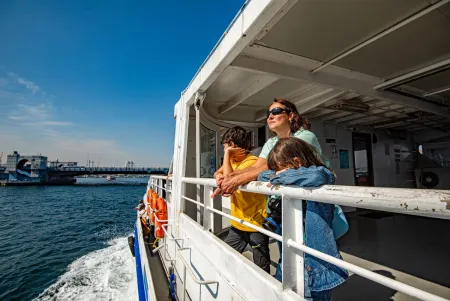
Few waterways on earth carry the weight of the Bosphorus Strait — the narrow channel that splits Istanbul between two continents and has determined the fate of empires since ancient Greece.
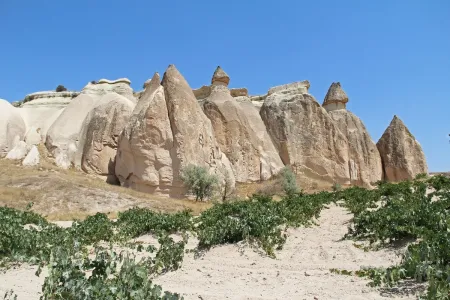
Where ancient volcanic rock meets Byzantine history, Pasabagı's iconic multi-headed fairy chimneys and carved monk dwellings make it Cappadocia's most otherworldly and unforgettable stop.
In Turkey Christmas celebrations Turkey are more sort of a ‘Do it yourself Christmas’. you may not find a crowd catering particularly to the Christmas celebrations
Dive into Istanbul Aquarium's underwater world featuring 17 thematic zones, a rainforest area & thousands of fascinating sea creatures. Read More!
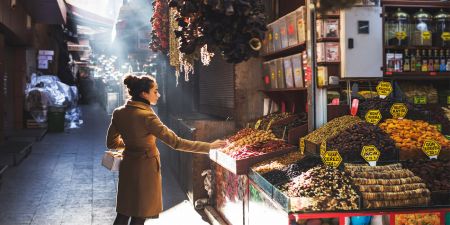
The Great bazaar attracts many people – far too many if you come at rush hour. It’s a good idea to arrive early in the morning and enjoy a cup of tea in one of the cafés whilst the bazaar comes to life. There are thousands of stalls, selling virtually everything, carpets, gold, cloth, spices. The bazaar is a world of its own and it’s easy, but fun, to get lost in the teeming alleyways.
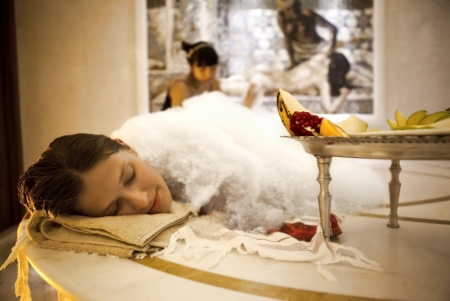
Follow Ottoman sultans' footsteps in Istanbul's historic hammams - experience authentic Turkish baths dating back centuries!
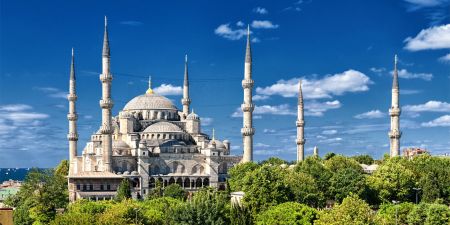
Marvel at Istanbul's iconic Blue Mosque, a masterpiece of Ottoman architecture adorned with 20,000 hand-painted İznik tiles—book your visit today to experience its celestial beauty and 400 years of Islamic heritage!
Discover Bodrum’s dual charm—ancient Halicarnassus meets turquoise shores. Plan your visit to where history and the Aegean Sea collide!
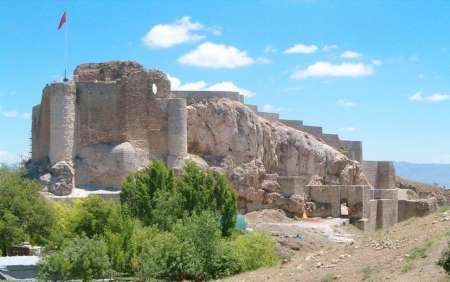
Step back in time at Harput, one of Turkey's oldest settlements, where medieval castles, ancient churches, and Ottoman mosques tell 3,000 years of history—book your cultural exploration today!
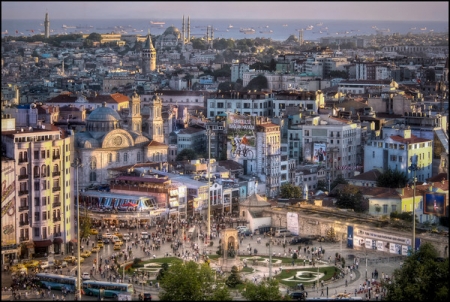
Beyoğlu, Istanbul's vibrant heart, pulses with an intoxicating blend of history and modernity, where street musicians serenade your journey through kaleidoscopic alleyways, and every step unveils a new facet of Turkey's captivating cultural mosaic!
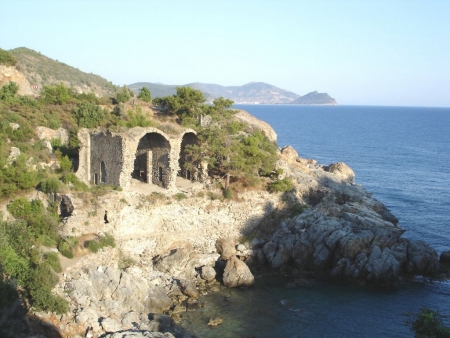
Uncover the hidden ruins of Iotape, a secluded ancient harbor city on Turkey's Mediterranean coast—book your adventure today to explore Roman temples, Byzantine churches, and breathtaking seaside vistas!
Instagram-worthy Cumalıkızık! Capture pastel Ottoman houses, flower-lined alleys & timeless charm in this living museum village!
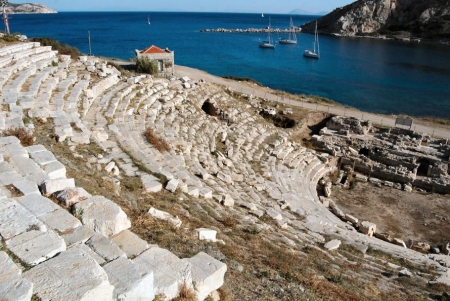
Unlock the secrets of Knidos, the ancient city where art and astronomy flourished—stand where the famed Aphrodite statue once gazed across twin harbors and explore the ruins of a civilization that shaped history. Book your archaeological adventure today!
Damlataş Cave, a stunning natural wonder in Alanya, Turkey, is famous for its ancient stalactites, stalagmites, and therapeutic microclimate, making it a must-visit for nature and history lovers. Read More!
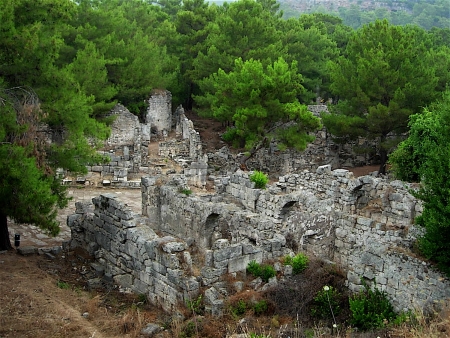
Discover the enchanting ruins of Phaselis, where ancient Lycian, Roman, and Byzantine history meets turquoise Mediterranean waters—book your visit today to explore its harbor streets, amphitheater, and shaded pine forests!
One of the most beautiful provinces of Southern Turkey, one that has survived from ancient times, the homeland of Santa Clause.
Decipher Priene's 2,300-year-old blueprints—from its democratic bouleuterion to Athena's panoramic sanctuary. Secure your expert-led tour now!
Step into 5,000 years of history at Smyrna (modern Izmir), where ancient agora ruins, Ottoman bazaars, and a vibrant waterfront tell tales of civilizations— experience Turkey's eternal gateway between East and West!
The ancient city of Stratonikeia, situated near the town of Yatağan in Aydin province, was a member state of the Khrysaor Union and was founded in the 3rd century BC. The monuments and ruins of the ancient city are still extant today and are open to visitation.
One of the most enigmatic places of the Mediterranean Region, Karain Cave has survived from prehistoric times.
Situated in Alaca town in the city of Corum, Alacahoyuk predominantly shows the Hittite influence during the Bronze Age, although ruins belonging to four different cultural phases can also be seen.
Situated in the Cilicia region in Adana province, the founding date of this ancient city is not known. It emerged during the Roman era but was somewhat overshadowed by Tarsus, the capital of the Cilicia region. In later times, Anazarbus continuously passed hands between the Arabs and Byzantines. Many historic remains along with a majestic Anavarza castle can be seen.
Situated in the Serik town in Antalya province, Aspendos impresses its visitors with its elegant amphitheater and other ancient remains. Because of its location close to the trade routes and the Koprucay River, Aspendos has always been a rich town many rulers desired to dominate.
Discover the ancient wonders of Zeugma, home to stunning Roman mosaics and rich history—plan your visit now to witness this archaeological treasure!
Explore the breathtaking ruins of Ani, a medieval Armenian city near Kars, and uncover its rich history—book your tour today to step back in time!
Explore the stunning ruins of Perge, an ancient Pamphylian city famed for its grand colonnaded streets, Hellenistic gates, and one of Turkey's best-preserved Roman theaters—book your historical journey today to walk in the footsteps of Alexander the Great and Saint Paul!
Step into the past at Telmissos in Bodrum, where Lycian tombs and ancient ruins await—book your adventure now to explore this hidden gem!
Princes' Islands: A car-free paradise where Ottoman charm meets Marmara's azure embrace. Read More!
Journey to the majestic ruins of Sagalassos, an ancient Pisidian city with stunning Roman architecture—secure your tour today and experience history come alive!
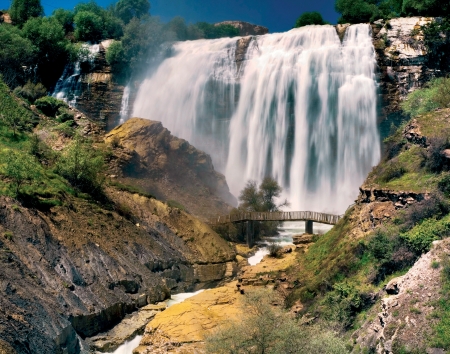
Located in one of the Eastern Anatolian cities with a rich cultural heritage, Tortum Waterfall is one of the most beautiful natural treasures.
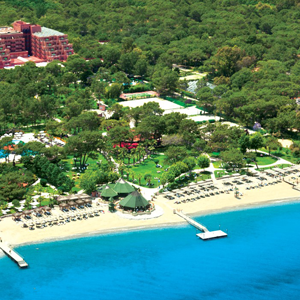
Splendid forest scenery with pine and pistachio trees as well as a magnificent coastline and impressive golf courses and facilities await you for an unforgettable holiday in Belek.
Walk in the footsteps of the Hittites at Hattusha Open-Air Museum, a UNESCO-listed wonder—book your tour today to unlock 4,000 years of history!
Kalkan, a charming Turkish coastal village, captivates with its blend of cobblestone streets, azure waters, and Lycian history, offering a perfect Mediterranean escape for those seeking relaxation and cultural richness!
One of the major cities of Lycia and located in the western part of Antalya, Kaş is a natural wonder which impresses visitors with a spectacular geography.
Discover the sacred ruins of Letoon, a UNESCO-listed ancient sanctuary dedicated to Leto, Apollo, and Artemis—walk among legendary history!
As charming as the meaning of the name indicates, Şirince is a lovely little village comprised of narrow streets with old adjacent houses.
Explore Laodikea’s magnificent Greco-Roman ruins, including its grand theater and temples—reserve your spot now for an unforgettable journey to the past!
One of the most beautiful cities of the Aegean Region, Göcek, comprised of many islands and bays has been treasured and protected until nowadays.
Step into Miletus of Turkey, where ancient Greek wisdom meets Turkish charm, and lose yourself in a time-warp of grand theaters, intricate mosaics, and whispered tales of long-lost glory!
Myra was the first city of the Lycian Union and surpassed Xanthos in the early Byzantine ages to become the capital city of Lycia. Explore it!
Step into Perge Turkey, where ancient Roman grandeur meets Turkish sunshine, inviting you to wander through a maze of towering columns, intricate mosaics, and whispered tales of gladiators and gods!
Explore Phokaia's archaeological wonders, from its iconic rock-cut tombs to remnants of city walls, telling the story of this influential Ionian settlement!
Sardis, once the wealthy capital of King Croesus, offers awe-inspiring ruins like the Gymnasium and the gold-refining district, showcasing its importance in antiquity!
Patara, Apollo's legendary birthplace, invites you to uncover ancient Lycian treasures hidden beneath golden sands, where magnificent ruins whisper tales of bygone glory and sun-drenched beaches beckon with their crystal-clear waters!
Telmessos reveals its Lycian and Hellenistic heritage through striking archaeological remains, including its iconic cliffside necropolis overlooking the Mediterranean! Explore more!
Located in Fethiye, the ancient city of Xanthos once functioned as a capital of the Lycian League.
The city witnessed several wars and was destroyed to be built again eventually. Also the center of episcopacy during Byzantine era, Xanthos is enlisted in the UNESCO World Heritage.
Hierapolis Turkey, a UNESCO treasure nestled beside Pamukkale's ethereal terraces, invites you to wander through Roman ruins, soak in sacred springs, and walk in the footsteps of saints, where ancient wonders and healing waters intertwine in a timeless dance. Read More!
The scent of wild thyme follows visitors through Termessos' labyrinth of ruins, where every crumbling step reveals another vista of Antalya's mountains through gaps in walls that even Alexander couldn't breach!
From the legendary reign of Limyra's 4th-century BC ruler to its Byzantine-era bishopric, these ruins near Antalya preserve layers of Lycian, Persian, and Roman influence along the Mediterranean coast!
Nestled in the rugged embrace of Turkey's Taurus Mountains, Sagalassos invites intrepid explorers to step back in time, where perfectly preserved Roman ruins and ancient fountains whisper tales of a forgotten empire, offering a breathtaking journey through history far from the beaten path!
Perched atop a volcanic crag overlooking the Aegean, ancient Assos enchants visitors with its remarkably preserved Temple of Athena, Hellenistic walls, and panoramic views that inspired Aristotle during his residence here!
Pergamon's acropolis rises dramatically above Izmir, showcasing its legendary Library, steepest ancient theater, and Altar of Zeus – a monumental testament to Hellenistic power and culture!
Witness the awe-inspiring grandeur of Mount Nemrut in Adıyaman, where colossal stone heads and ancient tombs crown the summit, a testament to the megalomaniacal vision of King Antiochus I of Commagene!
Discover Aphrodisias, a remarkably preserved ancient city in Aydın, where majestic temples, a grand stadium, and exquisite marble sculptures celebrate its legacy as a center of art and the cult of Aphrodite!
Cappadocia's protected landscape preserves extraordinary evidence of human adaptation—from early Christian cave monasteries to vast, ventilated underground cities!
Uncover Istanbul's ancient heart—where Hagia Sophia, Topkapi Palace, and the Blue Mosque bring centuries of history to life. Read More!