Hacı Bektaş Veli Museum of Turkey
Hacı Bektaş Veli Museum in Turkey offers a deep dive into Sufi philosophy, showcasing the life and legacy of Hacı Bektaş Veli.
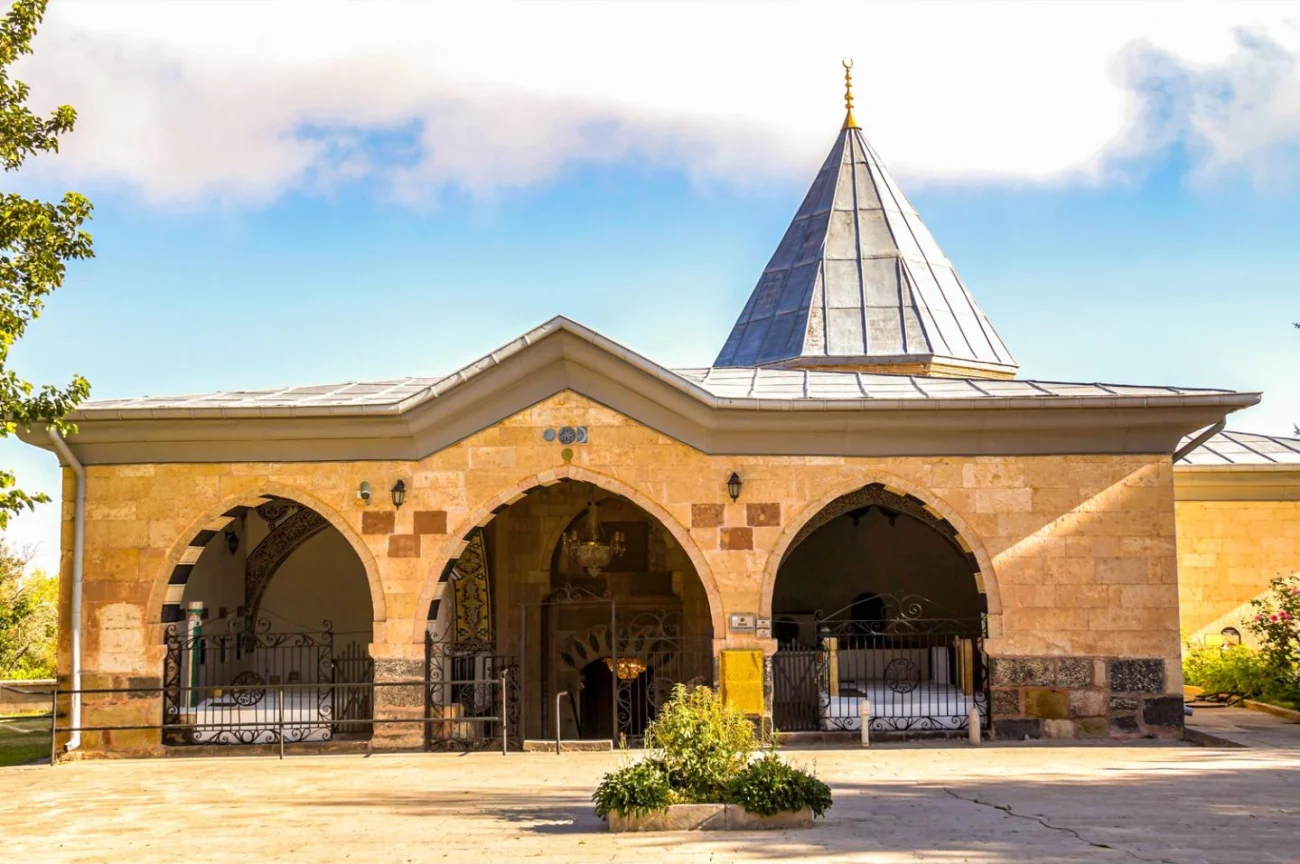
Hacı Bektaş Veli Museum in Turkey offers a deep dive into Sufi philosophy, showcasing the life and legacy of Hacı Bektaş Veli.
Heading to a special type of cultural and heritage tours within Turkey Tours, we will find the bright Sufi heritage enlightening all along with the Turkish land and history. Since Galal Al-Din Rumi, the founder of the spiritual sect of Sufism, and his own mausoleum are now at Konya with an annual and regular festival, your Turkey trip might include some of the Sufi sightseeing, such as that of the Haci Bektash Veli complex or Hacı Bektaş Külliyesi in Turkish in Nevsehir Province, Anatolia, less than an hour from Göreme, in the northern part of Cappadocia. The complex of Haci Bektash has been listed on the UNESCO World Heritage Tentative List in Turkey since 2012. So it could not be missed within the itineraries of Turkey Travel Packages.
Haci Bektas Veli is the practitioner of Hoca Ahmed Yesevi’s doctrines in Anatolia. Bektashism, the philosophy of Haci Bektas Veli, reached beyond Anatolia, into the Middle East and the Balkan countries. In a hilarious way, Haci Bektas inspired the Human Rights Declaration of the United Nations in 1948 when he gave us his messages and teachings about Love-God-Man and Humanity.
Most likely in the years between 1243 and 1248, in Khorasan, Haci Bektas-i Veli was born to Seyyid Ibrahim Sani and his wife Hatern Hatun. His parent's teachings built him an enlightened mind and vision. Then after his studies under the supervision of Hoca Ahmet Yesevi, he turned to mathematics and physics along with literature and philosophy. Then comes the role of Sheik Lokman Perende, Ahmet Yesevi's student and successor; he studied mysticism. His study of the Islamic mystic, he started to seek the path of the infinite love inside his heart, then came his visit to Mecca in the pilgrimage, then heading to Syria, Persia, and Iraq. This long journey shaped him into a unique spiritual figure, eventually leading him back to Anatolia, his destination in Turkey.
Haci Bektas-i Veli's philosophy was built over 4 pillars/doors/roles that are, The religious Low, the Mysticism, the Truth, and the Spiritual Knowledge.
The Nobel complex was erected in the 13th century to commemorate the name of the Turkish-Islamic mystic, Sufi philosopher and Sheikh Haji Bektash Veli and the eponym of the Bektashism after his death. The Khanqah, or Ribat, of the complex where followers and students gathered for rituals and prayers is considered one of the very first examples of a Royal Khanqah in all of Turkey.
Sufi ceremonies related to the Alevi and Bektashi are still some of the most important festivals held in Turkey and the Middle East. One of them is the Semah Ceremony, that was considered on the UNESCO Representative List of Intangible Cultural Heritage of Humanity in November 2010.
Get in touch with our local experts for an unforgettable journey.
Plan Your Trip
The Complex of Haci Bektas Veli is now recognized as the Bektashism center and one of the rare structures representing the philosophy, order and features. The architecture of the complex design reflects the spirituality of the Bektashism beliefs about life, nature, and humans.
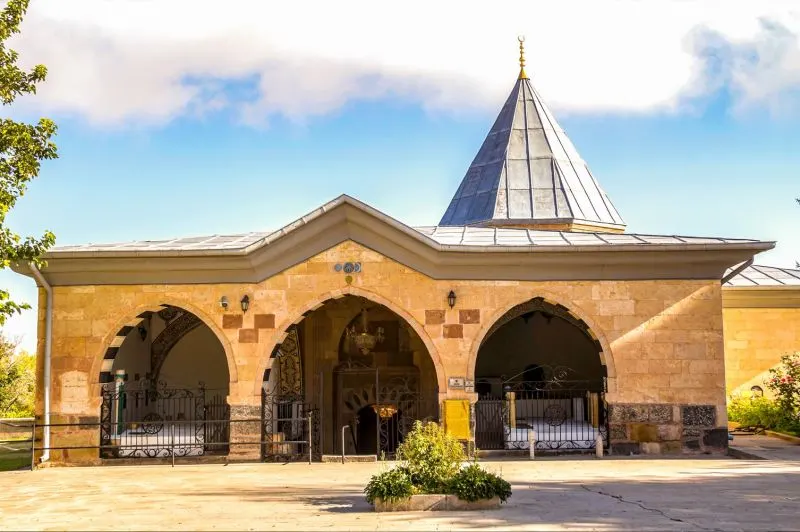
The building of Haci Bektas Veli is one of the leading examples of Turkish Museums with its elements and architecture. Courtyards, cells, chambers and dervish lodge courtyards were followed. The structure was erected of simple stonemasonry and decorated with ornaments signifying Bektashism.
When visting the major structure after passing the entrance, you are led to a major courtyard, including some buildings for the followers (dervishes) who worked and lived for the love of the belief, yet these buildings were damaged after the transformation into a museum. A major structure of a fountain, symbolizing the Creator, Muhammed, and Ali, a fundamental concept of the Alevi faith.
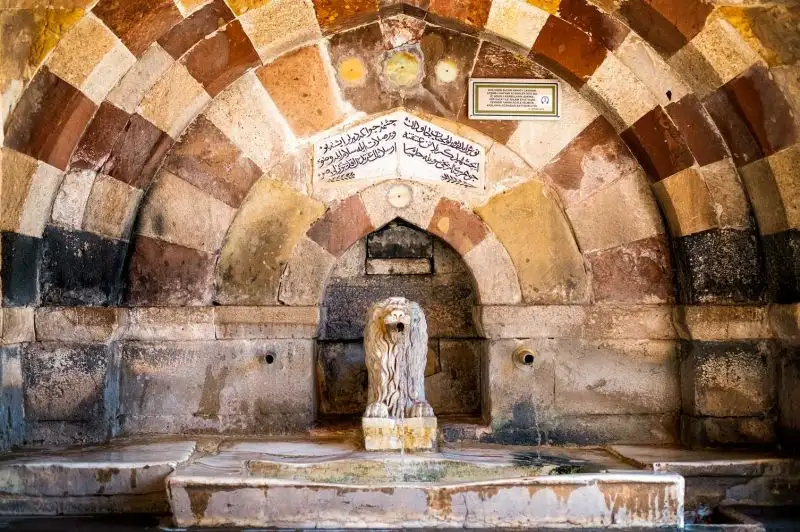
A small open area/garden was once dedicated for horses, leading to a second courtyard where a large pool for birds and flowers used to be filled with water. The lion fountain is considered one noticeable structure you will notice. It's inscribed that this fountain came from Egypt as a gift in 1853.
The second courtyard embraced the hall where the sacred cem rituals and festivals were held. The coming gateway you are passing is leading to the third courtyard, which is the most sacred place in the whole complex where the mausoleum of Haci Bektas Veli stands, in the attendance of his followers and students Balim Sultan and Kalender Sah tombs. The mausoleum walls are decorated with painted kalem isi and Bektashi calligraphy. The currently existing door is original. The mausoleum of Haci Bektas Veli is known as Pir Evi. The tombs then are taking ranks according to the higher degree descending.
The symbolism in the architectural and decorative elements of the monument is witnessed in every angel. The eternal conflict between True and False are represented as the water and fire, the rose symbolizing synthesis and love.
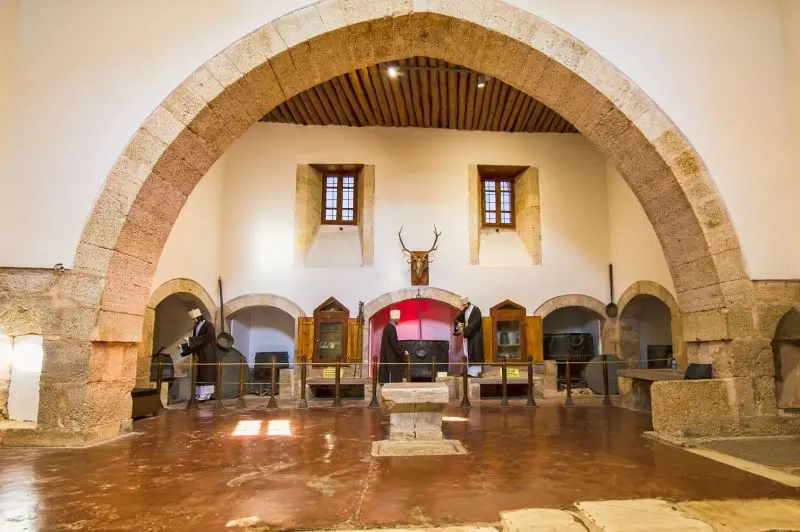
Symbolizing and indications reached the construction of Cem chamber and Meydancı Baba chamber, as it was designed with attached beams referring to the 9 levels of the celestial sphere. The doorways were designed in a very smart way obliging the comer to enter the room bending his back in respect. The 12 peltries clustered in 3 groups on coaches of Cem Room are symbolizing 12 imams. Restorations and renovations we witnessing today are mainly of the 16th century.
The complete reforming of the Father of Turkey, Mustafa Kamal Ataturk, on his work for creating a secular Turkey, in 1925, the relics of Bektashi were sent to Albania and the whole complex was transformed into a museum in 1964. The structure is being visited and festivals are held inside in August if your trip to Turkey synchronized with the same time you got the chance to attend the international commemoration ceremonies by the followers.
The Hacı Bektaş Veli Museum is known for being a significant cultural and spiritual center of the Bektashi Order. It houses the mausoleum of Hacı Bektaş Veli, a famous Turkish-Islamic mystic, and showcases the architectural and symbolic elements reflecting the Bektashi philosophy, including the unique design of the rooms and courtyards.
The Hacı Bektaş Veli Complex was officially transformed into a museum in 1964, following reforms that led to the closure of dervish lodges and the relocation of the Bektashi Order's relics.
Key architectural features of the Hacı Bektaş Veli Complex include the lion fountain (brought from Egypt in 1853), the Cem Room with its symbolic peltries representing the 12 Imams, and the low doorways designed to symbolize respect and humility. The mausoleum of Hacı Bektaş Veli is also a central element, decorated with painted calligraphy and kalem işi (pen work).
The Pergamon Asclepieion in Turkey was an ancient healing center, famous for its sacred springs and Roman medical treatments. Explore its historic ruins.
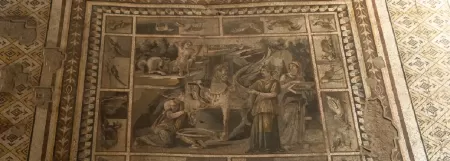
Hatay Archaeology Museum in Antakya houses Turkey’s largest Roman mosaic collection, along with artifacts from ancient civilizations.
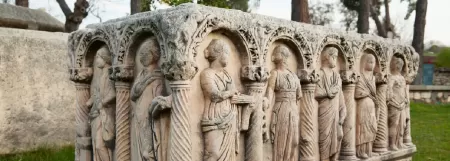
Aphrodisias Museum in Turkey houses breathtaking ancient sculptures, Roman reliefs, and artifacts from the renowned city of Aphrodite.
Antalya Archaeological Museum showcases artifacts from Perge, Aspendos, and Termessos, featuring ancient sculptures, mosaics, and relics.
No visit to Sagalassos would be complete without a stop at the Archaeological Museum in Burdur. This museum, located just a short drive from the site, houses major discoveries from Sagalassos.
Located in one of the foremost valuable areas of the Aegean Region, Denizli Hierapolis Archeology Museum belongs to a part that has been continuously inhabited since antiquity.
Embark on a unique Cultural and Heritage tour at Haci Bektas Veli Museum, we’ll uncover the illuminating Sufi heritage that shapes Turkey’s land and history.
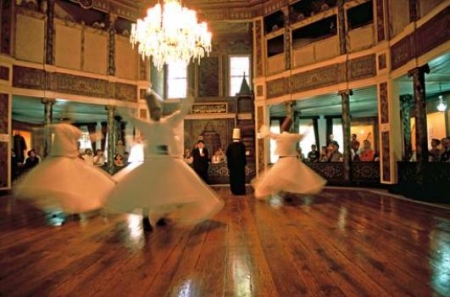
Explore the Galata Mawlawi House Museum, a key site in Istanbul highlighting Sufi mysticism and the Whirling Dervishes' unique history.
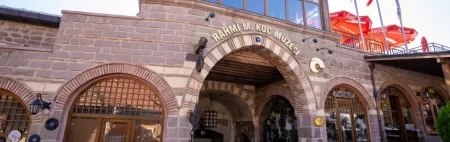
Step into the Rahmi M. Koç Museum in Istanbul, where industrial heritage comes to life with historic vehicles, ships, and interactive exhibits.
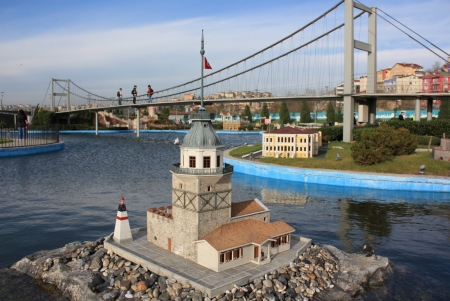
How about taking a fast tour through Turkey's major cities and sightseeing their landmarks? Located in Istanbul, Miniatürk is the world’s largest open air miniature museum
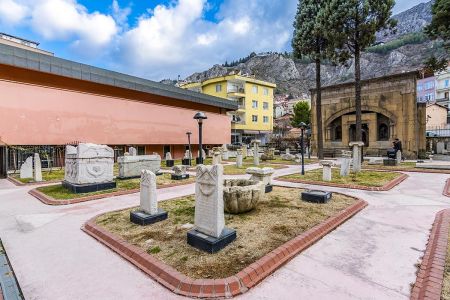
Explore Amasya Archaeological Museum, home to ancient artifacts and rare mummies from the Ilkhanid era.
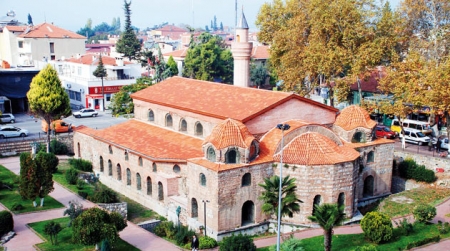
Discover Iznik Ayasofya, a historic Byzantine church-turned-mosque in Turkey, where the First Council of Nicaea once took place.
Explore Alacahoyuk Historic Site, an ancient Hittite city in Çorum with ruins, sphinx gates, and royal tombs and visit Alacahoyuk Museum to see remarkable artifacts.
Visit the Istanbul Military Museum to explore Ottoman weapons, war relics, and live Mehter Band performances in a historic setting!
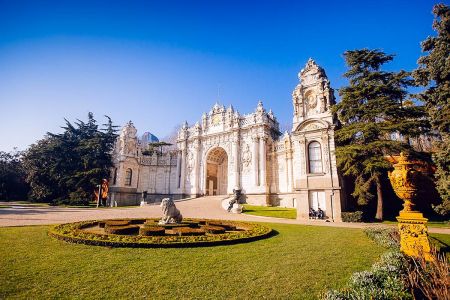
Step into Ottoman history at Yıldız Palace Museum, Istanbul’s royal complex with elegant halls, historic artifacts, and lush imperial gardens.
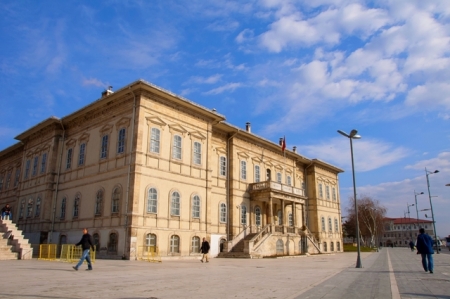
Visit Atatürk Congress & Ethnography Museum in Ankara, where Turkey’s National Struggle for Independence began in 1919. Explore its rich history!
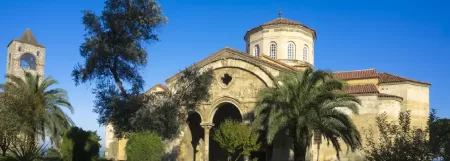
Trabzon Ayasofya Museum highlights Byzantine frescoes and rich history. Visit today to explore its stunning heritage and feel Trabzon vibes!
Established in Ankara, the capital of Turkey, the Museum of Anatolian Civilizations was awarded the Museum of the Year in 1997 by being chosen from among 68 museums.
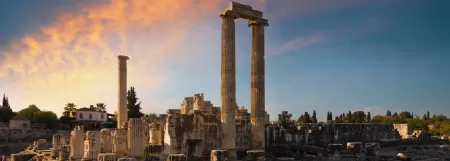
Uncover Didim, located in Aydın province, home to the ancient sanctuary of Didyma, known for the Temple and Oracle of Apollo, one of the most significant Hellenic ruins.
Visit Miletus Museum in Turkey and explore the ruins of an ancient Greek city once famed for trade, philosophy, and grand architecture!
Assos Historic Site built in the 6th century BC in Çanakkale province, Assos was renowned in antiquity for its sarcophagi. Visit Assos and step into history!
Step into history at Troy, home of the legendary Trojan Horse! Uncover ancient ruins, city walls, and myths from Homer’s Iliad in Canakkale, Turkey.
Zeugma Mosaic Museum, a treasure of ancient Roman art in Gaziantep, showcases stunning mosaics like the iconic Gypsy Girl and other breathtaking artworks.
Explore the Bodrum Museum of Underwater Archaeology, home to incredible shipwrecks, ancient artifacts, and maritime history in Turkey.
Discover the ancient Mausoleum at Halicarnassus, a masterpiece of architecture and one of the Seven Wonders.
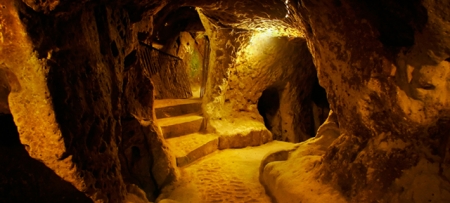
Discover the secrets of Derinkuyu Underground City in Cappadocia, a multi-level ancient wonder with tunnels, ventilation shafts, and hidden rooms.
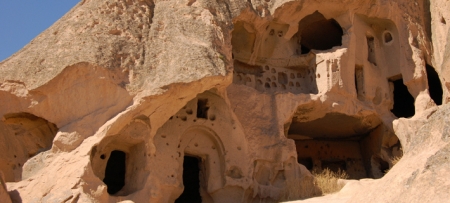
Situated in Nevsehir province, Zelve houses the most number of the world-famous Fairy Chimneys. Zelve is an important Christian center since it is the place
Dating back to the 3rd century BC, the Acropolis in Izmir province has preserved many of its structures and works of art. Built on several levels of mounds, the ancient site of Pergamon Acropolis is extraordinarily rich
This museum in Izmir province houses the archeological finds from the site where one of the most sophisticated civilizations once thrived.
Among the best things to do in Istanbul visiting the Church, Mosque, and Museum Hagia Sophia the major attraction, The 8th Wonders of the World" of Turkey with Memphis Tours.
Built during the Ottoman era, the museum complex provided a background for the development of museology in Turkey. The buildings of the complex are themselves of historic significance.
This church is known to serve as the court chapel during religious ceremonies. This church carries the imprint of the typical Byzantine architecture.
The Great Palace Mosaic Museum harbors the mosaics excavated from the courtyard of the Great Palace built during the Byzantine period.
Built on a domineering point along the Bosphorus after the conquest of Istanbul, the palace is located on the tip of the historic peninsula.
The construction of this first Turkish museum started in the 19th century within the confines of the Suleimaniye Mosque Complex.
The museum was originally a Rose Garden in the Seljuk Palace and was later presented as a gift to Rumi’s father and made a Dervish Lodge.
Opened to public in 2002, the museum is located below the Hall of Honor in Ataturk’s Mausoleum. In addition to exhibition pieces, visitors can also peek into Ataturk’s Private Library.
Built in one of the oldest neighborhoods of Ankara called Namazgah, the Ethnography Museum was also Ataturk’s first resting place for 15 years before Anıtkabir (Mausoleum).
Unique in the world with its rich collection of more than 35,000 pieces, Hatay Archeology Museum hosts the priceless mosaics known to history.