Yildiz Palace Museum of Turkey
One of the most esteemed architectural heritages in Istanbul, Yildiz Palace offers its widely ranging collections to the visitors.

One of the most esteemed architectural heritages in Istanbul, Yildiz Palace offers its widely ranging collections to the visitors.
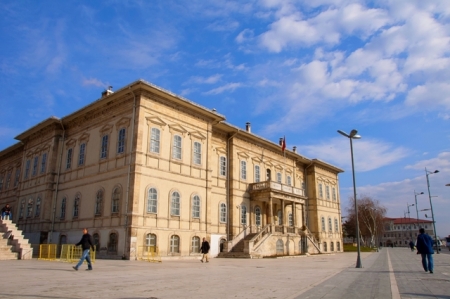
Yildiz Palace, which is the last architectural example of a Turkish Ottoman palace, is found on the Yildiz hill within the district of Besiktas. Yıldız Palace, meaning “Star Palace”, was built in 1880 and was employed by the Ottoman Sultan Abdülhamid II. The palace could be a complex of buildings, including the State Apartments (Büyük Mabeyn), Şale Pavilion, the Malta Pavilion, the Çadır Pavilion, the Yıldız Theater, and the Yıldız Palace Museum, and therefore the Imperial Porcelain Factory.
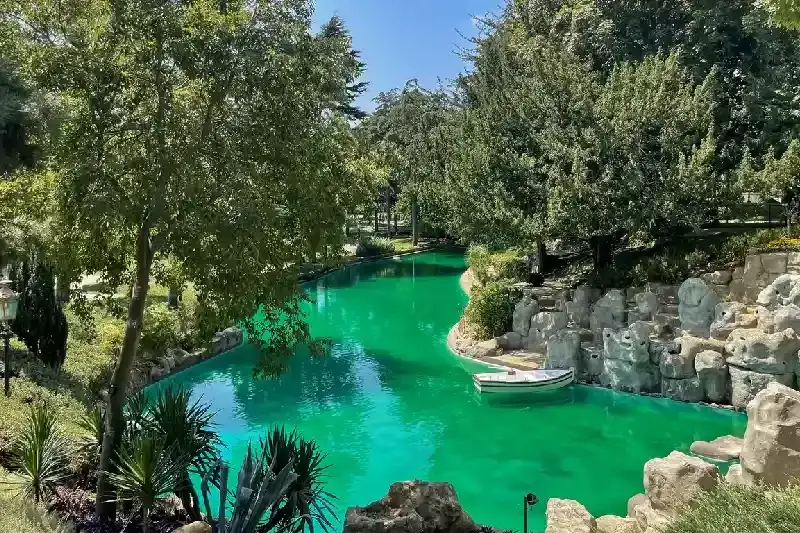
The Yıldız Palace Gardens are a preferred public site among the residents of Istanbul. A bridge connects the Yıldız Palace with the Çırağan Palace on the Bosphorus through the palace gardens, blending Turkey’s rich history with its stunning natural beauty, an experience you can witness firsthand on your trip. The sultan’s residence was within the Şale Kiosk or pavilion. The building has two floors and a basement and is built from a mixture of wood and stone. It had been constructed in three phases.
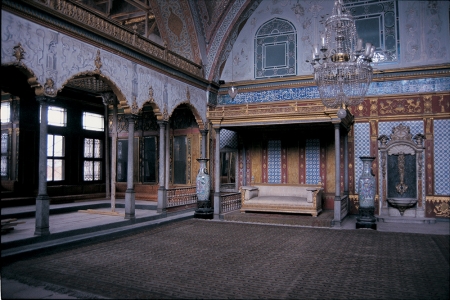
Yildiz, one amongst the last residences of the Ottoman sultans, was completed by Abdulhamit II at the tip of the 19th century in a very large and well protected park which is distributed in the neighborhood of 500,000 square meters (123,5 areas) of grounds with several mansions and summerhouses. The sultan used the palace as his official palace and stable. The Şale (Chalet) is the largest and therefore the most beautiful of the structures surviving within the complex, revealing the luxury in which the sultans lived.
It's formed by two separate buildings; first was built in 1889, and therefore the other is thought to be Merasim Kosku (ceremonial kiosk), which was built in 1898 by Italian architect Raimondo D'Aronco. The building has two main floors, a basement and is constructed of both wood and stone. The most floors are connected by three elegant staircases; one in every marble and therefore the other two in wood. There's a 468 square meters Hereke carpet, which was custom made for the Ceremonial Hall.
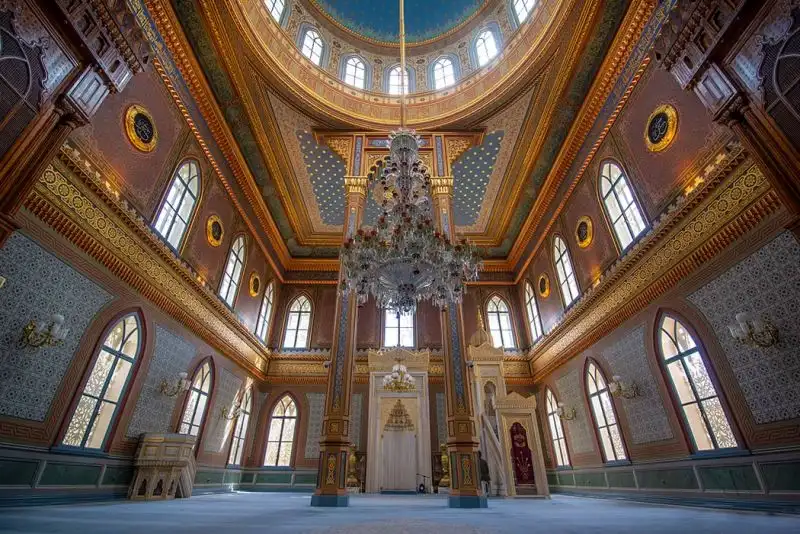
The chalet represents a combination of Rococo, Baroque, and Islamic styles. The Yildiz palace is known because the fourth Ottoman palace in-built Istanbul after the Conquest. Set during a very large park of flowers, tulips, plants and trees gathered from every part of the planet, containing a pool and greenhouses, the palace grounds offer one in every of the foremost beautiful panoramic views of the Bosphorus. There are a pair of small mosques on its grounds.
There is also the Yildiz Porcelain Factory, established within the grounds of Yildiz Palace in 1894. It had been built to form traditional Turkish porcelains and protect them against porcelain industries of Europe. Today, it is a museum-factory that produces both modern design items and reproductions of the Ottoman period, making it a remarkable addition to Turkey's museum landscape.
Dances of old Ottoman glory with computer magic in Yildiz Palace Museum's ancient halls. European Union artisans and technologists introduce contemporary magic to these fabled halls, developing computer presentations and interactive exhibits that breathe new life into stories centuries old.
Royal banquets used to fill the staff dining hall with delicious aromas. Today, this large space houses rotating displays of precious Ottoman treasures. Palace curators proudly display:
Palace walls now share their secrets in 360-degree panoramic windows into the past, revealing intricate details that were previously hidden from mortal eyes. Knowledge is shared through multilingual information kiosks, strategically placed as modern sentinels along ancient corridors.
Ottoman stories come to life through digital wizardry, reaching beyond traditional museum boundaries. Crystal-clear screens invite visitors to unlock the story behind each precious artifact.
Digital pathways now extend past palace walls. Virtual portals welcome worldwide travelers through a freshly created website, where exhibition narratives and palace events wait to be discovered. Museum guardians carefully balance modern accessibility with timeless architectural poetry.
Get in touch with our local experts for an unforgettable journey.
Plan Your Trip
For a calm and enriching experience, the best time to visit Yıldız Palace Museum is during weekday mornings. Coming early allows people to visit its opulent halls, elaborate wood carvings, and Ottoman-era items without the groups of noon crowds.
Spring and fall are the best seasons when weather is warm and pleasant, ideal for walking around the green palace gardens. Avoid weekends and national holidays when the site is generally busier with local and international tourists. Yıldız Palace Museum is open between 9:00 AM and 5:30 PM except on Wednesdays when it closes.
Built in the late 19th century, Yıldız Palace served as the primary residence of Sultan Abdulhamid II. Unlike earlier Ottoman palaces, it was designed as a secluded royal complex, featuring pavilions, a porcelain factory, and lush gardens. Over time, it has transformed into a museum showcasing Ottoman heritage.
Yes, Yıldız Palace is open to visitors, allowing them to explore its magnificent interiors, historic artifacts, and beautifully landscaped gardens. However, it's advisable to verify opening hours beforehand, as some sections may be temporarily closed for renovations.
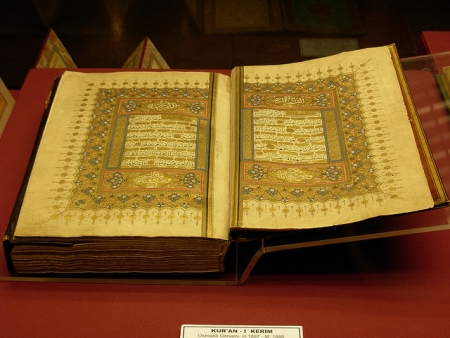
Yıldız Palace Museum offers a glimpse into the opulent life of the Ottoman sultans. Visitors can admire Sultan Abdulhamid II’s personal belongings, intricately carved furniture, grand thrones, and exquisite porcelain pieces produced in the palace’s own factory. The museum also showcases rare glass and silver artifacts, reflecting the craftsmanship of the Ottoman era.
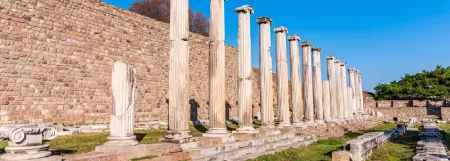
The Pergamon Asclepieion in Turkey was an ancient healing center, famous for its sacred springs and Roman medical treatments. Explore its historic ruins.
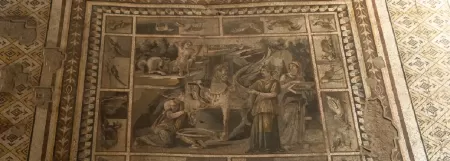
Hatay Archaeology Museum in Antakya houses Turkey’s largest Roman mosaic collection, along with artifacts from ancient civilizations.
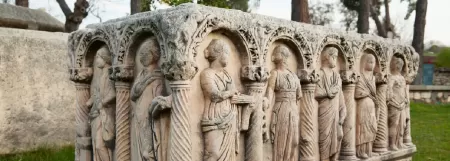
Aphrodisias Museum in Turkey houses breathtaking ancient sculptures, Roman reliefs, and artifacts from the renowned city of Aphrodite.
Antalya Archaeological Museum showcases artifacts from Perge, Aspendos, and Termessos, featuring ancient sculptures, mosaics, and relics.
No visit to Sagalassos would be complete without a stop at the Archaeological Museum in Burdur. This museum, located just a short drive from the site, houses major discoveries from Sagalassos.
Located in one of the foremost valuable areas of the Aegean Region, Denizli Hierapolis Archeology Museum belongs to a part that has been continuously inhabited since antiquity.
Embark on a unique Cultural and Heritage tour at Haci Bektas Veli Museum, we’ll uncover the illuminating Sufi heritage that shapes Turkey’s land and history.
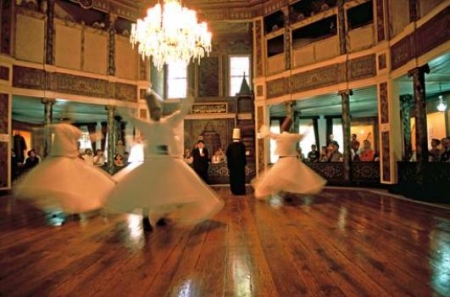
Explore the Galata Mawlawi House Museum, a key site in Istanbul highlighting Sufi mysticism and the Whirling Dervishes' unique history.
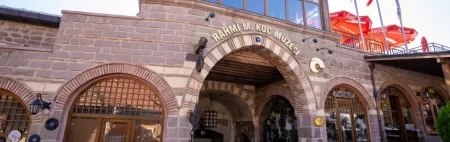
Step into the Rahmi M. Koç Museum in Istanbul, where industrial heritage comes to life with historic vehicles, ships, and interactive exhibits.
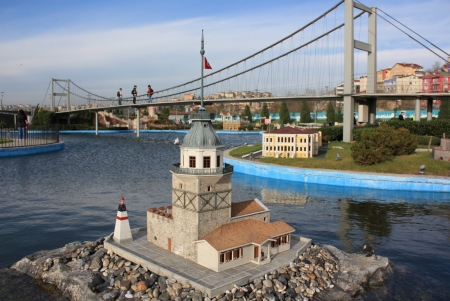
How about taking a fast tour through Turkey's major cities and sightseeing their landmarks? Located in Istanbul, Miniatürk is the world’s largest open air miniature museum
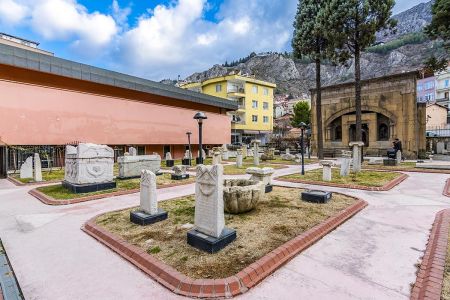
Explore Amasya Archaeological Museum, home to ancient artifacts and rare mummies from the Ilkhanid era.
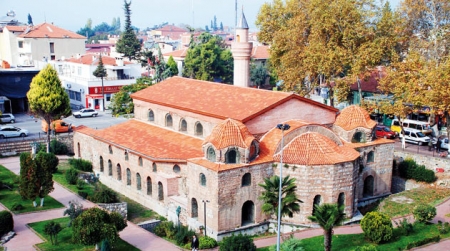
Discover Iznik Ayasofya, a historic Byzantine church-turned-mosque in Turkey, where the First Council of Nicaea once took place.
Explore Alacahoyuk Historic Site, an ancient Hittite city in Çorum with ruins, sphinx gates, and royal tombs and visit Alacahoyuk Museum to see remarkable artifacts.
Visit the Istanbul Military Museum to explore Ottoman weapons, war relics, and live Mehter Band performances in a historic setting!
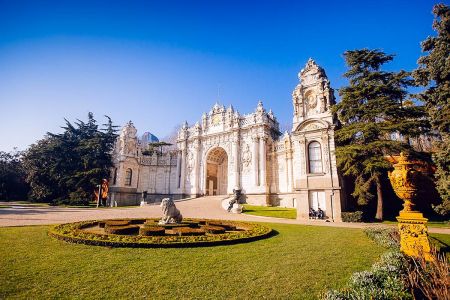
Step into Ottoman history at Yıldız Palace Museum, Istanbul’s royal complex with elegant halls, historic artifacts, and lush imperial gardens.
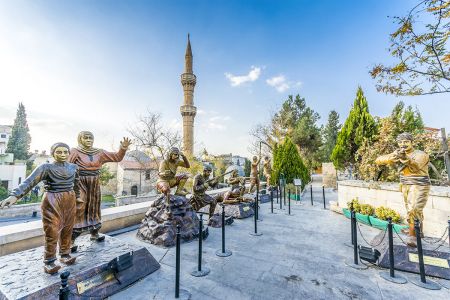
Visit Atatürk Congress & Ethnography Museum in Ankara, where Turkey’s National Struggle for Independence began in 1919. Explore its rich history!
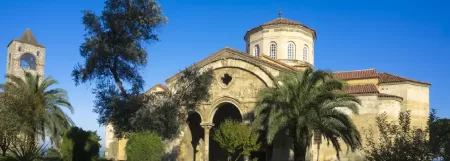
Trabzon Ayasofya Museum highlights Byzantine frescoes and rich history. Visit today to explore its stunning heritage and feel Trabzon vibes!
Established in Ankara, the capital of Turkey, the Museum of Anatolian Civilizations was awarded the Museum of the Year in 1997 by being chosen from among 68 museums.
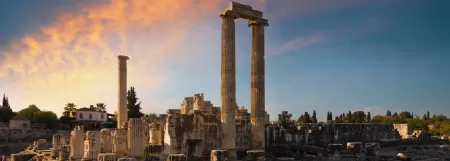
Uncover Didim, located in Aydın province, home to the ancient sanctuary of Didyma, known for the Temple and Oracle of Apollo, one of the most significant Hellenic ruins.
Visit Miletus Museum in Turkey and explore the ruins of an ancient Greek city once famed for trade, philosophy, and grand architecture!
Assos Historic Site built in the 6th century BC in Çanakkale province, Assos was renowned in antiquity for its sarcophagi. Visit Assos and step into history!
Step into history at Troy, home of the legendary Trojan Horse! Uncover ancient ruins, city walls, and myths from Homer’s Iliad in Canakkale, Turkey.
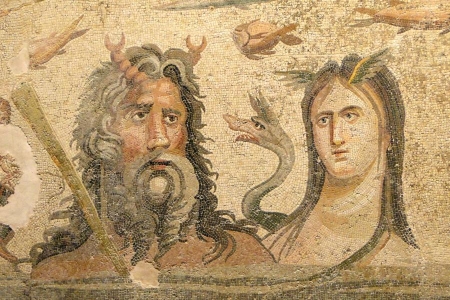
Zeugma Mosaic Museum, a treasure of ancient Roman art in Gaziantep, showcases stunning mosaics like the iconic Gypsy Girl and other breathtaking artworks.
Explore the Bodrum Museum of Underwater Archaeology, home to incredible shipwrecks, ancient artifacts, and maritime history in Turkey.
Discover the ancient Mausoleum at Halicarnassus, a masterpiece of architecture and one of the Seven Wonders.
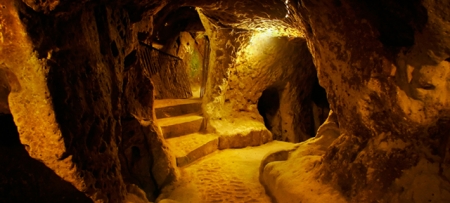
Discover the secrets of Derinkuyu Underground City in Cappadocia, a multi-level ancient wonder with tunnels, ventilation shafts, and hidden rooms.
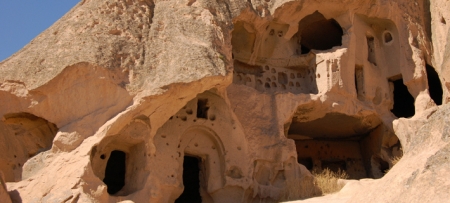
Situated in Nevsehir province, Zelve houses the most number of the world-famous Fairy Chimneys. Zelve is an important Christian center since it is the place
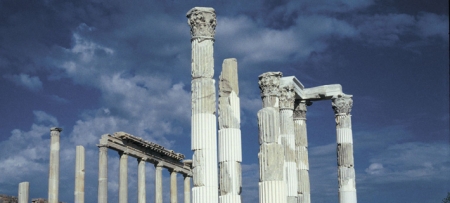
Dating back to the 3rd century BC, the Acropolis in Izmir province has preserved many of its structures and works of art. Built on several levels of mounds, the ancient site of Pergamon Acropolis is extraordinarily rich
This museum in Izmir province houses the archeological finds from the site where one of the most sophisticated civilizations once thrived.
Among the best things to do in Istanbul visiting the Church, Mosque, and Museum Hagia Sophia the major attraction, The 8th Wonders of the World" of Turkey with Memphis Tours.
Built during the Ottoman era, the museum complex provided a background for the development of museology in Turkey. The buildings of the complex are themselves of historic significance.
This church is known to serve as the court chapel during religious ceremonies. This church carries the imprint of the typical Byzantine architecture.
The Great Palace Mosaic Museum harbors the mosaics excavated from the courtyard of the Great Palace built during the Byzantine period.
Built on a domineering point along the Bosphorus after the conquest of Istanbul, the palace is located on the tip of the historic peninsula.
The construction of this first Turkish museum started in the 19th century within the confines of the Suleimaniye Mosque Complex.
The museum was originally a Rose Garden in the Seljuk Palace and was later presented as a gift to Rumi’s father and made a Dervish Lodge.
Opened to public in 2002, the museum is located below the Hall of Honor in Ataturk’s Mausoleum. In addition to exhibition pieces, visitors can also peek into Ataturk’s Private Library.
Built in one of the oldest neighborhoods of Ankara called Namazgah, the Ethnography Museum was also Ataturk’s first resting place for 15 years before Anıtkabir (Mausoleum).
Unique in the world with its rich collection of more than 35,000 pieces, Hatay Archeology Museum hosts the priceless mosaics known to history.