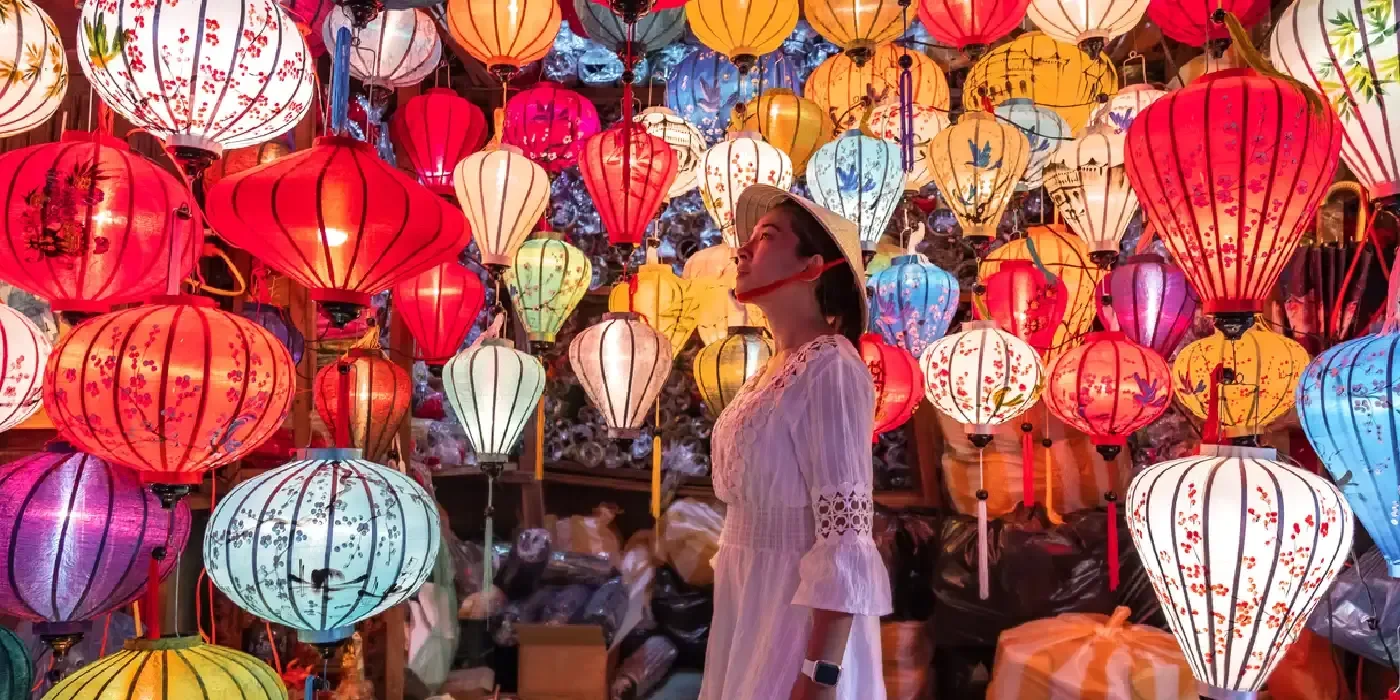
Article Index
#1- Cruise Ha Long Bay at Sunrise
#2- Trek the Rice Terraces of Sapa
#3- Lose Yourself in the Ancient Town of Hoi An
#5- Ride the Hai Van Pass on a Motorbike
#6- Explore the Caves of Phong Nha
#7- Wander Hanoi’s Old Quarter on a Weekend Night
#8- Take a Boat Through the Mekong Delta
Let me be upfront with you: I went to Vietnam thinking it would be a one-week trip. I ended up staying for two weeks and still felt like it wasn’t enough. When it was time to leave, a part of me wished I could stay longer, and if I ever get the chance to go back, I definitely will.
Vietnam is one of those rare destinations where everything hits at once, the food, the landscapes, the people, the chaos of the cities, and the unexpected calm you find tucked away in a lantern-lit alley at midnight. Whether you have ten days or a few weeks, Vietnam has a way of filling every moment with something memorable if you let it.
So here are ten things I’d tell any friend to do, the experiences that stayed with me long after the trip ended. Some are bucket-list classics, while others are the kinds of moments you only discover after wandering the streets and eating enough bánh mì to finally think straight.
Ready to start planning? Check out handcrafted Vietnam tours tailored to every type of traveler.
Customize Your Dream Vacation!
Get in touch with our local experts for an unforgettable journey.
Plan Your Trip
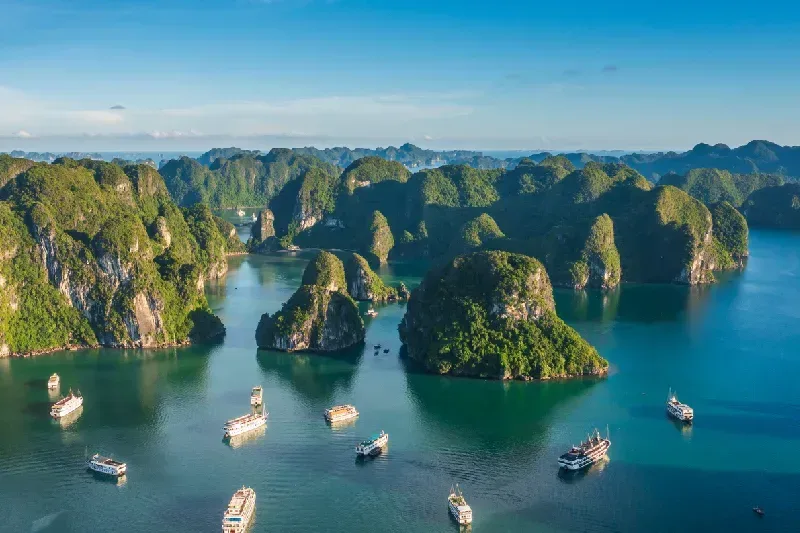
#1- Cruise Ha Long Bay at Sunrise
Ha Long Bay is on every single list ever written about Vietnam. Yes, every travel influencer has a photo of it. And it is every bit as jaw-dropping as the hype suggests. Nearly 2,000 limestone karsts rising straight out of an emerald sea, shrouded in morning mist. Nothing prepares you for it.
My honest advice: skip the crowded day tours and book yourself onto an overnight cruise. Waking up at 5 AM on the deck of a wooden junk boat, watching the fog roll in around those ancient rock towers with a cup of Vietnamese coffee in your hand, that's the stuff that changes people.
Local Tip: Look into Lan Ha Bay if you want the same scenery with a fraction of the tourist crowds. It's right next door and significantly quieter.
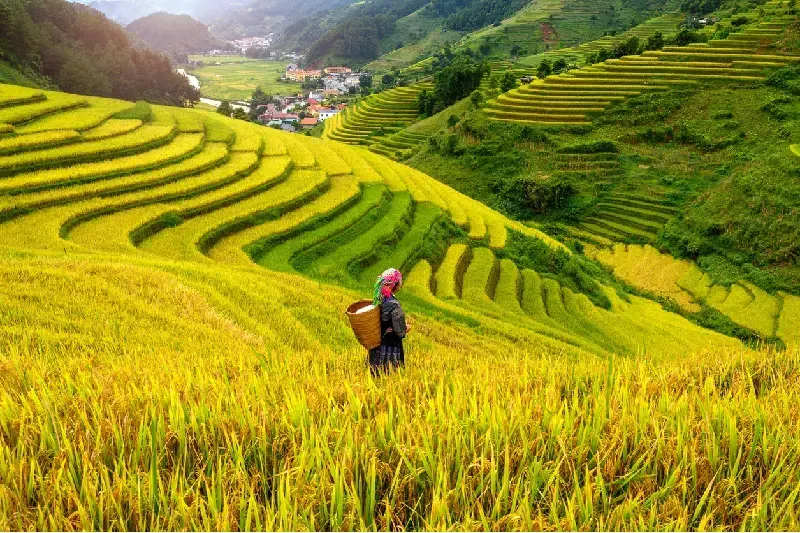
#2- Trek the Rice Terraces of Sapa
Sapa sits up near the Chinese border, cool and misty, surrounded by some of the most stunning terraced rice fields you'll ever lay eyes on. The Hmong and Dao people have been sculpting these hillsides for centuries, and the result is a landscape so mathematically perfect it almost looks fake.
Don't just take the cable car to the viewpoint (though you should, it's spectacular). Walk. Hire a local guide, many are women from the hill tribes who've been guiding these paths since childhood, and trek through the villages of Ta Van and Lao Chai.
Best Time To Visit: September–October for golden rice harvest, or May–June for the bright green planting season. Both are extraordinary.
Exploring the North? Our curated Vietnam guided tours feature incredible experiences, making your trip easy and hassle-free.
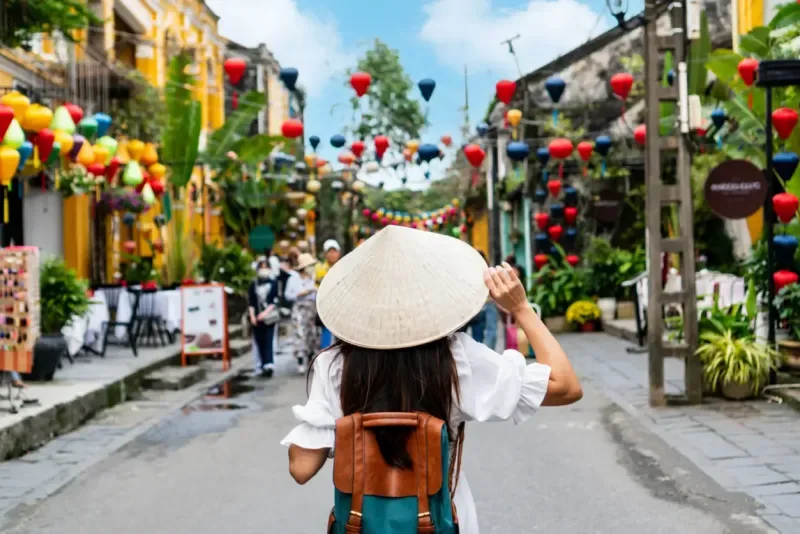
#3- Lose Yourself in the Ancient Town of Hoi An
Hoi An is what happens when a 15th-century trading port decides to stay exactly as it is forever. Yellow-washed buildings, lanterns hanging across every narrow street, tailor shops, and the best food in all of Vietnam. Some bold claims have been made on that last point, but I'll die on that hill.
Walk across the famous Japanese Covered Bridge, rent a bicycle and ride out to the rice paddies at dusk, and make absolutely sure you eat a plate of White Rose Dumplings and a bowl of Cao Lau, both dishes unique to this town and unlike anything else in the country. In the evenings, the old town is lit entirely by silk lanterns and it is deeply, unfairly beautiful.
I'd recommend at least three nights here. Most people give it one and regret it immediately.
#4- Try Vietnamese Food
There is no way to overstate this: Vietnamese food is extraordinary. Not just good. And the secret is that the best of it costs almost nothing.
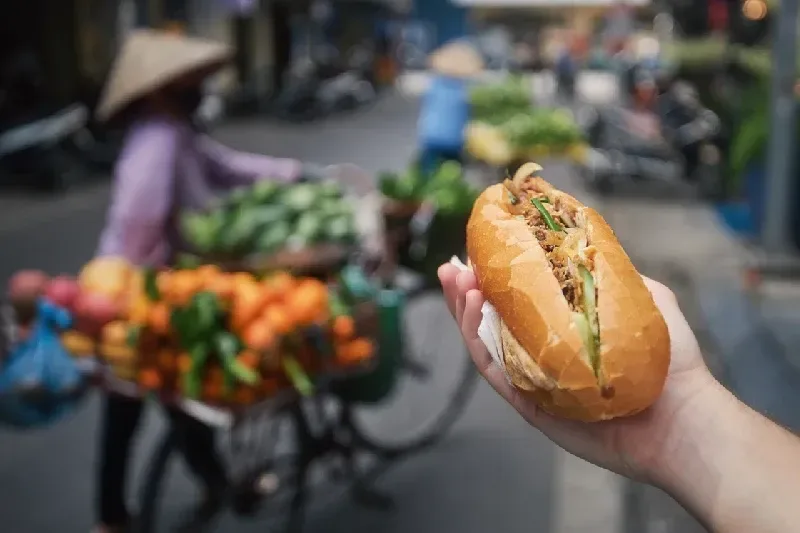
Pho for breakfast in Hanoi, banh mi from a street cart in Hoi An, bun bo Hue in Hue (of course), and bun cha at a lunch spot in Hanoi, yes, the one Barack Obama and Anthony Bourdain made famous. Try com tam (broken rice with pork) in Saigon, and don’t miss the fried egg coffee in Hanoi. You should also taste banh xeo, the sizzling Vietnamese crepe filled with shrimp and bean sprouts, wrapped in rice paper with fresh herbs and dipped in a tangy fish sauce.
Street Food Rule: The busiest stall is almost always the best stall. If there's a queue of locals, join it without hesitation.
#5- Ride the Hai Van Pass on a Motorbike
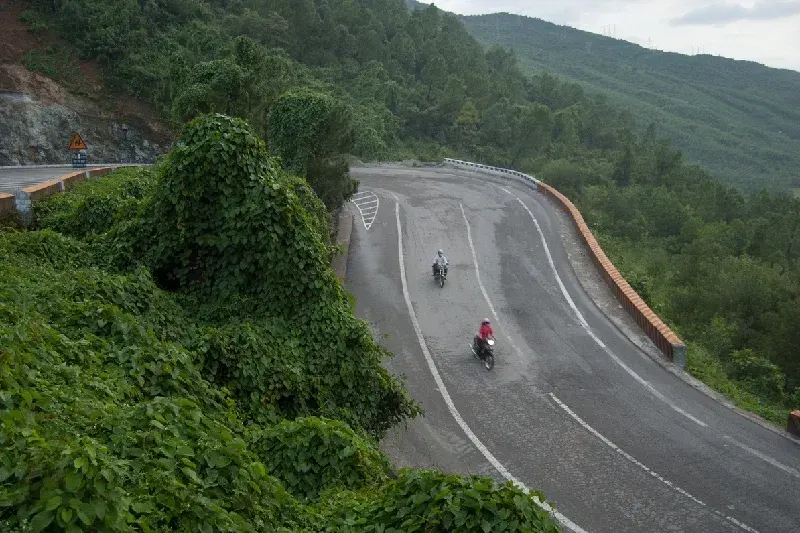
The Hai Van Pass, literally “Ocean Cloud Pass”, winds through the mountains between Da Nang and Hue along the coast. On one side, dramatic cliffs drop into the South China Sea. On the other, green jungle peaks disappear into the clouds. The road itself is a sweeping and spectacular route.
Rent a semi-automatic motorbike (or hire an Easy Rider guide if you're not confident riding), pack a light bag, and take your time. Stop at the old French and American military bunkers at the top, enjoy the views, and take plenty of photos. The scenery is so breathtaking that pictures rarely capture how incredible it really is.
Want to experience all of this without the logistical headache? Our Vietnam travel packages handle everything from transport to accommodation.
#6- Explore the Caves of Phong Nha
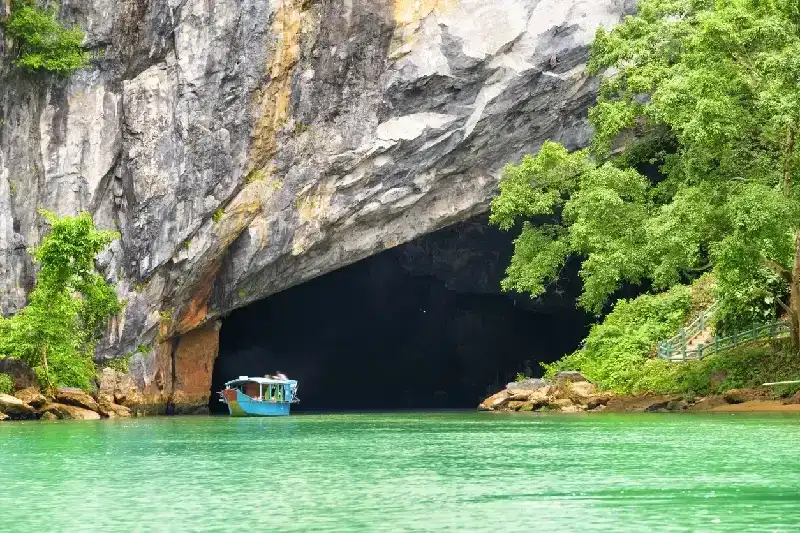
One of the world’s largest cave systems is hidden in central Vietnam. Phong Nha–Ke Bang National Park is home to Son Doong, the largest cave in the world. It’s so huge that it has its own jungle, river, and even its own climate inside. Tours to Son Doong are expensive and usually booked more than a year in advance, but other caves like Phong Nha Cave and Paradise Cave are much easier to visit and just as breathtaking.
The surrounding area is also an underrated destination. You’ll find lush jungle landscapes, a peaceful riverside town, welcoming guesthouses, and far fewer tourists than in many coastal areas. If you enjoy discovering places that feel a little off the beaten path, this is a great spot to explore.
#7- Wander Hanoi’s Old Quarter on a Weekend Night
The capital of Vietnam is chaotic, charming, and full of energy. Hanoi may take a little time to get used to. It’s busy, lively, and the traffic can feel overwhelming at first. But after a day or two, the city’s atmosphere becomes incredibly appealing.
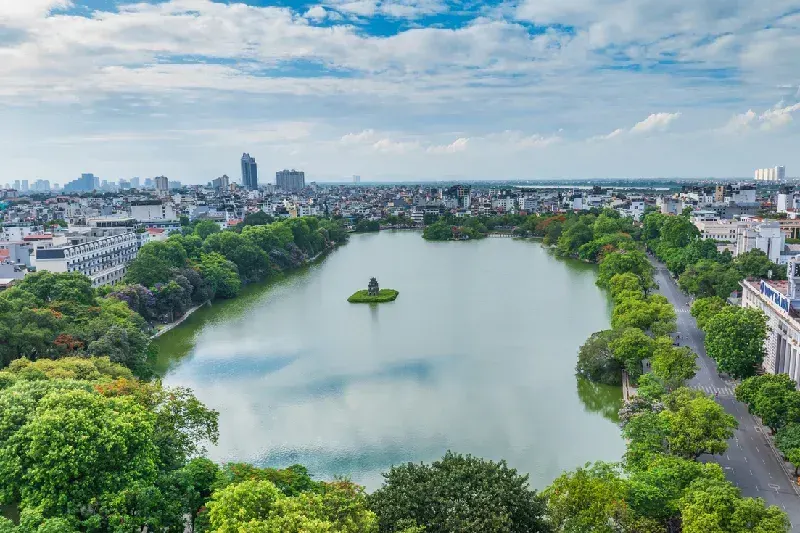
On Friday and Saturday nights, the streets around Hoan Kiem Lake become pedestrian-only, and the area fills with locals and visitors enjoying the evening. Street food vendors set up stalls, families walk around, children play with colorful light-up toys, and couples relax by the lake.
Some of the best travel moments in Hanoi come from evenings like this, when you’re not doing anything special, just enjoying the vibrant life of the city.
#8- Take a Boat Through the Mekong Delta
The Mekong Delta is the agricultural heart of Vietnam, a maze of rivers, canals, floating markets, and endless green rice fields stretching toward the horizon. Life here moves at a much slower pace than in the big cities, and that contrast alone makes the journey south worthwhile.
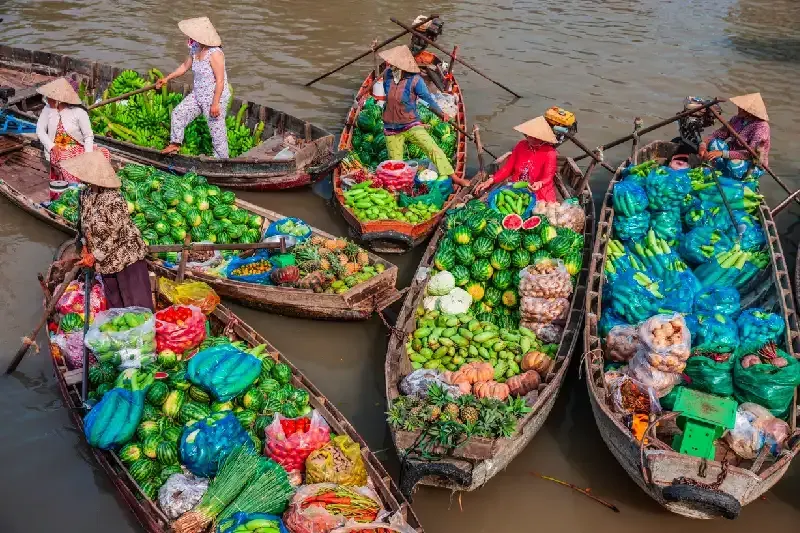
Wake up early and head to the Cai Rang Floating Market on the Can Tho River. Dozens of wooden boats loaded with fruit, vegetables, and fresh produce gather together as vendors display their goods on long poles. The market is lively, colorful, and full of local character, a scene that feels almost unchanged for generations.
Practical Tip: Stay overnight in Can Tho instead of taking a day trip from Ho Chi Minh City. The floating markets are best experienced early in the morning, and Can Tho itself is a pleasant city worth exploring.
#9- Feel the Energy of Saigon
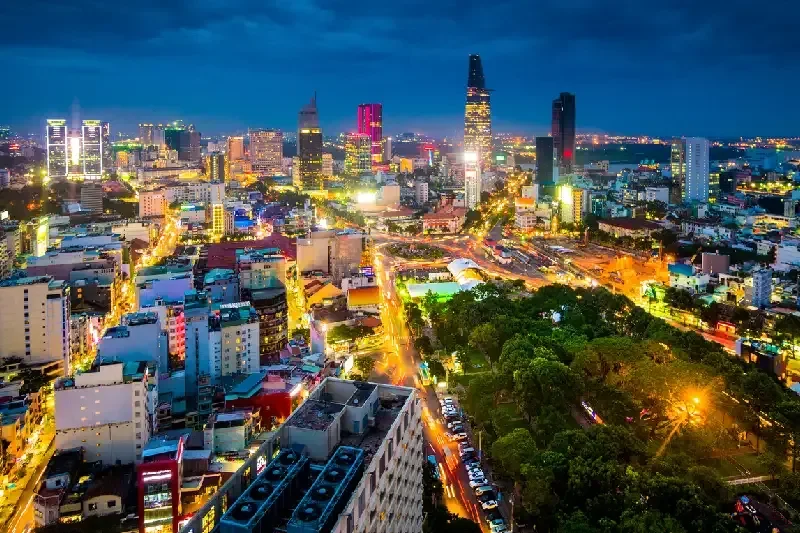
Ho Chi Minh City, still commonly called Saigon, is one of the most vibrant and energetic cities in Vietnam. One of the first things you’ll notice is the endless flow of motorbikes. Crossing the street may feel intimidating at first, but if you walk slowly and confidently, the traffic somehow moves around you.
Beyond the energy, the city also offers a rich history and culture. Visit the War Remnants Museum, which provides an important and thought-provoking look at Vietnam’s past. Stroll along Dong Khoi Street to see beautiful colonial-era buildings, and explore the lively Ben Thanh Market, where you can shop for local products and street food.
In the evening, head to a rooftop café or bar and watch the lights of the city shine below, a reminder that millions of people here are constantly on the move.
#10- Slow Down and Let Vietnam Surprise You
The final recommendation isn’t a specific destination. One of the best ways to experience Vietnam is to slow down and leave room for spontaneous moments. Walk down a street simply because it looks interesting. Try a small restaurant that isn’t in any guidebook. Accept a friendly conversation with a local or explore a neighborhood without a schedule.
Many travelers discover that their favorite memories come from these simple experiences, a casual conversation with locals, an unexpected walk through a quiet village, or a late-night bowl of pho in a small street restaurant.
Vietnam rewards curiosity and patience. Give yourself time to explore, and you may find that the most memorable experiences are the ones you never planned. You'll come home and find yourself looking at flights again three weeks later, convinced you didn't stay long enough, because you didn't. Wherever you start, whatever you see, the country will give you more than you expected. That's more or less guaranteed.
Ideally, you should spend 10 to 14 days in Vietnam to experience several regions of the country. This gives you enough time to visit places like Ha Long Bay, Hoi An, Hanoi, and Ho Chi Minh City. If you have more time, you can travel at a slower pace and explore destinations such as Sapa or Phong Nha-Ke Bang National Park.
You can visit Vietnam year-round, but the best months are generally March to May and September to November. During these periods, the weather is usually pleasant in many regions. If you want to see the rice terraces in Sapa at their most beautiful, consider visiting during the harvest season in September and October.
Yes, Vietnam is an excellent destination for first-time visitors to Southeast Asia. You’ll find a wide range of experiences, from vibrant cities to peaceful natural landscapes. The country is also known for its welcoming locals, rich culture, and incredible food.
Yes, you can see many of the highlights in one trip, but Vietnam is a long country with many regions to explore. You might focus on the north around Hanoi, the central region near Da Nang and Hoi An, or the south around Ho Chi Minh City and the Mekong Delta. Many travelers return a second time to see more of the country.
You should try several iconic Vietnamese dishes during your trip. Some of the most popular include pho, banh mi, bun cha, and banh xeo. Each region of Vietnam has its own specialties, so you’ll discover new flavors everywhere.
Yes, traveling around Vietnam is relatively easy. You can move between major cities by domestic flights, trains, or buses. Popular routes such as Hanoi to Da Nang or Ho Chi Minh City are well connected, and guided tours can make planning transportation and accommodations much simpler.