Hanoi Vietnam: The Capital of Culture and History
Picture a city where motorbikes weave through thousand-year-old streets, where incense smoke drifts from ancient temples while coffee-sipping millennials tap away on laptops in trendy cafés. That's Hanoi for you – Vietnam's captivating capital that somehow manages to honor its storied past while racing confidently into the future.
As the political and cultural heart of Vietnam, Hanoi isn't just another Southeast Asian capital. It's a living museum, a culinary wonderland, and a photographer's dream all rolled into one chaotic, charming package.
What makes Hanoi truly special is how it wears its 1,000+ years of history so casually. You'll find French colonial villas standing proudly next to Soviet-era apartment blocks, while street vendors selling centuries-old recipes set up shop beside gleaming shopping malls. It's this authentic blend of tradition and modernity that keeps travelers coming back for more.
Hanoi sits in the Red River Delta in northern Vietnam, about 90 miles inland from the Gulf of Tonkin. The Red River – named for the reddish-brown silt it carries – winds through the city, giving it life and occasionally causing a bit of flooding drama during monsoon season.
Let's talk about the weather, Hanoi experiences four distinct seasons (a rarity in tropical Southeast Asia), and each brings its own character:
To understand Hanoi, you need to grasp that this isn't just a city, it's the keeper of Vietnamese cultural identity. While Ho Chi Minh City (Saigon) represents Vietnam's economic ambitions, Hanoi is where the soul resides.
Vietnamese customs here run deep. Respect for elders isn't just expected; it's woven into the language itself, with different words for "you" depending on age and status. You'll see this play out in daily life, younger people greeting older neighbors, families gathering for multi-generational meals, and a general sense that community matters more than individual achievement.
Buddhism and Confucianism have shaped Hanoian life for centuries. This influence shows up everywhere, from the emphasis on education (Confucian) to the numerous pagodas offering incense and prayers (Buddhist). Many Hanoians practice a blend of both, along with elements of Taoism and ancestor worship, creating a uniquely Vietnamese spiritual cocktail.
The festival calendar here is packed. Tet Nguyen Dan (Lunar New Year, usually late January or February) basically shuts down the city for a week as everyone heads home to family. The Mid-Autumn Festival lights up the Old Quarter with lanterns and mooncakes. And countless smaller temple festivals happen throughout the year, each with their own traditions, food, and celebrations.
Get in touch with our local experts for an unforgettable journey.
Plan Your Trip
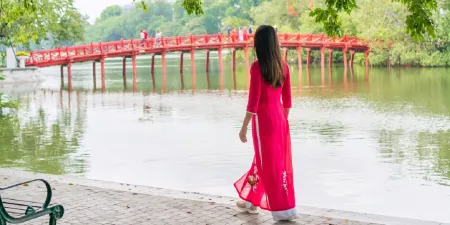
This lake is Hanoi's living room, where the city comes to exercise, socialize, and simply be. Legend says a giant golden turtle once rose from its depths to reclaim a magical sword from Emperor Le Loi. Locals swear giant softshell turtles still live here, and occasionally one surfaces, causing citywide excitement.
The red Huc Bridge leads to Ngoc Son Temple (Temple of the Jade Mountain), perched on a small island. For a few dollars, you can explore this 18th-century gem and even see a preserved giant turtle specimen. Early morning or sunset are the best times to visit when locals practice tai chi around the lake's perimeter.
Hanoi's Old Quarter is organized chaos at its finest. This labyrinth of 36 streets (originally guild streets, each specializing in one product) dates back over 1,000 years. Even today, street names reflect their traditional trades: Hang Bac (Silver Street), Hang Gai (Silk Street), Hang Thiec (Tin Street).
Getting lost here is half the fun. Duck into hidden temples, dodge motorbikes carrying impossibly large loads, sample street food from vendors who've occupied the same corner for decades, and shop for everything from lacquerware to knock-off North Face jackets.
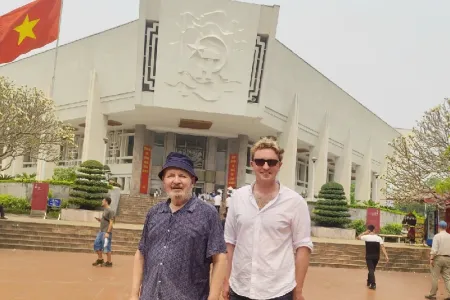
"Uncle Ho" remains Vietnam's most revered figure. His mausoleum, a massive Soviet-style structure, houses his embalmed body (against his own wishes for cremation). Visiting hours are limited and dress codes strict, but seeing how reverently Vietnamese treat their founding father offers valuable cultural insight.
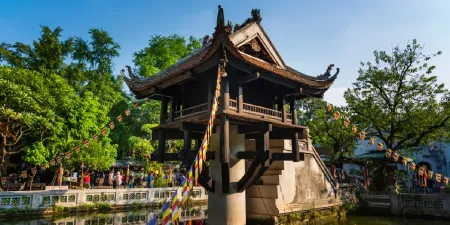
The complex includes his former residence (a surprisingly modest stilt house), a museum, and the One Pillar Pagoda. The whole area is a tribute to Vietnamese independence and Ho Chi Minh's legacy.
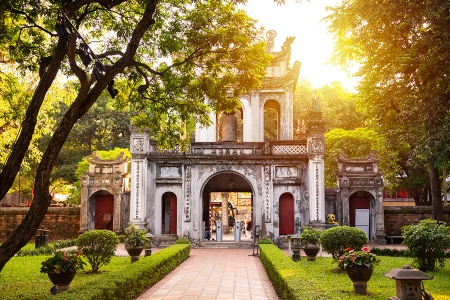
Vietnam's first university, founded in 1070, is now Hanoi's most peaceful attraction. This Confucian temple complex once educated the sons of mandarins and royalty. Its five courtyards, ancient stone stele bearing names of graduates, and graceful pavilions offer a serene escape from the city's chaos. It's also wildly popular with Vietnamese students who come here for good luck before exams.
Hanoi's largest lake offers a different vibe, less touristy, more local. The 17km perimeter road is perfect for cycling, and the area has developed into an expat-heavy neighborhood with international restaurants and upscale housing.
Tran Quoc Pagoda, sitting on a small peninsula, is Hanoi's oldest Buddhist temple (6th century). Its 15-story stupa and peaceful gardens make it worth the trip alone. Visit at sunset when the pagoda is beautifully illuminated.
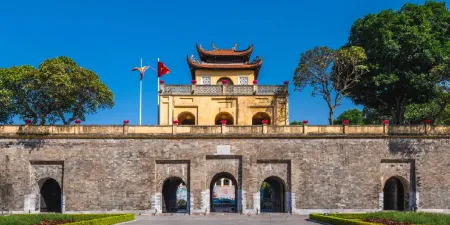
This UNESCO World Heritage site reveals layers of Vietnamese history, from the 7th-century Chinese occupation through the French colonial period. Archaeological excavations continue to uncover artifacts and ancient foundations. It's less visually impressive than some attractions but historically significant for understanding Hanoi's millennium as a capital city.
If you’re not a foodie yet, Hanoi will change that. The city thrives on street food, where tiny stalls serve dishes perfected over decades.
Pho, the iconic beef noodle soup, features a delicate, aromatic broth, try it early at Pho Gia Truyen in the Old Quarter. Bun Cha, grilled pork with noodles and herbs, became famous after Obama tried it with Anthony Bourdain. And don’t miss Egg Coffee (Ca Phe Trung), a creamy, sweet coffee treat invented in the 1940s at Cafe Giang.
The Old Quarter and West Lake are foodie hubs, but some of the best meals are found wandering alleys and following the locals.
Hanoi makes an excellent base for exploring northern Vietnam's highlights.
Here's the thing about Hanoi, it doesn't try to be anything other than itself. It's not as polished as Singapore, not as ancient as Bangkok's temples, not as modern as Shanghai. But this authenticity is precisely its charm.
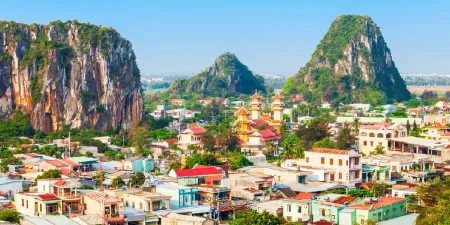
Where else can you wake up to watch elderly practitioners doing tai chi around a legendary lake, spend your morning exploring a thousand-year-old university, lunch on some of the world's best street food for two dollars, tour French colonial architecture and Vietnamese war history in the afternoon, and end your evening watching water puppets perform folk tales while planning tomorrow's trip to mystical limestone karsts?
Hanoi offers that rare combination of deep history, vibrant culture, incredible food, and warm hospitality that makes travelers fall hard. It's chaotic and calm, ancient and modern, and enchanting, often within the same hour.
The city doesn't demand your love immediately. It earns it gradually, revealing itself in layers: through the grandmother selling pho who's used the same recipe for 40 years, in the young artists reimagining Vietnamese identity, in the way motorbikes somehow navigate impossible traffic without crashing, in a cup of coffee enjoyed on a plastic stool while watching Hanoi wake up.
You should visit Hoan Kiem Lake, the Old Quarter, Ho Chi Minh Mausoleum, Temple of Literature, and West Lake for a mix of history, culture, and scenic views.
Hanoi is famous for its historic sites, French colonial architecture, bustling Old Quarter, street food culture, and vibrant local traditions.
You’ll want at least 2–3 days to explore the main attractions, enjoy local cuisine, and soak in the city’s atmosphere.
You should try pho, bun cha, egg coffee, and other street food favorites. Follow locals and explore the Old Quarter for the best options.
The best time is during the dry seasons, from October to December or February to April, when the weather is mild and comfortable.
Experience Hoan Kiem Lake in Hanoi: stroll the historic paths, admire temples, and enjoy the cultural heartbeat of Vietnam.
Visit the Imperial Citadel of Thang Long, Hanoi's iconic UNESCO landmark featuring ancient architecture, royal relics, and rich history.
Visit One Pillar Pagoda in Hanoi, a famous Buddhist structure built in 1049, offering rich history and a peaceful cultural experience in Vietnam.
Find the best things to do in Da Nang, from relaxing on sandy beaches to exploring temples, mountains, and vibrant nightlife.
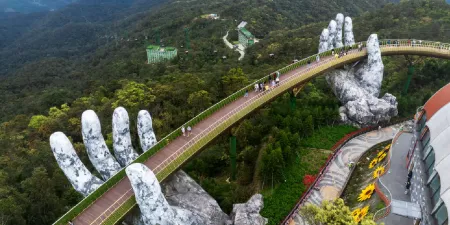
Experience Ba Na Hills in Vietnam with stunning views, the Golden Bridge, Fantasy Park, plus tips on tickets, timing, and key highlights.
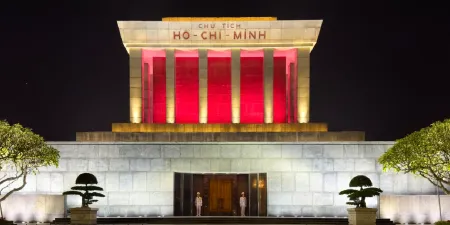
Explore Ho Chi Minh Mausoleum in Hanoi, including opening hours, etiquette rules, history, and travel tips for first-time visitors.
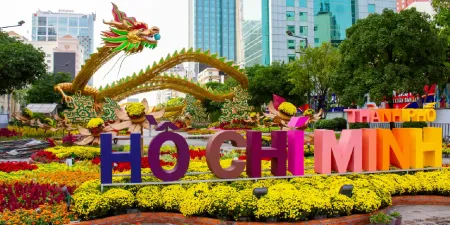
Ho Chi Minh City travel guide: top attractions, local food, and must-see experiences in Vietnam’s largest and most exciting city.
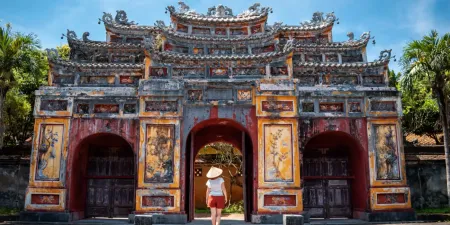
Discover Hue with our complete travel guide, including must-see sights, historic landmarks, and cultural experiences in the former imperial capital.
Visit the Mekong Delta: explore river villages, floating markets, tropical fruits, and unique wildlife in southern Vietnam.
Discover the mesmerizing UNESCO World Heritage site in Vietnam, Ha Long Bay. Boasting thousands of limestone karsts and islets emerging from emerald waters. Explore hidden lagoons, kayak through stunning caves, and cruise among iconic rock formations.
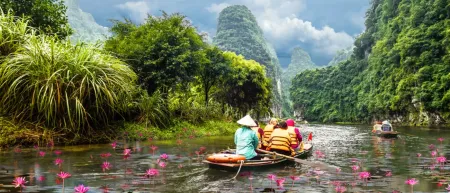
Ninh Binh travel guide: explore Trang An, Tam Coc, Mua Cave, and Hoa Lu with practical tips, best time to visit, and itinerary ideas.
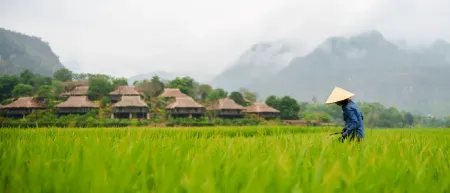
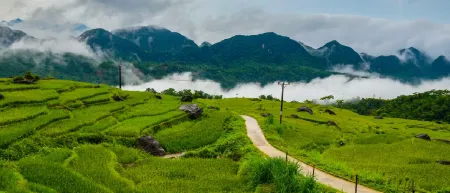
Experience Mai Chau’s green valleys, traditional villages, and mountain views with this complete travel guide from Hanoi.
Visit Hanoi, Vietnam’s heart of culture and history, from Hoan Kiem Lake and Old Quarter to street food and ancient temples.
Pu Luong Nature Reserve travel guide covering weather, things to do, trekking, culture, accommodation, and how to get there.
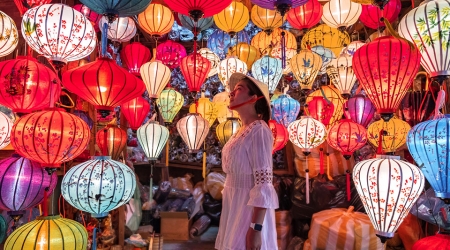
Discover the enchanting allure of Hoi An, a UNESCO World Heritage Site renowned for its well-preserved ancient architecture and vibrant culture. Lose yourself in the labyrinth of narrow, lantern-lit streets, explore bustling markets, and soak in the tranquil beauty of the Thu Bon River. Experience the perfect blend of tradition and modernity in this captivating Vietnamese city.
The Temple of Literature in Hanoi stands as one of Vietnam's most cherished historical sites. This ancient complex, dedicated to Confucius and learning, has been a symbol of education and wisdom for nearly a thousand years. As one of the most significant Hanoi landmarks, it offers visitors a glimpse into the rich cultural heritage and intellectual traditions of Vietnam.
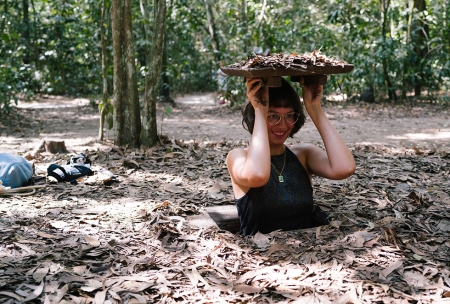
Discover how the Viet Cong utilized these tunnels for survival, communication, and military operations. Learn about the challenges faced by those who lived and fought within the tunnels, and witness firsthand the ingenuity and resilience of the Vietnamese people. Explore the intricate network of underground tunnels that played a crucial role in the Vietnam War.