Things to do in Danang City

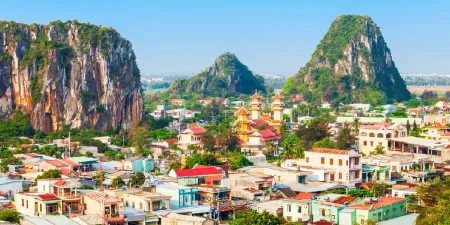
Da Nang is Vietnam's third-largest city and one of Southeast Asia's fastest-growing urban destinations. Positioned along a sweeping arc of coastline in central Vietnam, it offers an extraordinary intersection of pristine beaches, ancient cultural heritage, dramatic mountain scenery, and ultra-modern infrastructure, all within a compact, easily navigable city.
Consistently ranked among Vietnam's cleanest and most liveable cities, Da Nang has transformed from a modest port town into an international tourism powerhouse. Its strategic position makes it the natural base for exploring the UNESCO World Heritage Sites of Hoi An and Hue, both within an hour's drive.
Da Nang is one of the most compelling destinations on any Vietnam tour itinerary, offering:
Before Vietnamese settlement, the Da Nang region was part of the Kingdom of Champa, a sophisticated Hindu-Buddhist civilization that flourished from the 2nd to the 15th centuries. The Cham people left behind remarkable art and architecture, much of it now preserved in the world-class Museum of Cham Sculpture. The nearby My Son Sanctuary (a UNESCO site) represents the spiritual heart of this lost civilization.
Known as Tourane under French rule (from 1858 onward), Da Nang was one of the first Vietnamese cities occupied by France. The French developed the port and constructed European-style buildings, many of which still survive. Tourane served as a key administrative and commercial hub throughout the colonial era.
March to June offers the most reliable sunshine, comfortable temperatures (28–32°C), and calm seas, ideal for beach activities and outdoor exploration.
Get in touch with our local experts for an unforgettable journey.
Plan Your Trip
Include a wide range of beaches, landmarks, mountains, and cultural attractions, making it one of Vietnam’s most diverse coastal destinations.
Central Vietnamese cuisine is regarded by many food critics as the country's most complex and flavourful, a bold assertion in a nation where food is a national obsession.
The best time is February to July, particularly March–June when skies are clear, seas are calm, and temperatures are warm (28–32°C). Avoid October–November, which sees the heaviest rainfall and occasional typhoons.
Da Nang International Airport (DAD) receives direct flights from major Asian hubs including Singapore, Bangkok, Seoul, Hong Kong, and Tokyo, as well as all major Vietnamese cities. The airport is only 3 km from the city centre, a taxi takes about 10 minutes.
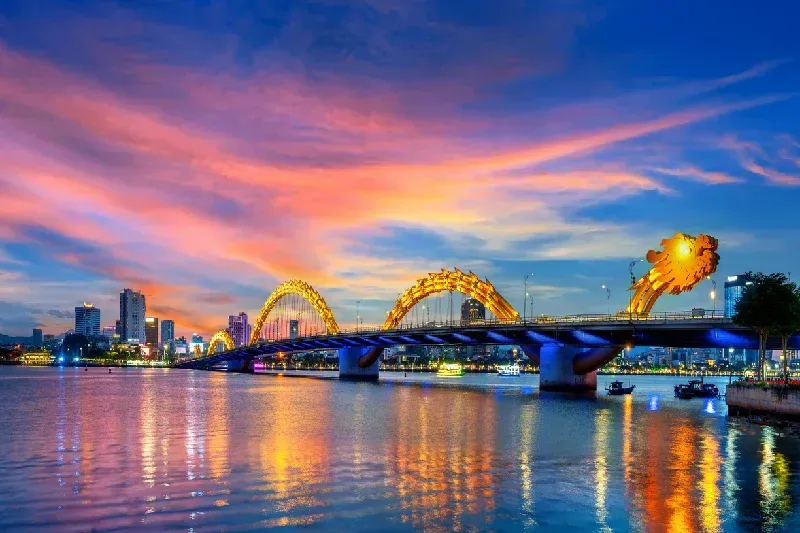
Absolutely. Da Nang is one of Vietnam's most family-friendly cities. Ba Na Hills with its Fantasy Park, calm beaches, the Marble Mountains, and the Dragon Bridge fire show all appeal strongly to children of all ages. Many resorts offer kids' clubs and pools.
Yes, generally very safe during the dry season (March–August). Lifeguards patrol major beaches and flag systems indicate safe swimming zones. During typhoon season (Sep–Nov), seas can be rough and swimming may be inadvisable. Always swim between red-and-yellow safety flags.
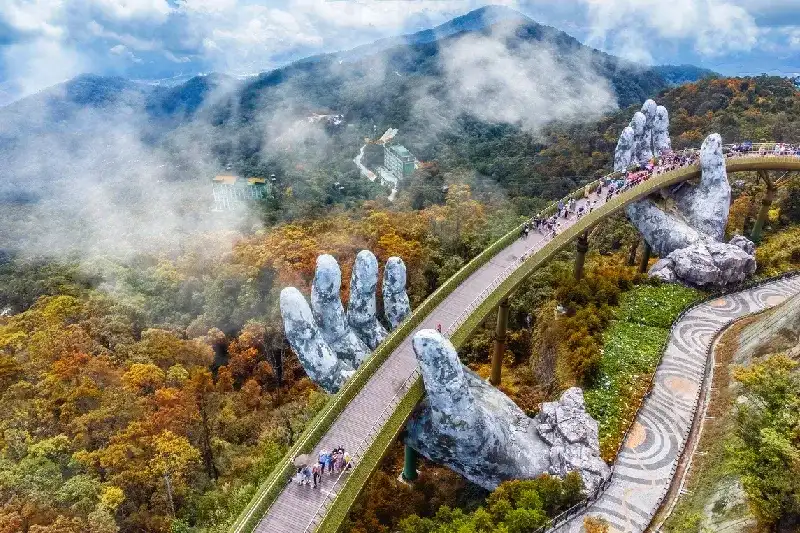
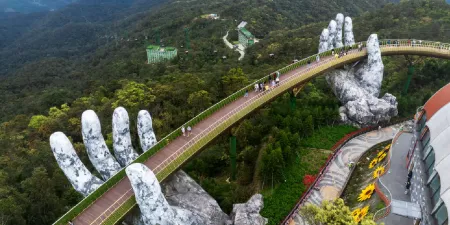
The Golden Bridge is a pedestrian walkway held by giant stone hands atop Ba Na Hills, 30 km from Da Nang. To visit, take the cable car from the Ba Na Hills base station (tickets include cable car + entry). The site opens daily. Morning visits offer misty, atmospheric conditions; afternoons can be busy. Entrance costs approximately 750,000–850,000 VND for adults.
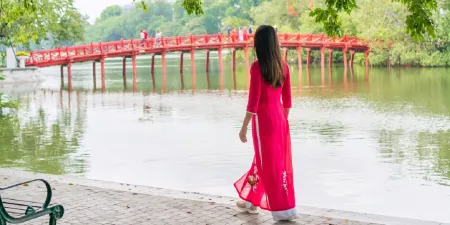
Experience Hoan Kiem Lake in Hanoi: stroll the historic paths, admire temples, and enjoy the cultural heartbeat of Vietnam.
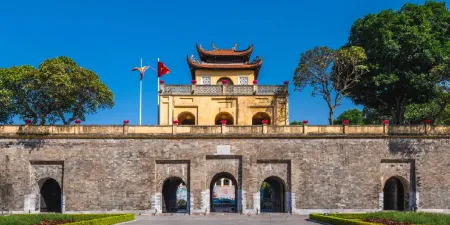
Visit the Imperial Citadel of Thang Long, Hanoi's iconic UNESCO landmark featuring ancient architecture, royal relics, and rich history.
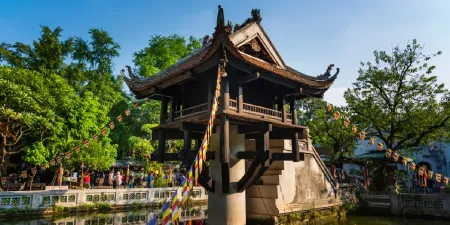
Visit One Pillar Pagoda in Hanoi, a famous Buddhist structure built in 1049, offering rich history and a peaceful cultural experience in Vietnam.
Find the best things to do in Da Nang, from relaxing on sandy beaches to exploring temples, mountains, and vibrant nightlife.
Experience Ba Na Hills in Vietnam with stunning views, the Golden Bridge, Fantasy Park, plus tips on tickets, timing, and key highlights.
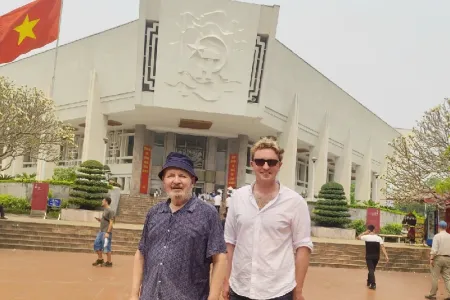
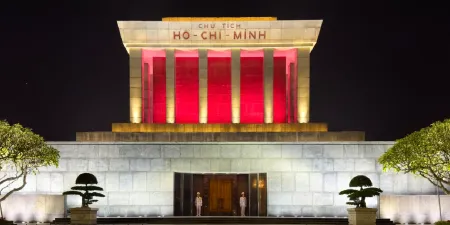
Explore Ho Chi Minh Mausoleum in Hanoi, including opening hours, etiquette rules, history, and travel tips for first-time visitors.
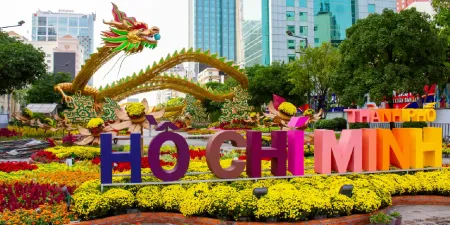
Ho Chi Minh City travel guide: top attractions, local food, and must-see experiences in Vietnam’s largest and most exciting city.
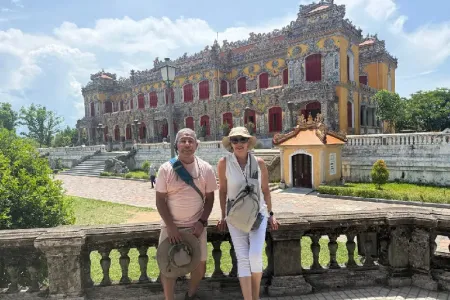
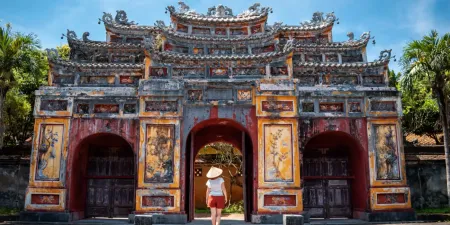
Discover Hue with our complete travel guide, including must-see sights, historic landmarks, and cultural experiences in the former imperial capital.
Visit the Mekong Delta: explore river villages, floating markets, tropical fruits, and unique wildlife in southern Vietnam.
Discover the mesmerizing UNESCO World Heritage site in Vietnam, Ha Long Bay. Boasting thousands of limestone karsts and islets emerging from emerald waters. Explore hidden lagoons, kayak through stunning caves, and cruise among iconic rock formations.
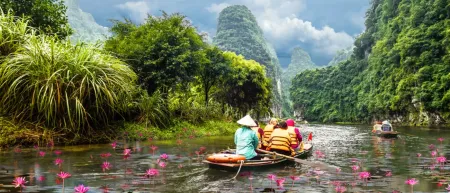
Ninh Binh travel guide: explore Trang An, Tam Coc, Mua Cave, and Hoa Lu with practical tips, best time to visit, and itinerary ideas.
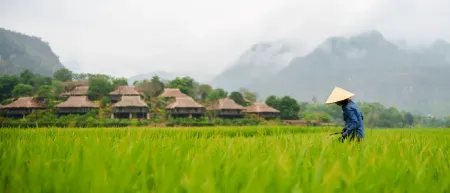
Experience Mai Chau’s green valleys, traditional villages, and mountain views with this complete travel guide from Hanoi.
Visit Hanoi, Vietnam’s heart of culture and history, from Hoan Kiem Lake and Old Quarter to street food and ancient temples.
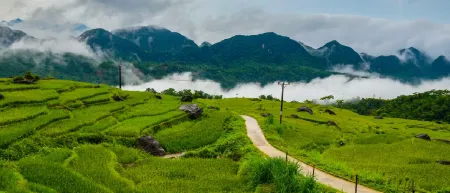
Pu Luong Nature Reserve travel guide covering weather, things to do, trekking, culture, accommodation, and how to get there.
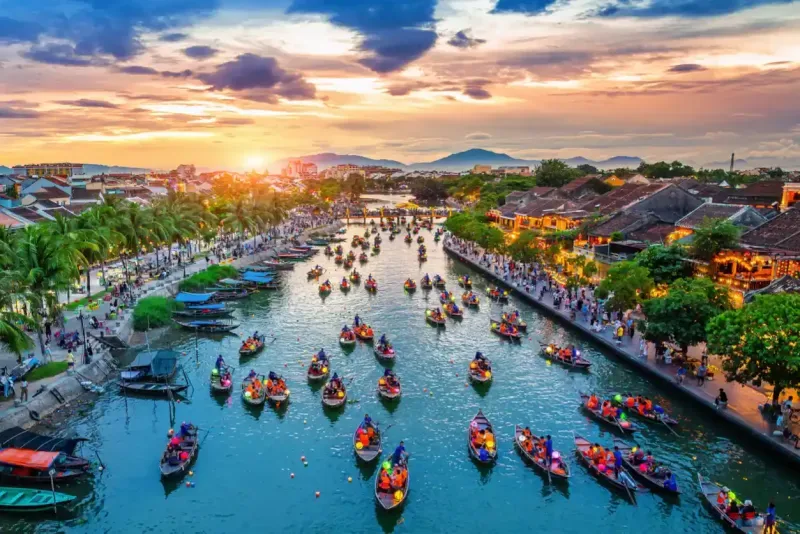
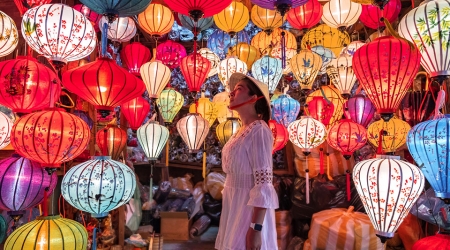
Discover the enchanting allure of Hoi An, a UNESCO World Heritage Site renowned for its well-preserved ancient architecture and vibrant culture. Lose yourself in the labyrinth of narrow, lantern-lit streets, explore bustling markets, and soak in the tranquil beauty of the Thu Bon River. Experience the perfect blend of tradition and modernity in this captivating Vietnamese city.
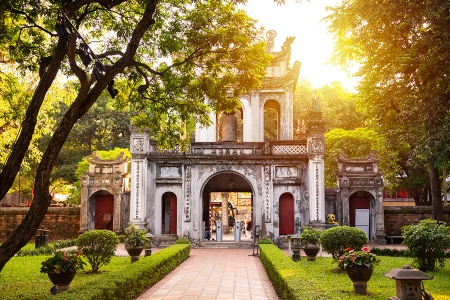
The Temple of Literature in Hanoi stands as one of Vietnam's most cherished historical sites. This ancient complex, dedicated to Confucius and learning, has been a symbol of education and wisdom for nearly a thousand years. As one of the most significant Hanoi landmarks, it offers visitors a glimpse into the rich cultural heritage and intellectual traditions of Vietnam.
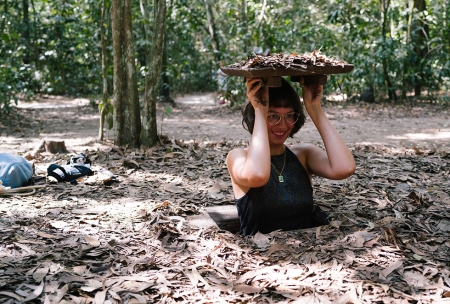
Discover how the Viet Cong utilized these tunnels for survival, communication, and military operations. Learn about the challenges faced by those who lived and fought within the tunnels, and witness firsthand the ingenuity and resilience of the Vietnamese people. Explore the intricate network of underground tunnels that played a crucial role in the Vietnam War.