Mai Chau: Vietnam's Hidden Valley Paradise

If you've been scrolling through travel photos of Vietnam and keep seeing those dreamy shots of emerald rice paddies nestled between limestone mountains, with colorful stilt houses dotting the valley floor, there's a good chance you're looking at Mai Chau. This quiet highland valley in northern Vietnam is one of those places that genuinely lives up to the hype, and somehow still manages to feel like a secret worth keeping.
Whether you're a first-time visitor to Vietnam or someone who's already done the Hanoi-Halong-Hoi An circuit and wants something a little more off the beaten path, Mai Chau delivers in a big way. Here's everything you need to know before you go.
Mai Chau is a highland valley destination in northern Vietnam that has quietly become one of the most beloved escapes for travelers seeking something beyond the usual tourist trail. It's the kind of place where the pace slows down, the air smells like grass and woodsmoke, and the scenery looks almost too perfect to be real. It`s one of the top countryside destinations in Vietnam.
It is the combination of things that are increasingly hard to find in one place: peaceful valleys with almost no traffic noise, living ethnic culture that hasn't been staged for tourists, and rice fields that shift from vivid green to burnished gold depending on the season. It's the kind of destination that resets you.
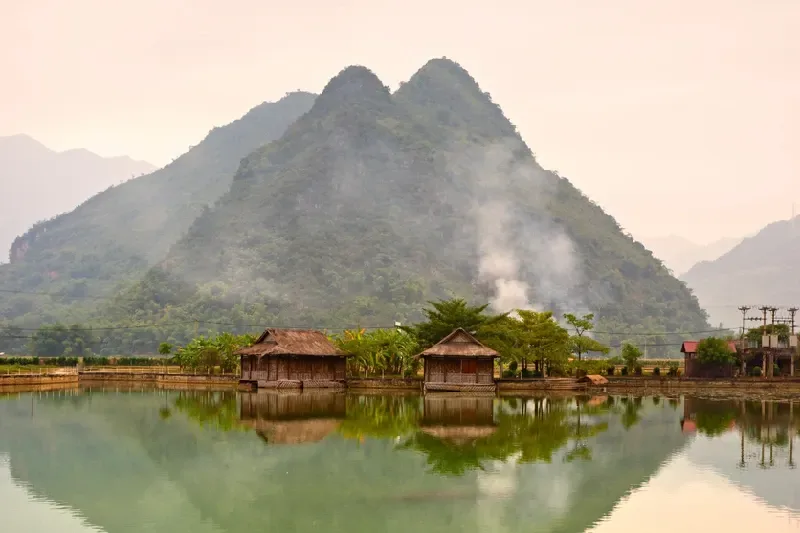
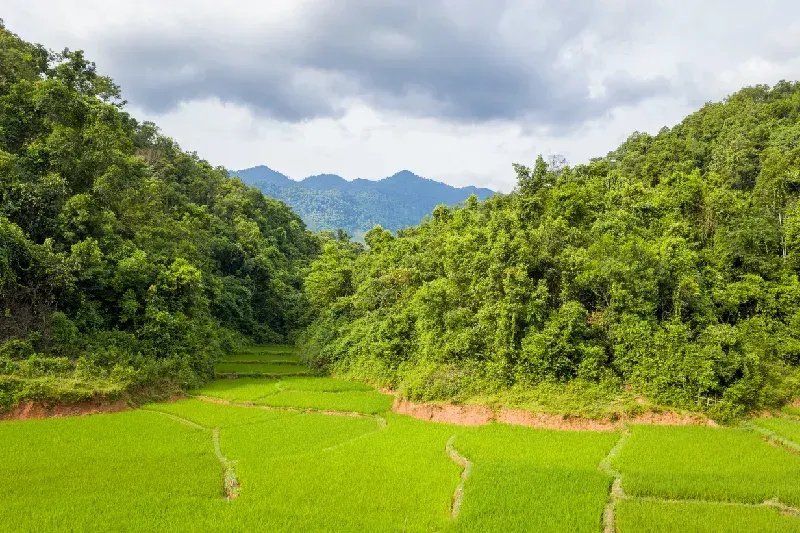
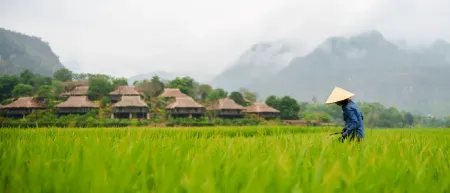
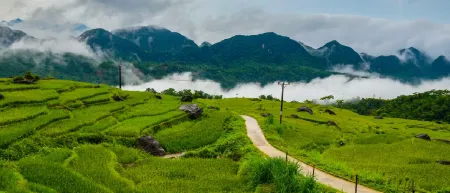
Mai Chau is nestled in a wide, flat-bottomed valley surrounded on all sides by forested limestone peaks. It sits at around 400 meters above sea level, which gives it a slightly cooler, fresher climate than the lowland cities. The valley floor is almost entirely given over to rice cultivation, with villages dotted along the edges and hills rising steeply behind them.
From Hanoi, Mai Chau is roughly 150 kilometers, which translates to about 3.5 to 4 hours by road via Highway 6. That makes it a very doable weekend trip, and plenty of travelers use it as their first real introduction to rural northern Vietnam before pushing further into the highlands.
Get in touch with our local experts for an unforgettable journey.
Plan Your Trip
What makes Mai Chau more than just a pretty landscape is its people. The valley has been home to ethnic minority communities for centuries, most notably the White Thai (or Tai Dam), along with Hmong and Dao communities living in the surrounding hills. Each group has its own distinct language, dress, customs, and relationship with the land.
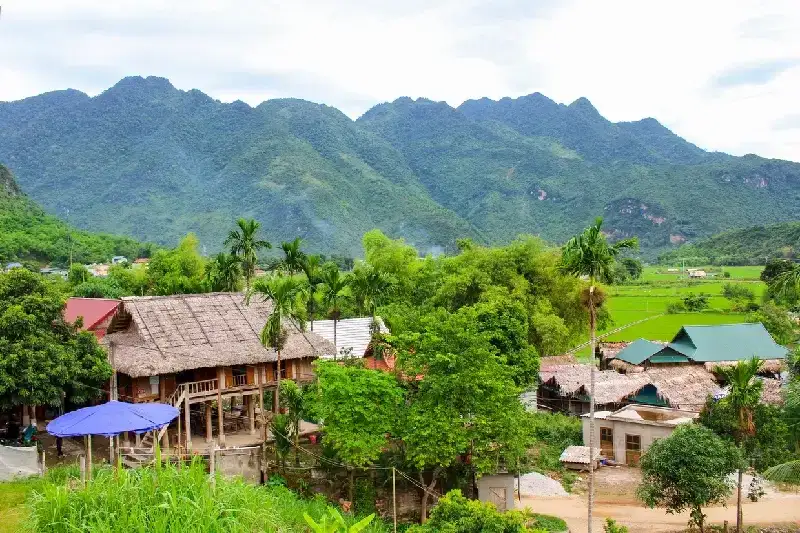
The White Thai are the dominant group in the valley itself, and their culture is beautifully intact. You'll notice it immediately in their traditional woven textiles, intricate patterns in rich colors that are made right in the villages and sold at small markets. These aren't mass-produced souvenirs; they're the result of skills passed down through generations of women who learn to weave as young girls. Stilt houses, elevated wooden structures designed to keep livestock below and living spaces above, are the traditional architecture of the Thai people, and staying in one is honestly one of the better travel experiences you can have in this part of the world.
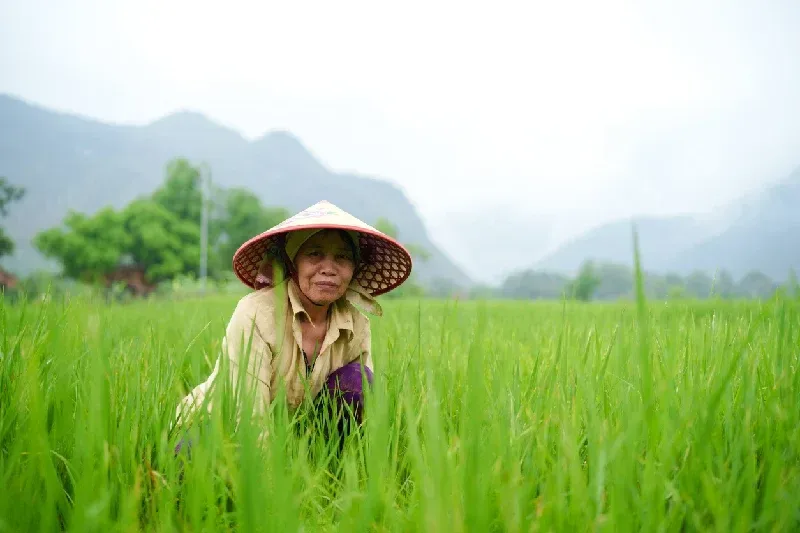
Life in Mai Chau has historically revolved around rice farming, and that's still largely true today. The rhythm of the valley is dictated by planting and harvest seasons, and the community remains deeply connected to the land. Village life moves at a pace that feels almost meditative to visitors, which is precisely the point.
Spring (March to May) is one of the nicest times to visit. The weather is mild, the valley is lush and green, and the rice paddies are freshly planted and absolutely glowing. Crowds are manageable, and you'll get that soft misty light in the mornings that makes photographers weep with joy.
Summer (June to August) brings more rain, but also more dramatic clouds and deeper green landscapes. The valley can get muddy, but it's still very beautiful and the rice really fills out through these months.
Winter (December to February) is cool and sometimes misty, with fewer tourists. It has its own quiet charm, but pack a jacket, temperatures can drop sharply at night.
Autumn (September to November) is arguably the most spectacular time to visit. The harvest season, typically September through October, turns the paddies from bright green to rippling gold. If you can time your visit for harvest season, do it. The images you'll come home with are genuinely stunning, and the energy in the villages during harvest is something special.
Local festivals like Xen Ban and Xen Muong are celebrated in January and February around the Lunar New Year period, and they're a wonderful window into White Thai traditions if you happen to be around. Music, offerings, communal feasting, and traditional dress all feature prominently.
These are the two most visited villages in the valley, and for good reason. Lac Village in particular is beautifully preserved, with traditional stilt houses, friendly locals, and a gentle pace of life that feels genuinely restorative. You can wander through on foot, stop in at small weaving workshops, and buy textiles directly from the women who made them. Pom Coong is just across the valley and has a slightly more residential feel, less tourist infrastructure, which some travelers actually prefer.
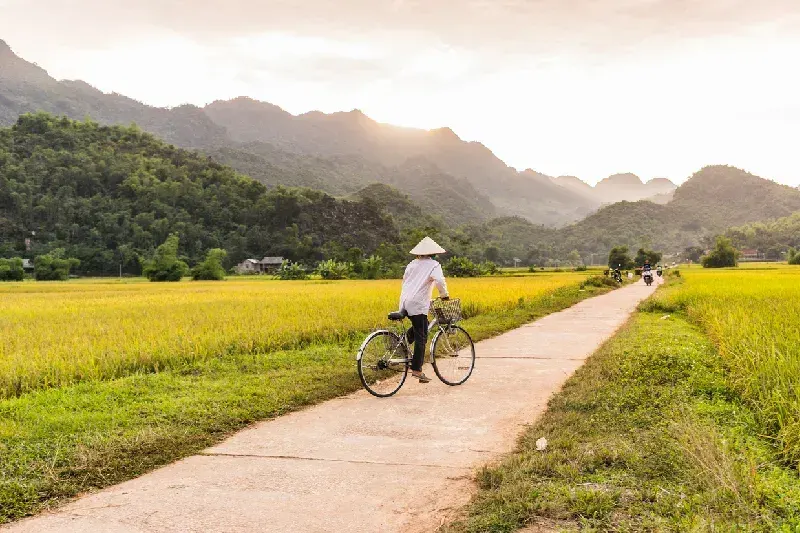
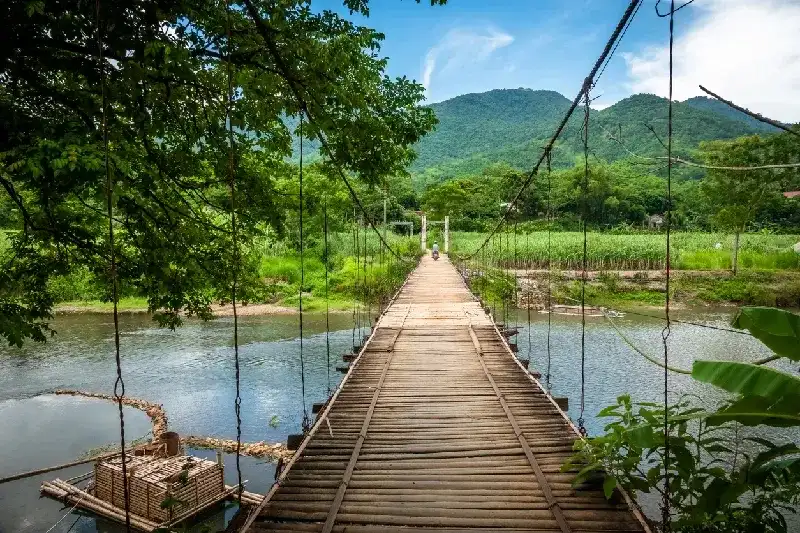
Renting a bicycle and riding through the valley is one of those simple pleasures that ends up being a highlight of the whole trip. The terrain is mostly flat on the valley floor, the roads are quiet, and the scenery around every corner is extraordinary. Most guesthouses and homestays can arrange bike rentals for a few dollars a day.
If you want to stretch your legs properly, there are excellent trekking routes that take you up into the hills surrounding the valley. You'll pass through smaller Hmong and Dao villages, get elevated views across the rice terraces, and experience forest trails that are genuinely beautiful. A local guide is recommended, both for navigation and because they can help facilitate meaningful interactions with communities along the way.
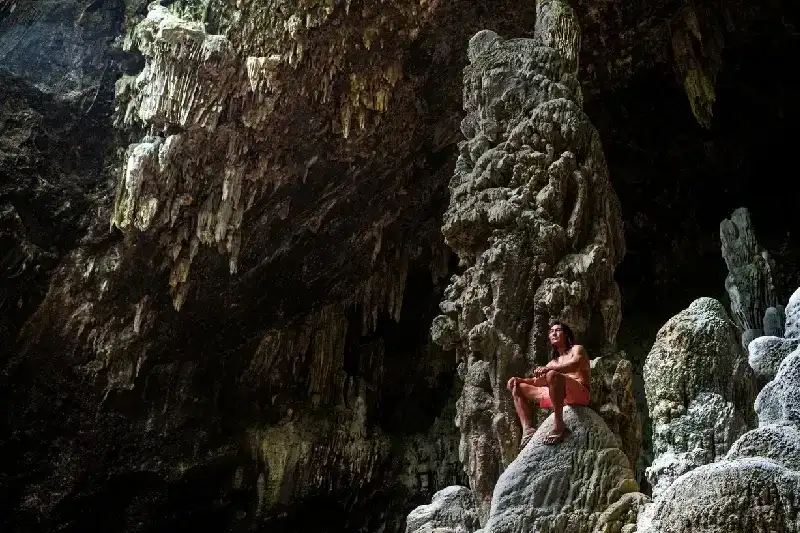
Not far from the main valley, Chieu Cave is a stalactite cave worth an hour of your time. It's not enormous, but the formations inside are impressive and it makes for a good half-day excursion, especially if you're combining it with a cycling loop around that side of the valley.
Many homestays in Lac Village organize evening cultural performances where local Thai women perform traditional dances. It might sound touristy, but it's done with real warmth and the performances are genuinely engaging. It's also an opportunity to try some local rice wine, which ranges from delicious to extraordinarily strong depending on the batch.
The valley itself is the main attraction, that patchwork of rice fields, the limestone peaks, the morning mist rolling through. Whether you're looking at it from ground level on a bicycle or from an elevated viewpoint on a trek, it's the kind of scenery that makes you stop mid-sentence.
The hills surrounding Mai Chau aren't just a backdrop, they're an attraction in their own right. Forested slopes, hidden waterfalls, and ridge trails with sweeping views make the surrounding mountains worth exploring beyond just the valley floor.
If you want to venture further, Pu Luong Nature Reserve is only about 60-70 kilometers away and is absolutely spectacular. It's less developed than Mai Chau, with wilder trails, more remote villages, and some of the most beautiful rice terraces in all of northern Vietnam. Many travelers do a combined Mai Chau-Pu Luong trip and come back having experienced two very different but equally wonderful sides of rural Vietnam.
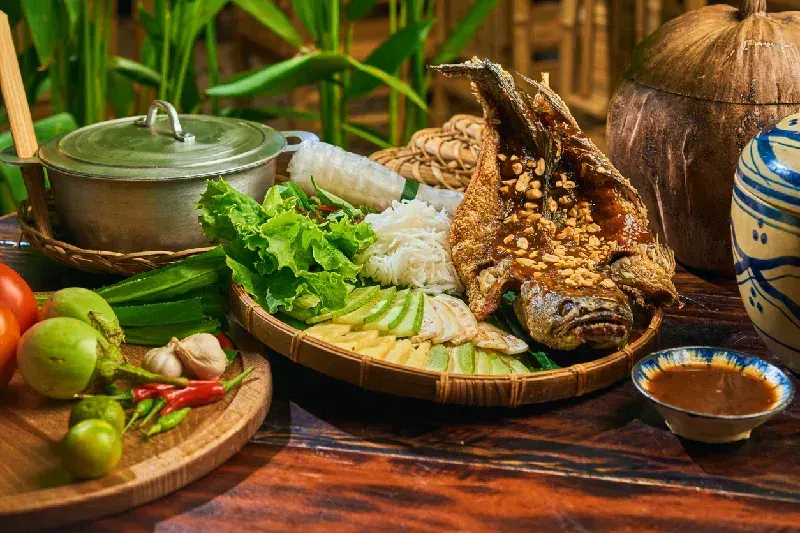
Eating in Mai Chau is one of the best parts of the experience. Sticky rice is the staple of Thai cooking and you'll eat it at almost every meal. Bamboo rice (com lam) is sticky rice cooked inside a bamboo tube over an open fire, which gives it a subtle smoky, woody flavor that's unlike anything you've had before. Grilled pork and chicken seasoned with local herbs and served with dipping sauces are common and excellent. Wild vegetables and mountain herbs show up in soups and stir-fries throughout the region, things you won't find on menus in Hanoi or Ho Chi Minh City.
Much of the cooking in Mai Chau is done over wood fires, with bamboo used both as a cooking vessel and as a food in its own right. The simplicity of the methods is part of what makes the food taste so good, fresh ingredients, live fire, family recipes that haven't changed in generations.
Eating in a stilt house, sitting cross-legged on woven mats with a family-style spread of dishes laid out on a low table, is one of those travel memories that sticks with you long after you've forgotten the name of the boutique hotel you stayed at in the city. Most homestays include breakfast and dinner, and the meals alone are worth the trip.
Homestays in Lac Village or Pom Coong are the most popular and rewarding option. You'll sleep on mattresses laid out in the open communal area of a stilt house, share meals with your hosts, and wake up to rice paddy views. There are also some small guesthouses and eco-lodges around the valley for those who prefer a bit more privacy.
The most common way is by private car or motorbike from Hanoi via Highway 6. Several bus services run from My Dinh Bus Station in Hanoi to Mai Chau, with the journey taking around 4 hours. Organized day tours and overnight tours from Hanoi are also widely available and take all the logistics off your plate.
Comfortable walking or cycling shoes, light layers for cool mornings and evenings, sunscreen, a rain jacket if visiting during wet season, and some small bills for markets and tips. A reusable water bottle is handy too, you'll be doing a lot of outdoor activity.
Ask before taking photos of people, dress modestly when visiting villages, and always remove your shoes before entering a stilt house. Accepting an offer of food or tea is considered a genuine sign of respect, and small gifts for host families, fruit, biscuits, or something from your home country, are always warmly received.
Mai Chau is very safe for travelers. The main thing to be mindful of is road conditions if you're riding a motorbike, mountain roads can be slippery after rain. Stick to well-maintained routes if you're less experienced, and always wear a helmet.
The wider Hoa Binh Province has a lot to offer beyond Mai Chau itself. Hoa Binh city has a good museum focused on the cultures of the Northwest, and the Da River reservoir nearby is worth a look. The province is one of the most ethnically diverse in Vietnam, and even a short drive in most directions will bring you into the territory of different communities with distinct ways of life.
The drive from Hanoi to Mai Chau via Highway 6 passes through some beautiful mountain scenery, and making stops along the way, at viewpoints, small towns, or roadside food stalls serving bun bo or banh mi, is very much worth your time. Some travelers take the longer scenic route through Hoa Binh town deliberately, just to extend the journey and take it all in.
Mai Chau doesn’t impress with big landmarks or nightlife, it grows on you slowly, through soft afternoon light, warm homestay hospitality, and peaceful bamboo-lined cycling paths. It’s the kind of place that quietly becomes a favorite and makes you want to return. Discover Mai Chau and beyond. Explore our curated Vietnam tours across Southeast Asia!
You should visit Mai Chau if you want a peaceful escape from busy cities. You’ll enjoy rice fields, traditional villages, and a slower, more authentic side of Vietnam.
You’ll have the best experience from March to May or September to November, when the weather is pleasant and the rice fields are at their most beautiful.
You can reach Mai Chau from Hanoi in about 3–4 hours by car, bus, or private transfer. The drive itself is scenic, especially as you enter the mountains.
You can stay in a traditional stilt-house homestay in villages like Lac Village or Pom Coong, where you’ll experience local hospitality and culture firsthand.
You can cycle through rice paddies, visit ethnic villages, enjoy traditional dance shows, hike in the surrounding hills, and relax in nature.
You can fully enjoy Mai Chau in 2 to 3 days, giving you enough time to explore villages, take a short trek, and enjoy the peaceful scenery.
You should try local specialties like grilled pork, bamboo-cooked rice, and fresh mountain vegetables, often served in homestays.
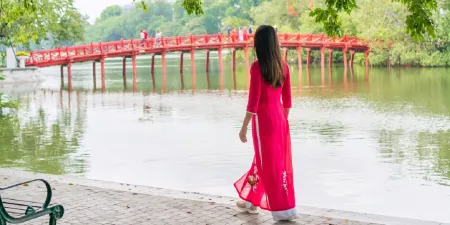
Experience Hoan Kiem Lake in Hanoi: stroll the historic paths, admire temples, and enjoy the cultural heartbeat of Vietnam.
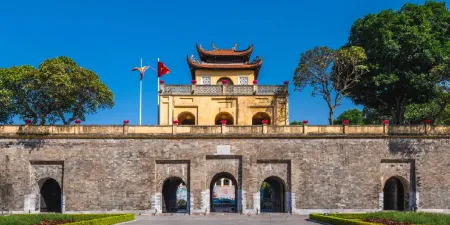
Visit the Imperial Citadel of Thang Long, Hanoi's iconic UNESCO landmark featuring ancient architecture, royal relics, and rich history.
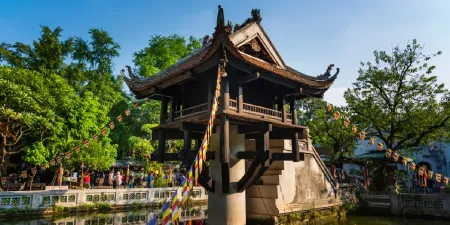
Visit One Pillar Pagoda in Hanoi, a famous Buddhist structure built in 1049, offering rich history and a peaceful cultural experience in Vietnam.
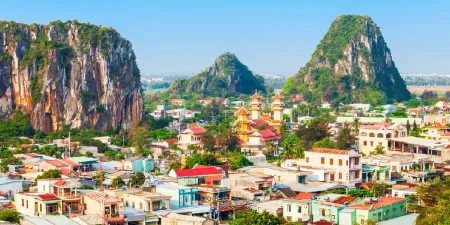
Find the best things to do in Da Nang, from relaxing on sandy beaches to exploring temples, mountains, and vibrant nightlife.
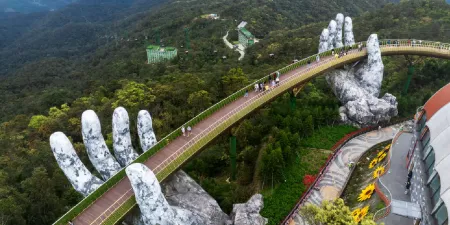
Experience Ba Na Hills in Vietnam with stunning views, the Golden Bridge, Fantasy Park, plus tips on tickets, timing, and key highlights.
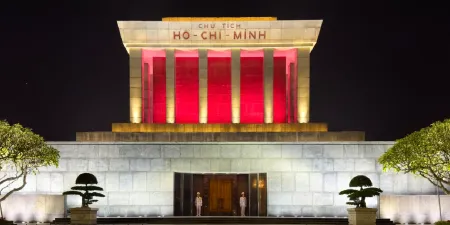
Explore Ho Chi Minh Mausoleum in Hanoi, including opening hours, etiquette rules, history, and travel tips for first-time visitors.
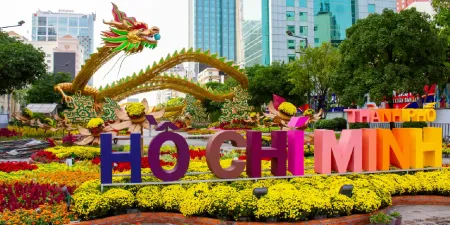
Ho Chi Minh City travel guide: top attractions, local food, and must-see experiences in Vietnam’s largest and most exciting city.
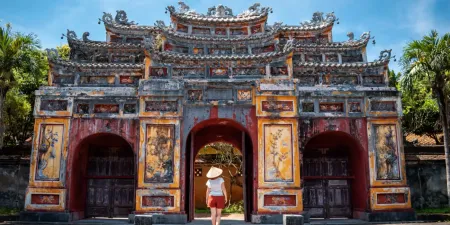
Discover Hue with our complete travel guide, including must-see sights, historic landmarks, and cultural experiences in the former imperial capital.
Visit the Mekong Delta: explore river villages, floating markets, tropical fruits, and unique wildlife in southern Vietnam.
Discover the mesmerizing UNESCO World Heritage site in Vietnam, Ha Long Bay. Boasting thousands of limestone karsts and islets emerging from emerald waters. Explore hidden lagoons, kayak through stunning caves, and cruise among iconic rock formations.
Ninh Binh travel guide: explore Trang An, Tam Coc, Mua Cave, and Hoa Lu with practical tips, best time to visit, and itinerary ideas.
Experience Mai Chau’s green valleys, traditional villages, and mountain views with this complete travel guide from Hanoi.
Visit Hanoi, Vietnam’s heart of culture and history, from Hoan Kiem Lake and Old Quarter to street food and ancient temples.
Pu Luong Nature Reserve travel guide covering weather, things to do, trekking, culture, accommodation, and how to get there.
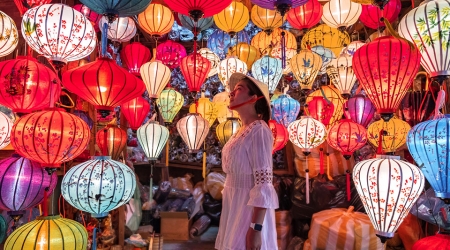
Discover the enchanting allure of Hoi An, a UNESCO World Heritage Site renowned for its well-preserved ancient architecture and vibrant culture. Lose yourself in the labyrinth of narrow, lantern-lit streets, explore bustling markets, and soak in the tranquil beauty of the Thu Bon River. Experience the perfect blend of tradition and modernity in this captivating Vietnamese city.
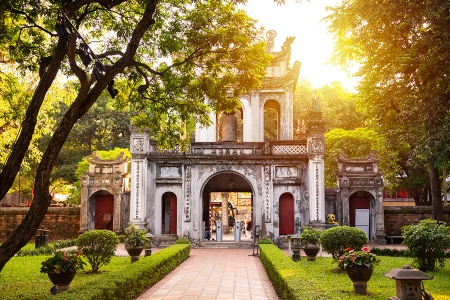
The Temple of Literature in Hanoi stands as one of Vietnam's most cherished historical sites. This ancient complex, dedicated to Confucius and learning, has been a symbol of education and wisdom for nearly a thousand years. As one of the most significant Hanoi landmarks, it offers visitors a glimpse into the rich cultural heritage and intellectual traditions of Vietnam.
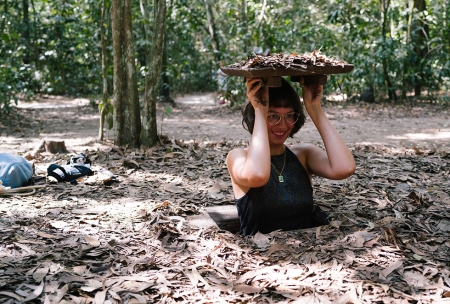
Discover how the Viet Cong utilized these tunnels for survival, communication, and military operations. Learn about the challenges faced by those who lived and fought within the tunnels, and witness firsthand the ingenuity and resilience of the Vietnamese people. Explore the intricate network of underground tunnels that played a crucial role in the Vietnam War.