Pu Luong Nature Reserve: Complete Travel Guide
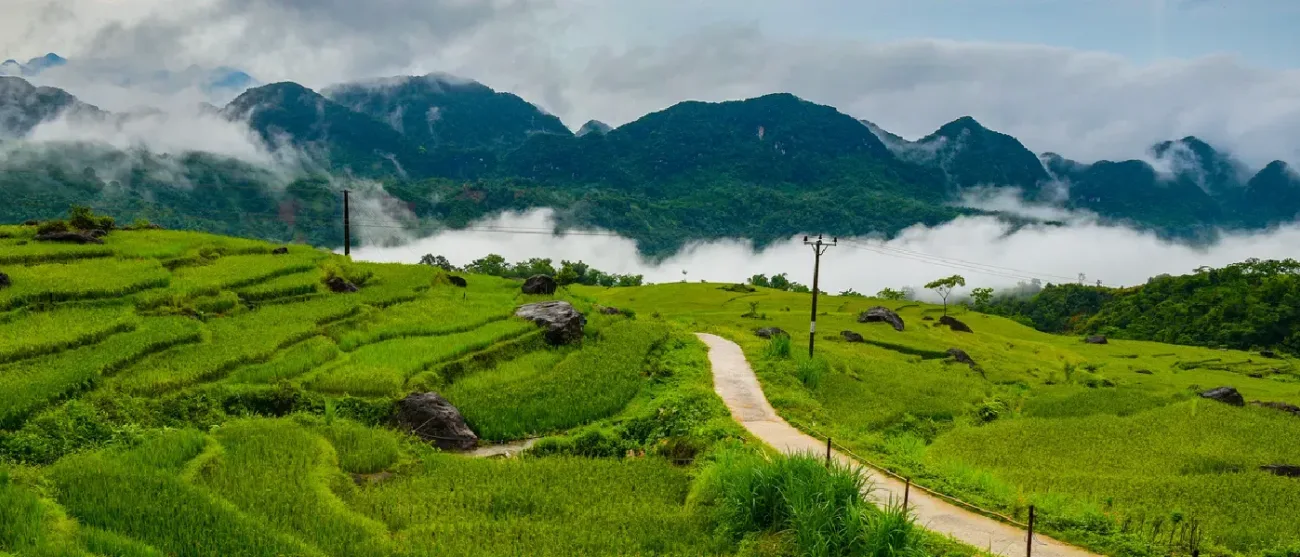
Tucked away in the mountains of northern Vietnam, Pu Luong Nature Reserve is one of those places that makes you wonder why you didn't visit sooner. Established in 1999, this 17,662-hectare protected area sits between Thanh Hoa Province and the border with Mai Chau, offering travelers an authentic slice of Vietnam that feels worlds away from the tourist crowds.
The name "Pu Luong" translates to "highest peak" in the Thai language, and it's easy to see why. The reserve sprawls across limestone mountain ranges, with peaks reaching over 1,700 meters, creating a dramatic backdrop for some of the most stunning rice terraces you'll find anywhere in Southeast Asia.
What sets Pu Luong apart isn't just its natural beauty, though that alone is reason enough to visit. It's the way nature and culture blend seamlessly here. You've got pristine forests sheltering rare wildlife, cascading waterfalls that seem straight out of a painting, and traditional villages where life moves at the same rhythm it has for centuries.
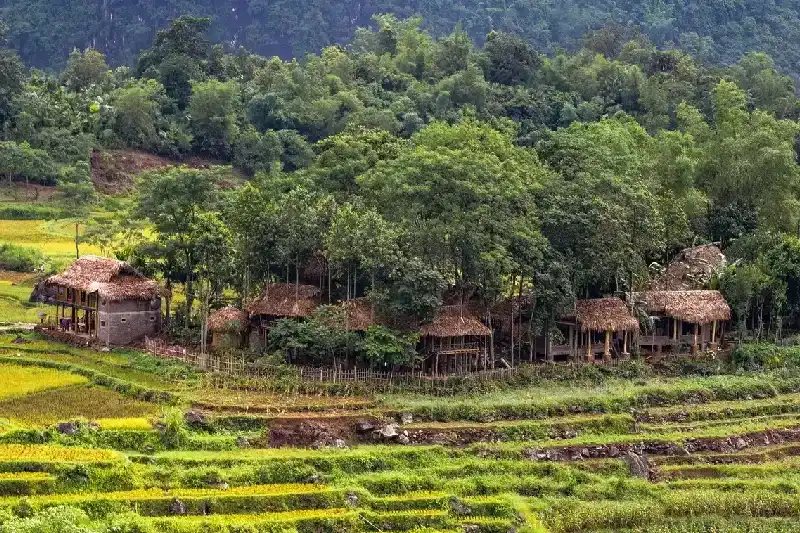
Unlike more developed tourist destinations, Pu Luong has managed to preserve its authenticity. There are no high-rise hotels or chain restaurants here. Instead, you'll find family-run homestays, bamboo waterwheels still used for irrigation, and locals who genuinely welcome you into their communities.
Pu Luong sits about 130 kilometers southwest of Hanoi in Thanh Hoa Province. It's nestled between the popular destinations of Mai Chau to the north and Cuc Phuong National Park to the south, making it an ideal stop if you're exploring northern Vietnam's mountainous regions.
The reserve spans several districts, with the main tourist areas centered around the villages of Kho Muong, Hieu, and Eo Ken. It's remote enough to feel like an adventure but accessible enough for a weekend getaway from Hanoi.
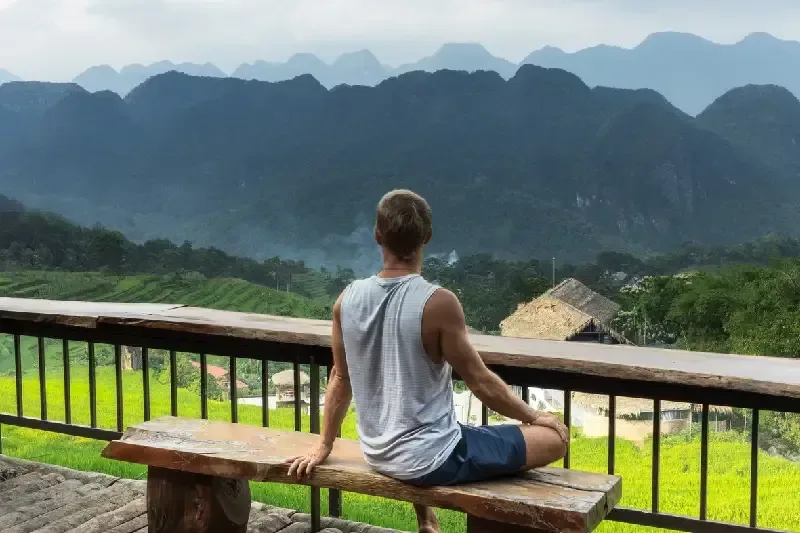
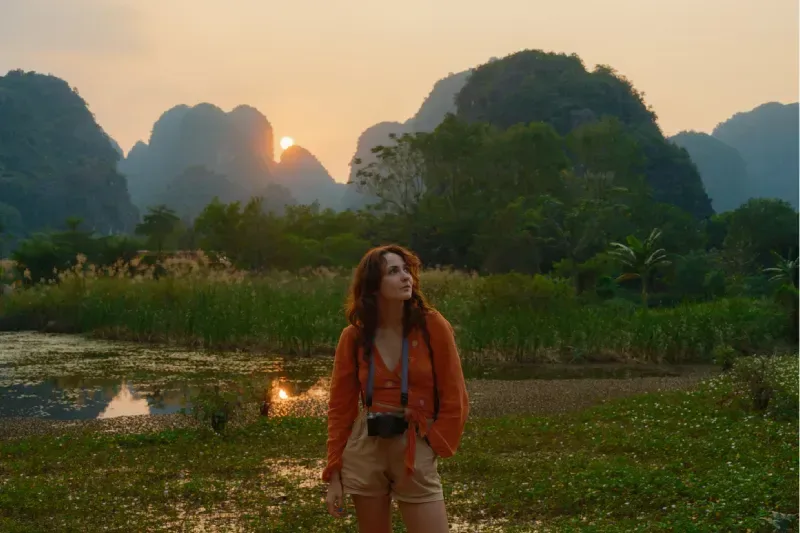
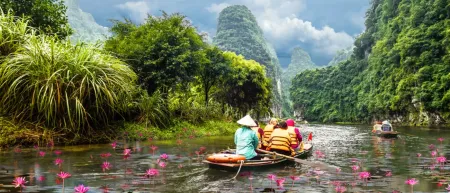
The landscape here is nothing short of spectacular. Karst limestone mountains rise sharply from the valley floors, their slopes covered in thick tropical forests. Rivers and streams cut through the valleys, creating natural swimming holes and dramatic waterfalls like Hieu and Thac Dong.
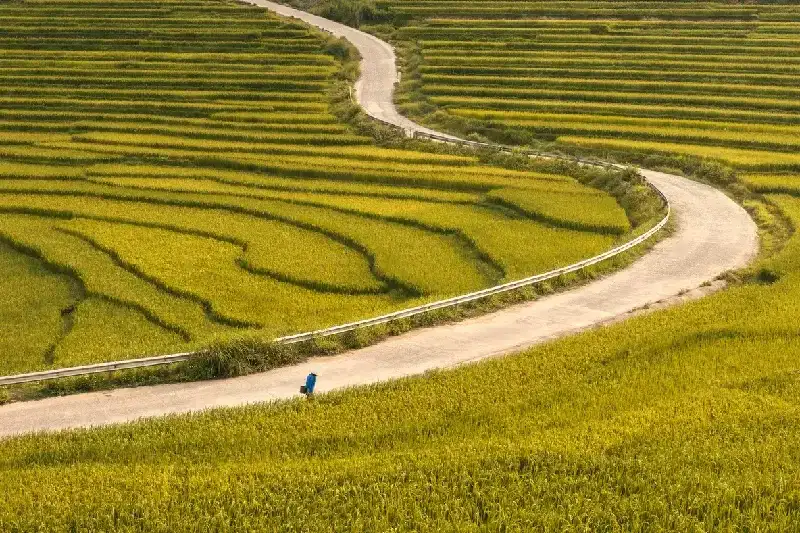
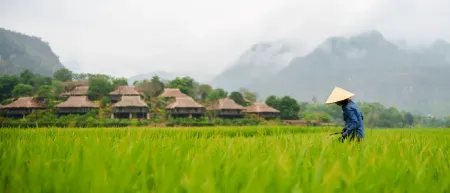
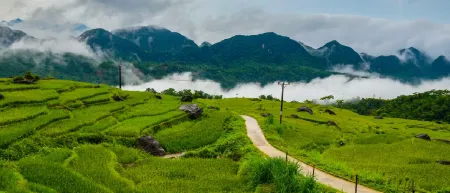
But the real showstoppers are the rice terraces. Carved into the mountainsides over generations, these terraces create a stairway-to-heaven effect that changes with the seasons, emerald green during growing season, golden at harvest time, and mirror-like when flooded.
Pu Luong has a tropical monsoon climate with distinct wet and dry seasons. Summers (May to September) are hot and humid with frequent afternoon rains, while winters (November to February) are cooler and drier, with temperatures occasionally dipping to around 10°C in the mountains.
The rainy season brings lush greenery but can make trekking trails slippery and some roads challenging to navigate. The dry season offers clearer skies and easier traveling conditions, though it can get quite warm during midday.
Hands down, the best times to visit are April to May and September to November. These months offer the sweet spot between weather and scenery. In late May and early June, you'll catch the rice terraces at their most vibrant green. Come back in September and October, and you'll witness the golden glow of harvest season.
If you're into photography or just want those Instagram-worthy shots, September through early October is magical. The terraces turn gold, the weather is pleasant, and the light is absolutely perfect.
Get in touch with our local experts for an unforgettable journey.
Plan Your Trip
Pu Luong is a biodiversity hotspot, protecting over 1,109 plant species within its boundaries. The reserve features multiple forest types, from limestone forests on the peaks to tropical lowland forests in the valleys. You'll find towering dipterocarp trees, ancient ferns, medicinal plants used by local communities, and countless orchid species clinging to rocks and trees.
The vegetation changes dramatically with altitude, creating distinct ecological zones that support different communities of plants and animals.
While you probably won't spot them easily, Pu Luong is home to some serious wildlife. The reserve protects 51 mammal species, including the critically endangered Delacour's langur, one of the world's rarest primates, as well as wild boar, deer, and various bat species.
Bird enthusiasts should bring their binoculars. The reserve hosts over 160 bird species, including several endemic to Vietnam. Early morning treks often reward you with sightings of colorful kingfishers, woodpeckers, and if you're lucky, the occasional hornbill.
The heart and soul of Pu Luong are its people. The reserve is home primarily to Thai and Muong ethnic minorities, who have lived in these mountains for centuries. Each group maintains distinct languages, traditions, and customs, though they share a deep connection to the land.
Life here follows agricultural rhythms. Villagers cultivate rice in those spectacular terraces, raise livestock, and practice traditional crafts like weaving and bamboo work. The traditional stilt houses, built from bamboo and wood, are perfectly adapted to the local climate and terrain.
Women still weave textiles using traditional looms, creating intricate patterns passed down through generations. The local festivals, particularly the spring planting and autumn harvest celebrations, offer glimpses into spiritual practices that blend animism with Buddhism.
Trekking is absolutely the best way to experience Pu Luong. Trails wind through rice terraces, cross bamboo bridges over streams, and lead through forests and traditional villages. Routes range from easy half-day walks to challenging multi-day treks.
The trek from Kho Muong to Hieu village is particularly popular, taking you through stunning scenery with plenty of opportunities to interact with locals. Most villages offer homestay accommodations, so you can break your journey with authentic cultural experiences.
The rice terraces deserve their own category. Key viewpoints include the panoramic vista at Don Village and the stunning terraces around Kho Muong. For the best photos, head out during golden hour, either early morning or late afternoon when the light hits just right.
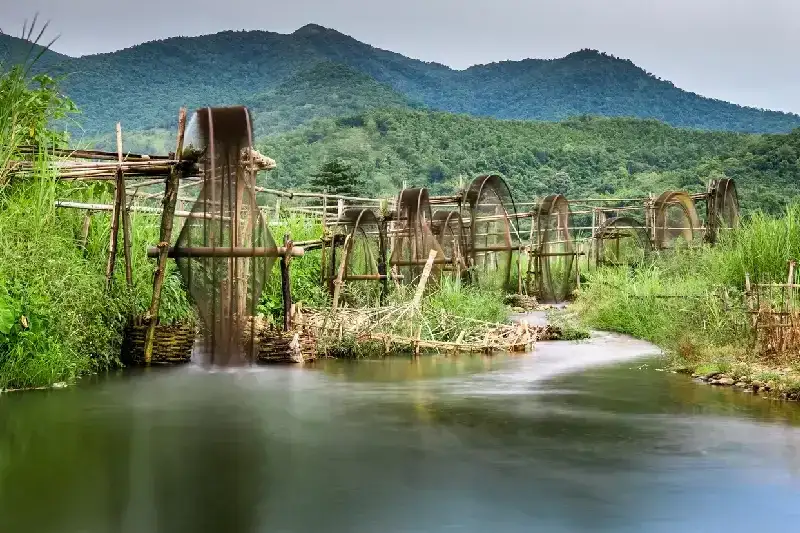
Pu Luong's bamboo waterwheels are iconic. These ingenious irrigation devices, some over a hundred years old, still operate along the streams, scooping water to irrigate the rice fields. The largest concentration is near Eo Ken village.
Don't miss Hieu Waterfall and Thac Dong Waterfall, both offering refreshing swimming opportunities and picture-perfect settings for a picnic.
Staying in village homestays is transformative. You'll share meals with families, learn about rice cultivation, maybe try your hand at weaving, and gain real insight into rural Vietnamese life. Villages like Kho Muong, Pho Doan, and Lan have particularly welcoming communities.
These terraces represent generations of agricultural knowledge. Farmers plant traditional rice varieties suited to the mountainous terrain, using techniques passed down through families. The terraces aren't just beautiful, they're sophisticated water management systems that prevent erosion and maximize limited arable land.
The terraces transform throughout the year. The water-planting season (May-June) creates mirror-like pools reflecting the sky. The growing season (June-September) brings waves of emerald green. Harvest season (September-October) paints the landscape gold. Even the dry season has its charm, with the bare terraces creating graphic patterns across the hillsides.
From Hanoi, Pu Luong is roughly a 3.5-hour drive. The journey itself is scenic, taking you through small towns and increasingly mountainous terrain.
A private car or motorbike are your best options. Public buses go to Canh Nang, the nearest town, but from there you'll need to arrange local transport to the villages. Some tour operators offer shuttle services that combine transportation with guided experiences.
The food in Pu Luong is simple, fresh, and delicious. Expect lots of rice (naturally), free-range chicken, river fish, and vegetables from local gardens. "Com lam" (bamboo-cooked rice) is a specialty, along with various wild vegetables and herbs you won't find elsewhere.
Most meals happen at homestays, where you'll eat family-style with other guests. It's communal, authentic, and often involves rice wine toasts. Some villages offer cooking classes where you can learn to prepare local dishes using traditional methods.
Pu Luong Nature Reserve does not have a single official entrance fee. However, some villages or attractions within the area may charge small local fees for specific activities or viewpoints. It’s best to carry cash, as ATMs are not available in the area.
Bring sturdy hiking shoes, lightweight rain gear, sun protection, insect repellent, and layers for cool evenings. A small first-aid kit, reusable water bottle, and power bank are essential. If you're staying in basic homestays, pack a headlamp and toiletries.
Pu Luong is generally very safe. The main risks are slippery trails during rain and basic altitude considerations. Show respect when visiting villages, ask permission before photographing people, dress modestly, and follow your host's lead regarding customs.
Mai Chau is about 50 kilometers north and makes an excellent combination with Pu Luong. It's slightly more developed with similar scenery and ethnic minority villages.
Ninh Binh, Vietnam's inland version of Ha Long Bay, is roughly 100 kilometers east. Many travelers combine these destinations for a comprehensive northern Vietnam experience without the coastal crowds.
Yes, Pu Luong is worth visiting for its peaceful atmosphere, scenic rice terraces, traditional villages, and uncrowded trekking routes.
You can enjoy trekking through rice terraces, visiting ethnic villages, exploring waterwheels and waterfalls, and experiencing local culture.
Pu Luong is located in northern Vietnam, about four hours southwest of Hanoi, near the Mai Chau area in Thanh Hoa Province.
Accommodation options include eco-lodges, boutique resorts, and local homestays, many offering mountain or rice-terrace views.
You can spend two to three days in Pu Luong, which is enough time to explore the area and enjoy its slow pace.
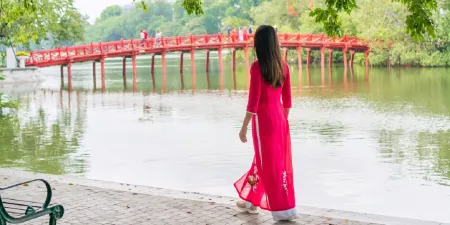
Experience Hoan Kiem Lake in Hanoi: stroll the historic paths, admire temples, and enjoy the cultural heartbeat of Vietnam.
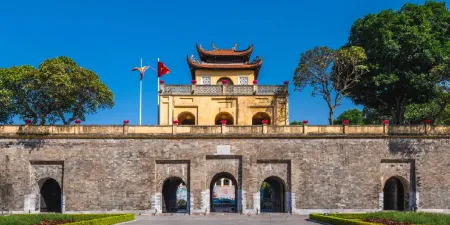
Visit the Imperial Citadel of Thang Long, Hanoi's iconic UNESCO landmark featuring ancient architecture, royal relics, and rich history.
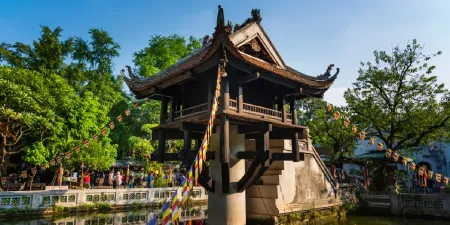
Visit One Pillar Pagoda in Hanoi, a famous Buddhist structure built in 1049, offering rich history and a peaceful cultural experience in Vietnam.
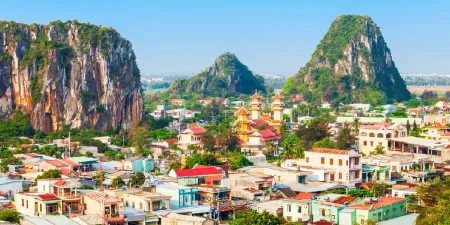
Find the best things to do in Da Nang, from relaxing on sandy beaches to exploring temples, mountains, and vibrant nightlife.
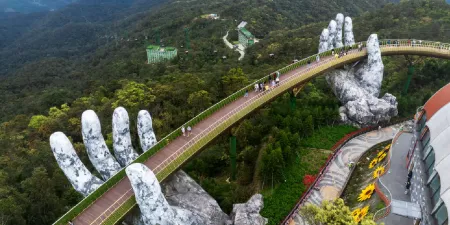
Experience Ba Na Hills in Vietnam with stunning views, the Golden Bridge, Fantasy Park, plus tips on tickets, timing, and key highlights.
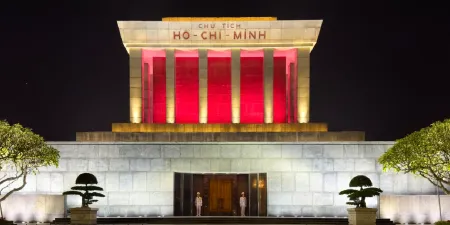
Explore Ho Chi Minh Mausoleum in Hanoi, including opening hours, etiquette rules, history, and travel tips for first-time visitors.
Ho Chi Minh City travel guide: top attractions, local food, and must-see experiences in Vietnam’s largest and most exciting city.
Discover Hue with our complete travel guide, including must-see sights, historic landmarks, and cultural experiences in the former imperial capital.
Visit the Mekong Delta: explore river villages, floating markets, tropical fruits, and unique wildlife in southern Vietnam.
Discover the mesmerizing UNESCO World Heritage site in Vietnam, Ha Long Bay. Boasting thousands of limestone karsts and islets emerging from emerald waters. Explore hidden lagoons, kayak through stunning caves, and cruise among iconic rock formations.
Ninh Binh travel guide: explore Trang An, Tam Coc, Mua Cave, and Hoa Lu with practical tips, best time to visit, and itinerary ideas.
Experience Mai Chau’s green valleys, traditional villages, and mountain views with this complete travel guide from Hanoi.
Visit Hanoi, Vietnam’s heart of culture and history, from Hoan Kiem Lake and Old Quarter to street food and ancient temples.
Pu Luong Nature Reserve travel guide covering weather, things to do, trekking, culture, accommodation, and how to get there.
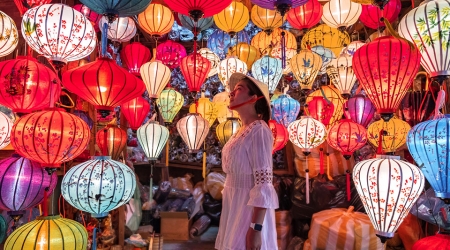
Discover the enchanting allure of Hoi An, a UNESCO World Heritage Site renowned for its well-preserved ancient architecture and vibrant culture. Lose yourself in the labyrinth of narrow, lantern-lit streets, explore bustling markets, and soak in the tranquil beauty of the Thu Bon River. Experience the perfect blend of tradition and modernity in this captivating Vietnamese city.
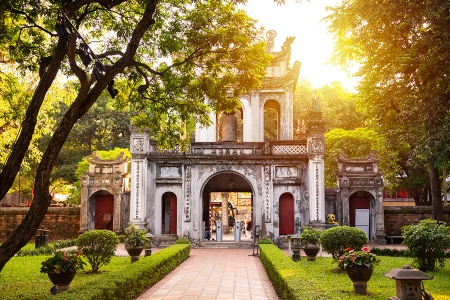
The Temple of Literature in Hanoi stands as one of Vietnam's most cherished historical sites. This ancient complex, dedicated to Confucius and learning, has been a symbol of education and wisdom for nearly a thousand years. As one of the most significant Hanoi landmarks, it offers visitors a glimpse into the rich cultural heritage and intellectual traditions of Vietnam.
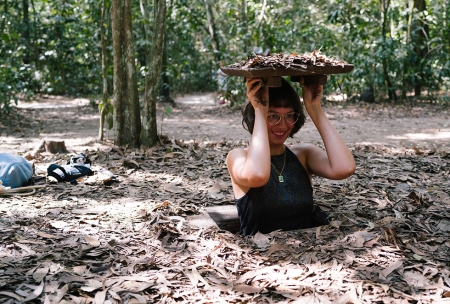
Discover how the Viet Cong utilized these tunnels for survival, communication, and military operations. Learn about the challenges faced by those who lived and fought within the tunnels, and witness firsthand the ingenuity and resilience of the Vietnamese people. Explore the intricate network of underground tunnels that played a crucial role in the Vietnam War.