One Pillar Pagoda: Vietnam’s sacred landmark
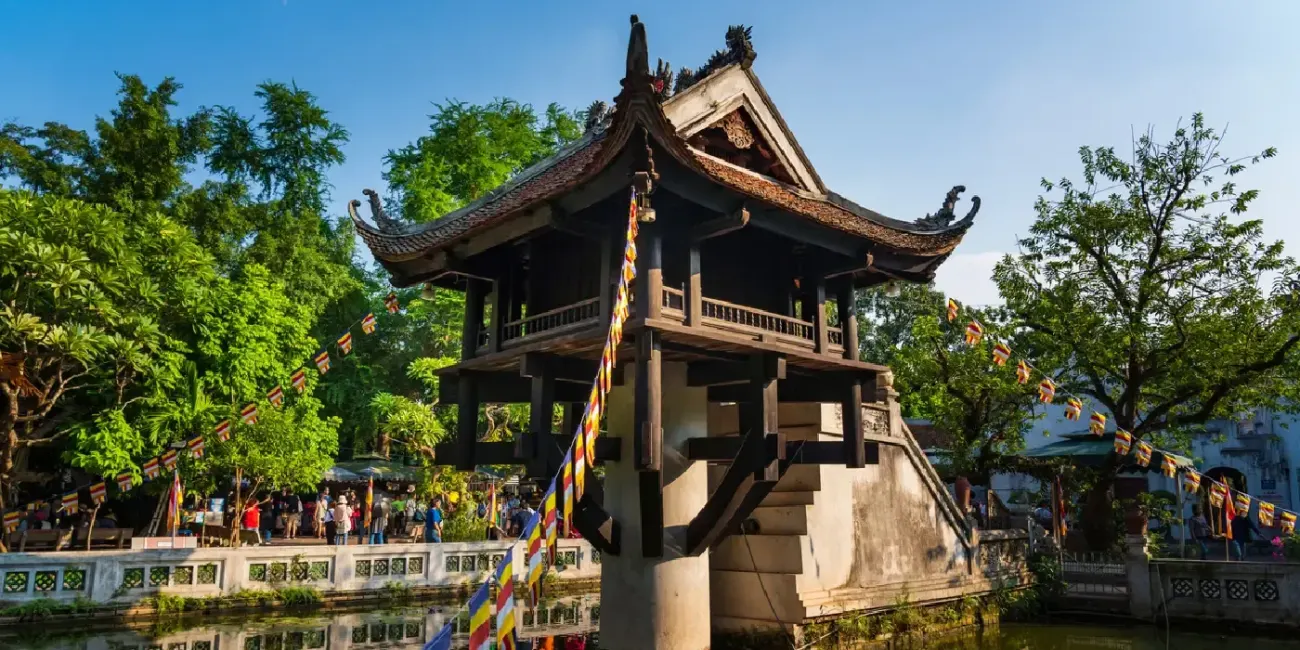
The One Pillar Pagoda is one of Vietnam's most recognizable and beloved historical monuments. Perched on a single stone pillar rising from a small lotus pond in the heart of Hanoi, this tiny wooden temple has stood as a symbol of Vietnamese spirituality, culture, and resilience for nearly a thousand years. Whether you're planning Vietnam tours or simply curious about the country's rich heritage, the One Pillar Pagoda is a destination that tells a story far bigger than its modest size suggests.
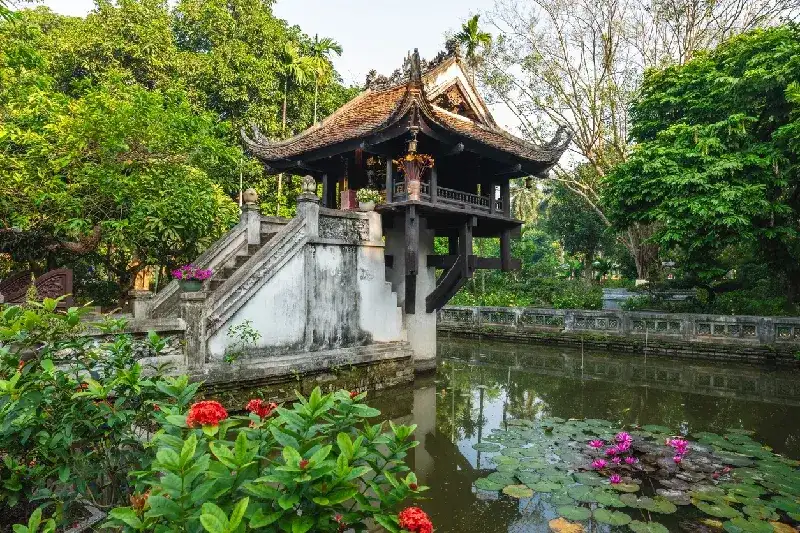
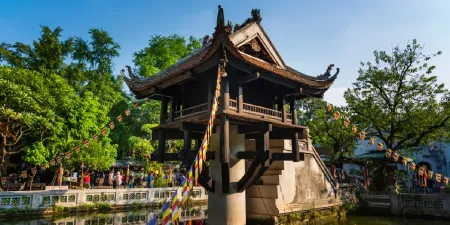
The One Pillar Pagoda — known locally as Chùa Một Cột — is a small Buddhist temple built on a single concrete (originally wooden) pillar that rises from a square lotus pond. The pagoda itself is tiny, roughly four square meters in floor area, but what it lacks in size it more than makes up for in symbolic weight. The entire structure is designed to resemble a lotus flower blooming from the water, a powerful Buddhist symbol representing purity rising from the muddy depths of the material world.
It's honestly one of those places that stops you in your tracks the moment you see it. You round a corner, and there it is: a small, graceful wooden pavilion balanced on what looks like one impossibly slender pillar, surrounded by a calm green pond. It's both unexpected and instantly iconic.
The pagoda's origin story is one of the most beloved tales in Vietnamese history. According to legend, Emperor Ly Thai Tong, who had no heir, dreamed that the Bodhisattva Quan Am (the goddess of mercy and compassion) appeared to him seated on a lotus flower and handed him a baby boy.
Shortly after the dream, the emperor married a peasant woman he encountered near the capital, and she bore him a son. As an act of gratitude, the emperor commissioned the construction of a pagoda in 1049 AD to honor the goddess, deliberately shaping it to resemble the lotus in his dream. This founding myth has given the pagoda a deeply personal and devotional character that still resonates with Vietnamese visitors today.
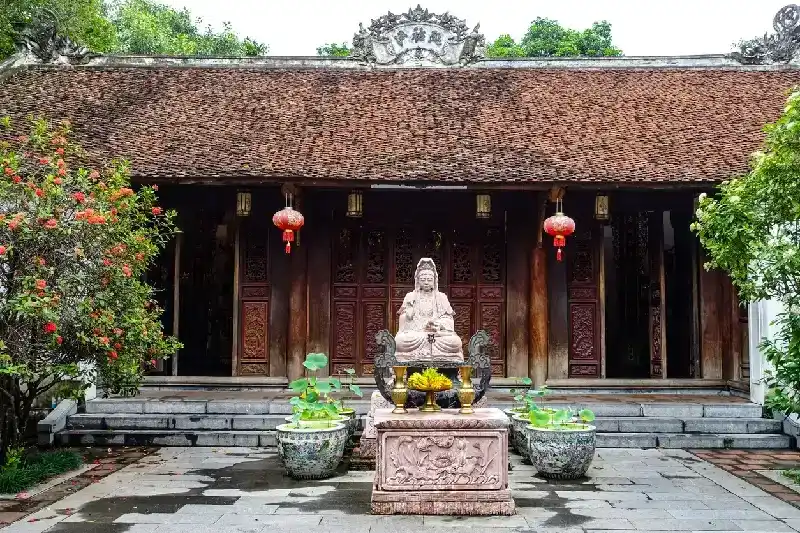
The One Pillar Pagoda was built during the Ly Dynasty (1009–1225), one of the most celebrated eras of Vietnamese history. Buddhism was the state religion during this period, and Hanoi — then known as Thăng Long — was a flourishing capital of art, learning, and temple construction. The pagoda sits within a broader religious complex that also includes Dien Huu Pagoda, and the entire area was a center of royal Buddhist worship for centuries.
The pagoda's history hasn't been entirely peaceful. It has been rebuilt multiple times over the centuries after fires and flooding damage. Most dramatically, in 1954, as French colonial forces were withdrawing from Vietnam following the Battle of Dien Bien Phu, French soldiers destroyed the pagoda before departing Hanoi. The Vietnamese government rebuilt it almost immediately using the original design, and the restored structure is what visitors see today. That act of swift reconstruction is itself a symbol of national pride and cultural determination.
Everything about the One Pillar Pagoda is intentional. The lotus flower is the central metaphor: a plant that grows in muddy water yet produces a beautiful, pristine bloom. In Buddhist philosophy, this represents the human capacity to rise above suffering and desire toward enlightenment. The pagoda's entire form, a small wooden sanctuary hovering above a lotus pond on a single pillar, embodies this idea visually and spiritually.
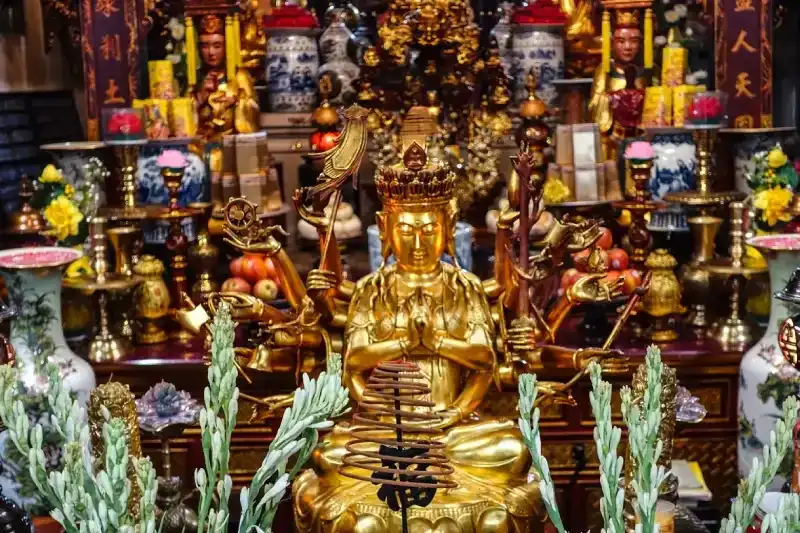
Despite the pagoda's tiny footprint, the interior holds a gilded statue of Quan Am (also called Guanyin in Chinese Buddhism), the Bodhisattva of Compassion. Offerings of flowers, fruit, and incense are placed here by worshippers. The space is intimate and genuinely sacred, it's an active place of worship, not just a tourist site, so visitors are expected to be respectful.
Get in touch with our local experts for an unforgettable journey.
Plan Your Trip
The One Pillar Pagoda isn't just a pretty historical site, it's a living, breathing piece of Vietnamese religious culture. Quan Am, the deity enshrined here, is one of the most widely venerated figures in Vietnamese Buddhism. Worshippers, particularly women hoping for children or families praying for health and happiness, continue to visit regularly, especially during the lunar new year (Tết) and other Buddhist festivals.
The pagoda also holds immense national symbolic importance.
When Vietnamese people think of Hanoi, the One Pillar Pagoda is among the very first images that come to mind. It appears on old banknotes, in poetry, in paintings, and in national tourism campaigns.
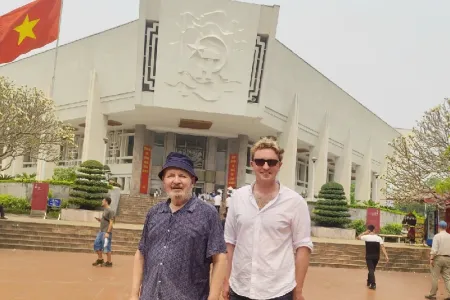
The One Pillar Pagoda is located in the Ba Dinh District of Hanoi, directly adjacent to the Ho Chi Minh Mausoleum Complex on Ong Ich Khiem Street. It's one of the most accessible historical sites in the city.
When you arrive, you'll likely enter through the gate of the broader Dien Huu Pagoda complex. The One Pillar Pagoda is set slightly behind, framed by trees and the surrounding pond. The viewing area is open and relatively compact, so even on busy days you can get a good look and take photos without too much crowding, though mornings are noticeably quieter.
The One Pillar Pagoda is ideally placed for a half-day walking tour of the Ba Dinh area. Nearby highlights include:
Yes. One Pillar Pagoda is one of Vietnam's most iconic religious landmarks, famous for its unique lotus-inspired design, historical significance, and peaceful atmosphere.
The temple is built on a single stone pillar rising from a lotus pond, making it appear like a lotus flower blooming above the water.
Most visitors spend between 20 and 45 minutes exploring the pagoda and its surrounding gardens.
The best time to visit is during autumn (September to November) when Hanoi enjoys cooler temperatures and clear skies. Summer is also popular when the lotus flowers are in bloom.
Yes. Photography is allowed in most outdoor areas, and the lotus pond and unique architecture make it one of Hanoi's most photogenic landmarks.
Modest clothing is recommended. Visitors should cover their shoulders and knees out of respect for the site's religious significance.
Experience Hoan Kiem Lake in Hanoi: stroll the historic paths, admire temples, and enjoy the cultural heartbeat of Vietnam.
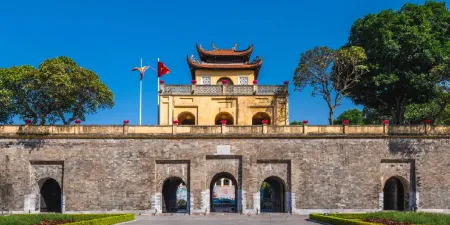
Visit the Imperial Citadel of Thang Long, Hanoi's iconic UNESCO landmark featuring ancient architecture, royal relics, and rich history.
Visit One Pillar Pagoda in Hanoi, a famous Buddhist structure built in 1049, offering rich history and a peaceful cultural experience in Vietnam.
Find the best things to do in Da Nang, from relaxing on sandy beaches to exploring temples, mountains, and vibrant nightlife.
Experience Ba Na Hills in Vietnam with stunning views, the Golden Bridge, Fantasy Park, plus tips on tickets, timing, and key highlights.
Explore Ho Chi Minh Mausoleum in Hanoi, including opening hours, etiquette rules, history, and travel tips for first-time visitors.
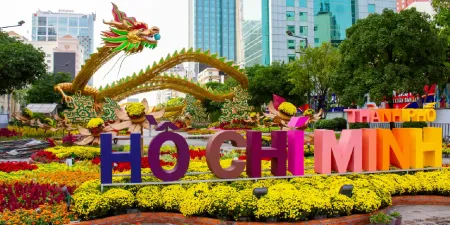
Ho Chi Minh City travel guide: top attractions, local food, and must-see experiences in Vietnam’s largest and most exciting city.
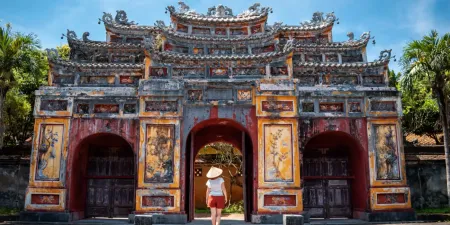
Discover Hue with our complete travel guide, including must-see sights, historic landmarks, and cultural experiences in the former imperial capital.
Visit the Mekong Delta: explore river villages, floating markets, tropical fruits, and unique wildlife in southern Vietnam.
Discover the mesmerizing UNESCO World Heritage site in Vietnam, Ha Long Bay. Boasting thousands of limestone karsts and islets emerging from emerald waters. Explore hidden lagoons, kayak through stunning caves, and cruise among iconic rock formations.
Ninh Binh travel guide: explore Trang An, Tam Coc, Mua Cave, and Hoa Lu with practical tips, best time to visit, and itinerary ideas.
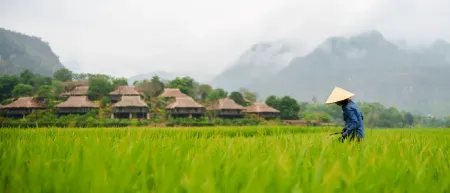
Experience Mai Chau’s green valleys, traditional villages, and mountain views with this complete travel guide from Hanoi.
Visit Hanoi, Vietnam’s heart of culture and history, from Hoan Kiem Lake and Old Quarter to street food and ancient temples.
Pu Luong Nature Reserve travel guide covering weather, things to do, trekking, culture, accommodation, and how to get there.
Discover the enchanting allure of Hoi An, a UNESCO World Heritage Site renowned for its well-preserved ancient architecture and vibrant culture. Lose yourself in the labyrinth of narrow, lantern-lit streets, explore bustling markets, and soak in the tranquil beauty of the Thu Bon River. Experience the perfect blend of tradition and modernity in this captivating Vietnamese city.
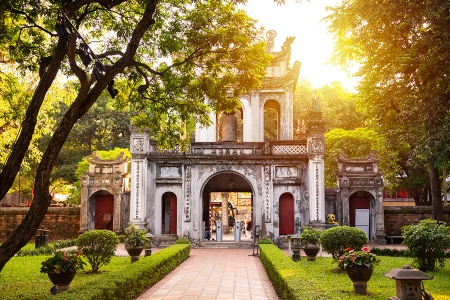
The Temple of Literature in Hanoi stands as one of Vietnam's most cherished historical sites. This ancient complex, dedicated to Confucius and learning, has been a symbol of education and wisdom for nearly a thousand years. As one of the most significant Hanoi landmarks, it offers visitors a glimpse into the rich cultural heritage and intellectual traditions of Vietnam.
Discover how the Viet Cong utilized these tunnels for survival, communication, and military operations. Learn about the challenges faced by those who lived and fought within the tunnels, and witness firsthand the ingenuity and resilience of the Vietnamese people. Explore the intricate network of underground tunnels that played a crucial role in the Vietnam War.