Hoan Kiem Lake: The Heart and Soul of Hanoi

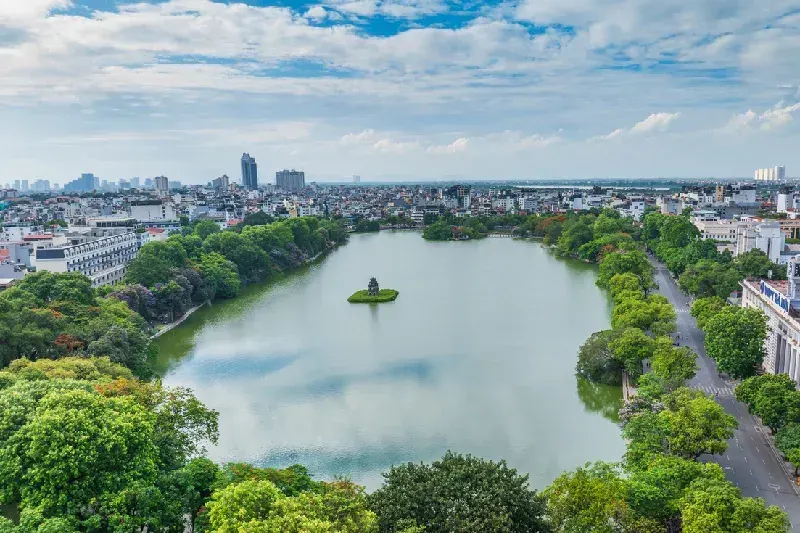
If you've ever visited Hanoi, you already know that Hoan Kiem Lake isn't just a lake, it's the city's heartbeat. Sitting right in the middle of the Old Quarter, this shimmering emerald body of water has been drawing people in for centuries, and it doesn't look like it plans to stop anytime soon. Whether you're a local doing your morning tai chi or a first-time visitor stumbling out of a nearby café, the lake has this quiet magnetism that pulls everyone toward its shores.
But Hoan Kiem is much more than a pretty backdrop for selfies. It's a place soaked in mythology, history, and everyday Vietnamese life, all layered on top of each other in the most beautiful and chaotic way. Let's unpack it all.
The name "Hoan Kiem" literally translates to "Lake of the Returned Sword," and the story behind that name is one of Vietnam's most beloved legends. According to the tale, in the early 15th century, a fisherman named Le Loi found a magical sword in the lake. He used that sword to lead a decade-long resistance against Chinese Ming dynasty occupation, and he won.
After being crowned emperor, Le Loi was out boating on the lake one day when a giant golden turtle (Kim Qui) surfaced and reclaimed the sword on behalf of the Dragon King, who had originally lent it for the liberation effort. The turtle dove back into the depths, taking the sword with it, and the lake received its name in honor of this divine transaction.
It sounds like a fairy tale, but for the Vietnamese people, this legend carries enormous cultural weight. It's a story about sovereignty, gratitude, and the sacred bond between the land and its people.
Here's the wild part, for centuries, enormous softshell turtles (the Yangtze giant softshell turtle, Rafetus swinhoei) have actually been spotted in Hoan Kiem Lake, giving the legend a spine-tingling dose of reality. Locals called this turtle "Cu Rua," meaning "Great-Grandfather Turtle," and treated sightings as deeply auspicious omens.
The last known Hoan Kiem turtle passed away in 2016, a loss that was mourned nationally. Today, the preserved specimen is on display at the Ngoc Son Temple on the lake's island, serving as a bittersweet reminder of this incredible creature.
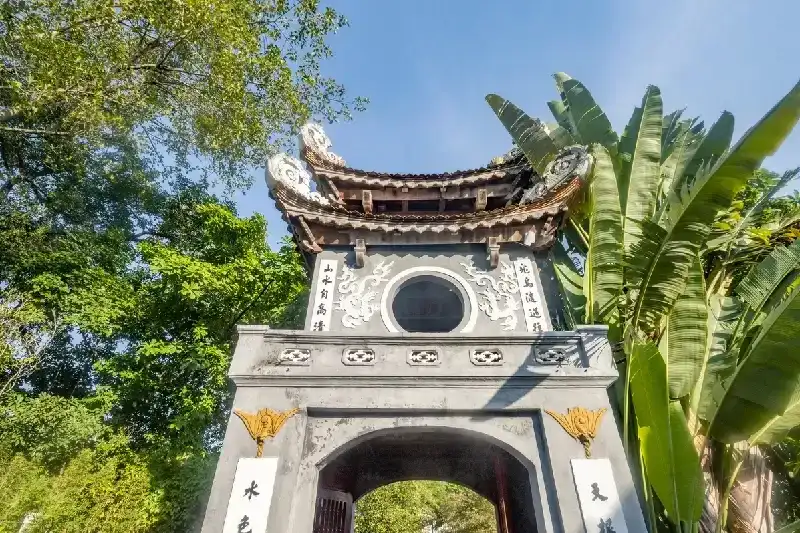
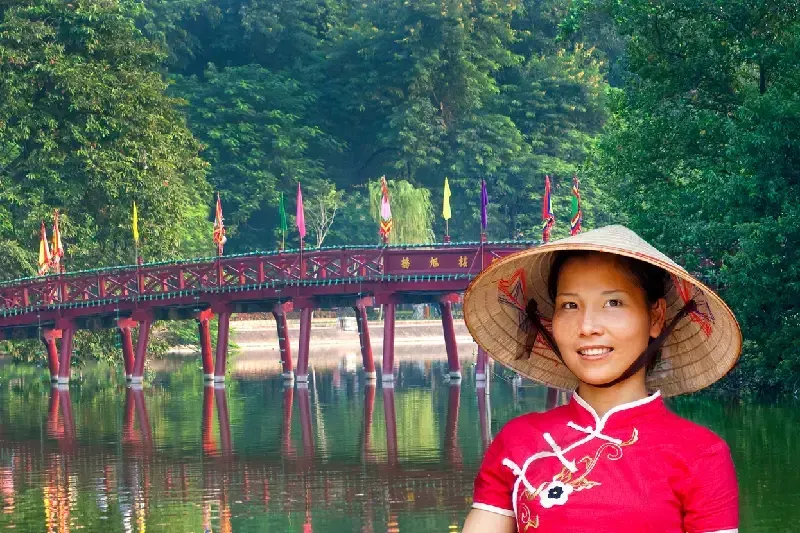
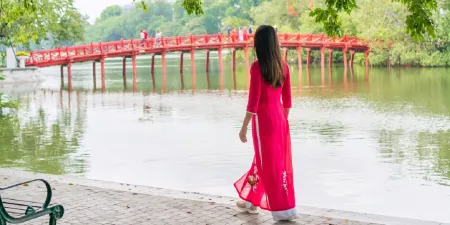
Right at the heart of the lake sits a small island, and on that island sits Ngoc Son Temple (Temple of the Jade Mountain). You access it via the iconic red Huc Bridge, a wooden arch bridge painted in a striking vermillion red that you've almost certainly seen in photos of Hanoi.
The temple itself dates back to the 18th century and is dedicated to General Tran Hung Dao, a national hero who repelled Mongol invasions in the 13th century, as well as the scholar Van Xuong and the physician La To. Inside, you'll find incense-filled chambers, offerings, and most memorably, the preserved body of the last great turtle of Hoan Kiem.
Visiting the temple is a genuinely moving experience, especially in the early morning when the mist sits low over the water and the crowds haven't arrived yet. If you're planning Vietnam tours, make sure this is on your must-see list.
Get in touch with our local experts for an unforgettable journey.
Plan Your Trip
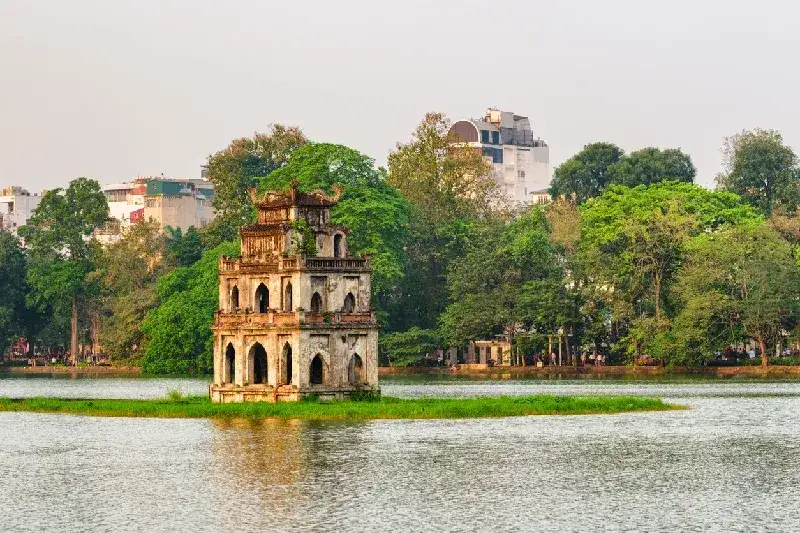
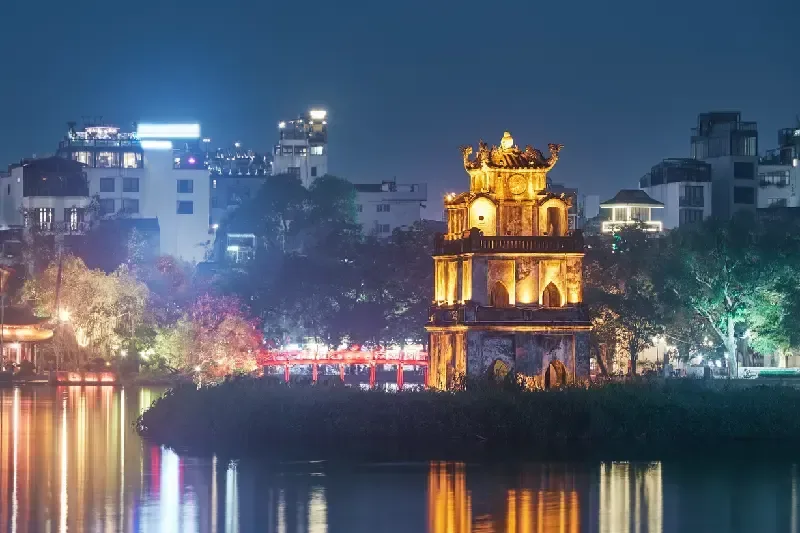
On a smaller island in the southern part of the lake stands Thap Rua, or Tortoise Tower, a petite stone tower that's become one of the most recognized silhouettes among Vietnam attractions. It was built in the early 19th century and, depending on who you ask, may have originally served as a flagpole or simply as a decorative monument. Either way, it photographs beautifully, especially at golden hour when the tower's reflection shimmers in the water.
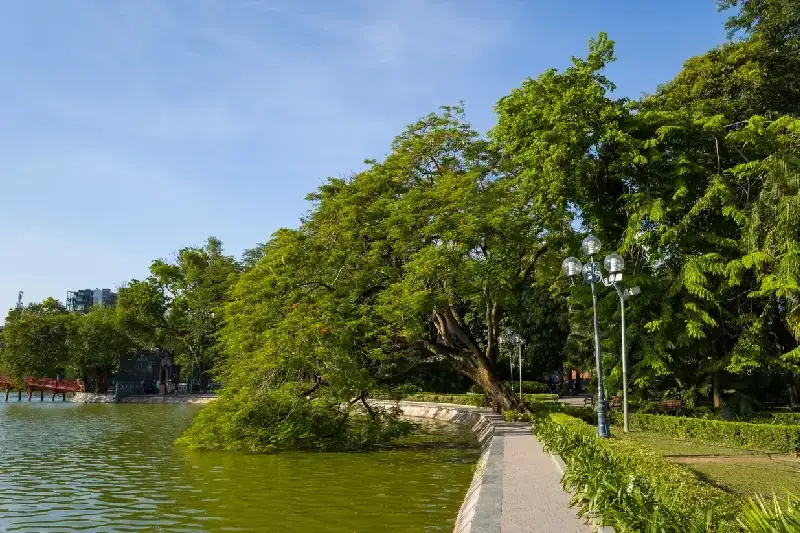
Perhaps the most underrated thing about Hoan Kiem Lake is simply walking around it. The perimeter path is about 1.8 kilometers, lined with willows, lotus flowers, and old French colonial buildings. In the mornings, you'll find locals doing everything from badminton and aerobics to practicing sword dancing and singing traditional ca tru music. On weekday evenings, couples stroll hand-in-hand while street vendors sell bánh mì and roasted corn.
On weekends, the streets surrounding the lake are completely pedestrianized, turning the entire area into a massive open-air gathering. Street performers, food stalls, and local families pour in. It's one of those rare public spaces that truly belongs to everyone.
Hoan Kiem Lake wasn't always the democratic space it is today. Historically, the area around the lake was closely tied to imperial power; it was part of the broader Thang Long citadel complex, the ancient capital of Vietnam. The Ly dynasty, which founded Hanoi (then called Thang Long) in 1010, recognized the lake's central importance and built nearby temples and palaces accordingly.
As the city grew and changed hands through various dynasties — Tran, Le, Nguyen, the lake's surroundings evolved, but its spiritual importance never wavered. By the French colonial period (late 19th to mid-20th century), the lakeside began to take on the blend of Vietnamese and French architecture that still defines it today, with wide boulevards, café terraces, and art deco facades layered alongside ancient pagodas.
During Vietnam's turbulent 20th century, the revolution, the American War, reunification, Hoan Kiem Lake remained a constant. Political rallies, war memorial ceremonies, Tet celebrations, major moments in Vietnamese national life have unfolded against this backdrop. To this day, large public gatherings and New Year countdowns happen around the lake, making it a living civic space rather than just a historical artifact.
Hoan Kiem Lake is located in the Hoan Kiem district of central Hanoi, right at the northern edge of the Old Quarter. You genuinely cannot miss it, it's the first landmark most visitors encounter when they venture out from their hotels in the Old Quarter. Taxis, ride-hailing apps like Grab, and cyclos (traditional bicycle taxis) can all get you there easily. From most hotels in the Old Quarter, it's also a walkable distance.
The lake is open around the clock and free to walk around, but timing really does matter here. Early mornings (around 5:30–7:00 AM) are magical, locals are out exercising, the air is cool, and the light is gorgeous. If you want to catch the temple without crowds, aim for a weekday morning.
Weekends transform the area from late afternoon onward when the pedestrian zone kicks in, which is a completely different (and very festive) experience. Avoid midday in summer (May–September), as Hanoi gets intensely hot and humid.
Ngoc Son Temple is open daily from about 8:00 AM to 6:00 PM, and admission is very affordable.
The Old Quarter surrounding Hoan Kiem Lake is one of Vietnam's greatest eating destinations. Within a five-minute walk of the lake you can find bun cha (grilled pork noodle soup), pho bo (beef noodle soup), cha ca (turmeric fish), banh cuon (steamed rice rolls), and egg coffee, Hanoi's signature invention and a must-try. Kem Trang Tien, just off the lake, is a legendary ice cream spot that locals have been visiting for decades.
Hoan Kiem Lake and the Old Quarter are inseparable, you really should explore both together. The 36 ancient guild streets of the Old Quarter fan out from the northern shore of the lake and offer an extraordinary sensory experience. Each street historically specialized in a different trade (Hang Bac for silver, Hang Gai for silk, Hang Ma for paper offerings), and while that's changed a lot, the character and density of those streets remain unlike anywhere else in Vietnam.
It sounds like a minor thing, but watching Hanoians do their morning exercises around the lake is genuinely delightful and a reminder that this is a real, lived-in city, not just a museum. You're welcome to join in. People are friendly, and the vibe is inclusive.
The lake looks different at every hour of the day. Sunrise gives you mist and golden light; sunset turns everything amber and purple. The Huc Bridge is particularly photogenic at both ends of the day. If photography matters to you, budget time for at least one sunrise visit.
Hoan Kiem Lake is the kind of place that reminds you why travel matters, it's not just a tourist attraction, it's a window into a city's soul. Whether you spend twenty minutes walking the promenade or an entire morning exploring the temple and soaking up the atmosphere, you'll leave with a much deeper understanding of Hanoi and Vietnam as a whole.
If you're ready to experience it for yourself, a well-planned itinerary will get you to Hoan Kiem at the right time of day, with enough context to appreciate what you're seeing, not just the beautiful surface, but the centuries of history and legend beneath it. Explore our curated Vietnam tours across Southeast Asia!
Hoan Kiem Lake is the heart of Hanoi, both culturally and historically. It’s famous for its peaceful waters, the iconic red Huc Bridge, Ngoc Son Temple, and the legendary story of the returned sword. Locals gather here for morning exercises, weekend strolls, and festivals, making it feel alive and authentic.
Yes! You can cross the red Huc Bridge to reach the temple. It’s small but full of history, with incense-filled halls and fascinating stories about General Tran Hung Dao and the legendary giant turtle. Early morning is the best time to visit before the crowds arrive.
Thap Rua is a small stone tower on the southern part of the lake. It’s one of Vietnam’s most recognizable landmarks and makes a perfect photo, especially at sunset when its reflection shimmers on the water. It was built in the early 19th century and may have originally served as a decorative monument or flag tower.
The lakeside promenade is perfect for a stroll. You can watch locals practicing tai chi or ca tru music in the morning, enjoy street food, or relax on benches under willow trees. On weekends, the area becomes pedestrian-only with street performers and local markets—it’s a great way to feel the city’s rhythm.
You’ll love this part of Hanoi. The lake is famous for the legend of the magical sword returned to the Golden Turtle God. When you’re there, you can imagine the stories coming to life, especially near Thap Rua and the temple. It’s a small detail, but it makes your visit feel truly magical.
Experience Hoan Kiem Lake in Hanoi: stroll the historic paths, admire temples, and enjoy the cultural heartbeat of Vietnam.
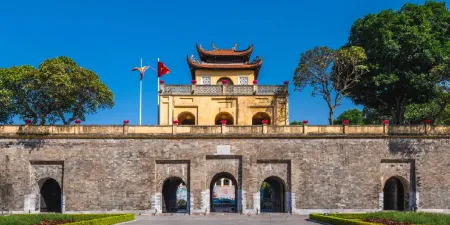
Visit the Imperial Citadel of Thang Long, Hanoi's iconic UNESCO landmark featuring ancient architecture, royal relics, and rich history.
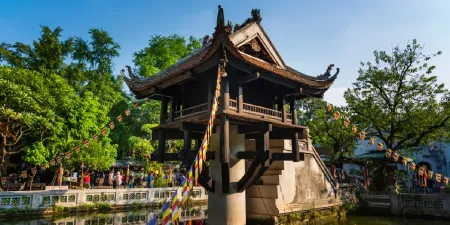
Visit One Pillar Pagoda in Hanoi, a famous Buddhist structure built in 1049, offering rich history and a peaceful cultural experience in Vietnam.
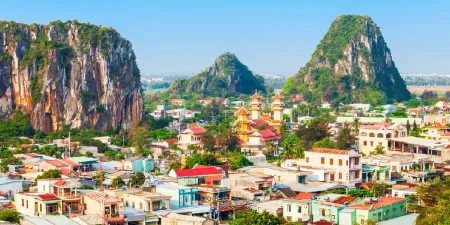
Find the best things to do in Da Nang, from relaxing on sandy beaches to exploring temples, mountains, and vibrant nightlife.
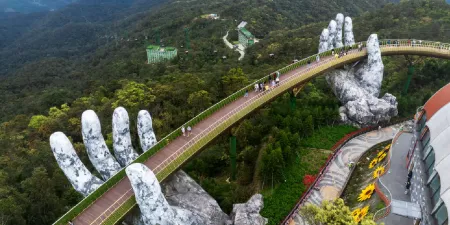
Experience Ba Na Hills in Vietnam with stunning views, the Golden Bridge, Fantasy Park, plus tips on tickets, timing, and key highlights.
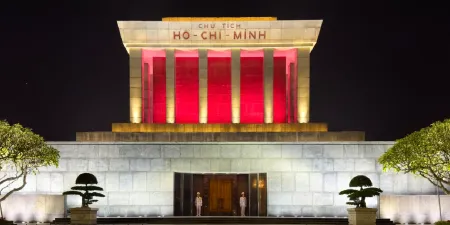
Explore Ho Chi Minh Mausoleum in Hanoi, including opening hours, etiquette rules, history, and travel tips for first-time visitors.
Ho Chi Minh City travel guide: top attractions, local food, and must-see experiences in Vietnam’s largest and most exciting city.
Discover Hue with our complete travel guide, including must-see sights, historic landmarks, and cultural experiences in the former imperial capital.
Visit the Mekong Delta: explore river villages, floating markets, tropical fruits, and unique wildlife in southern Vietnam.
Discover the mesmerizing UNESCO World Heritage site in Vietnam, Ha Long Bay. Boasting thousands of limestone karsts and islets emerging from emerald waters. Explore hidden lagoons, kayak through stunning caves, and cruise among iconic rock formations.
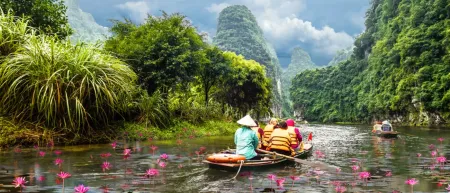
Ninh Binh travel guide: explore Trang An, Tam Coc, Mua Cave, and Hoa Lu with practical tips, best time to visit, and itinerary ideas.
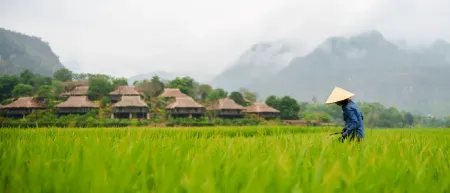
Experience Mai Chau’s green valleys, traditional villages, and mountain views with this complete travel guide from Hanoi.
Visit Hanoi, Vietnam’s heart of culture and history, from Hoan Kiem Lake and Old Quarter to street food and ancient temples.
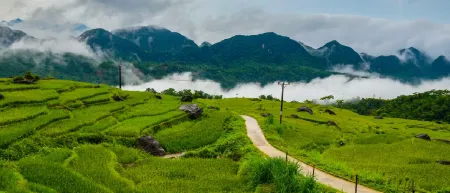
Pu Luong Nature Reserve travel guide covering weather, things to do, trekking, culture, accommodation, and how to get there.
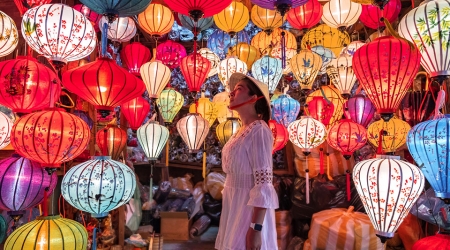
Discover the enchanting allure of Hoi An, a UNESCO World Heritage Site renowned for its well-preserved ancient architecture and vibrant culture. Lose yourself in the labyrinth of narrow, lantern-lit streets, explore bustling markets, and soak in the tranquil beauty of the Thu Bon River. Experience the perfect blend of tradition and modernity in this captivating Vietnamese city.
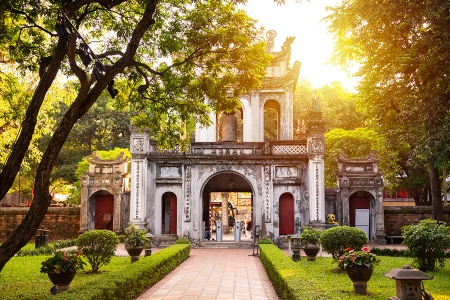
The Temple of Literature in Hanoi stands as one of Vietnam's most cherished historical sites. This ancient complex, dedicated to Confucius and learning, has been a symbol of education and wisdom for nearly a thousand years. As one of the most significant Hanoi landmarks, it offers visitors a glimpse into the rich cultural heritage and intellectual traditions of Vietnam.
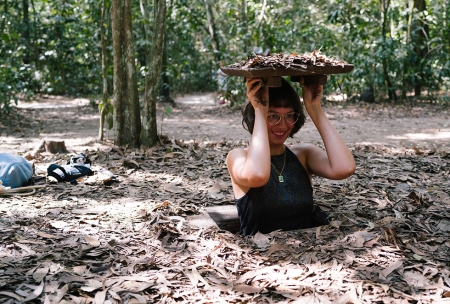
Discover how the Viet Cong utilized these tunnels for survival, communication, and military operations. Learn about the challenges faced by those who lived and fought within the tunnels, and witness firsthand the ingenuity and resilience of the Vietnamese people. Explore the intricate network of underground tunnels that played a crucial role in the Vietnam War.