Mekong Delta Vietnam: What to See & Do

The Mekong Delta is one of those places that genuinely feels like nowhere else on earth. Spread across the southwestern tip of Vietnam it's a vast, flat patchwork of rivers, rice paddies, fruit orchards, and floating markets, all threaded together by one of the world's great river systems. Locals call it Đồng Bằng Sông Cửu Long, which translates loosely to "Nine Dragon River Delta," a nod to the nine main tributaries that fan out from the Mekong as it empties into the South China Sea. It's loud, lush, and a little chaotic, and it's absolutely worth your time.
The delta is essentially the floodplain of the lower Mekong River, which originates in Tibet and travels some 4,900 km before reaching Vietnam. By the time it gets here, it's split into two main branches, the Mekong and the Bassac, which then fracture further into an almost impossibly complex network of canals, streams, and waterways.
The delta produces about half of Vietnam's rice and a huge proportion of its seafood and tropical fruit. In many ways, it feeds the whole country.
The delta is very accessible from Ho Chi Minh City (Saigon), which is only about 80–170 km north depending on your destination.
Once you're in the delta, roads are fine in the main towns, but the real way to get around is by water.
Get in touch with our local experts for an unforgettable journey.
Plan Your Trip
Can Tho is the biggest city in the delta and makes a natural base. It has a decent range of hotels, good restaurants, and easy access to the floating markets.
Just 70 km from Ho Chi Minh City, My Tho is the most popular spot for day-trippers. It's not the most authentic corner of the delta, but the river scenery is gorgeous.
Ben Tre is famous for its coconut groves and is quieter than My Tho, which makes it a better choice if you want something more off-the-beaten-path.
Near the Cambodian border, Chau Doc has a distinctly multicultural feel, Vietnamese, Khmer, Cham, and Chinese communities all coexist here.
At the western edge of the delta, Ha Tien sits right on the Gulf of Thailand. It's a jumping-off point for Phu Quoc Island but is worth a slow day in its own right.
The Mekong Delta isn’t just rivers and markets, it’s a vital wetland ecosystem shaped by floods, tides, and shifting sediment.
Tram Chim National Park: A key bird sanctuary with flooded grasslands and melaleuca forests. Flood season (Sep–Dec) brings migratory birds, including the rare Sarus crane.
U Minh Thuong National Park: One of the delta’s last peat swamp forests. Elevated walkways reveal waterbirds, reptiles, and small mammals in a largely untouched habitat.
Migratory Birds & Flood Season: July–Nov floods attract herons, egrets, storks, and fish, a “beautiful flood” of renewal.
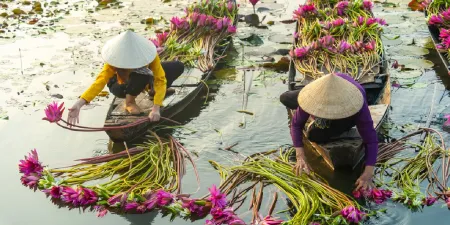
The floating markets are the delta's most iconic image, and they're genuinely worth the early alarm. Trading happens boat-to-boat, with vendors hanging samples of their goods from long poles above their boats, a system called cay beo, so buyers know what's on offer from a distance.
The delta has its own food culture that's distinct from the rest of Vietnam. Freshwater fish, crab, and shrimp feature heavily, and tropical fruit is everywhere.
The fruit markets are staggering, dragon fruit, rambutan, longan, mangosteen, durian, jackfruit. Trying everything you don't recognise is a solid travel strategy here.
The delta has a rich cultural mix that sets it apart from the rest of Vietnam.
A few things that'll make your trip a lot smoother:
It's worth knowing that the Mekong Delta is one of the regions most at risk from climate change in Southeast Asia.
This doesn't mean you shouldn't go, if anything, it's a reason to go sooner rather than later, while the delta is still in the extraordinary shape it's in today.
The Mekong Delta rewards slow travel. A rushed day trip from Saigon will show you the surface, the floating market, a boat ride, and a coconut candy stall. But two or three days lets you get into the quieter channels, cycle through villages, eat breakfast with locals, and actually feel the rhythm of life here. Explore our curated Vietnam tours across Southeast Asia!
You’ll discover a maze of rivers, floating markets, lush rice paddies, and vibrant local culture unlike anywhere else in Vietnam.
The early morning is ideal, between 5–9 a.m. You’ll catch the busiest, most colorful action on the boats before it winds down.
Yes. Tràm Chim and U Minh Thượng National Parks let you spot rare birds, waterfowl, and reptiles amid peaceful wetlands.
Travel by sampan or motorboat, cycle through villages, and try local foods, this way, you’ll truly experience life on the waterways.
Tết (Vietnamese New Year), Óc Om Bóc (Khmer moon festival), and the Cham Kate Festival are lively times when the delta comes alive.
Absolutely. You’ll explore tidal forests by boat or raised walkways and see fish nurseries, crabs, and a unique coastal ecosystem.
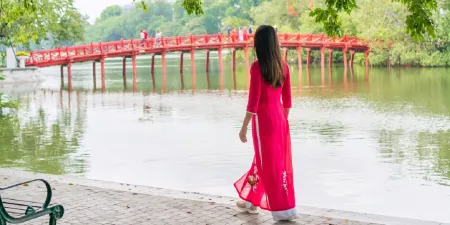
Experience Hoan Kiem Lake in Hanoi: stroll the historic paths, admire temples, and enjoy the cultural heartbeat of Vietnam.
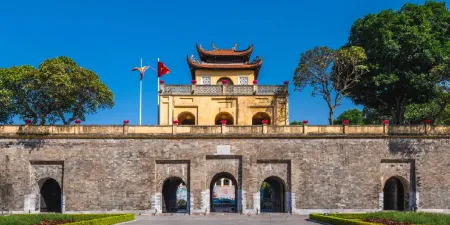
Visit the Imperial Citadel of Thang Long, Hanoi's iconic UNESCO landmark featuring ancient architecture, royal relics, and rich history.
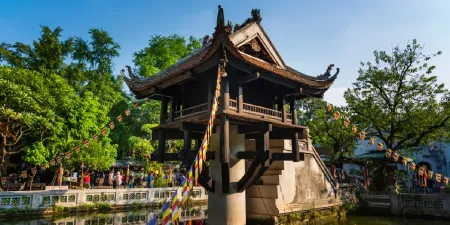
Visit One Pillar Pagoda in Hanoi, a famous Buddhist structure built in 1049, offering rich history and a peaceful cultural experience in Vietnam.
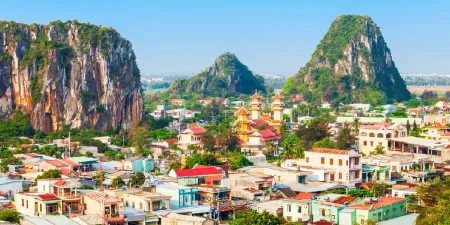
Find the best things to do in Da Nang, from relaxing on sandy beaches to exploring temples, mountains, and vibrant nightlife.
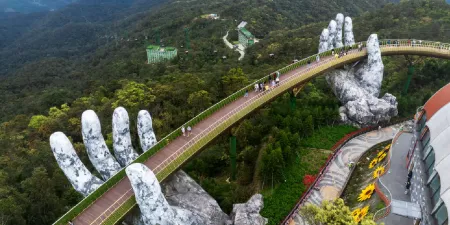
Experience Ba Na Hills in Vietnam with stunning views, the Golden Bridge, Fantasy Park, plus tips on tickets, timing, and key highlights.
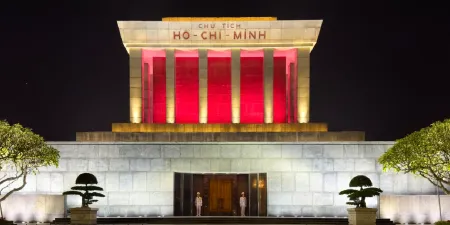
Explore Ho Chi Minh Mausoleum in Hanoi, including opening hours, etiquette rules, history, and travel tips for first-time visitors.
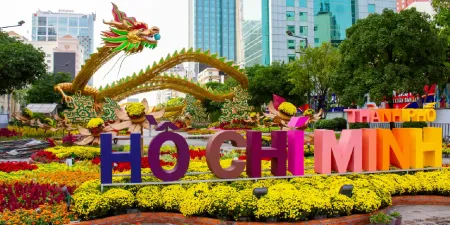
Ho Chi Minh City travel guide: top attractions, local food, and must-see experiences in Vietnam’s largest and most exciting city.
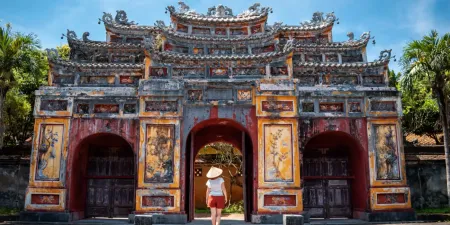
Discover Hue with our complete travel guide, including must-see sights, historic landmarks, and cultural experiences in the former imperial capital.
Visit the Mekong Delta: explore river villages, floating markets, tropical fruits, and unique wildlife in southern Vietnam.
Discover the mesmerizing UNESCO World Heritage site in Vietnam, Ha Long Bay. Boasting thousands of limestone karsts and islets emerging from emerald waters. Explore hidden lagoons, kayak through stunning caves, and cruise among iconic rock formations.
Ninh Binh travel guide: explore Trang An, Tam Coc, Mua Cave, and Hoa Lu with practical tips, best time to visit, and itinerary ideas.
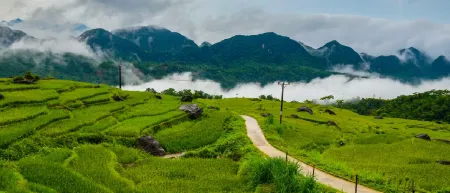
Experience Mai Chau’s green valleys, traditional villages, and mountain views with this complete travel guide from Hanoi.
Visit Hanoi, Vietnam’s heart of culture and history, from Hoan Kiem Lake and Old Quarter to street food and ancient temples.
Pu Luong Nature Reserve travel guide covering weather, things to do, trekking, culture, accommodation, and how to get there.
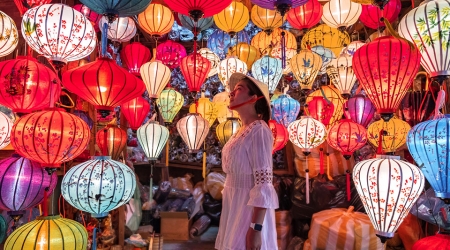
Discover the enchanting allure of Hoi An, a UNESCO World Heritage Site renowned for its well-preserved ancient architecture and vibrant culture. Lose yourself in the labyrinth of narrow, lantern-lit streets, explore bustling markets, and soak in the tranquil beauty of the Thu Bon River. Experience the perfect blend of tradition and modernity in this captivating Vietnamese city.
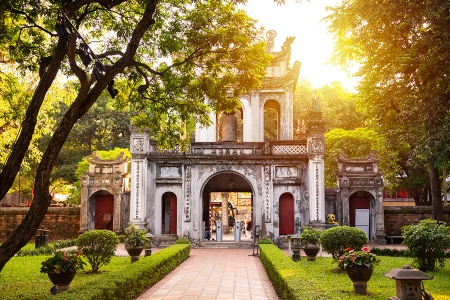
The Temple of Literature in Hanoi stands as one of Vietnam's most cherished historical sites. This ancient complex, dedicated to Confucius and learning, has been a symbol of education and wisdom for nearly a thousand years. As one of the most significant Hanoi landmarks, it offers visitors a glimpse into the rich cultural heritage and intellectual traditions of Vietnam.
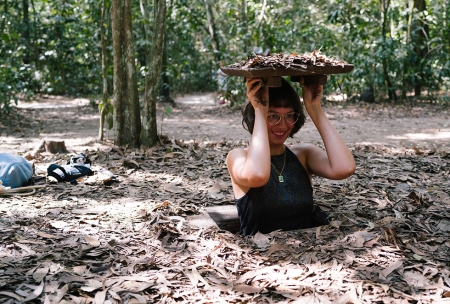
Discover how the Viet Cong utilized these tunnels for survival, communication, and military operations. Learn about the challenges faced by those who lived and fought within the tunnels, and witness firsthand the ingenuity and resilience of the Vietnamese people. Explore the intricate network of underground tunnels that played a crucial role in the Vietnam War.