Things to Do in Ho Chi Minh City
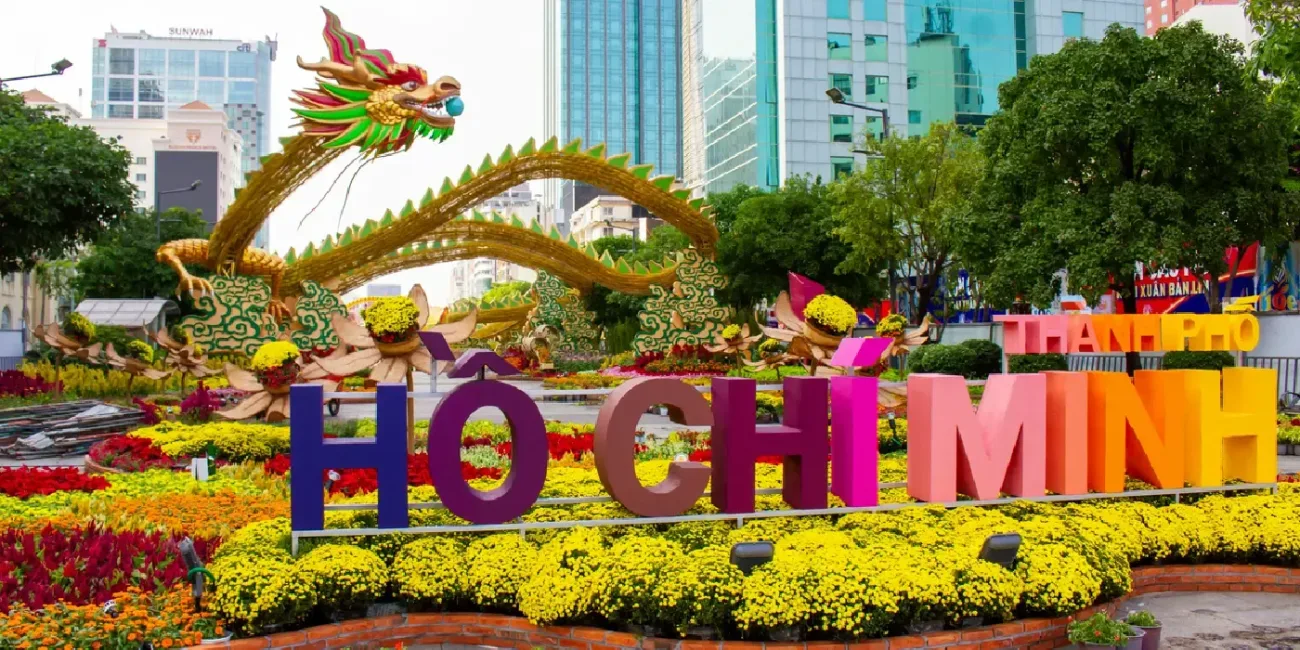
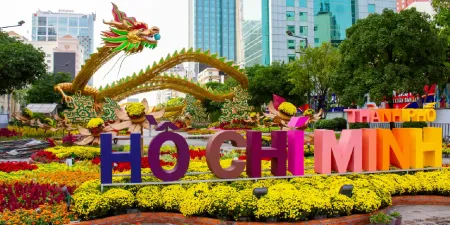
Honestly? It's a lot. In the best possible way. Ho Chi Minh City, still called Saigon by pretty much everyone who lives there, is Vietnam's biggest, loudest, most energetic city. Known for its vibrant street life, historic landmarks, and diverse culinary scene, Ho Chi Minh City offers a unique blend of old and new.
The heat is real. The noise is real. Motorbikes come at you from every direction. This is a city that doesn't slow down for you. But once you match its pace, you never want to leave.
The city has two names because it's been through two lifetimes. Locals call it Saigon in casual conversation, that name carries decades of French cafés, American GIs, and the complicated history that shaped everything. The official name, Ho Chi Minh City, came in 1976 after the country was reunified.
Walking around today, you feel both versions at once. A crumbling French colonial building next to a glass skyscraper. A communist party banner above a designer boutique. That tension isn't uncomfortable, it's fascinating.
Ho Chi Minh City sits in the deep south of Vietnam, flat, river delta country, about 50 km from the sea. It's roughly 1,700 km from Hanoi, and the two cities couldn't feel more different. Where Hanoi feels ancient and reserved, Saigon is open, fast, and in a permanent hurry to get somewhere.
Ho Chi Minh City is a tropical city with two seasons, and zero ambiguity between them. The dry season runs from November to April, and the wet season covers May through October.
December through February offers the most comfortable temperatures, reliable sunshine, and the best conditions for day trips to the Mekong Delta and Cu Chi Tunnels.
Most visitors start in District 1, and honestly, it's a great starting point. But if you stay there the whole time, you'll miss what makes this city actually interesting.
This is the tourist heart: Ben Thanh Market, Notre-Dame Cathedral, the big museums, the rooftop bars. It's busy, it's a little chaotic, and it's undeniably exciting. The backpacker strip on Bui Vien Street is neon-lit insanity that you should experience at least once, even if it's not your scene.
Get in touch with our local experts for an unforgettable journey.
Plan Your Trip
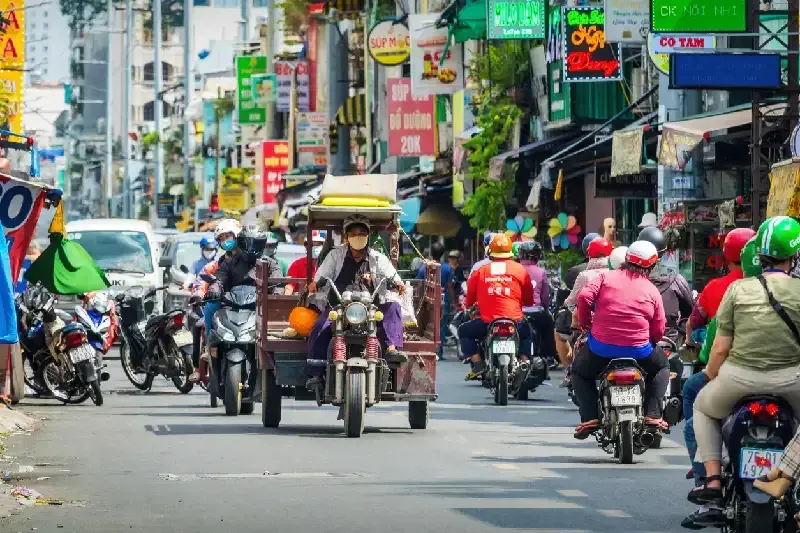
There are somewhere around 7–8 million motorbikes in Ho Chi Minh City, and it can feel like they're all moving at once. Crossing the street is the first challenge every visitor faces. The secret, and this sounds insane until you try it, is to walk slowly and steadily and just let the traffic flow around you. It works. Every time.
The morning experience "By 6am, breakfast pho is already simmering on street corners. The city is wide awake before most people back home have opened their eyes. Get out early, the light is golden, the streets are alive, and the cơm tấm stalls are at their absolute best."
The pace of life here runs on extremes. Early mornings are incredible, cool air, markets in full swing, street food at its freshest. The afternoon heat slows things down. And then evenings bring the city back to life in a completely different way: families eating outside on plastic stools, bia hoi stalls humming with conversation, and the whole city doing what it does best, living out loud.
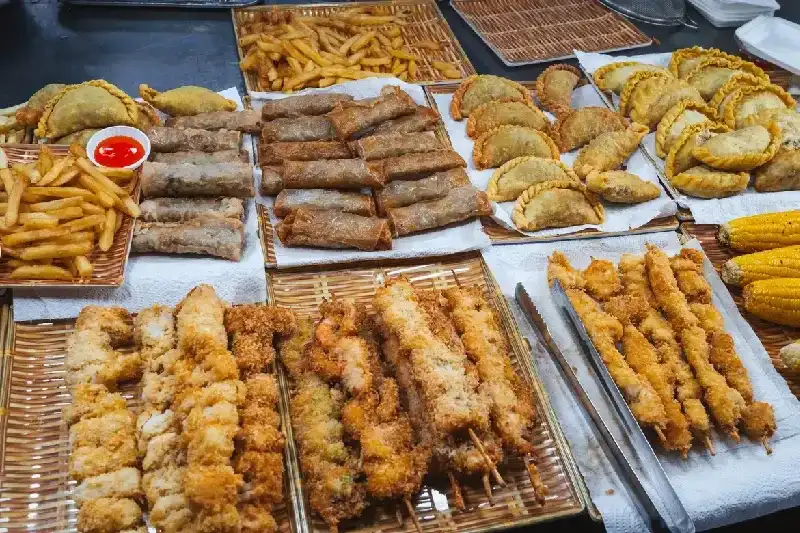
This might genuinely be one of the finest street food cities on earth. That's not hype, it's a real thing that people who've eaten their way through Southeast Asia will tell you without hesitation.
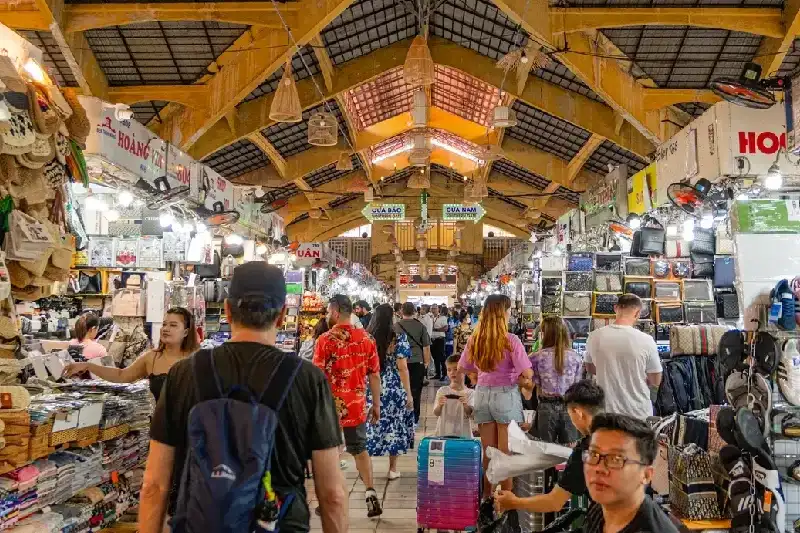
The symbolic center of old Saigon, and completely worth the visit even if you know it's touristy. By day it's a sensory overload of food, fabric, and spices. By night the surrounding streets transform into an outdoor food market with dozens of stalls and locals actually eating there too. Bargaining is expected and part of the fun.
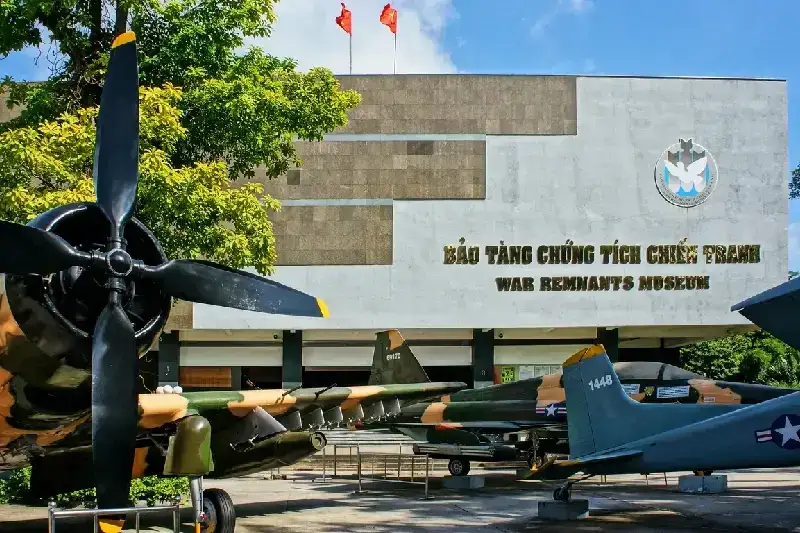
Confronting, important, and absolutely unforgettable. This museum documents the Vietnam War from the Vietnamese perspective, with powerful photography that doesn't look away from anything. It's difficult to get through. It's essential. Don't skip it because it feels heavy, that's exactly why you should go.
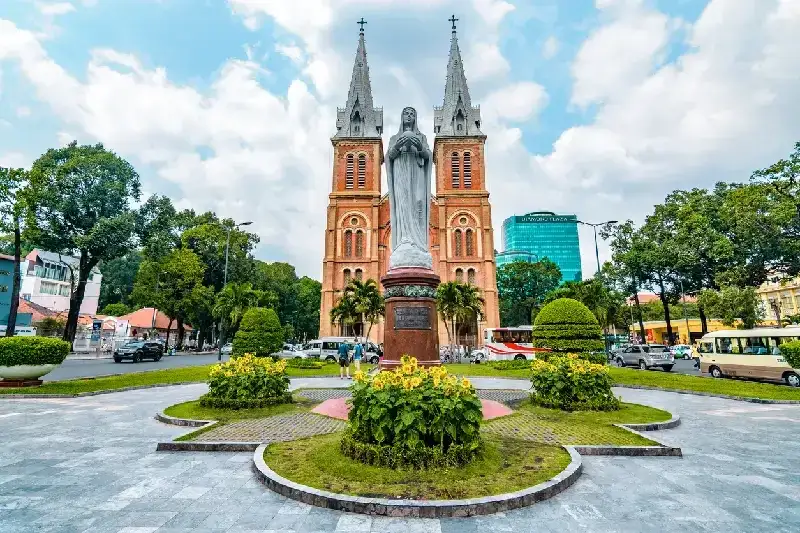
Two colonial-era buildings sitting side by side in the city center. The cathedral is gorgeous, all salmon-pink brick shipped from France in the 1800s. The post office next door, designed by Gustave Eiffel's firm, is still a working post office and one of the most beautiful interiors in Vietnam. You can send a postcard from inside it. Do that.
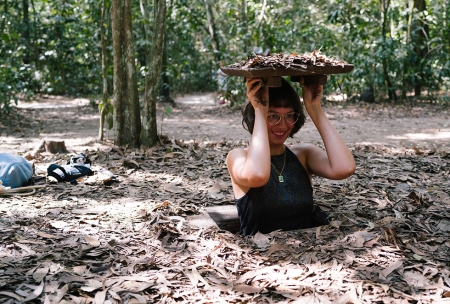
About 70 km from the city, the Cu Chi tunnel network is one of the most remarkable things you'll ever see: 250 km of underground passages, built by hand, used by Viet Cong fighters during the war. You can crawl through a section yourself. It's claustrophobic and extraordinary and puts everything else you've seen in context. Half a day. Completely worth it.
Ho Chi Minh City genuinely does not stop. The city after dark is a completely different animal, neon-lit, loud, warm, and buzzing with the kind of social energy that makes you realize you've been somewhere special.
Download Grab before you land. That's genuinely the most important thing you can do. It works like Uber but covers both cars and motorbike taxis, prices are shown upfront, and there's zero haggling involved. It's cheap, reliable, and everywhere.
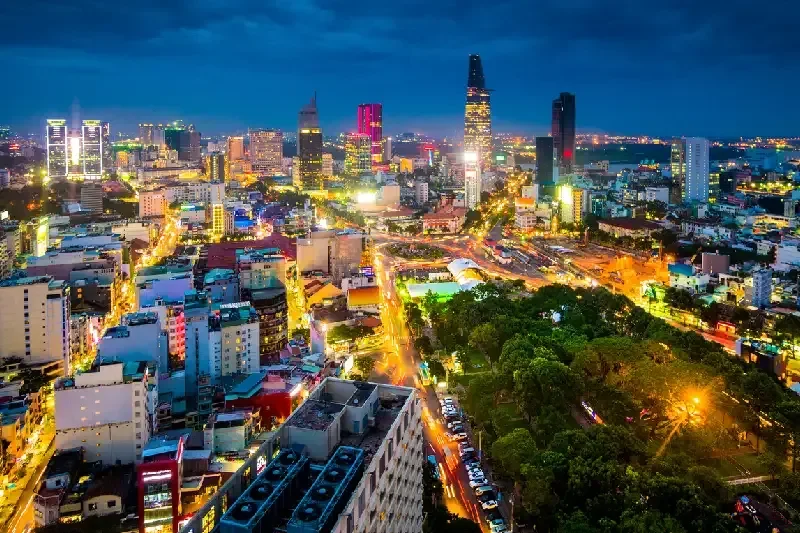
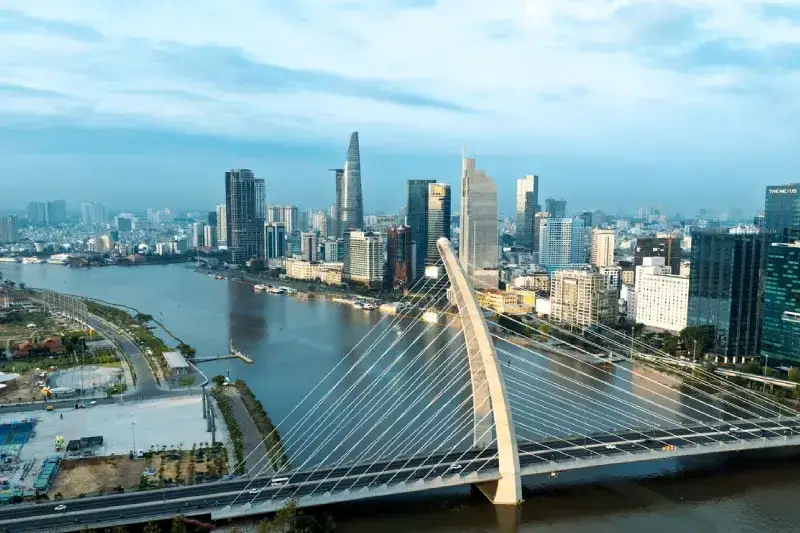
The skyline tells the whole story. Standing in any elevated spot in District 1, you can see the spire of Notre-Dame Cathedral framed against the glass towers of Bitexco Financial Center and the rising skyline of Thu Thiem across the river.
Ho Chi Minh City doesn't seem bothered by the contradiction. Independent art galleries are quietly multiplying across the inner districts. Tech startups, architects, filmmakers, and food innovators are all reshaping what this city can be, at remarkable speed.
Three days is enough to get a solid feel for the city. Five days lets you breathe, explore neighborhoods properly, and do a real day trip.
Arrive, eat com tam for breakfast, walk to Notre-Dame Cathedral and the Central Post Office, visit the War Remnants Museum in the afternoon, and watch the sunset from a rooftop bar.
Ben Thanh Market in the morning, lunch in District 4 (ask locals where they eat), afternoon wander through District 3, Bui Vien Street in the evening to see what it's about.
Cu Chi Tunnels day trip: The most powerful day trip from any city in Southeast Asia. Go with a guide who can give you real historical context, not just a crawl through tunnels. Come back for dinner somewhere with a view.
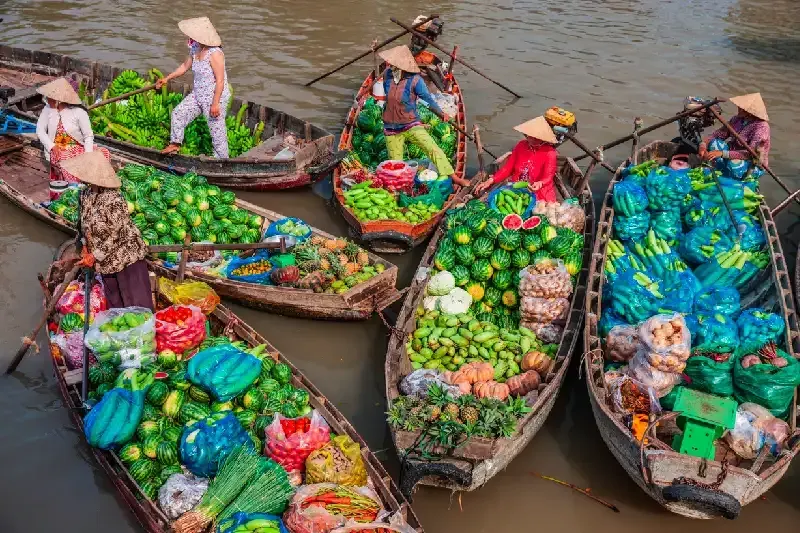
A Mekong Delta day trip is one of Vietnam's genuinely great experiences, floating markets, rice paddies, slow boat rides through the delta. Or stay in the city and go deeper: Chinatown, the Jade Emperor Pagoda, a cooking class, a street food walk with a local guide.
Absolutely. You’ll find a vibrant mix of history, culture, and modern energy. From buzzing street markets to historic landmarks, it’s one of those cities that keeps you constantly engaged.
You’ll enjoy the city most between December and April when the weather is drier and more comfortable for exploring. Even during the rainy season, showers are usually short and won’t ruin your plans.
Yes, it’s generally safe. You just need to stay aware of your surroundings, especially in crowded areas, and watch out for minor issues like pickpocketing, just like in any big city.
You can see the main highlights in 2–3 days, but staying longer gives you time to enjoy the food scene, nightlife, and nearby experiences like day trips.
You shouldn’t miss the local street food, key attractions, and the city’s unique energy. Make time for markets, historical sites, and simply walking around to soak in the atmosphere.
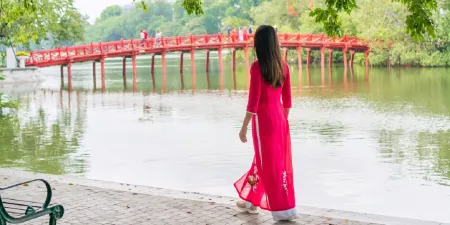
Experience Hoan Kiem Lake in Hanoi: stroll the historic paths, admire temples, and enjoy the cultural heartbeat of Vietnam.
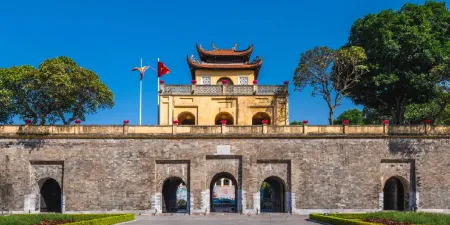
Visit the Imperial Citadel of Thang Long, Hanoi's iconic UNESCO landmark featuring ancient architecture, royal relics, and rich history.
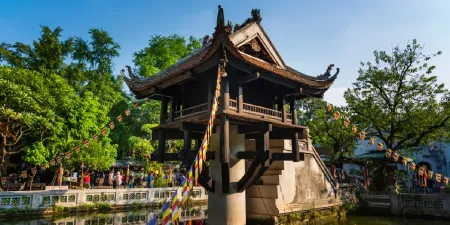
Visit One Pillar Pagoda in Hanoi, a famous Buddhist structure built in 1049, offering rich history and a peaceful cultural experience in Vietnam.
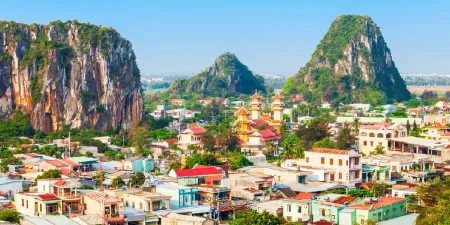
Find the best things to do in Da Nang, from relaxing on sandy beaches to exploring temples, mountains, and vibrant nightlife.
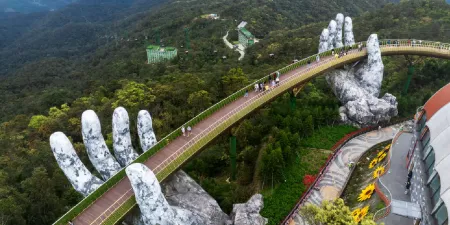
Experience Ba Na Hills in Vietnam with stunning views, the Golden Bridge, Fantasy Park, plus tips on tickets, timing, and key highlights.
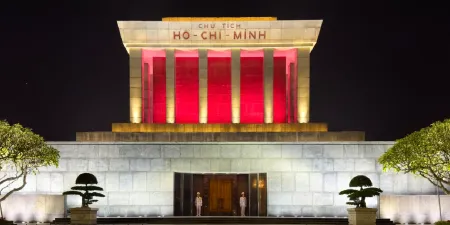
Explore Ho Chi Minh Mausoleum in Hanoi, including opening hours, etiquette rules, history, and travel tips for first-time visitors.
Ho Chi Minh City travel guide: top attractions, local food, and must-see experiences in Vietnam’s largest and most exciting city.
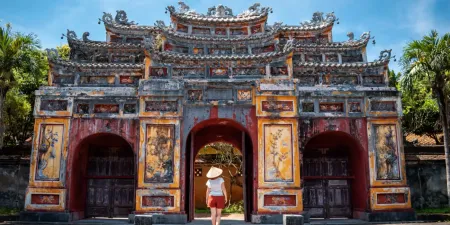
Discover Hue with our complete travel guide, including must-see sights, historic landmarks, and cultural experiences in the former imperial capital.
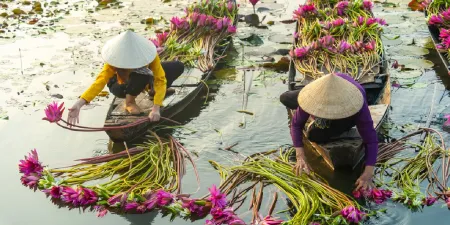
Visit the Mekong Delta: explore river villages, floating markets, tropical fruits, and unique wildlife in southern Vietnam.
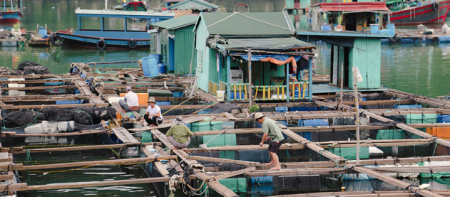
Discover the mesmerizing UNESCO World Heritage site in Vietnam, Ha Long Bay. Boasting thousands of limestone karsts and islets emerging from emerald waters. Explore hidden lagoons, kayak through stunning caves, and cruise among iconic rock formations.
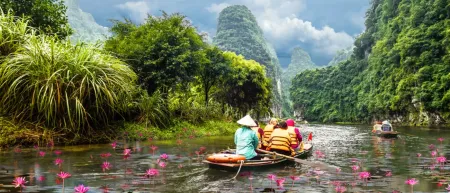
Ninh Binh travel guide: explore Trang An, Tam Coc, Mua Cave, and Hoa Lu with practical tips, best time to visit, and itinerary ideas.
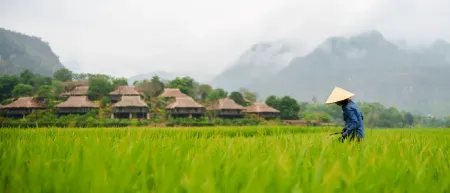
Experience Mai Chau’s green valleys, traditional villages, and mountain views with this complete travel guide from Hanoi.
Visit Hanoi, Vietnam’s heart of culture and history, from Hoan Kiem Lake and Old Quarter to street food and ancient temples.
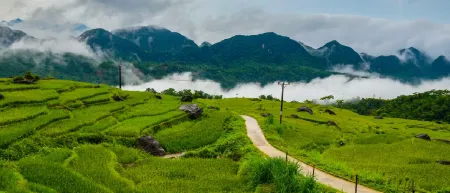
Pu Luong Nature Reserve travel guide covering weather, things to do, trekking, culture, accommodation, and how to get there.
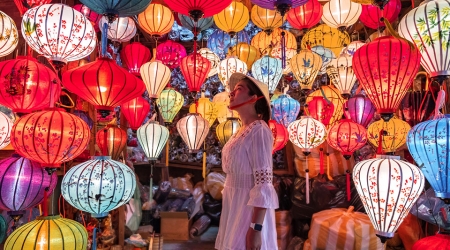
Discover the enchanting allure of Hoi An, a UNESCO World Heritage Site renowned for its well-preserved ancient architecture and vibrant culture. Lose yourself in the labyrinth of narrow, lantern-lit streets, explore bustling markets, and soak in the tranquil beauty of the Thu Bon River. Experience the perfect blend of tradition and modernity in this captivating Vietnamese city.
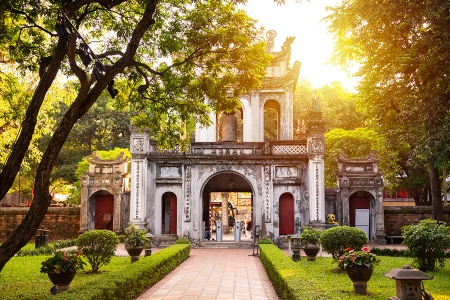
The Temple of Literature in Hanoi stands as one of Vietnam's most cherished historical sites. This ancient complex, dedicated to Confucius and learning, has been a symbol of education and wisdom for nearly a thousand years. As one of the most significant Hanoi landmarks, it offers visitors a glimpse into the rich cultural heritage and intellectual traditions of Vietnam.
Discover how the Viet Cong utilized these tunnels for survival, communication, and military operations. Learn about the challenges faced by those who lived and fought within the tunnels, and witness firsthand the ingenuity and resilience of the Vietnamese people. Explore the intricate network of underground tunnels that played a crucial role in the Vietnam War.