Ho Chi Minh Mausoleum Visitor Guide
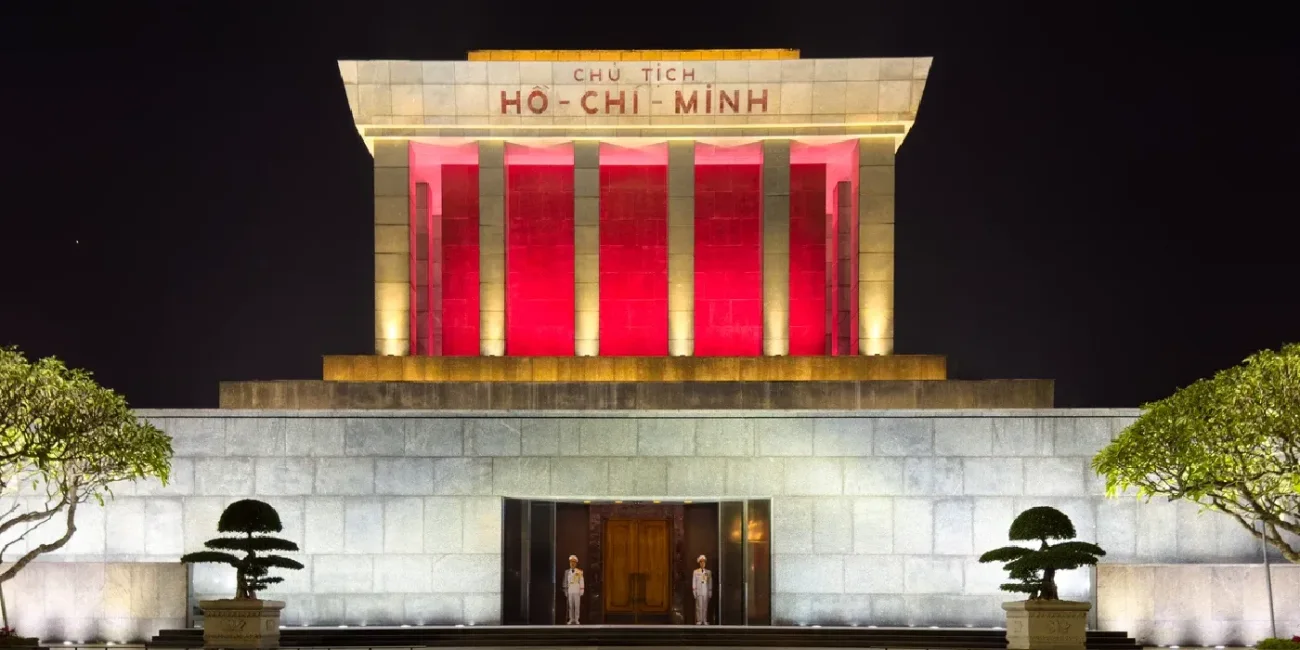
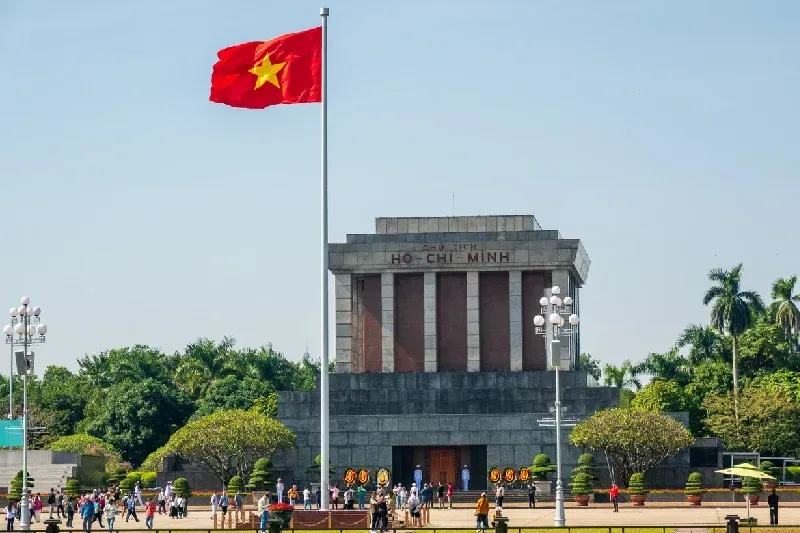
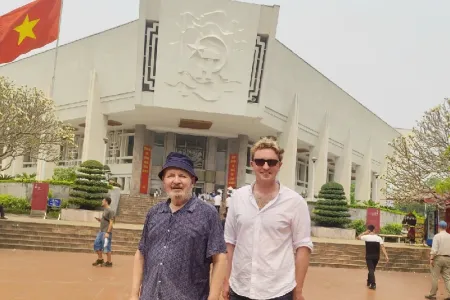
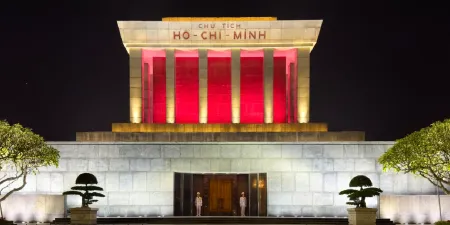
The Ho Chi Minh Mausoleum is a grand monument located in the heart of Hanoi, Vietnam, built to honor Hồ Chí Minh, the revolutionary leader who founded the Democratic Republic of Vietnam and led the country through decades of independence struggle. It is where his embalmed body lies in a permanent state, open to visitors from around the world.
Whether you're planning Vietnam tours as a history buff, a curious traveler, or someone looking for a deeper cultural connection, this is a stop you simply cannot skip. It's not just a building, it's a pilgrimage site for millions of Vietnamese people, and a window into the soul of the nation for international visitors.
Ho Chi Minh (1890–1969) — affectionately called "Uncle Ho" by the Vietnamese people, was more than a political figure. He was the embodiment of Vietnam's long struggle for independence, first from French colonial rule and later from American-backed forces during the Vietnam War.
He died on September 2, 1969, the same date Vietnam had declared independence in 1945, a coincidence that many Vietnamese consider deeply symbolic. His death came before the country's reunification in 1975, which he had spent his entire life fighting for.
Construction began in September 1973 and was completed in just under two years. The structure was deliberately designed to reflect both Vietnamese identity and the solidarity of socialist nations, Soviet experts played a significant role in the preservation of Ho Chi Minh's body, a practice inspired by Lenin's mausoleum in Moscow.
One notable point: Ho Chi Minh himself had requested a simple cremation and for his ashes to be scattered across the country. The decision to preserve and display his body was made by the Vietnamese Communist Party as a way to honor his legacy and give the nation a focal point of unity. It remains a quietly debated topic among historians and Vietnamese citizens alike.
The mausoleum is an impressive structure built to last centuries. Here's what makes it architecturally significant:
The overall effect is austere and monumental, this is not a place designed for frivolity. Visitors often describe feeling an unexpected emotional weight the moment they step inside.
Get in touch with our local experts for an unforgettable journey.
Plan Your Trip
Visiting the mausoleum is a genuinely unique experience, and one that requires some preparation. Here's what happens when you go:
Ho Chi Minh Mausoleum is considered a place of deep national respect, and visitors are expected to follow strict etiquette rules.
Respecting these rules is not only required but also reflects the cultural and historical importance of the site for the Vietnamese people.
One of the most important things travelers should know is that the mausoleum does not stay open all day or year-round.
The maintenance closure happens because Ho Chi Minh’s embalmed body undergoes preservation work, historically with Russian specialists. However, saying the body is always “sent to Russia” is not fully accurate today and is better avoided.
It’s always best to check updated schedules before visiting, especially if your Vietnam itinerary includes only a short stay in Hanoi.
The mausoleum doesn't stand alone, it's the centerpiece of a much larger historical complex that's absolutely worth exploring:
A simple wooden house on stilts where Ho Chi Minh chose to live from 1958 onward, deliberately modest, surrounded by a fish pond and fruit trees. It tells you everything about the man.
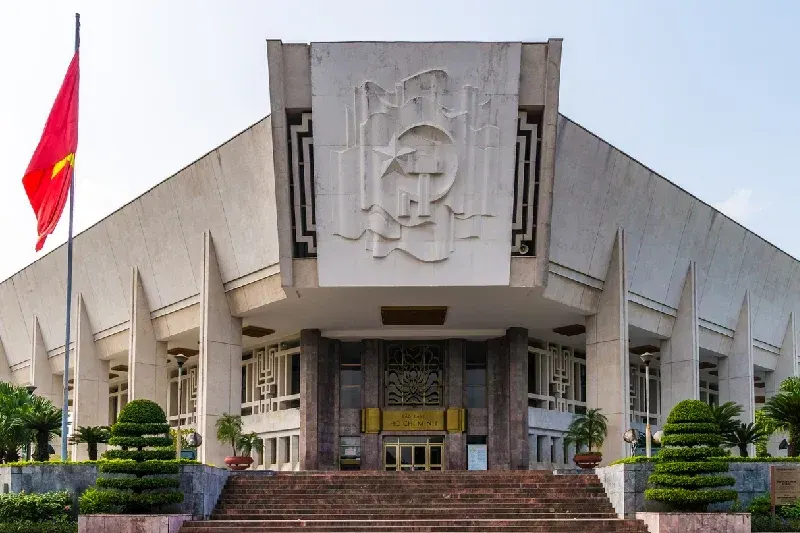
A sprawling, visually inventive museum that traces his life, philosophy, and the broader story of Vietnamese independence. Allow at least 1.5–2 hours here.
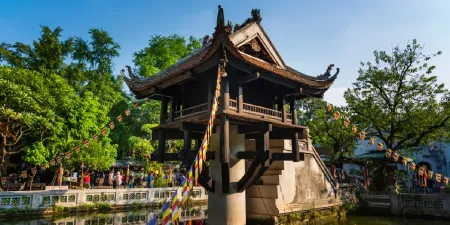
One of Vietnam's most iconic temples, a small wooden pagoda built on a single stone pillar rising from a lotus pond. Dating to 1049 AD, it's a short walk from the mausoleum and should absolutely be on your list.
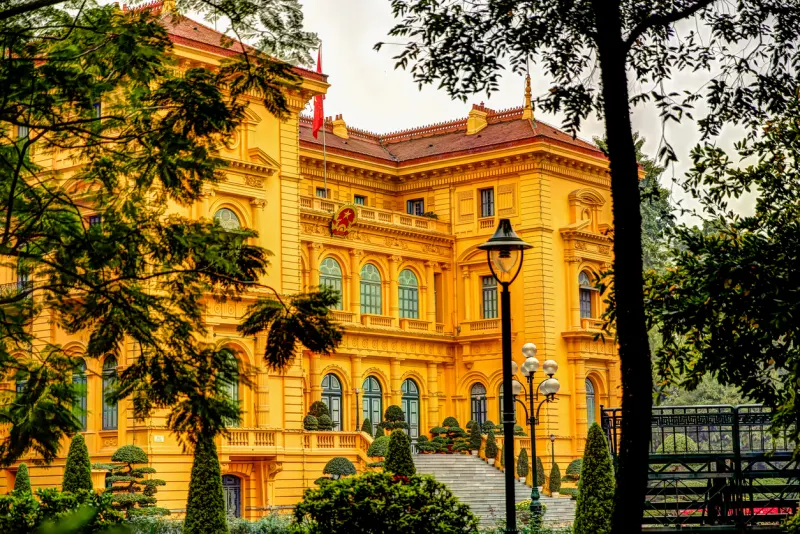
A grand French colonial building that Ho Chi Minh refused to live in (opting for the stilt house instead). It stands as a vivid contrast to his chosen simplicity.
The mausoleum is centrally located and easy to reach:
If you're building out your Vietnam travel package, here's how to slot in the mausoleum efficiently:
The Ho Chi Minh Mausoleum is one of those rare places that genuinely changes how you see a country. Whether you're on a curated group tour or designing your own independent adventure, make it a priority.
Yes, entry is completely free for all visitors, both domestic and international.
Photography is strictly prohibited inside the mausoleum chamber. You can photograph the exterior, the square, and the surrounding complex freely.
Yes, many families visit. Just ensure children understand the dress code and the need for quiet and respectful behavior before entering.
The mausoleum viewing itself takes only 5–10 minutes. The full complex, including the stilt house, museum, and pagoda, takes 2–3 hours.
No booking is required. Just show up, store your belongings, and join the queue.
Experience Hoan Kiem Lake in Hanoi: stroll the historic paths, admire temples, and enjoy the cultural heartbeat of Vietnam.
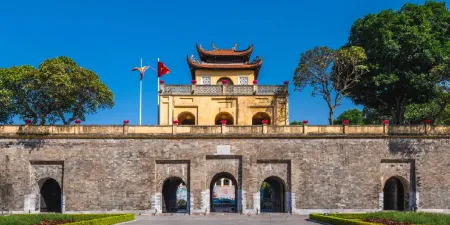
Visit the Imperial Citadel of Thang Long, Hanoi's iconic UNESCO landmark featuring ancient architecture, royal relics, and rich history.
Visit One Pillar Pagoda in Hanoi, a famous Buddhist structure built in 1049, offering rich history and a peaceful cultural experience in Vietnam.
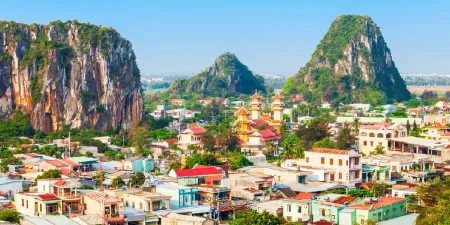
Find the best things to do in Da Nang, from relaxing on sandy beaches to exploring temples, mountains, and vibrant nightlife.
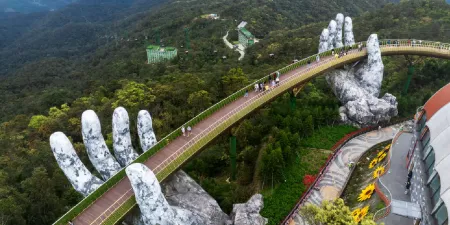
Experience Ba Na Hills in Vietnam with stunning views, the Golden Bridge, Fantasy Park, plus tips on tickets, timing, and key highlights.
Explore Ho Chi Minh Mausoleum in Hanoi, including opening hours, etiquette rules, history, and travel tips for first-time visitors.
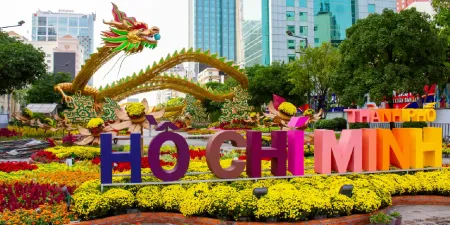
Ho Chi Minh City travel guide: top attractions, local food, and must-see experiences in Vietnam’s largest and most exciting city.
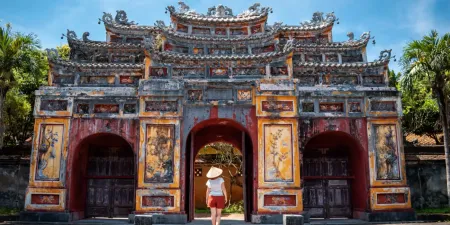
Discover Hue with our complete travel guide, including must-see sights, historic landmarks, and cultural experiences in the former imperial capital.
Visit the Mekong Delta: explore river villages, floating markets, tropical fruits, and unique wildlife in southern Vietnam.
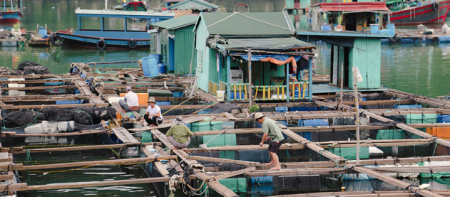
Discover the mesmerizing UNESCO World Heritage site in Vietnam, Ha Long Bay. Boasting thousands of limestone karsts and islets emerging from emerald waters. Explore hidden lagoons, kayak through stunning caves, and cruise among iconic rock formations.
Ninh Binh travel guide: explore Trang An, Tam Coc, Mua Cave, and Hoa Lu with practical tips, best time to visit, and itinerary ideas.
Experience Mai Chau’s green valleys, traditional villages, and mountain views with this complete travel guide from Hanoi.
Visit Hanoi, Vietnam’s heart of culture and history, from Hoan Kiem Lake and Old Quarter to street food and ancient temples.
Pu Luong Nature Reserve travel guide covering weather, things to do, trekking, culture, accommodation, and how to get there.
Discover the enchanting allure of Hoi An, a UNESCO World Heritage Site renowned for its well-preserved ancient architecture and vibrant culture. Lose yourself in the labyrinth of narrow, lantern-lit streets, explore bustling markets, and soak in the tranquil beauty of the Thu Bon River. Experience the perfect blend of tradition and modernity in this captivating Vietnamese city.
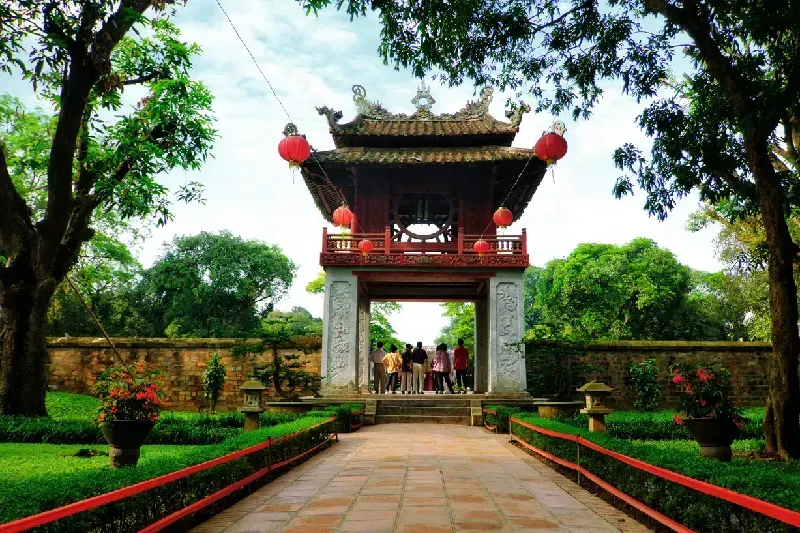
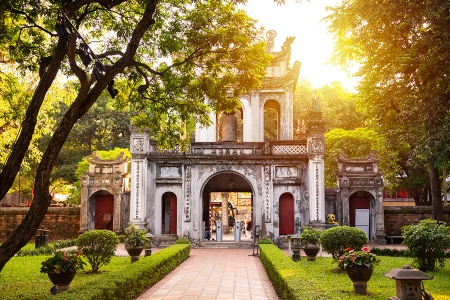
The Temple of Literature in Hanoi stands as one of Vietnam's most cherished historical sites. This ancient complex, dedicated to Confucius and learning, has been a symbol of education and wisdom for nearly a thousand years. As one of the most significant Hanoi landmarks, it offers visitors a glimpse into the rich cultural heritage and intellectual traditions of Vietnam.
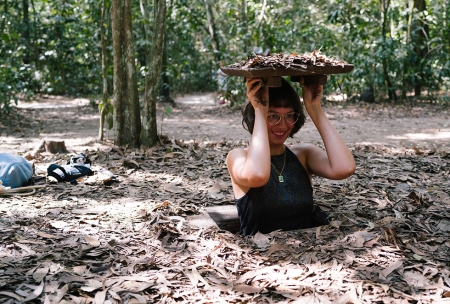
Discover how the Viet Cong utilized these tunnels for survival, communication, and military operations. Learn about the challenges faced by those who lived and fought within the tunnels, and witness firsthand the ingenuity and resilience of the Vietnamese people. Explore the intricate network of underground tunnels that played a crucial role in the Vietnam War.