Table of Content
#Why Vietnam is a World-Class Cycling Destination
#The Best Cycling Routes in Vietnam
#When Is the Best Time to Cycle in Vietnam?
#What to Pack for Cycling Vietnam
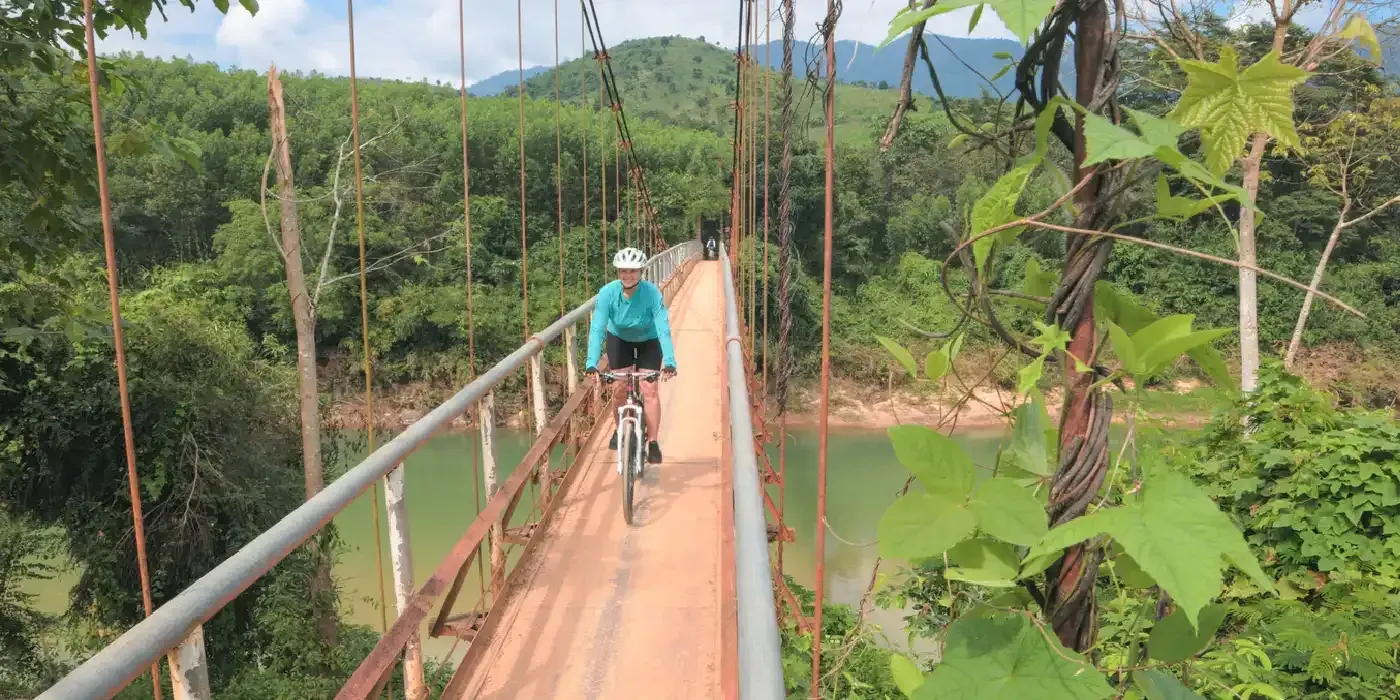
If there's one way to truly feel a country rather than just see it, it's from the saddle of a bicycle. Vietnam, with its 3,200 kilometres of coastline, terraced rice fields, ancient towns, and impossibly green mountains, is hands-down one of the best cycling destinations in Southeast Asia, and honestly, one of the best in the world.
I've ridden through a lot of places. But nothing quite prepared me for the sensory overload of cycling through a Vietnamese morning market, the quiet awe of gliding past limestone karsts, or the absolute joy of freewheeling down a mountain road with the wind in my face and the smell of street food drifting up from below. This guide covers everything you need to know, from the best routes and regions to what to pack, when to go, and how to find Vietnam travel packages that include a cycling component done properly.
#Why Vietnam is a World-Class Cycling Destination
Vietnam isn't just a good cycling destination. It's a great one, and here's why:
- Incredible route variety: You can ride flat coastal paths one day and grind up a mountain pass the next.
- Rich cultural access: Cycling puts you directly into villages, markets, and everyday Vietnamese life that you'd simply drive past in a bus or car.
- Affordability: Vietnam is one of the most budget-friendly countries in Asia, which means more riding days for your money.
- Welcoming locals: Vietnamese people are extraordinarily warm. Expect waves, thumbs up, and the occasional roadside invitation for ca phe (coffee).
- Food at every turn: Banh mi stands, pho stalls, fresh sugarcane juice, fuelling up on a cycling tour here is genuinely one of life's great pleasures.
Whether you're a leisure rider looking for scenic half-day loops or a serious cyclist chasing the country end-to-end, Vietnam has a route with your name on it.
Customize Your Dream Vacation!
Get in touch with our local experts for an unforgettable journey.
Plan Your Trip
#The Best Cycling Routes in Vietnam
1. The Ho Chi Minh Trail (Full Country Route)
Distance: ~2,000 km | Duration: 4–8 weeks | Difficulty: Challenging
This is the big one. Cycling the length of Vietnam from Hanoi to Ho Chi Minh City (or vice versa) along the historic Ho Chi Minh Trail is a bucket-list achievement for long-distance cyclists. You'll pass through:
- The Mekong Delta: flat, lush, and impossibly scenic
- The Central Highlands: where the real climbing begins
- Hoi An and Da Nang: colonial architecture, white sand beaches, and incredible food
- Hue: royal tombs, the Perfume River, and a UNESCO-listed citadel
- Phong Nha-Ke Bang: Vietnam's most dramatic karst landscape
This isn't a casual ride. But if you're an experienced cyclist with some touring background, the full country route is an experience that fundamentally changes how you see travel.
2. Ha Giang Loop: The North's Crown Jewel
Distance: ~350 km | Duration: 3–5 days | Difficulty: Moderate to Hard
Ask any cyclist who's been to northern Vietnam about Ha Giang, and watch their eyes light up. This mountainous region near the Chinese border is arguably Vietnam's most dramatic landscape, and on a bicycle, it's extraordinary.
The Dong Van Karst Plateau Geopark, a UNESCO-designated site, sits at the heart of this route. You'll ride through:
- Ma Pi Leng Pass: one of the most breathtaking mountain passes in all of Southeast Asia
- Hmong and Tay minority villages: where life looks almost unchanged from centuries ago
- Buckwheat and rapeseed flower fields: seasonal explosions of pink and yellow that look almost impossibly beautiful
The climbs are serious, some sections push 15–20% gradients, but the descents are long, sweeping, and the views from the top are your reward.
3. Hoi An to Hue: The Hai Van Pass
Distance: ~130 km | Duration: 1–2 days | Difficulty: Moderate
This is the route for cyclists who want a perfect balance of history, scenery, and manageable challenge. The Hai Van Pass (Pass of the Ocean Clouds) sits at 500 metres and divides central Vietnam climatically and culturally.
From the summit, you get one of those rare views that genuinely takes your breath away, mountains plunging into the sea on both sides, the turquoise of the South China Sea on one horizon, green rice fields on the other.
Ride highlights include:
- My Son Sanctuary: ancient Cham temple ruins hidden in the jungle
- Lang Co beach: a long, quiet stretch of sand often completely empty
- The Hai Van Pass itself: made famous internationally by Top Gear's Vietnam special
- Hue's Imperial Citadel: a full half-day of history at your destination
This coastal and mountain combination is a favourite among Vietnam tours that cater specifically to cyclists.
4. The Mekong Delta: Flat, Green, and Totally Fascinating
Distance: Flexible (50–150 km per day) | Duration: 2–5 days | Difficulty: Easy
If you want to cycle but don't want serious elevation, the Mekong Delta is your answer. The landscape here is almost surreally flat, a watery maze of rivers, canals, rice paddies, and fruit orchards stretching all the way to Cambodia.
What makes delta cycling special isn't drama, it's intimacy. You're riding on narrow raised paths between paddy fields, crossing wooden bridges over dark green canals, stopping at floating markets where vendors sell their wares directly from boats.
Key spots to include:
- Can Tho: the delta's largest city and home to the famous Cai Rang floating market
- Ben Tre: the "coconut kingdom," where coconut products dominate local life and cuisine
- Tra Vinh: a quieter provincial city with beautiful Khmer pagodas
The Mekong Delta is brilliant for families, older riders, or anyone who wants to experience authentic rural Vietnamese life at a gentle pace.
#When Is the Best Time to Cycle in Vietnam?
Vietnam is a long, narrow country, and the climate varies enormously from north to south. There's no single "best" time to visit, it depends entirely on where you want to ride.
| Region | Best Months | Notes |
| North (Hanoi, Ha Giang) | October – April | Avoid summer monsoon; spring flowers are spectacular |
| Central (Hue, Hoi An, Da Nang) | February – August | October–January brings heavy rain from northeast monsoon |
| South (Ho Chi Minh City, Mekong) | November – April | Dry season; avoid May–October monsoon |
The sweet spot for a full-country cycling trip is October to December, when the north and central regions have dried out but the south isn't yet in full dry-season heat.
#What to Expect on the Road
Traffic Reality Check
Let's be honest about this: Vietnamese roads, especially around cities, are chaotic. Hanoi and Ho Chi Minh City are densely packed with motorbikes, trucks, and buses that don't follow rules you'd recognise from home. Cycling through these cities is genuinely stressful if you're not used to it.
The good news? Once you leave the cities behind, the roads thin out dramatically. Rural Vietnam is a cyclist's dream, quiet provincial roads, friendly honks from passing motorbikes, and long stretches where you might not see another vehicle for 20 minutes.
Practical tips:
- Ride defensively, assume vehicles won't see you
- Use hand signals clearly and early
- Stick to secondary roads where possible, they're quieter and often more scenic
- Avoid National Highway 1 wherever you can, it's busy, fast, and unpleasant to ride
- Hire a guide if you're unfamiliar with Southeast Asian traffic patterns
Road Conditions
Vietnam's road infrastructure has improved enormously over the past decade. Many provincial roads are now well-paved and in good condition. Mountain routes can get rough, expect some unpaved sections in Ha Giang and the northwest, and be prepared for post-monsoon potholes everywhere.
#What to Pack for Cycling Vietnam
You don't need to travel heavy. Here's what seasoned cyclists in Vietnam consistently recommend:
Cycling gear:
- Padded cycling shorts (you'll thank yourself on day three)
- Lightweight, breathable jerseys, dark colours for the mud
- A helmet that meets actual safety standards (don't rely on hiring locally)
- Sunglasses and SPF 50+ sunscreen, the sun here is relentless
- Gloves for the long descents
Bike setup:
- Pannier bags rather than a backpack, your back and shoulders will appreciate it
- A good multi-tool and puncture repair kit
- Spare inner tubes, at least two
- A lightweight cable lock
General travel:
- Lightweight rain jacket (compressible)
- Water purification tablets or a filter bottle
- Electrolyte tablets, sweat loss at 35°C is significant
- Cash in small denominations, many rural areas don't accept cards
#Cycling Tours vs. Independent Riding
One of the first decisions to make is whether to join an organised tour or go it alone. Both have genuine merits.
Independent Riding
Best for experienced cycle tourers who are comfortable with navigation, mechanical issues, and uncertainty. Vietnam is broadly safe and relatively easy to navigate with a downloaded offline map. The freedom is unbeatable, you stop when you want, camp when you want, and change your plans on a whim.
The challenges: language barriers (especially in rural areas), finding bike repair shops outside cities, and the logistical complexity of transporting bikes on trains or buses when you need to skip a section.
Guided Vietnam Tours
For most people, booking through a reputable operator is the smarter move, especially for a first visit. A good Vietnam travel package with a cycling focus will include:
- Support vehicle that carries your luggage and can rescue you if you bonk on a climb
- Experienced local guide who knows the roads, speaks the language, and handles logistics
- Pre-booked accommodation in guesthouses or boutique hotels along the route
- Meals included, and in Vietnam, this is genuinely a highlight
- Bike rental of quality touring or hybrid bikes
The best operators offer routes at different difficulty levels and can customize itineraries around your pace and interests. Explore our curated Vietnam tours across Southeast Asia!
Not at all. Routes like the Mekong Delta and the beaches of Phu Quoc are perfectly suited to leisure riders. More challenging routes like Ha Giang or a full country traverse require genuine fitness and some touring experience.
Quality bike rental is available in the main tourist hubs, Hanoi, Hoi An, Da Nang, and Ho Chi Minh City, through reputable tour operators. Don't expect to find high-end equipment in rural areas.
Yes, broadly. Road traffic is the main risk, and basic defensive riding habits mitigate most of it. Vietnam has a low crime rate, and solo cyclists, including women travelling alone, generally report feeling very safe.
A cycling trip in Vietnam can vary widely depending on your style. Budget travelers might spend $25–$50 per day using guesthouses and local food, while mid-range tours with guided services, equipment, and accommodation can cost $70–$150 per day. Luxury or private cycling tours may exceed $200 per day.
For most trips, a hybrid or touring bike works best because it handles both city roads and rural trails. For mountainous areas, a lightweight road bike or gravel bike is ideal. If you join guided tours, many companies provide well-maintained bikes suited to the terrain.
Yes! Many travelers combine cycling with cultural visits, trekking, cooking classes, and boat trips. Popular regions like Hoi An, Hue, and the Mekong Delta offer scenic routes alongside local experiences, so you can explore both nature and culture on the same trip.