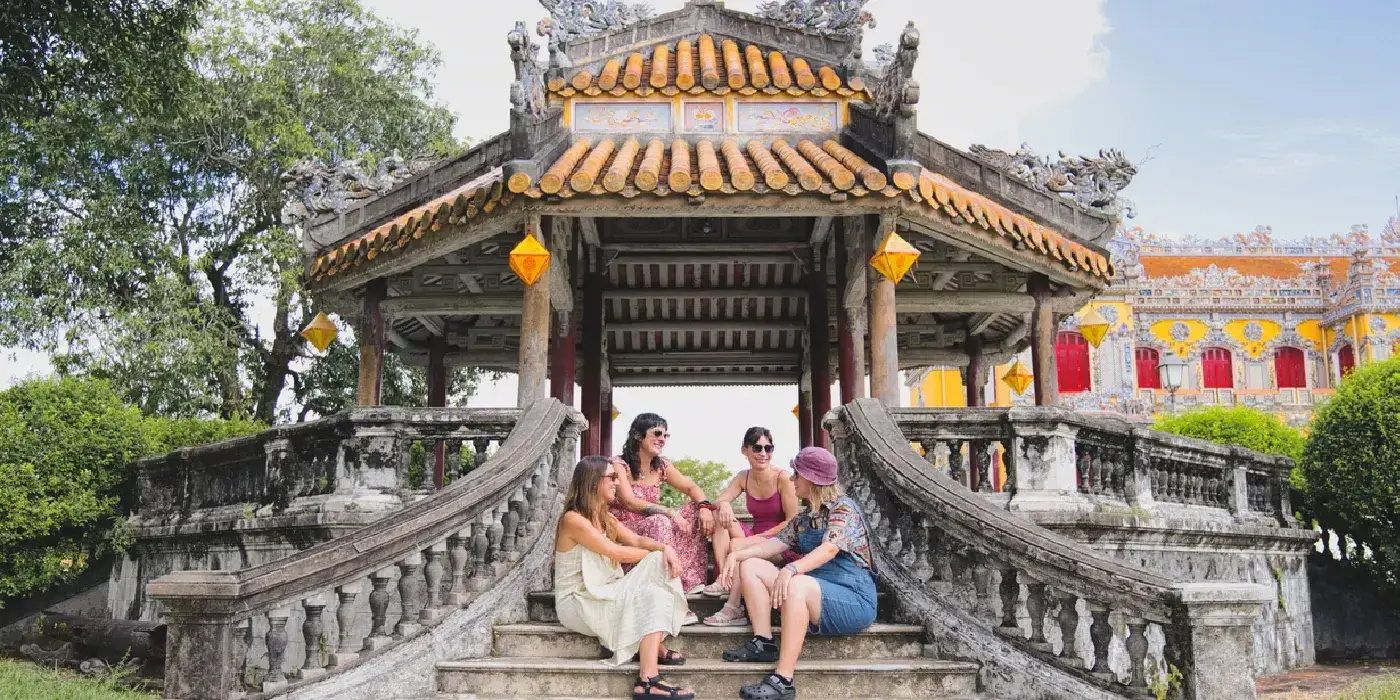
You’ve seen the photos. The misty karst mountains of Ha Long Bay. The lantern-lit streets of Hoi An at night. The chaotic, electric streets of Hanoi where millions of motorbikes seem to exist in joyful defiance of traffic laws.
But here’s what most first-time visitors don’t realize: Vietnam stretches over 1,650 km from north to south, has more than 3,000 km of coastline, and over 50 ethnic minority groups, which is why the country can feel completely different depending on where you land.
Vietnam looks like a dream, and honestly, it is. But it also comes with a learning curve most travel blogs conveniently skip over. This guide is different. These are the 20 things we wish someone had whispered to us before we landed.
1. Crossing the Street Is an Art Form (Not a Death Wish)
Every first-timer freezes at the curb in Hanoi or Ho Chi Minh City, watching an endless river of motorbikes with wide eyes and a racing heart.
Here’s the secret: just walk slowly and steadily.
Don’t run. Don’t stop. The traffic flows around you like water around a stone. Drivers are watching for you, they’ve been navigating this rhythm their whole lives.
Pro Tip: If you’re truly terrified, look for a local and casually cross at the same time they do. Works every time.
2. The Regions Feel Like Different Countries in Disguise
Vietnam stretches 1,650 km from north to south, and the differences between Hanoi, Da Nang, and Ho Chi Minh City are far bigger than most travellers expect.
- The North: cooler, more reserved, dramatic mountains and ancient heritage
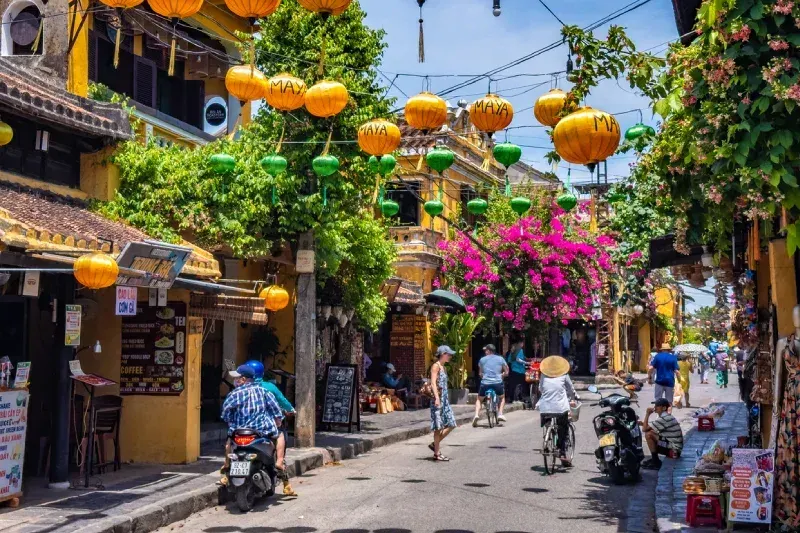
- Central Vietnam: imperial history, lantern-lit towns, and some of the country’s best beaches
- The South: tropical, louder, faster, and full of energy
Good Vietnam guided tours are designed around this geography. Trying to squeeze the entire country into one rushed week usually means spending more time in airports than actually experiencing Vietnam.
Customize Your Dream Vacation!
Get in touch with our local experts for an unforgettable journey.
Plan Your Trip
3. The Food Will Ruin You for Everything Else
Vietnamese cuisine is one of the most refined and diverse food cultures on Earth. A few things to know:
- Pho in the North is lighter and more delicate than in the South
- Banh mì somehow works as breakfast, lunch, and a midnight snack
- Bun bo Hue is richer, spicier, and wildly underrated
- Egg coffee in Hanoi sounds strange and tastes like dessert
4. Cash Is Still King (But It’s Changing)
Major cities increasingly accept cards, but once you’re outside tourist hubs, in local markets, family-run cafés, or smaller towns, ash still matters.
ATMs are everywhere in cities, and the exchange rates are usually better than airport currency counters.
Watch Out
Vietnamese banknotes can look surprisingly similar at first glance. Double-check every note before handing it over, especially 50,000 VND and 500,000 VND.
5. Grab Is Your Best Friend
Forget negotiating with taxis, download Grab before you land. It’s Southeast Asia’s version of Uber, the prices are fixed upfront, and it removes almost every language barrier issue instantly.
GrabBike is even cheaper, and riding through Hanoi traffic on the back of a motorbike somehow feels terrifying and fun at exactly the same time.
Ready to Taste Vietnam for Yourself? Explore handcrafted Vietnam tours designed for first-timers
6. The Weather Is NOT the Same Across the Country
This catches so many first-time visitors off guard. Vietnam’s weather changes dramatically by region:
- The South can be hot and sunny while the North feels cold and misty
- Central Vietnam sees heavy rain and typhoons between September and December
- Sapa can drop close to freezing in winter
Always check the weather for the specific region you’re visiting, not just “Vietnam” as a whole.
7. Temple Etiquette Matters More Than You Think
Vietnam’s temples and pagodas are active spiritual spaces, not just historical attractions.
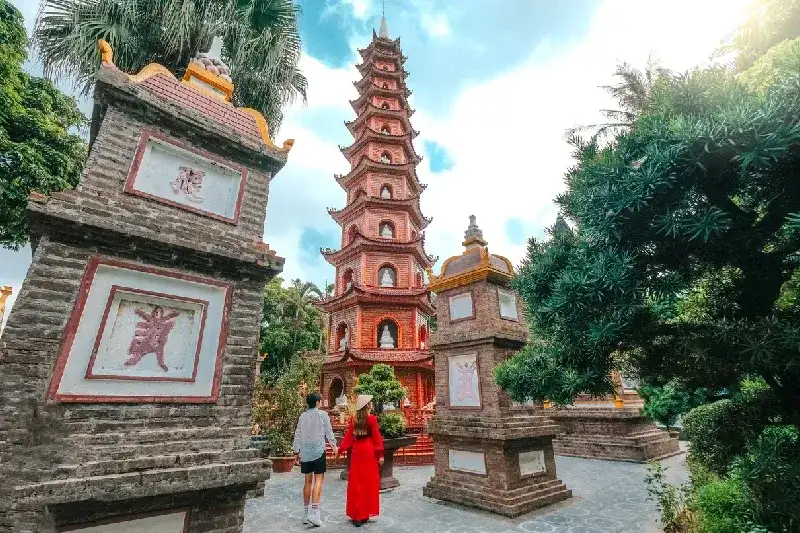
In places like Hue and Hanoi, you’ll often see locals quietly placing incense, flowers, or fruit at family altars before sunrise. A few important basics:
- Cover shoulders and knees
- Remove shoes when required
- Keep your voice low
- Don’t photograph people praying without permission
- Small gestures of respect matter here.
8. Bargaining Is Expected, But There’s a Right Way to Do It
- At markets and street stalls, prices are often negotiable.
- A good rule is to start around 50–60% of the asking price and meet somewhere in the middle.
- But don’t aggressively bargain over the equivalent of one dollar.
- For many sellers, that small amount matters far more than it does to you.
Don’t Do This
Walking away dramatically and returning five times for the same item isn’t clever, it’s usually considered rude.
9. Vietnam Wakes Up Earlier Than You Expect
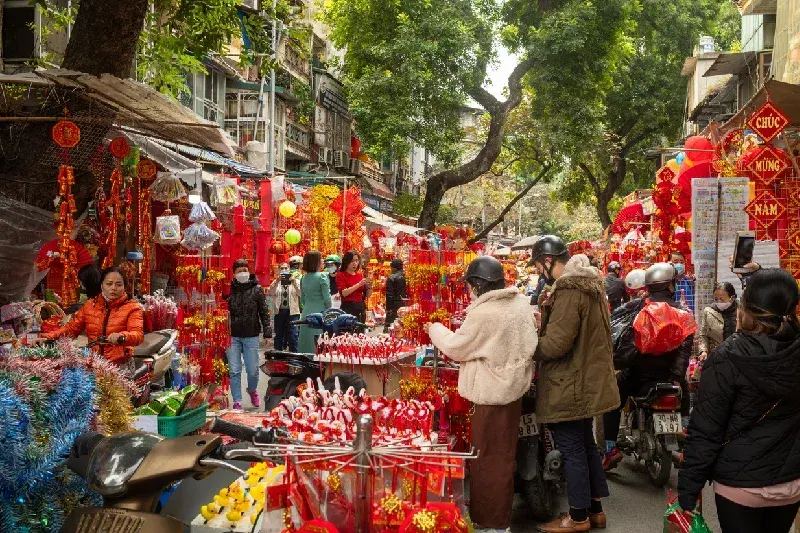
One of the strangest things first-time visitors notice is how early life begins. By 5:30am, parks fill with tai chi groups, street food vendors are already serving breakfast, and cafés are packed long before sunrise.Vietnam runs on an early rhythm. If you wake up early too, you’ll see a completely different side of the country, quieter, more local, and surprisingly peaceful.
10. Vietnam Runs on Coffee Almost as Much as Motorbikes
Vietnam is the world’s second-largest coffee exporter, but coffee culture here feels nothing like Europe. People sit on tiny plastic stools for hours drinking strong iced coffee slowly while traffic rushes past around them. And then there’s egg coffee in Hanoi, created during milk shortages in the 1940s and somehow tasting like liquid tiramisu.
Coffee here isn’t just caffeine. It’s part of daily life.
11. The Overnight Train Is One of the Best Experiences You’ll Have
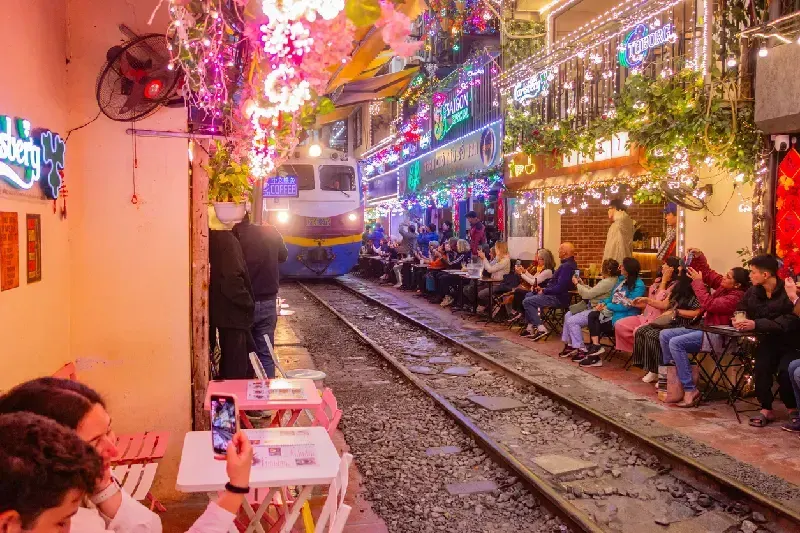
The Reunification Express runs nearly 1,700 km from Hanoi to Ho Chi Minh City, and booking a soft sleeper cabin is one of Southeast Asia’s great slow-travel experiences. You fall asleep to city lights and wake up to rice fields, fishing villages, and misty coastline rolling past your window.
“The train from Hanoi to Da Nang isn’t just transport. It’s part of the trip itself.”
Explore our Vietnam travel packages and experience it beyond the guidebook.
12. Ha Long Bay Is Spectacular — But It’s Not the Only Option
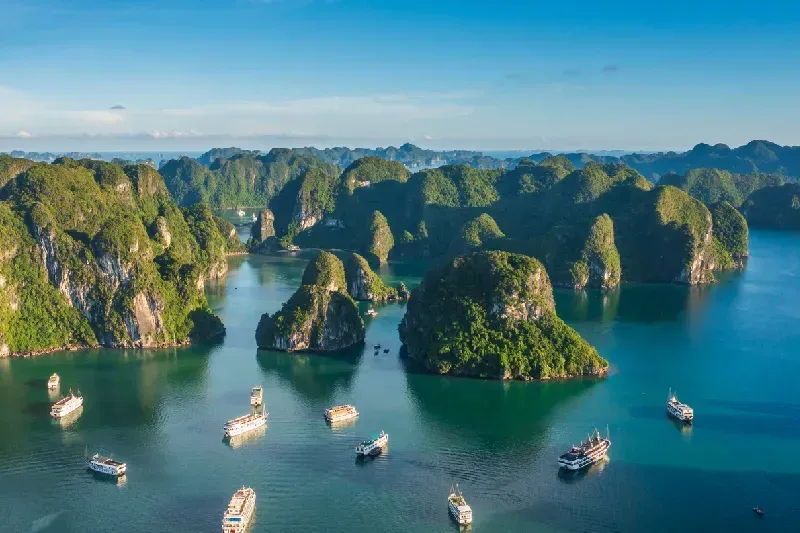
Ha Long Bay deserves its reputation. But if you want the same limestone karst scenery with fewer crowds, consider:
- Lan Ha Bay: quieter and more relaxed
- Bai Tu Long Bay: remote and far less touristy
- Ninh Binh: often called “Ha Long Bay on land”
Some travellers end up preferring these alternatives entirely.
13. Hoi An Somehow Lives Up to the Hype
Yes, Hoi An is famous. Yes, it gets busy.
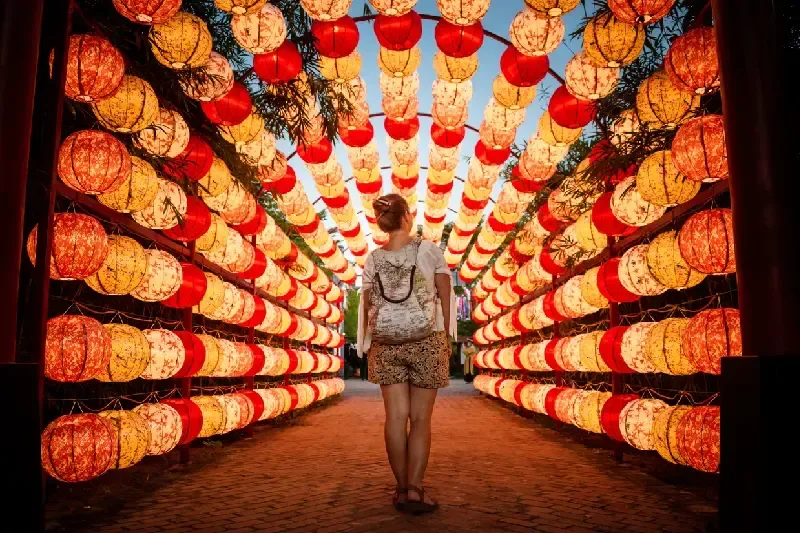
But walk through the lantern-lit streets at 7am before the crowds arrive, or after 9pm when the river glows gold under hanging lanterns, and suddenly the hype makes perfect sense.
Local Secret: Hoi An has more than 400 tailor shops. Order custom clothing on your first day, go for fittings during your stay, and collect everything before you leave.
14. Motorbike Rentals Require Honest Self-Awareness
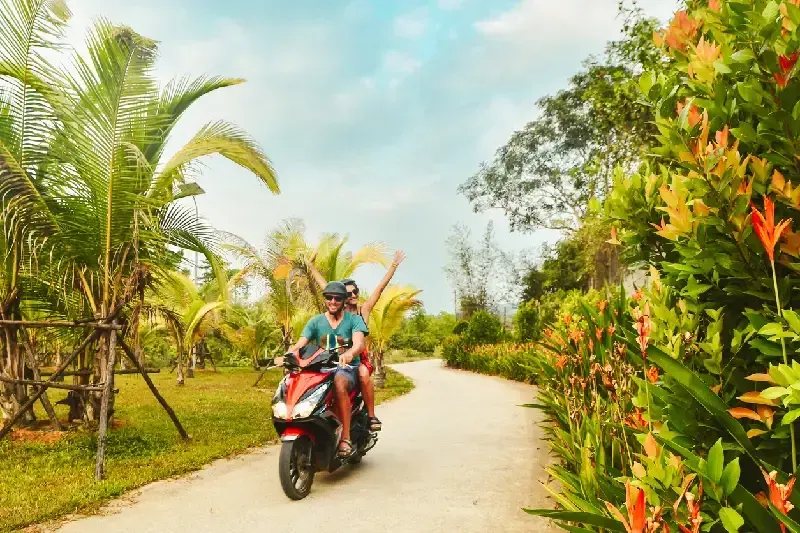
Riding through Vietnam’s countryside can be unforgettable. But Vietnamese roads, especially in cities and mountain passes, are genuinely intense.
Be honest with yourself:
- If you’ve never ridden a motorbike before, Vietnam is not the place to learn
- The Hai Van Pass is spectacular if you’re experienced
- Always wear a proper helmet
- Check your travel insurance carefully
A lot of travellers underestimate this. Read about Cycling in Vietnam!
15. Vietnam Feels Completely Different After Dark
When the sun goes down, the country changes energy.
Night markets appear, seafood streets fill with smoke and noise, families gather outside on sidewalks. Some cities in Vietnam feel almost more alive at 10pm than at noon.
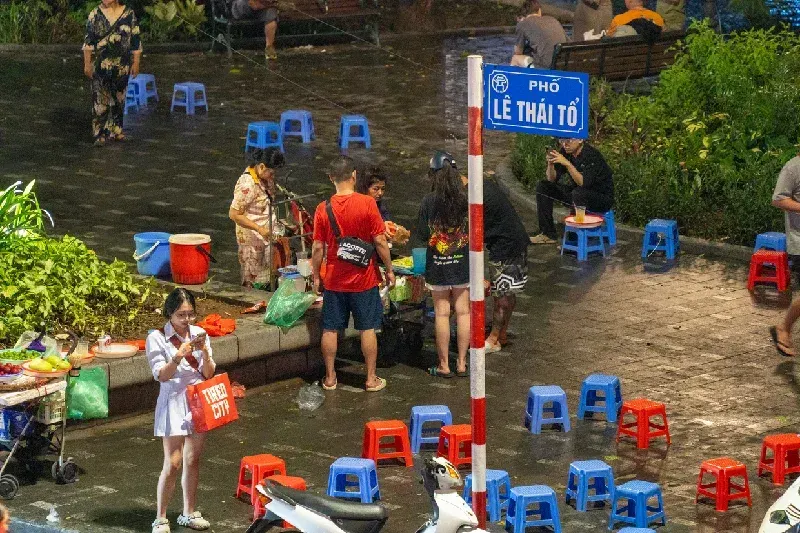
16. Tiny Plastic Stools Are Basically National Furniture
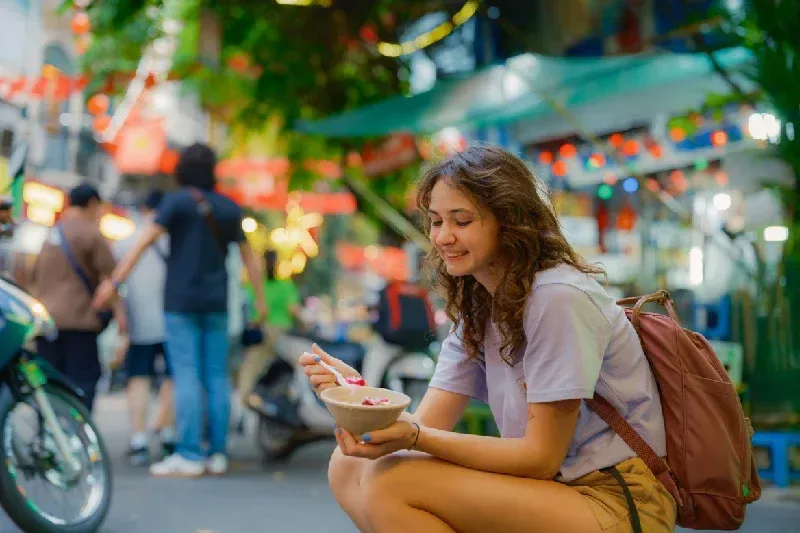
You’ll see them everywhere. Street food stalls, cafés, sidewalks, seafood restaurants, tiny plastic stools are part of daily life in Vietnam. At first they feel absurdly small. A few days later, you’ll realize some of your favorite travel memories happened while sitting on one with a bowl of noodles in front of you.
17. Vietnam Feels Louder Than Most First-Time Visitors Expect
The first thing many travelers notice isn’t the heat or the traffic. It’s the sound.
Motorbikes everywhere. Street vendors calling out. Metal stools scraping sidewalks. Constant honking flowing through the streets of Ho Chi Minh City and Hanoi.
But here’s the important part: honking in Vietnam usually isn’t anger. It’s communication. At first it feels chaotic. A few days later, your brain somehow starts understanding the rhythm.
18. There’s History Everywhere
In Vietnam, history doesn’t stay inside museums.
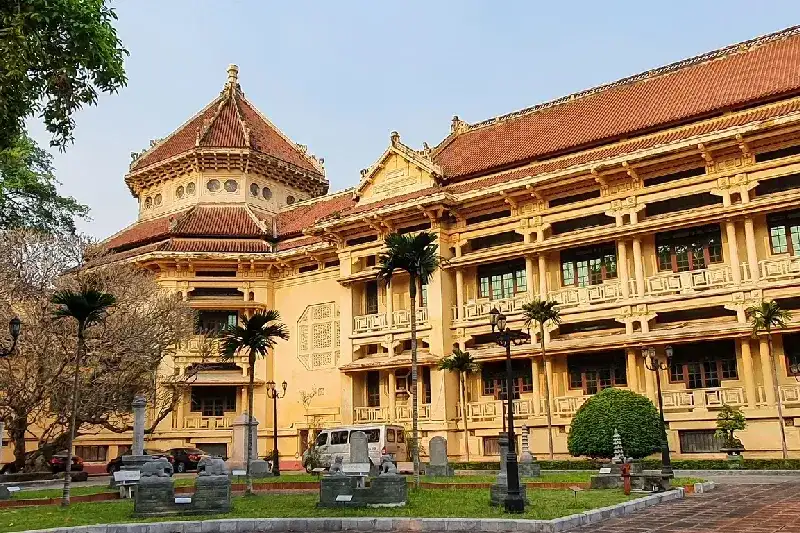
You’ll walk past French colonial buildings in Hanoi, old war bunkers hidden behind cafés, ancient pagodas filled with incense, and imperial architecture still standing from the Nguyen Dynasty in Hue.
Sometimes the contrast feels surreal, a modern coffee shop beside a centuries-old temple, or teenagers on motorbikes passing buildings that survived wars and empires.
19. Learn Five Words of Vietnamese
You don’t need fluency. But learning a few words changes interactions instantly.
- Xin chào: Hello
- Cảm ơn: Thank you
- Ngon lắm: Delicious
- Bao nhiêu tiền?: How much?
- Không cảm ơn: No thank you
20. One Trip Is Never Enough
This isn’t marketing. It’s a warning.
Vietnam has a way of lingering in your mind long after you leave, in the sound of scooters at night, the smell of grilled pork on street corners, or the bowl of phở you’ll spend years trying to recreate at home. You’ll probably start planning your return before your first trip even ends.
Whether you’re drawn to the mountains of Sapa, the lanterns of Hoi An, or the energy of Ho Chi Minh City, Vietnam rewards travellers who stay curious. Explore our curated Vietnam tours across Southeast Asia!
FAQs
Yes, Vietnam is one of the most rewarding countries in Southeast Asia for first-time visitors, especially if you enjoy food, culture, nature, and energetic cities.
Most travelers are surprised by how different the regions feel, how early daily life starts, and how quickly the traffic chaos starts making sense.
You should ideally spend at least 10–14 days in Vietnam to experience the North, Central region, and South without rushing constantly.
At first, yes. But once you understand the rhythm, walking slowly and steadily instead of stopping suddenly, it becomes much easier.
For cities, Grab is the easiest option. For longer distances, domestic flights and overnight trains are both popular depending on your travel style.
Compared to many destinations, Vietnam is very affordable. Street food, local cafés, transportation, and hotels often cost far less than travelers expect.
Avoid disrespecting temples, bargaining too aggressively in markets, and underestimating travel distances or motorbike traffic if you’re inexperienced.