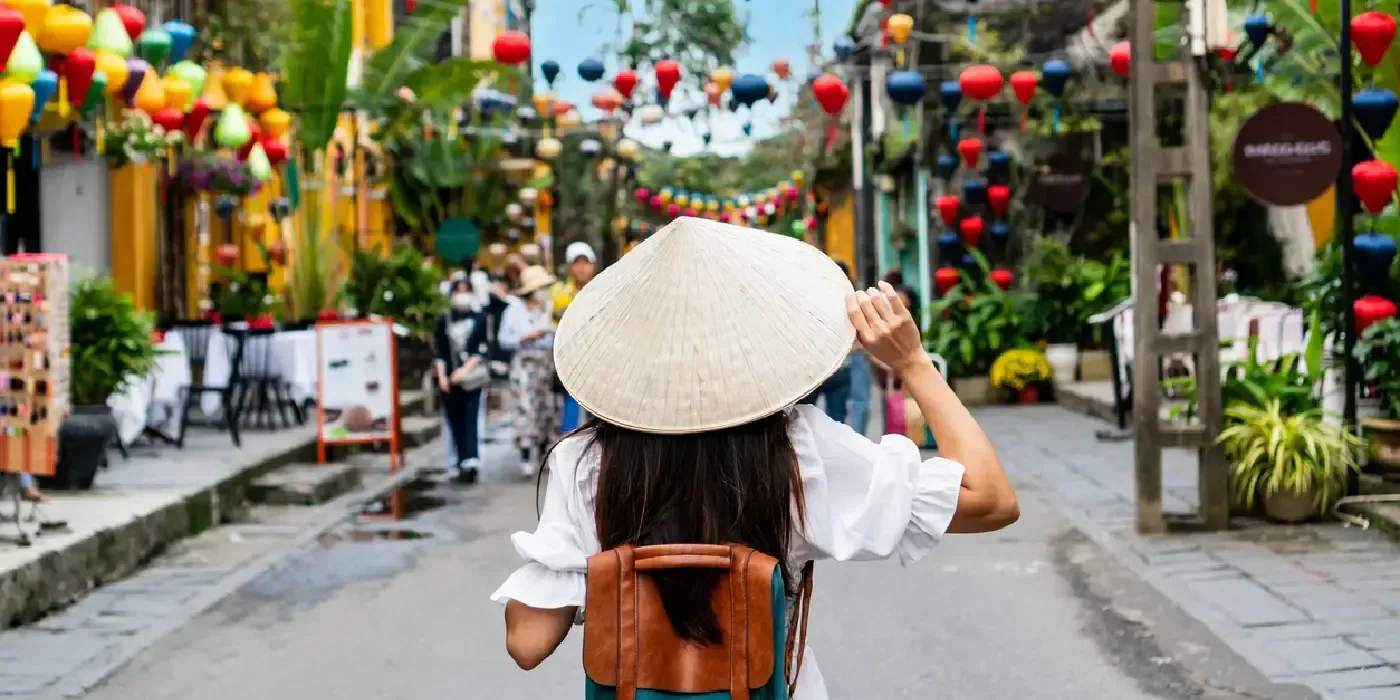
Article Index
#How Different Are They Really?
#North vs South: A Quick Breakdown
#How Long Do You Actually Need?
#So, North or South — What's the Honest Answer?
So you've decided to visit Vietnam, a great choice. But now comes the question that trips up almost every traveller at the planning stage: do you head north, south, or try to squeeze in both? It's one of the most common debates among people browsing Vietnam guided tours, and honestly, there's no single right answer. It all comes down to what kind of trip you're after. Let's break it down properly, region by region, so you can figure out where your time and money will be best spent.
Customize Your Dream Vacation!
Get in touch with our local experts for an unforgettable journey.
Plan Your Trip
#How Different Are They Really?
More different than you might expect, actually. Vietnam stretches over 1,600 kilometres from top to bottom, and that distance shows up in just about everything, the food, the climate, the landscape, the culture, and even the pace of life. Travellers who've spent time in both often say it feels like visiting two distinct countries. That's not an exaggeration.
The north tends to be cooler, more mountainous, and carries a deeper sense of historical weight. The south is warmer, flatter, more energetic, and has a slightly more laid-back tropical vibe. Both are absolutely worth visiting, but depending on what you're looking for, one will likely suit you better.
#The Case for North Vietnam
If you're the kind of traveller who geeks out over dramatic scenery, ancient history, and getting a little off the beaten path, North Vietnam is probably calling your name.
Hanoi: Chaotic, Compelling, and Completely Addictive
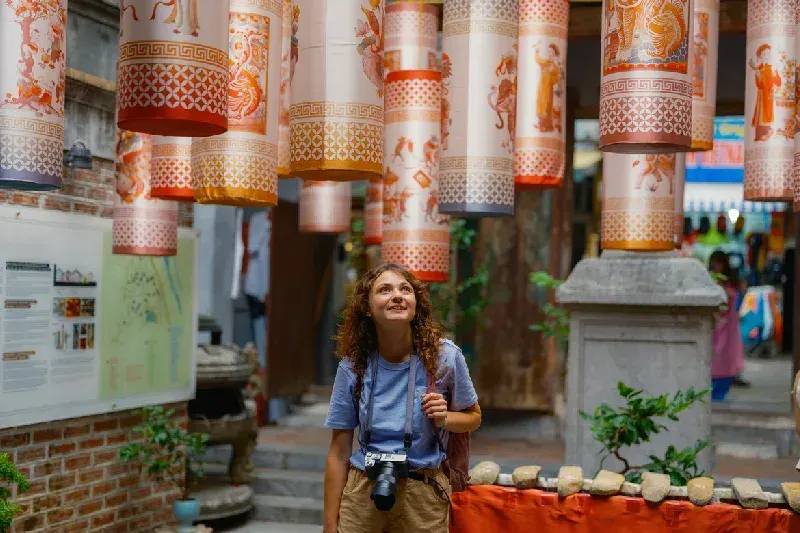
Hanoi is where most northern Vietnam tours kick off, and for good reason. The capital is one of those cities that just hits differently. It's chaotic, yes, motorcycles everywhere, narrow streets, sensory overload at every turn, but there's a kind of organised madness to it that's deeply compelling. Spend a few days exploring the Old Quarter, sipping egg coffee at a tiny street-side café, wandering around Hoan Kiem Lake, and visiting the Ho Chi Minh Mausoleum, and you'll start to understand why people fall in love with this city.
Ha Long Bay: Yes, It Really Does Live Up to the Hype
From Hanoi, most travellers head to Ha Long Bay, and look, it lives up to the hype. Thousands of limestone karsts jutting out of jade-green water, it's genuinely one of those sights that makes you stop and stare in silence. An overnight cruise is the standard way to experience it, and it's absolutely worth doing. If you want something a little quieter, Bai Tu Long Bay nearby gets far fewer tourists and is just as stunning.

Sapa: Trekking, Rice Terraces, and Highland Life
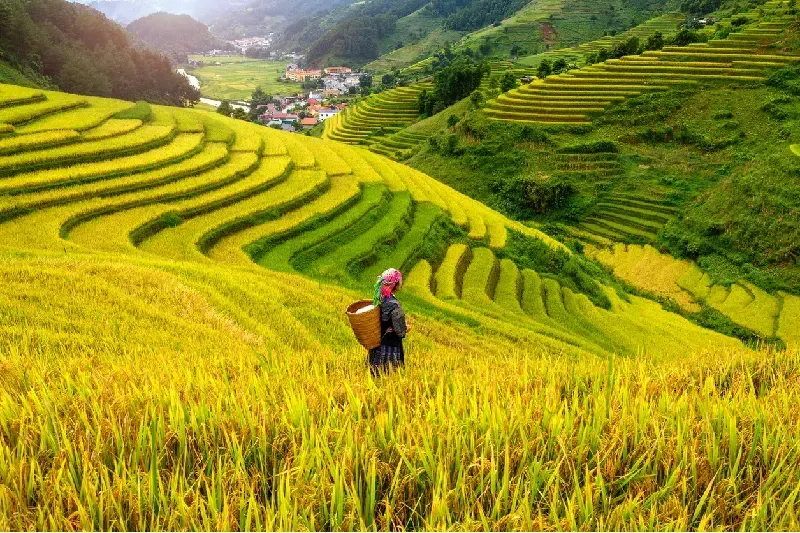
Then there's Sapa, up in the northern highlands near the Chinese border. This is where you go for serious trekking, misty mountain valleys, rice terraces that look like they were designed by an artist, and incredible homestay experiences with local hill tribes. It's physically demanding but utterly rewarding.
Ninh Binh and Beyond: History Hidden in the Landscape
For history buffs, Ninh Binh is often called "Ha Long Bay on land" because of its dramatic limestone landscape, but it's also historically rich, with ancient temples and pagodas tucked into the karst hills. And if you want to go deeper into the war history, the Demilitarized Zone (DMZ) near Hue (technically central Vietnam, but often included in northern itineraries) is a sobering and important visit.
When to Go: North Vietnam Weather
The north has four distinct seasons. Winter (November to March) can get quite cold, especially in Sapa. Spring (March to May) is often considered the sweet spot, mild temperatures, occasional drizzle, but everything is lush and green.

#The Case for South Vietnam
If you want warmth, energy, incredible food, and easier access to beach destinations, South Vietnam delivers in spades.
Ho Chi Minh City: Saigon by Any Other Name
Ho Chi Minh City (still called Saigon by pretty much everyone who lives there) is a completely different beast from Hanoi. It's bigger, louder, faster, and has a more cosmopolitan feel. The coffee culture is just as serious, the street food is arguably even better, and the nightlife is genuinely brilliant. Don't miss the War Remnants Museum, it's confronting but essential, and the Cu Chi Tunnels are one of the most fascinating war history sites in the entire country.

The Mekong Delta: A World Away from the Cities
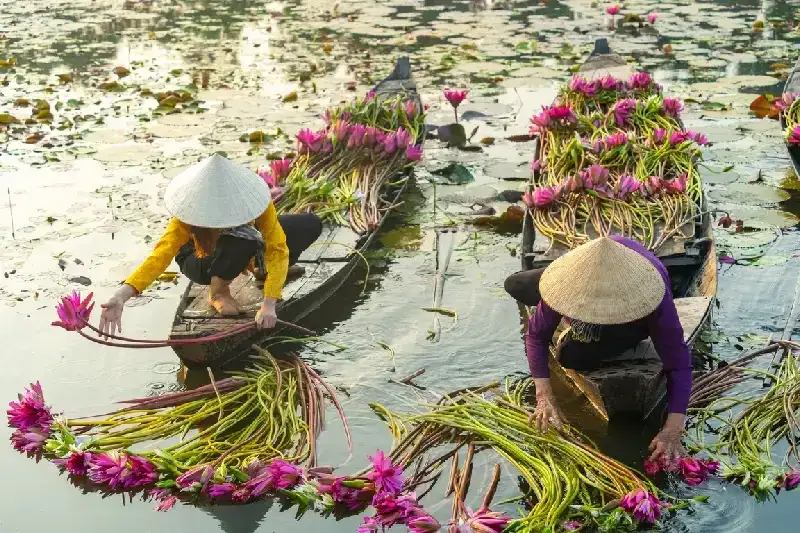
From HCMC, the Mekong Delta is an easy day trip or overnight excursion, and it's one of those experiences that feels truly unlike anything else. Floating markets, river boat rides, rice paddies stretching to the horizon, coconut candy factories, it's a completely different pace of life from the cities. The town of Can Tho is worth a longer stay if you have time, it's the region's main hub and the best base for exploring the floating markets at dawn, which is one of those travel memories that sticks with you.
Beaches and Islands: Phu Quoc, Mui Ne, and More
Head further south and east and you've got access to Vietnam's best beach destinations. Phu Quoc Island has become increasingly popular in recent years, with clear blue water, long stretches of white sand, and a growing food and nightlife scene. It's still relatively relaxed compared to Thailand's more developed islands. Mui Ne is popular with kitesurfers and offers a different kind of coastal landscape, red and white sand dunes that look like they belong in the Sahara.
When to Go: South Vietnam Weather
The south is warm year-round, typically 25–35°C. It has a wet season (May to October) and a dry season (November to April). If you're visiting the beach areas, aim for the dry season for the best conditions.

#What About Central Vietnam?
Central Vietnam is genuinely the region that surprises people the most.
Hoi An, Da Nang, and Hue: The Hidden Highlight
Hoi An is almost universally loved, it's a UNESCO-listed ancient town with gorgeous lantern-lit streets, brilliant tailors, and some of the best food in the country (cao lau and white rose dumplings are must-tries). Da Nang is right next door and works well as a base. Hue, the old imperial capital, is atmospheric and underrated. Many of the best Vietnam travel packages include a stretch through central Vietnam precisely because it bridges the character of north and south so well.

#North vs South: A Quick Breakdown
Go North if you want:
- Dramatic mountain landscapes and trekking
- Slower-paced, more traditional culture
- Iconic natural landmarks like Ha Long Bay and Sapa
- Cooler temperatures and four seasons
- Deep history and architecture in Hanoi
Go South if you want:
- Warm weather year-round
- Beaches and islands
- A faster, more cosmopolitan city vibe in HCMC
- The Mekong Delta experience
- Easier access to beach resorts
Go Both if you:
- Have at least 2 weeks
- Want to understand Vietnam fully
- Don't mind some internal flights
#How Long Do You Actually Need?
This is where people often underestimate Vietnam. The country is long and varied, and trying to rush it will leave you feeling like you've barely scratched the surface.
North Vietnam Only: 7–10 Days
Hanoi (3 nights), Ha Long Bay cruise (2 nights), Sapa (2–3 nights) covers the highlights without feeling frantic.
South Vietnam Only: 7–10 Days
HCMC (3 nights), Mekong Delta (1–2 nights), and then Phu Quoc or Mui Ne for the rest gives you a well-rounded southern experience.
The Full North-to-South Experience: 2–3 Weeks
This is where a well-designed Vietnam tour really earns its keep, having the itinerary, transport, and accommodation sorted for a trip spanning the entire country is a huge time-saver and stress-reducer.
#So, North or South — What's the Honest Answer?
If someone asked and said "north or south, pick one," I'd probably say north but only just. The landscapes are more dramatic, Hanoi has a character that's hard to replicate, and Ha Long Bay is one of those genuinely bucket-list experiences. But if you're travelling with kids, or warmth and beaches are non-negotiable, the south wins easily. The real honest answer, though, is that Vietnam rewards the travellers who take their time and cover both.
#Should You Book a Tour or Go Independent?
Both are absolutely viable, and Vietnam is one of the more accessible countries in Southeast Asia for independent travel. That said, there are some real advantages to booking through a specialist.
Why a Guided Tour Makes Sense for Vietnam
For a destination with as much ground to cover as Vietnam, a well-designed tour package takes care of the logistics that would otherwise eat up hours of your holiday, internal flights, transfers, accommodation that's actually where you want to be, and local guides who can give you context you simply wouldn't get on your own. If you're tight on time or visiting for the first time, it's genuinely worth considering.
Ready to start planning? Check out our range of Vietnam travel packages to find an itinerary that matches your travel style!
If it’s your first time, start with the north. You’ll get iconic spots like Hanoi and Ha Long Bay. Then head south to experience the energy of Ho Chi Minh City and the calm beauty of the Mekong Delta.
You’ll notice the north feels more traditional and seasonal, with cooler winters and historic charm, especially in Hanoi. The south is warmer year-round, more modern, and fast-paced, think busy streets and vibrant nightlife in Ho Chi Minh City.
You’ll want at least 10–14 days to enjoy both comfortably. Spend a few days in the north exploring Ha Long Bay and nearby mountain areas, then fly south to discover the Mekong Delta and coastal cities.
In the north, you shouldn’t miss Ha Long Bay and the Old Quarter of Hanoi. In the south, explore Ho Chi Minh City, the Cu Chi Tunnels, and a boat trip through the Mekong Delta.
Yes, it’s very easy for you to get around. Domestic flights connect Hanoi and Ho Chi Minh City in about 2 hours, making it simple to explore both regions in one trip.