What's in this Guide:
#Why Vietnam's Beaches Are Unlike Anywhere Else
#The Best Beaches in Vietnam: Ranked Honestly
#Practical Tips Before You Book
#Finding the Right Vietnam Travel Package
#Why Vietnam's Beaches Are Unlike Anywhere Else
I didn’t come to Vietnam for the beaches, I came for the food: pho, banh mi, and coffee that changes everything. The beaches were an afterthought, until I reached My Khe in Da Nang at sunrise. The South China Sea glowed pink, a bowl of bún bò Huế in hand, and suddenly I understood.
Vietnam’s 3,000 km coastline has it all: white-sand coves, dramatic limestone karsts, and beaches still deeply connected to local life. Fishing boats at dawn, coconut vendors on the sand, resorts alongside neighborhoods, it feels real.
And the best part? It’s still affordable compared to other destinations. If you're considering Vietnam tours that include coastal time, you're making an excellent call.

#The Best Beaches in Vietnam: Ranked Honestly
These are the places I'd actually send a friend, with the honest caveats included.
Phu Quoc Island: The Island That Has Everything
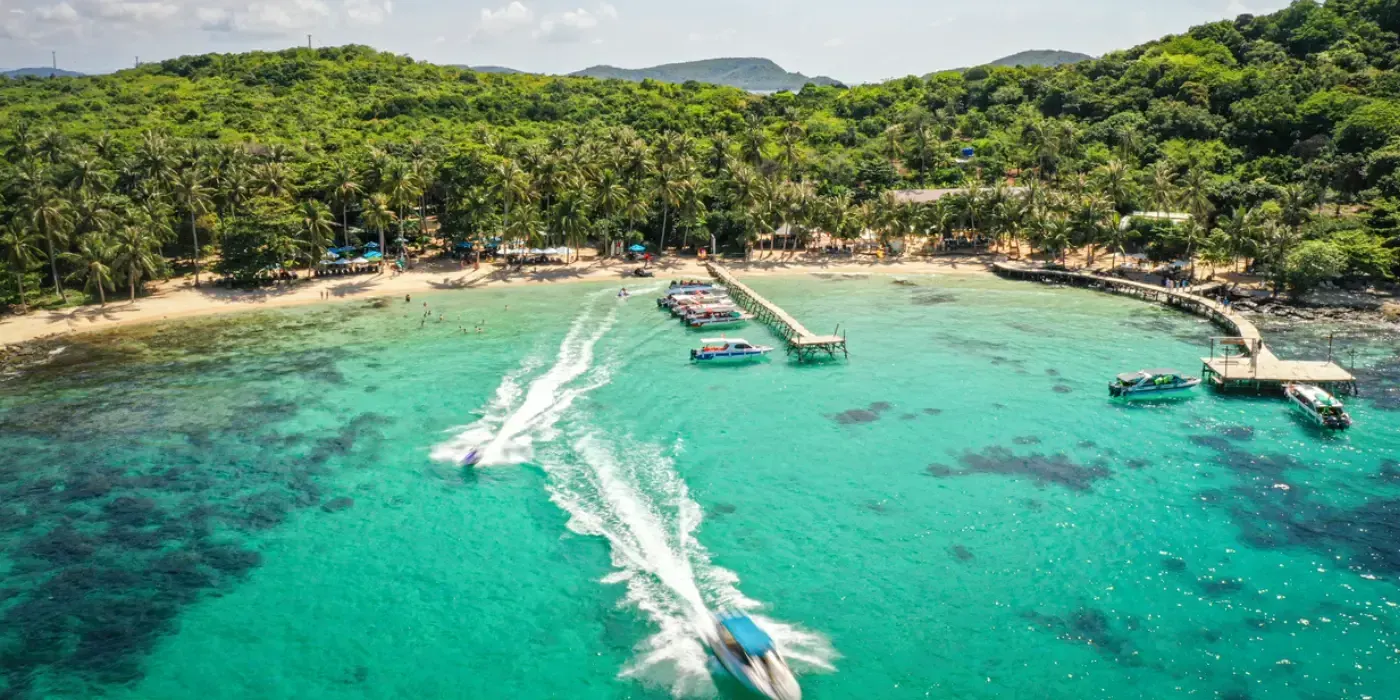
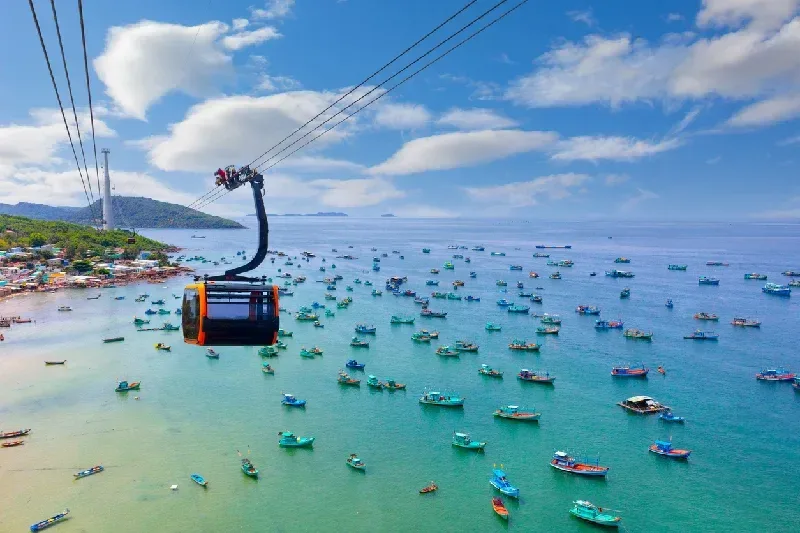
Phu Quoc has become Vietnam's flagship beach destination, and for good reason. Long Beach (Bãi Trường) on the west coast is a proper tropical beach with calm water, golden sand, and spectacular sunsets. Sao Beach on the south end is arguably more beautiful: powder-white, swimmable, and lined with good seafood shacks.
The caveat? Development is rapid. The northern part of the island has luxury resort complexes that feel oddly out of place. Go soon, or go to the quieter southern end where local fishing villages still set the tone.
- Getting there: 1-hour flight from Ho Chi Minh City, or overnight ferry from Rach Gia
- Stay: Northern Long Beach (budget/mid-range) or Sao Beach area (quieter, more local)
- Don't miss: Pepper farms, fish sauce factories, and the night market in Duong Dong town
- Best included in: Southern Vietnam travel packages combining HCMC + Mekong Delta + Phu Quoc
Customize Your Dream Vacation!
Get in touch with our local experts for an unforgettable journey.
Plan Your Trip
Da Nang & My Khe Beach: The Underrated City Beach
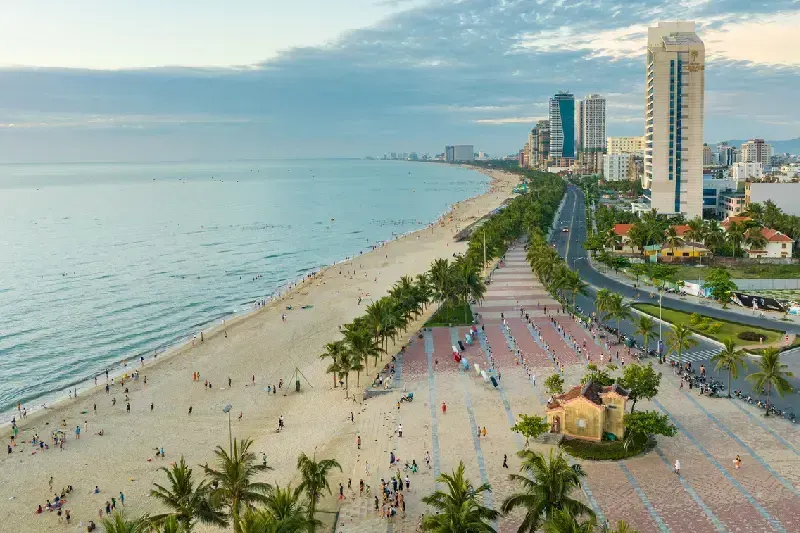
Da Nang doesn't get the romantic press that Hoi An does (it's just 30km south), but My Khe Beach is genuinely one of the best urban beaches in Asia. It's wide, clean, well-maintained, and remarkably uncrowded on weekday mornings. The city itself is modern and easy to navigate, great transport links, proper restaurants, and a coastline that goes on for miles.
The bonus: staying in Da Nang gives you easy access to Hoi An's lantern-lit streets, the Marble Mountains, and the Hai Van Pass, one of the most scenic coastal drives in Vietnam.
- Getting there: Direct international flights from many Asian hubs; trains from Hanoi and HCMC
- Stay: The beach strip north of the Han River for most beach access
- Don't miss: Riding the Hai Van Pass at sunrise, rent a motorbike or book a guided tour
- Best included in: Central Vietnam tours pairing Da Nang + Hoi An + Hue
An Bang Beach, Hoi An: The Chilled-Out Alternative
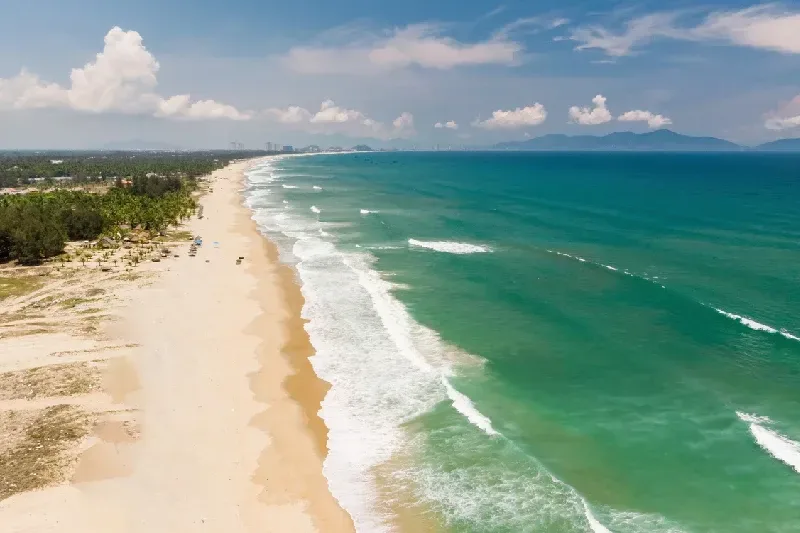
Everyone goes to Hoi An for the old town, but 4km east is An Bang Beach, a genuinely lovely stretch with a laid-back, slightly bohemian energy. Beach bars with hammocks, fresh-caught fish grilled on the spot, and a crowd that's more "second week of the trip" than "Instagram day-trip."
- Getting there: 15-minute bicycle ride or cheap taxi from Hoii An old town
- Stay: Small guesthouses right on the beach road, excellent value
- Don't miss: Early morning, before anyone else is up, you'll have it almost to yourself
Con Dao: Vietnam's Most Hauntingly Beautiful Island
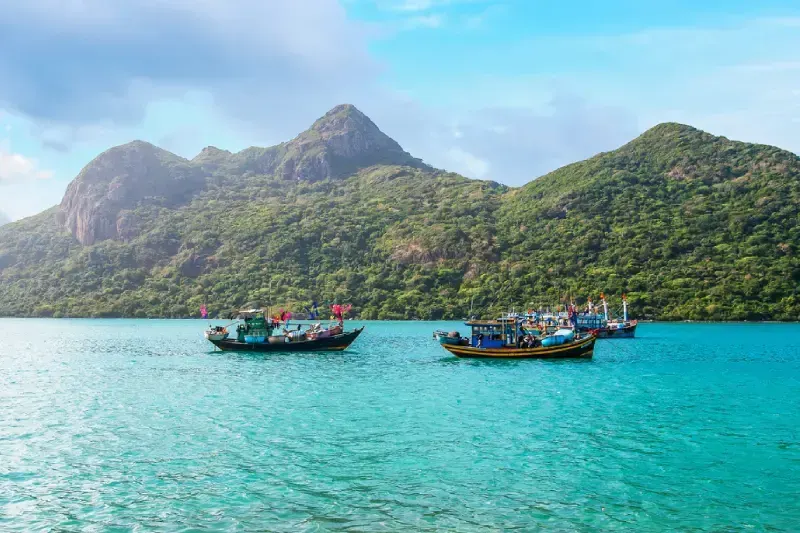
Con Dao is where Vietnam hides its most pristine beaches. The island sits in a national park, which limits development, meaning the coral is intact, the water is clear, and the beaches are uncrowded. It has a heavy history (it was a French and then American prison during the wars), which gives the place a weight that many visitors find deeply moving alongside its natural beauty.
Getting here takes effort, a short flight from HCMC or a long ferry, but the beaches here are legitimately world-class.
- Getting there: 45-min flight from HCMC (Con Dao Airport); ferry also available
- Stay: Limited options, book early. A small number of excellent boutique resorts
- Don't miss: Night-time turtle nesting season (June–September) on Bai Cat Lon
#When to Go: The Real Answer
This is where most guides get vague on you. Vietnam's weather doesn't follow a clean rule because the country is long and the monsoon hits different parts at different times. Here's the honest breakdown:
| Region | Best Months | Avoid | Beach Conditions |
| North (Ha Long Bay area) | Apr – Jun, Sep – Nov | Jul – Aug (storms), Jan – Feb (cold, grey) | Good but not tropical |
| Central (Da Nang, Hoi An) | Feb – Aug | Oct – Dec (typhoon season) | Excellent |
| South (Phu Quoc, Vung Tau) | Nov – Apr | May – Oct (monsoon, rough seas) | Best in Asia |
| Con Dao | Mar – Sep | Oct – Feb (rough) | Pristine & calm |
#Hidden Gems Worth the Detour
The beaches above are the ones you’ll find on most Vietnam tours. These are the spots that turn a good trip into a great one.
Bai Xep: The quiet fishing village beach near Quy Nhon
Quy Nhon is slowly appearing on travel itineraries, but Bai Xep, just a 15-minute drive south, is still peaceful and beautiful. A small cove with boats resting on the sand, a handful of simple guesthouses right on the beach, and some of the freshest seafood you’ll find anywhere in Vietnam.
Mui Ne: The kite surfer’s paradise
Mui Ne is popular with water sports enthusiasts but often missed by general tourists. From December to April, the wind is perfect for kitesurfing and windsurfing. Don’t miss the nearby red and white sand dunes at sunrise, hire a local to take you on a quad bike before the crowds arrive.
Lang Co: The beach between the mountain passes
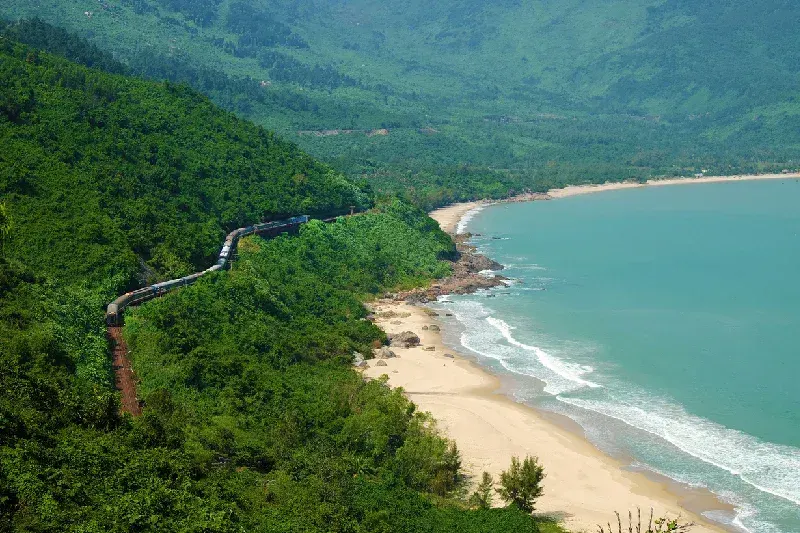
Nestled between the Hai Van Pass and the Phuoc Tuong Pass in central Vietnam, Lang Co is a long, quiet lagoon beach that most travelers drive past. It’s undeveloped in the best way, with a few local resorts, excellent seafood, and stunning views of the mountains behind you while you swim.
#Practical Tips Before You Book
A few things I wish someone had told me before my first Vietnam beach trip:
- Sunscreen matters more than you think. The UV index in southern Vietnam is brutal year-round. Pack reef-safe sunscreen, it's expensive locally.
- Beach towns are cash economies. Many beach vendors, small guesthouses, and seafood shacks don't take cards.
- Motorbikes are everywhere. On most beach roads, the cheapest and most flexible way to explore. If you're not confident, book a xe ôm (motorbike taxi) driver for the day instead.
- Jellyfish season varies by location. Ask locally before swimming, especially between May and October in central Vietnam.
- The early morning is your best friend. Most beach towns empty out between 5–7am. This is when the fishing boats come in, the light is extraordinary, and you'll have the best stretches to yourself.
#Finding the Right Vietnam Travel Package
Should you book a Vietnam guided tour or plan it yourself? It depends on your style. Vietnam is easy to explore independently, but organized tours have advantages:
- First-time visitors who want to see a lot without stress
- Travelers with limited time covering beaches, cities, and cultural sites
- Those visiting remote beaches or islands like Con Dao
- Divers wanting liveaboard tours
- Families or small groups needing flexibility and value
Choose packages that don’t cram too much. Balance coast and culture, like a few days in Hoi An, beach time, and a Ha Long Bay cruise, to truly enjoy Vietnam.
You’ll find amazing beaches along Vietnam’s coast, including My Khe in Da Nang, Bai Sao in Phu Quoc, and Lang Co near Hue. Each offers unique scenery and local experiences.
The best months are generally December to April, when the weather is dry and sunny. During the rainy season, showers are usually short, so you can still enjoy your trip.
Some popular beaches like Nha Trang or My Khe can get busy, but you’ll also find quieter spots like Bai Xep, Lang Co, and the outer Cham Islands if you want peace and solitude.
Yes! Beaches like Mui Ne and Phu Quoc are perfect for kitesurfing, windsurfing, and diving. Local operators make it easy to book lessons or equipment.
Absolutely. Many beaches, like An Bang in Hoi An or Bai Sao in Phu Quoc, have calm waters and soft sand, making them perfect for kids and family activities.
It’s a mix of natural beauty and local life. Fishing boats, coconut vendors, and quiet villages alongside resorts give you a real feel of Vietnamese coastal life.