Table of Contents:
#Douz: Gateway to the Sahara Desert
#Top Attractions and Things to Do in Douz
#Desert Tours and Activities
#Desert Tours and Activities
#Essential Travel Intelligence for Your Douz Adventure
#Conclusion
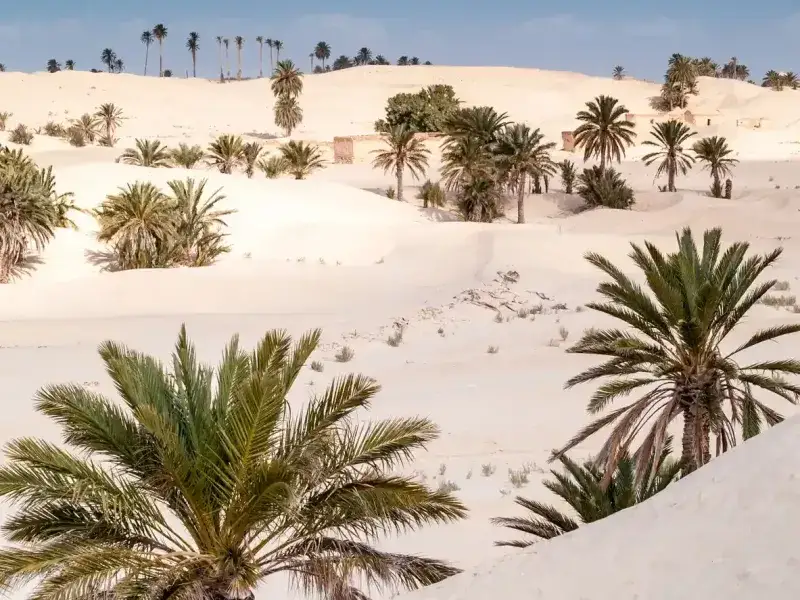
Picture stepping into a town where half a million date palms create emerald corridors against endless golden sand. This extraordinary place, Douz, awaits your discovery. Nestled in southern Tunisia, this remarkable settlement of 34,221 residents serves as your gateway to the vast Sahara, where ancient Mrazig traditions blend seamlessly with the timeless rhythm of desert life.
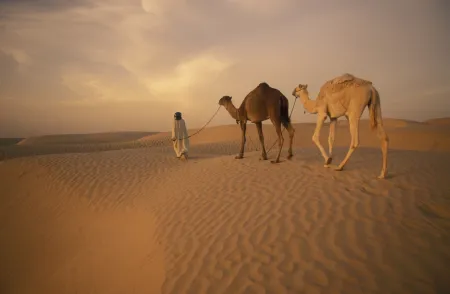
The town reveals itself as far more than just another desert outpost. Here, you'll encounter authentic camel caravans threading through towering dunes, witness age-old customs come alive during the spectacular International Festival of the Sahara, and explore traditional villages where time seems suspended between sand and sky. Douz beckons with adventures that span from gentle sunset rides atop swaying dromedaries to multi-day odysseys deep into the heart of the world's largest hot desert.
What follows unfolds as your complete exploration guide, a carefully curated journey through Douz's most captivating attractions, insider knowledge on desert excursions, practical wisdom for your 2026 Sahara expedition, and everything needed to unlock the mysteries of this enchanting oasis town. Your desert adventure story begins here, in this magical threshold between civilization and the infinite Sahara.

Location and Geography
Douz occupies a remarkable position within the Kebili Governorate of southern Tunisia, strategically placed 31 kilometers southwest of Blidet, 125 kilometers southeast of Tozeur, and 475 kilometers south of Tunis. The town claims its significance as the last outpost before the Sahara's infinite embrace, perched just south of the mesmerizing Chott el-Djerid salt flat. This precise geographical placement creates a fascinating threshold—civilization's final stand before dunes claim dominion over the landscape.
The Grand Erg Oriental unfolds beyond Douz's borders, presenting a spectacular sea of rolling dunes that sweeps 600 kilometers across the Sahara's northern frontier. Although this magnificent dune system primarily extends into Algeria, its most impressive heights, reaching approximately 300 meters, rise within Tunisia's borders. This proximity grants you immediate access to those iconic Sahara vistas that have captivated explorers and dreamers for millennia.
The Mrazig People and Local Culture
Deep cultural roots anchor Douz to its desert heritage through the Mrazig people, proud descendants of the Banu Sulaym Arab tribal confederation. Their remarkable journey began in the seventh century when ancestors departed the Arabian Peninsula, traversing Egypt and Libya before establishing permanent settlements in southern Tunisia during the thirteenth century. These sophisticated semi-nomadic communities selected Douz deliberately, recognizing that underground water sources created ideal conditions for date palm cultivation and livestock herding.
Desert mastery transformed the Mrazig into essential facilitators of trans-Saharan commerce, elevating Douz into a crucial caravan hub linking the Maghreb with sub-Saharan Africa. Gold, ivory, and precious spices passed through this desert crossroads along ancient trading routes. Modern Mrazig families have largely adopted settled lifestyles, yet they proudly preserve their nomadic heritage and camel-breeding expertise. This cultural continuity manifests beautifully every Thursday morning when the village square erupts into a bustling marketplace, where traditional crafts, livestock, and distinctive desert goods create a symphony of commerce and tradition.
Palm Oasis and Date Production
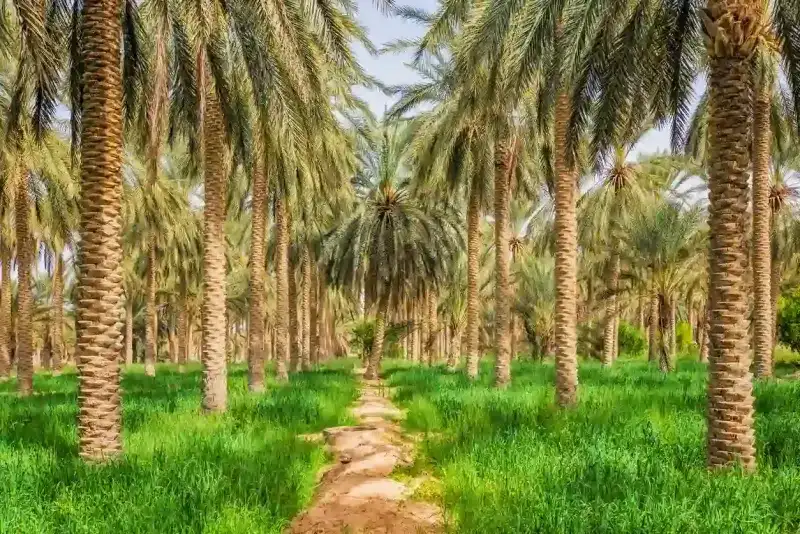
Agricultural abundance defines the Douz region through its impressive collection of over 500,000 date palm trees, predominantly featuring the prized Deglet Nour variety, renowned for its exceptional adaptation to arid environments. These towering palms constitute the area's economic backbone, with November ushering in the crucial harvest season that sustains local livelihoods. Sophisticated irrigation networks drawing from artesian wells and modern drip systems maintain this desert productivity.
Agricultural diversity appears in select households that cultivate olive trees, pomegranates, and figs alongside their date palms, creating productive mixed farming systems. However, dates maintain their dominance due to superior profitability and remarkable drought resistance. Contemporary challenges emerge from increasing water scarcity and soil salinization, casting uncertainty over future agricultural sustainability.
Ready to explore the Sahara from Douz? Discover unforgettable desert adventures, cultural experiences, and scenic oases with our expertly designed Tunisia Tours and start planning your journey today.

Sahara Museum
Step into this Andalusian-style edifice, established in 1997, where the nomadic heritage of the Nefzaoua region unfolds through meticulously curated displays. The museum's ethnographic collections illuminate the lives of four major nomadic tribes, with particular emphasis on the Mrazig people, whose desert mastery shaped this region's identity. Central to these exhibits stands the dromedary, those legendary "boats of the desert", represented through authentic marking instruments, weathered saddles, ornate harnesses, and samples of the hardy grasses that sustain these remarkable animals.
The main exhibition space centers around a magnificent full-sized tent, crafted from traditional wool and camel hair strips, furnished with genuine nomadic equipment, cooking implements, and goat skins that tell stories of desert survival. Women's exclusive weaving traditions come alive through demonstrations of both vertical and horizontal techniques used to create diverse textile forms. Ceremonial costumes for both genders grace the displays alongside exquisite silver ornaments, temporal pieces, delicate earrings, and intricate fibulas, while fascinating exhibits reveal the cultural significance of facial and body tattoos that once served as tribal identification markers.
Paradise Ranch Douz
Paradise Ranch Douz presents horseback exploration opportunities across the desert terrain. This establishment caters to those who prefer equestrian adventures over traditional camel expeditions when discovering the Sahara landscapes.
Thursday Weekly Market
Each Thursday morning, the village square witnesses a remarkable transformation as it becomes a vibrant trading hub where local commerce thrives. This gathering represents one of southern Tunisia's largest livestock exchanges, where camels, sheep, goats, and cattle change hands amid animated negotiations. Artisans showcase handwoven rugs displaying intricate patterns, pottery shaped by skilled hands, and traditional jewelry crafted with desert-inspired motifs, while vendors present the region's celebrated Deglet Nour dates alongside desert roses of remarkable proportions.
Traditional Desert Villages
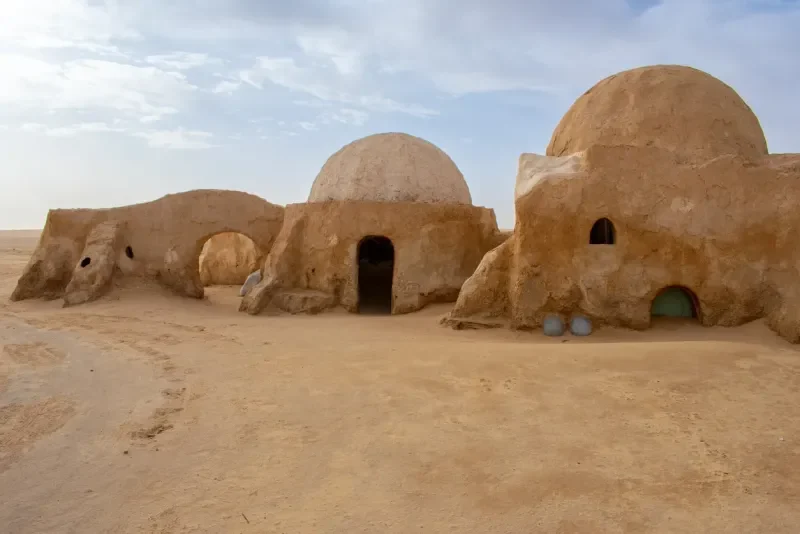
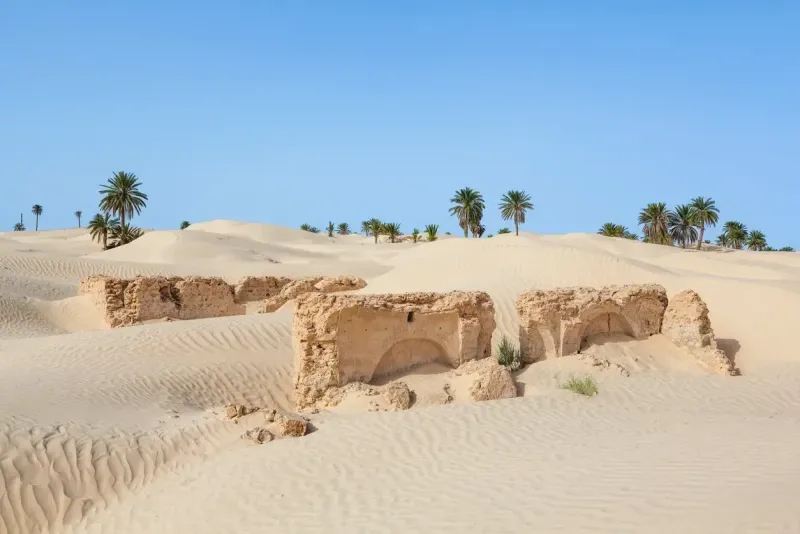
Between the undulating dunes and the mineral-rich expanse of Chott el-Jerid salt flat, three sandy settlements, Sabria, Nouil, and El Faouar, maintain their small oases with quiet determination. These communities preserve glimpses of authentic desert existence that extend beyond Douz's more developed areas.
Desert Photography Spots
The surrounding dunes create exceptional photography venues, particularly when evening light transforms sand into molten gold while profound silence blankets the landscape. Beyond the town's boundaries, uninterrupted sand formations extend toward every horizon, delivering that quintessential Sahara encounter photographers and adventurers seek.

Customize Your Dream Vacation!
Get in touch with our local experts for an unforgettable journey.
Plan Your Trip
Camel Rides and Multi-Day Treks
The ancient art of camel trekking opens doorways to authentic Sahara exploration from Douz. Multi-day expeditions spanning 2 or 3 days guide you into the desert's heart, where experienced Bedouin camel drivers, descendants of generations who mastered these dunes, lead 3-day journeys through landscapes painted in gold. Morning departures at 9 AM from your Douz accommodation mark the beginning of each adventure, complete with desert-prepared meals. Full-day expeditions feature midday feasts amid the sands, while abbreviated sunrise and sunset excursions offer intimate encounters with the dune fields.
Overnight Desert Camping
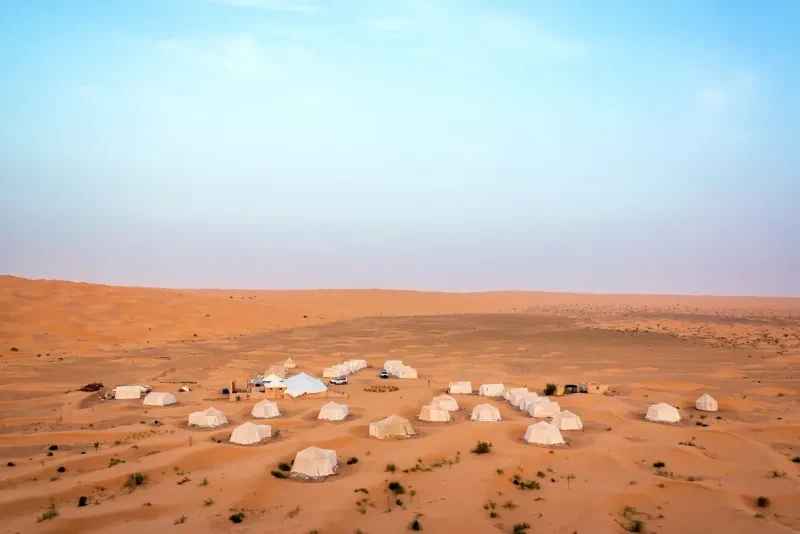
Desert camps emerge like mirages among the dunes, featuring private tent accommodations with communal facilities. Traditional Berber culinary artistry unfolds each evening, where bread baked directly in heated sand accompanies dinner under star-scattered skies. Two-day packages typically range between USD 111 and USD 128. Witnesses to both the Sahara's daily death and rebirth through sunset and sunrise, campers often gather around crackling fires for traditional drumming ceremonies. Luxury camping elevates the experience with ceremonial mint tea service, gourmet desert cuisine, and haunting melodies of traditional music.
Quad and Buggy Adventures
Motorized exploration provides high-energy alternatives to dromedary travel. Quad biking sessions accommodate various time preferences: 1-hour introductions, 2-hour expeditions, or extended 2.5-hour adventures through undulating terrain. Half-day excursions venture beyond pure sand into the contrasting palm grove landscapes. Complete protective gear accompanies each ride: helmets, sand hoods, and specialized goggles shield against the desert's abrasive elements. Expert guides navigate you through natural amphitheaters where dunes tower six stories overhead.
4x4 Sahara Expeditions
Four-wheel drive safaris merge comfort with rugged adventure across varied desert terrain. These expeditions traverse both towering sand formations and crystalline salt flats, incorporating stops at Chott El Jerid's otherworldly expanse and traditional Berber settlements. Two-hour journeys from Douz transport you to luxury desert camps positioned strategically for optimal desert immersion. Second-day itineraries feature explorations of Ong Jemel's distinctive rock formations and centuries-old desert water sources.
Sandboarding and Desert Sports
Sandboarding transforms steep dune faces into natural playgrounds for thrill-seekers. Various desert sporting activities accommodate different skill levels and adventure preferences.
Guided Nature Tours
Bedouin naturalists share ancestral knowledge about desert ecosystems, wildlife adaptations, and cultural traditions woven into the landscape. These educational journeys span from focused 2-3 hour explorations to extensive multi-day ventures deeper into the Sahara's mysteries.

Accommodation Options That Define Your Desert Experience
Douz presents accommodation choices that range from opulent retreats to authentic desert immersion. The Residence Douz stands as the town's premier luxury establishment, featuring seasonal swimming pools, rejuvenating spa treatments, and refined dining experiences. El Mouradi Douz creates an inviting middle-ground option with beautifully maintained gardens and organized desert excursions at reasonable rates.
Budget-conscious travelers discover excellent value at Sahara Douz and Residence Nour Douz, both strategically positioned within walking distance of the town's central attractions. For those seeking authentic desert sleeping under canvas, Camping Dunes Insolites Es Sabria presents traditional tent accommodations enhanced with contemporary amenities, including private bathrooms and climate control.
Culinary Discoveries Await Your Palate
Douz's dining landscape reflects the rich flavors of southern Tunisian cuisine. Restaurant La Porte De Sahara specializes in authentic regional dishes, offering halal preparations and pleasant terrace seating. Restaurant Elbey welcomes guests with traditional recipes served in comfortable surroundings. Restaurant Les Palmiers showcases the distinct culinary heritage of the Nefzaoua region with genuine local hospitality. Local establishments typically offer satisfying meals at remarkably affordable prices, generally ranging between 3 and 6 euros.
Transportation Routes to Your Desert Gateway
Several transportation options connect major Tunisian cities to Douz. SNTRI operates a daily bus service departing Tunis at 11:00 AM, reaching Douz by 7:45 PM. Shared taxi services (louages) offer faster journey times through Gabes as an intermediate stop. Road travelers face a 304-mile drive from Tunis Airport, requiring approximately seven hours of driving time. Alternative routing through Tozeur airport, followed by ground transportation, can reduce total travel time significantly.
Optimal Timing for Your Sahara Expedition
Desert climate patterns dictate the most favorable visiting periods. Spring months from March through May and autumn from September through November deliver moderate temperatures perfect for outdoor desert activities. These shoulder seasons also mean fewer crowds while weather conditions remain predictably pleasant. The extended comfortable period spans October through April for those planning longer stays or multiple desert excursions. December brings the spectacular International Festival of the Sahara, celebrating centuries-old Bedouin cultural traditions. The summer months of July and August present challenging conditions with temperatures regularly surpassing 40°C.

Your journey through this remarkable desert threshold reveals Douz as far more than a simple waystation; it stands as a living testament to centuries of Mrazig wisdom and Saharan mystique. The convergence of ancient caravan traditions with modern adventure possibilities creates something truly extraordinary: a place where authentic desert culture thrives alongside thrilling exploration opportunities.
The rhythm of this oasis town pulses with discoveries waiting around every corner. Whether you find yourself swaying atop a camel through shifting dunes, bargaining for treasures at the animated Thursday souk, or sharing mint tea under infinite stars, Douz weaves its spell through genuine encounters rather than manufactured experiences.
Timing becomes your ally when planned thoughtfully those golden months of spring and autumn transform the desert into its most welcoming state. Choose your guides with care, for their knowledge unlocks stories the dunes have guarded for millennia.
Your 2026 Saharan chapter waits to unfold in this extraordinary corner of Tunisia, where palm fronds whisper ancient secrets and golden sands stretch toward horizons that promise wonder beyond imagination.
Is Douz worth visiting?
Yes, Douz is absolutely worth visiting for authentic Sahara Desert experiences. As Tunisia's gateway to the Sahara, you'll get incredible camel treks, overnight desert camps, towering dunes, and genuine Mrazig Bedouin culture. The Thursday souk is fascinating, and multi-day desert expeditions are unforgettable. Visit during spring (March-May) or autumn (September-November) for perfect weather. Douz feels more authentic and less commercialized than Morocco's desert towns.
What to do in Douz?
Top things to do in Douz: multi-day camel treks into Grand Erg Oriental dunes, overnight Bedouin camps under stars, quad biking across dunes, 4x4 Sahara expeditions to Chott el-Djerid salt flats, Sahara Museum visits, Thursday livestock and crafts souk, sandboarding, horseback riding at Paradise Ranch, and exploring traditional desert villages. The International Festival of the Sahara in December showcases authentic Bedouin culture.
What is Douz famous for?
Douz is famous as Tunisia's "Gateway to the Sahara." Known for 500,000 date palm trees (especially Deglet Nour dates), authentic camel caravans and desert treks, the International Festival of the Sahara each December, Mrazig Bedouin heritage, and the massive Thursday souk (southern Tunisia's largest livestock market). It's the last major town before the endless Sahara begins. Tunisia's most authentic desert experience.
What is the food like in Douz?
Douz food reflects southern Tunisian desert cuisine with Bedouin influences. Expect couscous with lamb, brik (fried egg pastry), harissa-spiced stews, mechouia salad, and fresh Deglet Nour dates. Restaurants like La Porte De Sahara serve authentic regional dishes. Desert camps prepare traditional sand-baked bread and tagines. Meals cost 3-6 euros and are hearty, filling, and authentic, less refined than coastal Tunisia but more traditional.
Can I brush my teeth with tap water in Tunisia?
Yes, brushing teeth with Tunisian tap water is safe. It's treated and chlorinated, so brief contact during brushing won't cause problems. Don't drink it or swallow large amounts, but tap water for teeth brushing is fine. In remote areas like Douz or desert camps, use bottled water for everything. I've brushed with tap water throughout Tunisia without issues.
Is it safe to have ice in your drinks in Tunisia?
Generally, yes, at hotels, restaurants, and tourist establishments, they use filtered or bottled water for ice. Major tourist areas (Tunis, Hammamet, Sousse, Djerba) have reliable ice safety. Avoid ice at street vendors, small cafes in remote areas, or anywhere with questionable hygiene. When in doubt, ask if the ice is from bottled water or order without ice. I've had ice in Tunisian hotels/restaurants without problems.