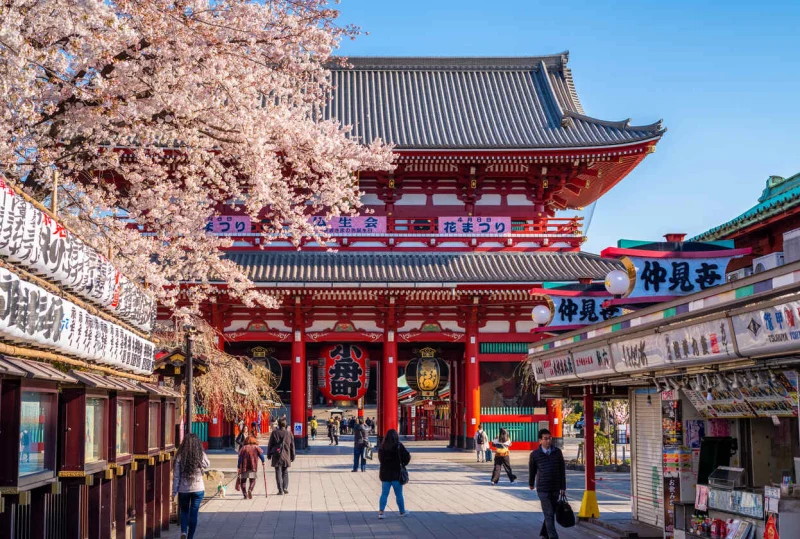
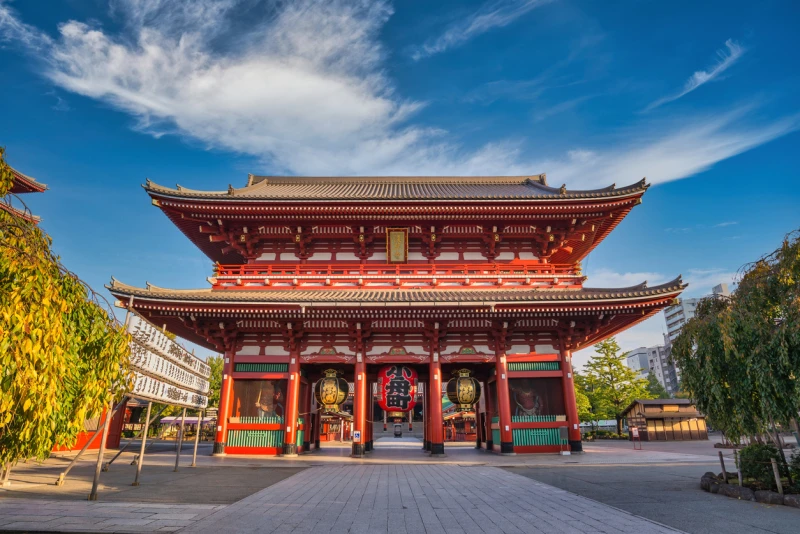
Sensoji Temple

#Visiting Sensoji: Timing Matters
#Nakamise: The Shopping Street
#Asakusa District: Beyond the Temple
#Sensoji Temple Visiting Guide
#Photography at Sensoji Temple
#Sensoji VS Other Tokyo Temples
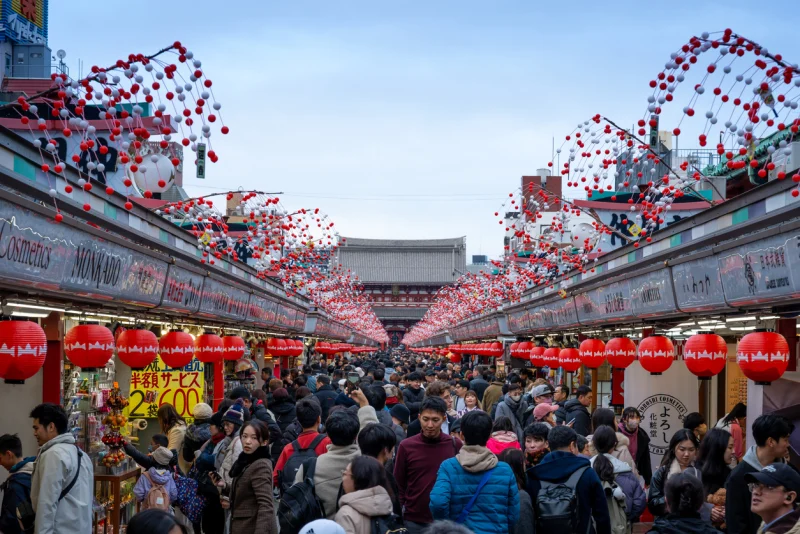
Sensoji Temple is Tokyo's most visited temple. 2.7 million visitors annually. Thousands daily. Walking toward the main hall, you're surrounded by crowds, souvenir shops, tour groups speaking every language. It's chaotic, overwhelming, utterly touristy. You might wonder if there's any authenticity remaining.
There is. But finding it requires understanding Sensoji's dual nature: functioning temple where monks pray daily, and heritage tourism site where millions walk annually. Navigating both reveals something authentic—how traditional Japan exists within modern tourism, how ancient practice survives modern crowds, how spiritual spaces persist despite commercialization.
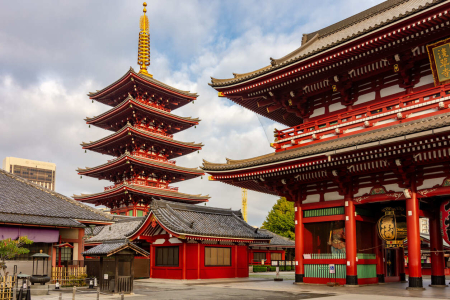
Sensoji Temple (also called Asakusa Shrine in some contexts) is Buddhist temple founded 645 CE. One of Tokyo's oldest temples. Dedicated to Kannon Bodhisattva (goddess of mercy). Over 1,400 years of continuous worship. Functionally operating temple where priests conduct ceremonies daily. Also Japan's most famous tourist temple.
According to legend, two brothers fishing found golden statue of Kannon in Sumida River. They built temple to honor the goddess. Temple survived fires, earthquakes, wars, became cultural center. During Edo period (1600-1868), Asakusa district surrounding temple became entertainment and commercial hub. That commercial energy persists today.
Peak Times (Absolutely Avoid):
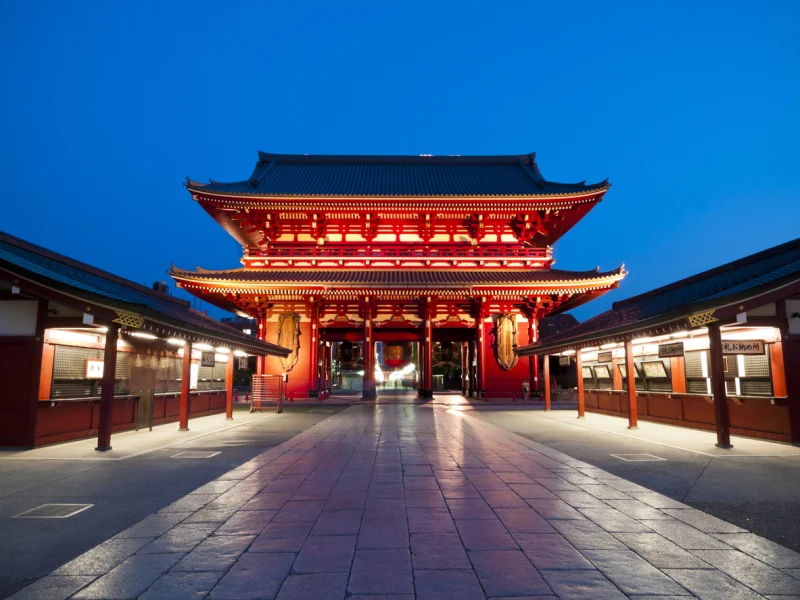
Arriving at 6-7 AM reveals Sensoji most people never see. Temple prepares for day. Monks conduct morning prayers. Elderly locals perform morning worship. Street lights still on, temple illuminated. Morning air fresh. Photography extraordinary. Emotional experience authentic.
You understand why 1,400 years ago someone built temple here. Why millions still come. Why monks continue practicing. The morning reveals purpose beneath tourism.
For Genuine Experience:
For Photos:
For Minimal Crowds:
Get in touch with our local experts for an unforgettable journey.
Plan Your TripUpon entering, wash hands and mouth at stone basins (temizuya). This ritual purifies before approaching sacred space. Fill ladle with water, wash left hand, right hand, rinse mouth, clean ladle handle.
Why It Matters: Ritual connects you to centuries of worshippers. Physical act of purification reflects spiritual intention. Whether religious or not, participating respects tradition.
Important: Don't photograph people praying. Don't be loud. Don't rush. Respect ongoing spiritual practice.
Wooden sticks with fortunes printed on them. Cost €2-3. Draw stick randomly, receive fortune in English/Japanese. Ancient tradition of seeking divine guidance. Believers hang fortunes on designated string to leave with temple.
Prices: 30-50% higher than elsewhere in Tokyo. You're paying for location/tourism.
Quality: Mixed. Some genuine traditional crafts (expensive). Much mass-produced souvenirs (cheap).
Authenticity: Mostly tourism-focused. But hidden gems exist—small artisan stalls making items by hand.
Skip: Generic souvenirs (keychains, magnets). Available everywhere cheaper elsewhere.
Beyond temple, Nakamise continues with shops, restaurants, cafés. Less crowded than temple shopping street. More diverse offerings. Better for exploration without temple-specific focus.
Temple is anchor, but Asakusa district reveals Tokyo's living community. Residents shop here, work nearby, socialize evenings. Exploring beyond temple connects you to actual neighborhood life, not just tourism.
Recommendation: 2 hours minimum. Less feels rushed. More allows experiencing Asakusa district.
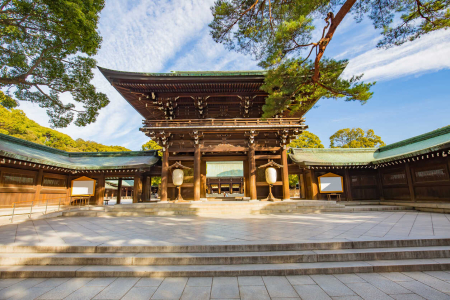
Larger, peaceful, forest setting. 100% free entry. Far fewer crowds than Sensoji despite being famous. More spiritual, less commercial. Located near Harajuku. Excellent as Sensoji alternative or complement.
Comparison: Sensoji crowded + commercial, Meiji peaceful + spiritual. Both worth visiting for different experiences.
Smaller, architectural photography opportunities. Near Tokyo Tower. English signage. Fewer crowds than Sensoji. More accessible to tourists.
Comparison: Sensoji iconic + crowded, Zoji-ji photogenic + quieter.
Modern architecture mixed with traditional elements. Active Buddhist center. Fewer tourists than Sensoji. More authentic functioning temple.
Comparison: Sensoji tourist-heavy, Tsukiji working temple with tourists.
Visit Sensoji for iconic experience. Supplement with other temples for authentic Buddhism understanding. Single temple visit incomplete—multiple temples reveal different aspects of Japanese Buddhism.
Sensō-ji Temple is undeniably touristy, with massive crowds and clear commercialization, yet beneath it all 1,400 years of spiritual practice continue—monks still pray, worshippers still visit, and rituals endure because they hold real meaning. The temple functions as both a major tourist attraction and a living sacred space, and experiencing it authentically means accepting both realities. Visit early in the morning when crowds are lighter, take time to understand the rituals, and respect ongoing practices. Its true value lies not despite tourism, but in how spirituality and tourism coexist, and understanding this duality completes the experience.
Sensō-ji Temple isn’t Tokyo’s only temple or even the most peaceful—but iJapan tourst’s the most significant, architecturally, historically, and culturally. Visiting makes sense, but understanding it is what makes the experience meaningful, especially for those exploring Japan tours.
Visit sunrise (6-7 AM)—nearly empty, beautiful light, spiritual atmosphere. Early morning (7-9 AM) manageable crowds. Avoid 11 AM-4 PM entirely (peak tourist hours). Late evening (6-8 PM) people departing. Weekday mornings quieter than weekends. June and January have fewer tourists. Sunrise visit transforms experience completely.
No entrance fee. Temple entry free. Donations voluntary (€0.50-2 at donation box). Some adjacent buildings may charge (small museums, separate attractions). Main temple and grounds completely free. You can worship or walk without spending money beyond optional donations.
Large incense burners (placed centrally) constantly burning. Incense integral to Buddhist practice (carries prayers to heaven traditionally). Scent overwhelming for some. Locals and regular visitors don't notice. If bothered, keep visit short or return evenings (less incense burning). Incense not unpleasant—just intense environment.
Yes. Main hall open to public. Remove shoes if instructed. Walk respectfully. Observe worship silently. Photography prohibited inside. Don't interrupt prayers. Monks continue ceremonies regardless of visitors. Welcome to observe spiritual practice respectfully. Many non-religious visitors simply observe cultural experience.
Prices inflated (50% markup typical). For souvenirs, better deals elsewhere in Tokyo. Worth buying: fresh snacks (senbei, mochi made there), specific Asakusa items. Skip: generic souvenirs. Go early morning (9-10 AM) for better selection, less crowding. Bargaining acceptable at some stalls.
Rushed visit: 30-45 minutes (main hall, quick walk). Typical visit: 1-2 hours (rituals, shopping, exploration). Thorough visit: 2-3 hours (morning ritual, neighborhood). Add 1 hour if eating meal in area. Early morning sunrise visit becomes 3-4 hours naturally with breakfast included.
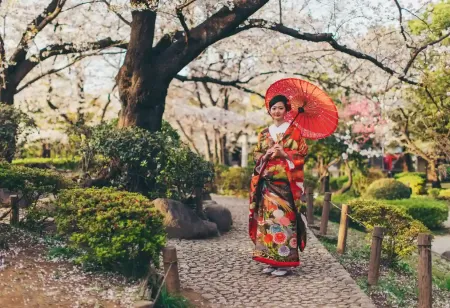
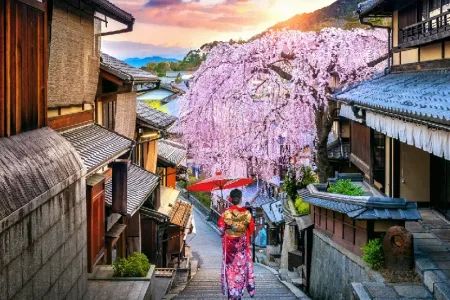
Yes, appreciated. Wearing yukata or traditional clothing shows respect and cultural interest. Many tourists rent yukata (€30-50) for day. Locals appreciate effort. Not necessary—respectful modern clothing acceptable. If wearing traditional clothes, carry yourself respectfully (not costume performance).
No flash, no photographing worshippers. Outside areas allow photography generally. Main hall interior photography prohibited to respect worshippers. Exterior, grounds, Nakamise freely photographable. Respect individual restrictions—some shops prohibit photography. Ask permission photographing people.
Sensoji is Tokyo's most famous temple but madly crowded. Master visiting times, understand rituals, explore beyond tourists. Real temple experience awaits.
Meiji Shrine offers Tokyo's most peaceful spiritual experience. Forest sanctuary, authentic rituals, no crowds, free entry. Escape the city's chaos here.
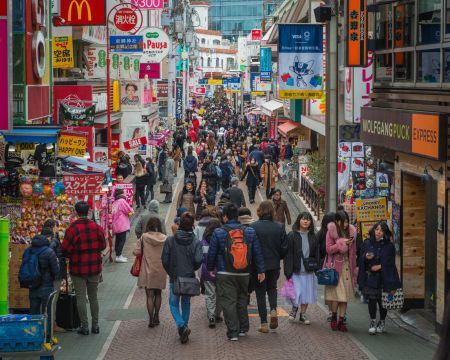
Harajuku is a bustling district in Tokyo famous for its cutting-edge fashion, diverse street styles, youth culture, quirky shops, and vibrant atmosphere that attracts millions of visitors annually.
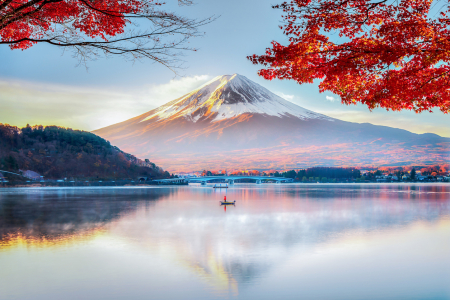
Mount Fuji is more than icon. Sacred mountain, spiritual experience, challenging climb. View from trains or climb summit. Japan's soul embodied in one peak.
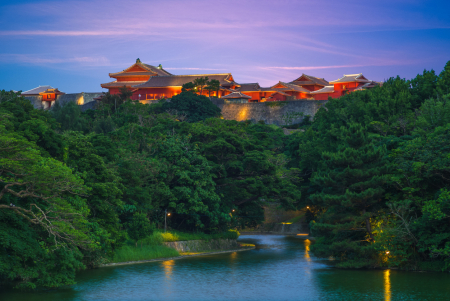
Ryukyuan culture isn't Japanese—it's distinct. Island heritage, different language, unique traditions, spiritual practices. Okinawa's soul revealed.
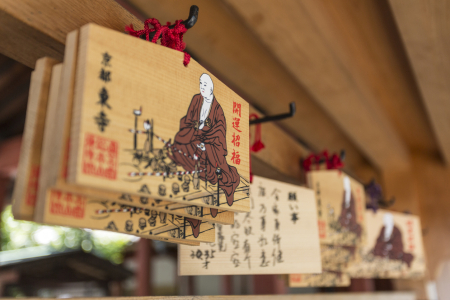
Toji Temple stands as one of Japan's most iconic Buddhist temples in Kyoto, famous for its five-story pagoda, monthly flea markets, and profound spiritual significance.