Kyoto

#The Temples: Beyond Fushimi Inari
#The Experiences: Beyond Sightseeing
Everyone has the same Kyoto photo. You know it—standing in Fushimi Inari Shrine's thousands of red torii gates with 5,000 other people, taking identical photos. It's beautiful. It's also what everyone does. Which means you're experiencing Kyoto's Instagram version, not Kyoto's actual version.
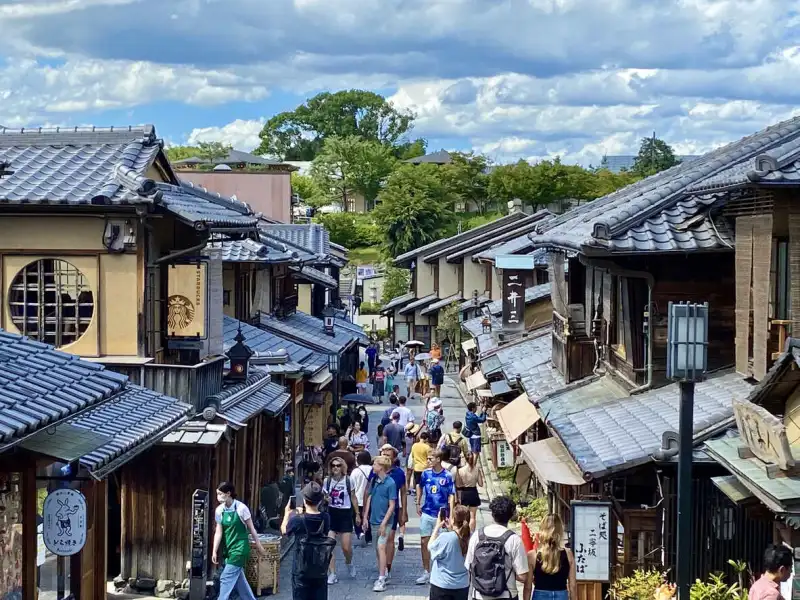
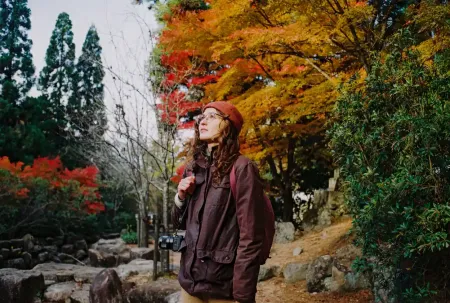
Real Kyoto exists in quiet temple gardens where tourists don't walk. Real Kyoto lives in geisha districts where traditions continue because they're meaningful, not because tourists came. Real Kyoto tastes like seasonal vegetables prepared with centuries of technique. Real Kyoto feels like stepping backward 300 years while modern Japan surrounds you.
This guide isn't about avoiding famous places. It's about understanding Kyoto deeply. Famous places matter. But they're entry points. The real experience comes from exploring beyond what Instagram tells you to photograph.
Kyoto was Japan's imperial capital for over 1,000 years. It remains the cultural heart—temples, traditions, arts, crafts, food, spiritual practices. Unlike Tokyo's modernity, Kyoto preserved tradition. Walking Kyoto's streets reveals Japanese history preserved in wood, stone, and gardens.
Today, 1.5 million people live in Kyoto. Two million tourists visit annually. This creates tension: ancient culture surrounded by tourism infrastructure. Understanding this tension—balancing exploration with respect—defines authentic Kyoto experience.
Kyoto is beautiful. But it requires intention. Random wandering finds tourists. Thoughtful planning finds Japan.
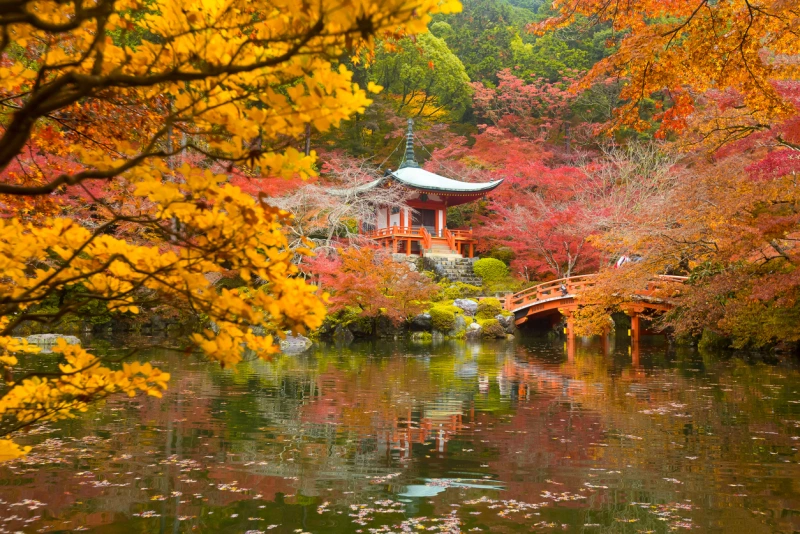
Kyoto has 2,000+ temples. Not all equal. Understanding the hierarchy prevents wasting time on mediocre temples or joining tourist crowds at famous ones.
Get in touch with our local experts for an unforgettable journey.
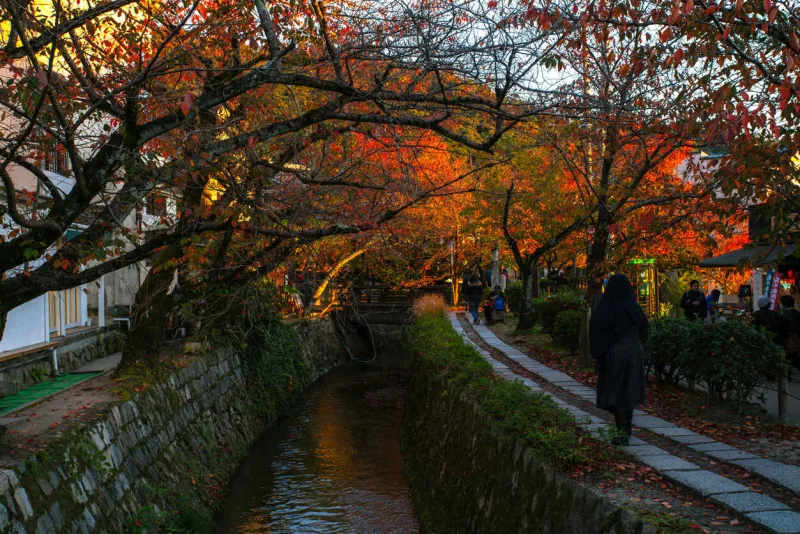
Plan Your TripPhilosopher's Path is small canal-side walking path in north Kyoto. Lined with cherry trees (spring), maples (fall), temples, cafés. Mostly local users, few tourists.
What's There:
When to Visit:
Pro Tips:
Why It Matters: Philosopher's Path shows Kyoto locals use—not tourist creation but locals discovering beauty. Walking here connects you to how Kyotoites actually experience their city.
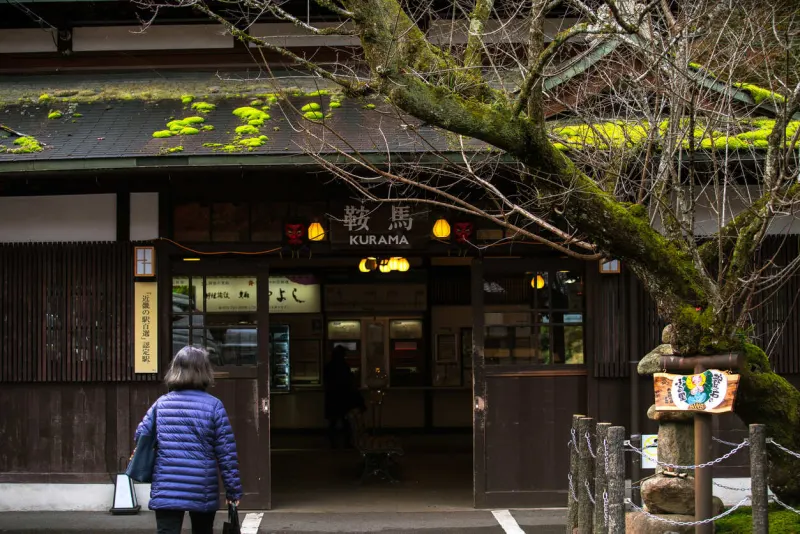
North of Kyoto, mountain villages Kurama and Kibune offer escape from city. Traditional villages, hiking, onsen (hot springs), local restaurants.
What's There:
Best Times:
Pro Tips:
Why It Matters: Mountains surrounding Kyoto reveal how close traditional Japan remains. 45 minutes by train from city center, completely different atmosphere. Shows Kyoto's integration of urban and natural.
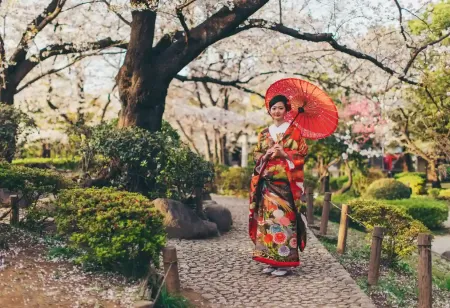
Kyoto preserves geisha tradition. Geishas are artists—trained in music, dance, conversation, cultural knowledge. Meeting geishas reveals art form, not stereotypes.
How to Experience:
Pro Tips:
Why It Matters: Geisha tradition represents women's artistic independence, historical continuity, cultural preservation. Understanding geishas reveals Kyoto's deep culture.
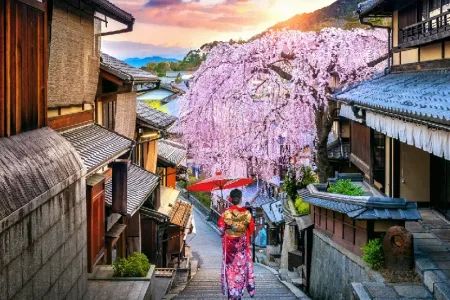
Kyoto transforms seasonally. Visiting durin specific seasons reveals different beauty.
Kyoto is center of Japanese traditional crafts. Silk weaving, pottery, woodworking, calligraphy, painting.
Where to Experience:
Pro Tips:
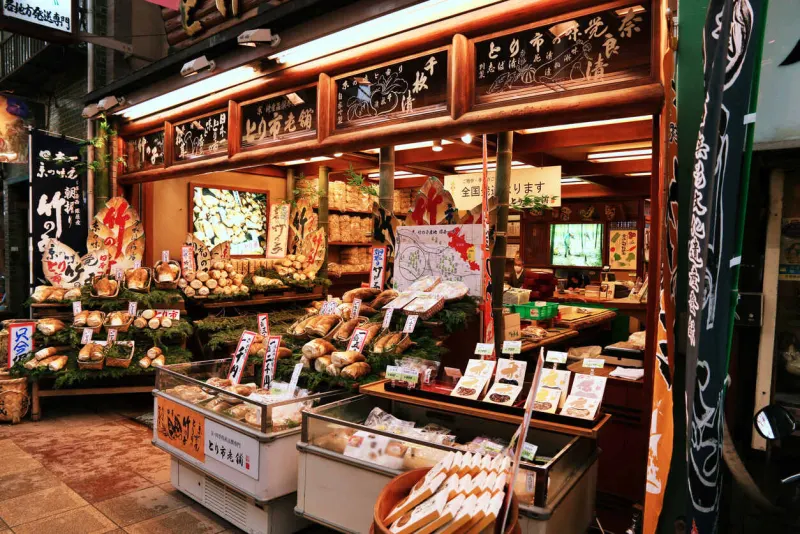
Kyoto's food reflects seasonal, traditional philosophy.
Kaiseki: Multi-course fine dining (€80-200). Seasonal vegetables, traditional preparation, artistic presentation. Special experience, worth once.
Kyoto-style Ryori: Regional dishes specific to Kyoto. Yudofu (tofu hot pot) (€15-25), soba (€10-15), vegetable-focused meals reflecting Buddhist influence.
Street Food: Mochi (rice cakes) (€2-4), takoyaki (€3-5), street vendor items (€3-5).
Markets: Omicho Market (less touristy than Tokyo versions), neighborhood shops.
Pro Tips:
Train: Kyoto has excellent train network. JR, private railways, subway. Cheap, efficient, frequent.
Buses: Extensive bus network. Cheaper than trains for single rides but confusing for visitors. Passes available.
Bicycle: Renting bicycles (€5-10/day) allows exploring at own pace. Flat terrain mostly bikeable. Locals use bicycles extensively.
Walking: Many areas walkable. Distances larger than expected. Comfortable shoes essential.
Taxis: Expensive. Only use if time-pressured or carrying luggage.
Passes: Kyoto bus pass (€8/day) useful if using buses frequently.
Best Times: October-November (autumn colors, perfect weather, manageable crowds), April-early May (cherry blossoms, pleasant weather).
Avoid: Peak spring (late March-April), summer school breaks (August).
Good Times: June (rainy but quiet), September-October (warm but less crowded), December-February (cold but peaceful, cheapest).
Duration: 3-4 days minimum. Allows experiencing multiple neighborhoods, temples, experiences without rushing.
Kyoto is complex. Ancient and modern coexisting. Tradition and tourism intersecting. Famous places and hidden gems both valuable. Understanding Kyoto means balancing both—appreciating famous temples while seeking neighborhood temples, visiting Gion while exploring hidden streets, experiencing what all tourists do while seeking what tourists miss.
Kyoto's soul persists beneath tourism—available to travelers willing to look deeper, especially through carefully designed Japan travel packages.
2 days: rush, major temples only, touristy experience. 3-4 days: recommended minimum. Allows temples, neighborhoods, experiences without overwhelming pace. 5+ days: ideal. Slower exploration, deeper culture, multiple neighborhoods fully experienced. Longer stays reveal Kyoto's rhythms, local life, seasonal beauty more completely.
Yes, visit but early morning (6-7 AM) or late evening (6-7 PM). Gates genuinely beautiful, spiritually significant. Morning visits offer solitude, stunning light, authentic experience. Late evening offers atmospheric lighting. Midday absolutely avoid (5,000+ people). Visit strategically for best experience.
Beautiful but incredibly crowded (March late-April). Hotels full weeks ahead. Prices peak. Restaurants packed. Unless specifically seeking blossoms, consider other seasons. Fall (October-November) equally beautiful without crowds. Spring early April (post-blossom) has good weather and fewer visitors.
English adequate in Kyoto (major city). Hotels, restaurants, tourist areas have English. Translation apps help. Rural areas (Kurama, small temples) less English. Learning basic phrases (hello, thank you, excuse me) appreciated. Don't stress—communication happens with effort and patience.
Moderately expensive. Accommodation €40-100/night. Meals €8-30. Temple entries €5-15. Tours €30-80. Daily budget €80-150 comfortably. Cheaper than Tokyo, more expensive than rural Japan. Off-season (June, January-February) reduces costs 20-30%. Budget travelers manage fine; luxury travelers spend accordingly.
Yes, but rush. Bullet train Tokyo-Kyoto 2 hours 15 minutes (€120). Day trip possible but tiring. Better staying overnight. If day-tripping, focus single area (temple cluster, neighborhood). Slow travel allows deeper experience than rushed day visit. 3-4 nights recommended minimum.
Both work. Solo travel offers flexibility, pace control, deeper observation. Group travel provides shared experience, social atmosphere, companionship. Neither better—different. Solo travelers: join tours/classes for social interaction. Group travelers: allow individual exploration time. Both experience Kyoto differently but fully.
From ancient temples to neon-lit streets, this Tokyo wiki covers everything — history, culture, food, districts & tips to help you explore Japan's capital.
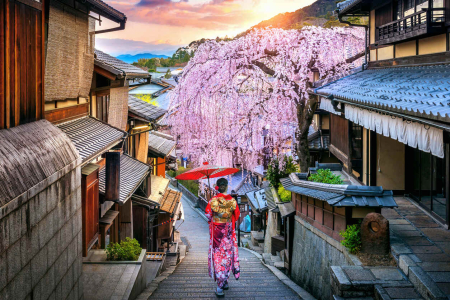
Kyoto is more than Instagram temples. Experience authentic geisha traditions, quiet neighborhoods, seasonal beauty, local food culture. Real ancient Japan.
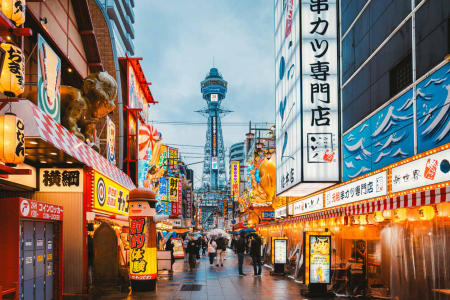
Osaka is Japan's real heartbeat. Incredible street food, affordable luxury, genuine hospitality, vibrant nightlife. Skip Tokyo crowds, experience authentic Japan.
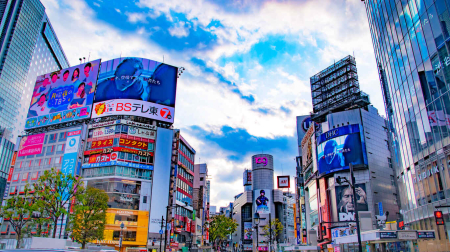
Shibuya is Tokyo's party capital. World-famous crossing, vibrant nightlife, trendy shopping, youth energy. Stay up late, shop, eat, dance, live.
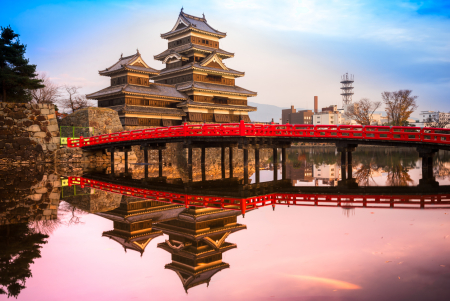
Matsumoto is hidden gem. Stunning castle, mountain backdrop, authentic culture. Less crowded than Kyoto, more accessible than remote destinations. Worth visiting.