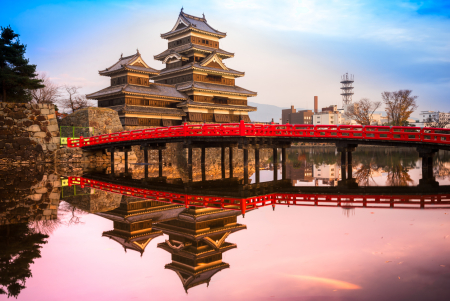
Osaka

#Neighborhoods: Real Osaka Living
#The Food Scence: Osaka's True Heart
Osaka is Tokyo's opposite. Where Tokyo perfects and polishes, Osaka embraces chaos. Where Tokyo whispers, Osaka shouts. Where Tokyo is formal, Osaka is relaxed. And somehow, this apparent disorder makes Osaka more authentically Japanese than Japan's carefully curated capital.
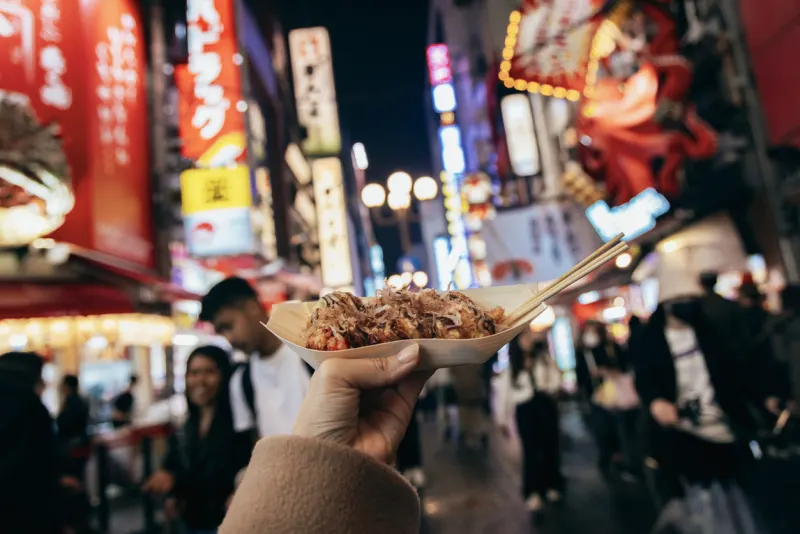
Osaka is known as "Japan's Kitchen"—a title earned. Food culture so intense, conversations start and end with "what did you eat?" Street food vendors shout proudly. Locals debate which takoyaki vendor reigns supreme with genuine passion. This isn't pretense. This is how Osaka lives.
Coming to Japan and skipping Osaka means missing genuine Japan. Tokyo shows what Japan became. Osaka shows what Japan actually is.
Osaka was historically Japan's commercial hub. While Tokyo governed, Osaka traded. This merchant culture persists—practical, direct, money-valuing. But also generous. Osaka hospitality famous for warmth exceeding Tokyo's formality.
Osaka is also younger demographically. More students, more young professionals, more creative energy. This youth infuses everything—nightlife vibrant, dining adventurous, atmosphere energetic.
Most importantly, Osaka remains genuinely Japanese rather than performing Japanese for tourists. You experience Japan for locals, not tourists.
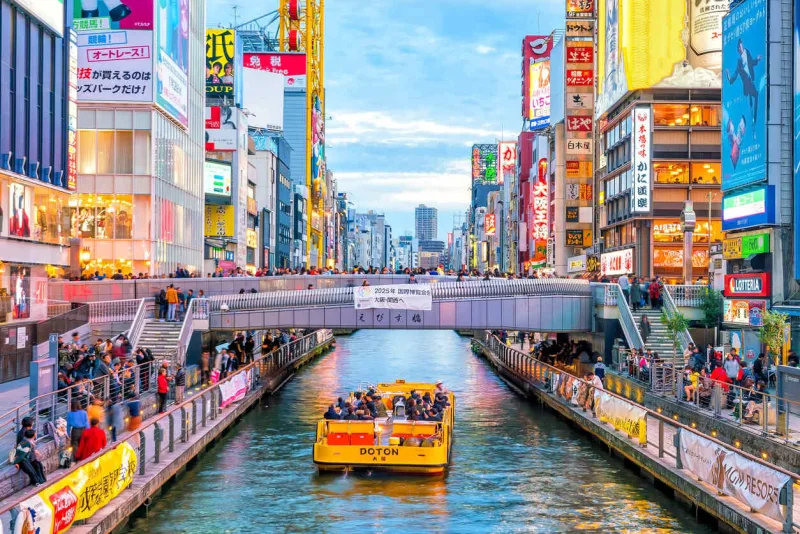
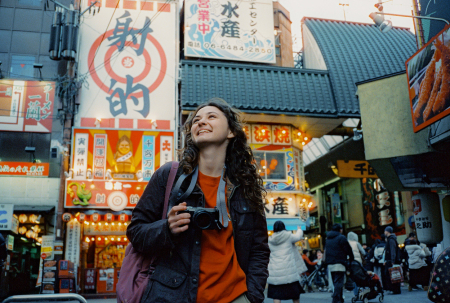
Dotonbori is Osaka’s most famous entertainment district, known for its glowing neon signs, lively atmosphere, and endless street food stalls. The area comes alive in the evening with crowds, music, restaurants, and nightlife creating nonstop energy. From the iconic Glico sign to local takoyaki vendors, every corner feels exciting and photogenic. Touristy yet undeniably authentic, Dotonbori captures Osaka’s bold personality perfectly.
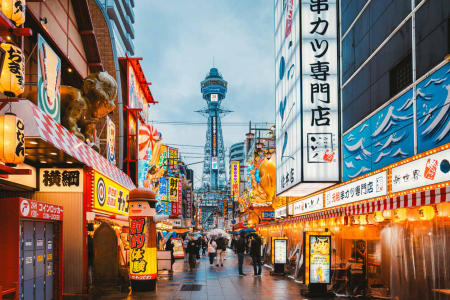
Shinsekai offers a raw and nostalgic look into old Osaka, far from polished tourist attractions. This working-class neighborhood is filled with standing bars, local eateries, retro arcades, and colorful streets packed with character. Affordable meals, friendly locals, and vintage charm create an atmosphere that feels authentic and welcoming. It’s one of the best places to experience Osaka’s everyday culture and street-life energy.
Umeda represents modern Osaka with sleek skyscrapers, massive department stores, stylish restaurants, and endless underground shopping streets. As one of the city’s main business and transport hubs, it feels cleaner, calmer, and more organized than the chaos of Dotonbori. Visitors can enjoy luxury shopping, panoramic city views, and convenient access to train stations while experiencing Osaka’s sophisticated urban side.
Taisho-ku is one of Osaka’s hidden creative neighborhoods, known for its independent cafés, vintage stores, art spaces, and relaxed local atmosphere. Popular among students, artists, and young creatives, the district offers a quieter side of the city away from major tourist crowds. Walking through its streets reveals contemporary Osaka culture, unique local businesses, and a refreshing mix of tradition and modern artistic energy.
Get in touch with our local experts for an unforgettable journey.
Plan Your Trip
1. Osaka Castle
Step into Japan’s samurai history at Osaka Castle, one of the country’s most famous landmarks. Surrounded by peaceful gardens and scenic moats, the reconstructed castle offers panoramic city views from the top floor. During cherry blossom season in April, the surrounding park becomes one of Osaka’s most beautiful spots. A perfect half-day experience for history lovers and photographers alike.
2. Dotonbori Canal Walk
Experience the vibrant energy of Osaka with an evening walk along the famous Dotonbori Canal. Neon lights reflect across the water while giant animated signs, local restaurants, and lively streets create an unforgettable atmosphere. It’s one of the city’s best places for street photography, nightlife, and authentic Osaka food culture. Visit between 6–8 PM for the most magical views.
3. Shinsekai Exploration
Discover the nostalgic charm of Shinsekai, one of Osaka’s most authentic neighborhoods. Wander through retro streets filled with vintage shops, local bars, colorful signs, and traditional street food vendors. This lively district offers a glimpse into everyday Osaka life away from luxury attractions. Perfect for travelers looking to experience the city’s working-class culture and old-school atmosphere.
4. Kuromon Market
Start your morning at Kuromon Market, Osaka’s famous food destination known for fresh seafood, local produce, and ready-to-eat Japanese specialties. The lively market atmosphere makes it ideal for breakfast while exploring authentic Osaka flavors. Try sushi, grilled seafood, wagyu skewers, and sweet treats from family-run stalls. Visit early between 7–10 AM for the freshest experience.
Kuromon Market: Traditional market. Fish, produce, ready-to-eat foods. Breakfast sushi (€8-15). Fresh seafood rice bowls. Locals and tourists mixing.
Shinsekai District: Traditional working-class neighborhood. Street vendors, standing bars, old-style restaurants. Authentic Osaka eating culture. €10-20 meals.
Station Location: Osaka is compact, train-centered. Stations connect everything. €2-4 metro rides. Daily pass (€8) available.
Getting Around: Walk when possible, metro when not. Easy navigation. English signage adequate.
Time to Attractions:
The best time to visit Osaka is during spring (March to May) and autumn (October to November) when the weather is most comfortable and the city looks its best.
Overall, spring and autumn are considered the most enjoyable seasons for exploring Osaka.
Osaka isn't perfect. It's loud, chaotic, sometimes overwhelming. But it's authentically itself. No pretense. No performance. Just people living, eating, working, celebrating with genuine energy.
This authenticity is Osaka's greatest value. In world of Instagram-perfected travel, Osaka offers messy, real, unfiltered Japan. Food culture so intense it's spiritual. Neighborhoods where locals actually live. Hospitality warm because genuinely felt, not professionally trained. Visit Tokyo to understand modern Japan. Visit Osaka to understand Japan actually is.
Stay 2-3 nights minimum. Day trip possible but rushed. Osaka's value—authentic living rhythm, neighborhood exploration, food culture depth—requires time. Overnight allows Shinsekai evening exploration, morning market eating, relaxed neighborhood walking. One day covers main sights; staying reveals actual Osaka.
Yes, especially weekends (10 AM-10 PM). Visit morning (8-10 AM) or late evening (10 PM+) for relative quiet. Weekday visits quieter than weekends. Evening (6-8 PM) energy peaks—choose based on preference: crowd-watching or relative peace. Worth experiencing at least once despite crowds.
Very safe. One of Japan's safest cities. Nightlife areas well-lit, crowded, police present. Shinsekai evening safe (locals and tourists mixing). Standard precautions apply (not displaying valuables, staying aware). Genuinely safe destination for night exploration.
Both essential. Different experiences. Takoyaki: quick street food, textural contrast, individual pleasure. Okonomiyaki: sit-down experience, made-to-order, sharing possibility. Try both. Multiple vendors offer variations. Favorite depends personal preference. No wrong answer—both excellent.
Budget €40-60/day comfortably. Accommodation €40-80/night, meals €10-20, activities €5-20. Cheaper than Tokyo. Better food value. Street food meals (€5-10) affordable luxury. €30-40/day possible eating street food exclusively. Osaka offers excellent value—spend moderately, eat exceptionally.
Yes, if history interests you. €10 entry, 2-hour visit including views. Reconstructed (not original), but castle structure impressive. Park surrounding castle beautiful (cherry blossoms April). Worth half-day. Skip if only interested in food/nightlife.
Different cities, different values. Tokyo: capital, polished, formal, museums. Osaka: food, nightlife, casual, authentic. Not comparison of better/worse. Visit both (2-3 days each). Osaka reveals Japan; Tokyo shows what Japan became. Both essential.
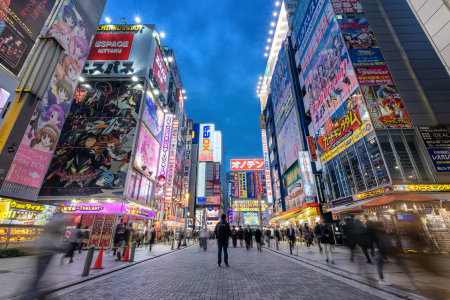
From ancient temples to neon-lit streets, this Tokyo wiki covers everything — history, culture, food, districts & tips to help you explore Japan's capital.
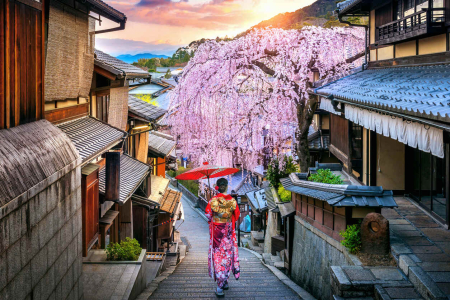
Kyoto is more than Instagram temples. Experience authentic geisha traditions, quiet neighborhoods, seasonal beauty, local food culture. Real ancient Japan.
Osaka is Japan's real heartbeat. Incredible street food, affordable luxury, genuine hospitality, vibrant nightlife. Skip Tokyo crowds, experience authentic Japan.
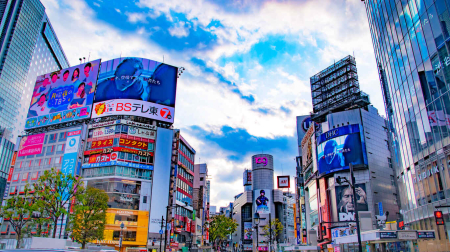
Shibuya is Tokyo's party capital. World-famous crossing, vibrant nightlife, trendy shopping, youth energy. Stay up late, shop, eat, dance, live.
Matsumoto is hidden gem. Stunning castle, mountain backdrop, authentic culture. Less crowded than Kyoto, more accessible than remote destinations. Worth visiting.