Meiji Shrine Tokyo
#The Forest Experience: Meiji's Spiritual Heart
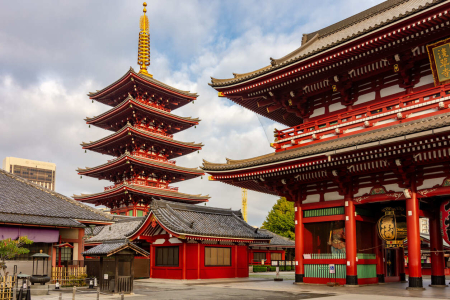
#Meiji Shrine VS Sensoji Temple: The Difference
#Visiting Meiji Shrine: Practical Guide
#Yoyogi Park: Extension of Meiji Experience
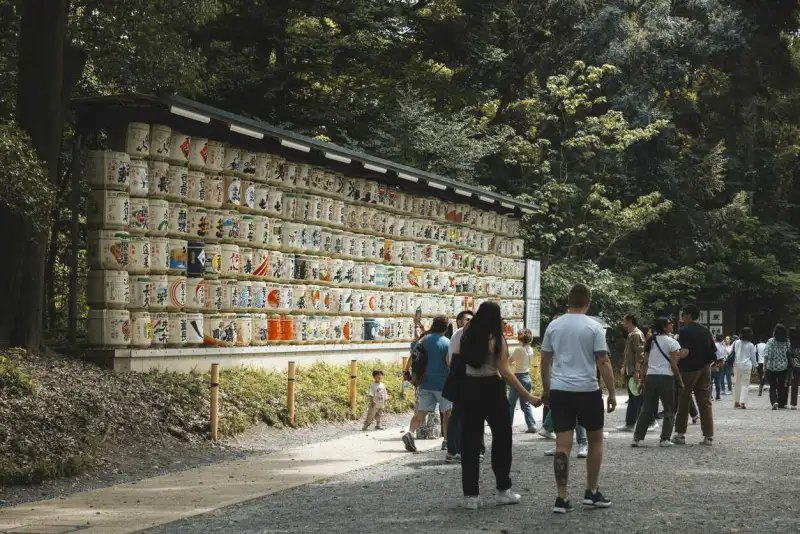
Meiji Shrine is different from Tokyo's other famous temples. There are no massive crowds, no souvenir shops, no incense overwhelming your senses. Instead, you find towering forest, peaceful trails, genuine worshippers conducting rituals, and silence broken only by forest sounds.
Walking toward Meiji Shrine through its forest approach, you leave Tokyo completely. City noise fades. Modern buildings disappear. Ancient cedars tower overhead. For moments, you forget you're in Japan's largest metropolitan area. This transformation—from urban chaos to forest sanctuary—is Meiji Shrine's gift.
Meiji Shrine is Shinto shrine (not Buddhist temple) built 1920 honoring Meiji Emperor and Meiji Empress. Dedicated to their spirits and historical legacy. Located within 172-acre forest (Meiji Jingu Forest) in central Tokyo. One of Japan's most important shrines. Free entry. Open daily sunrise to sunset.
Meiji Emperor (1868-1912) transformed Japan from feudal society to modern nation. Brought Japan into international community. His reign marked enormous change. After death, nation built this shrine to honor his memory and contribution. Shrine represents gratitude, respect, historical preservation.
Unlike Buddhist temples (often ancient), Meiji Shrine is relatively recent construction. But spiritual significance equally profound. Millions visit annually despite minimal marketing or tourism promotion.
Forest Approach: Long pathway through old-growth forest. Two routes: upper path (longer, more forest) and lower path (shorter). Takes 10-20 minutes walking through forest.
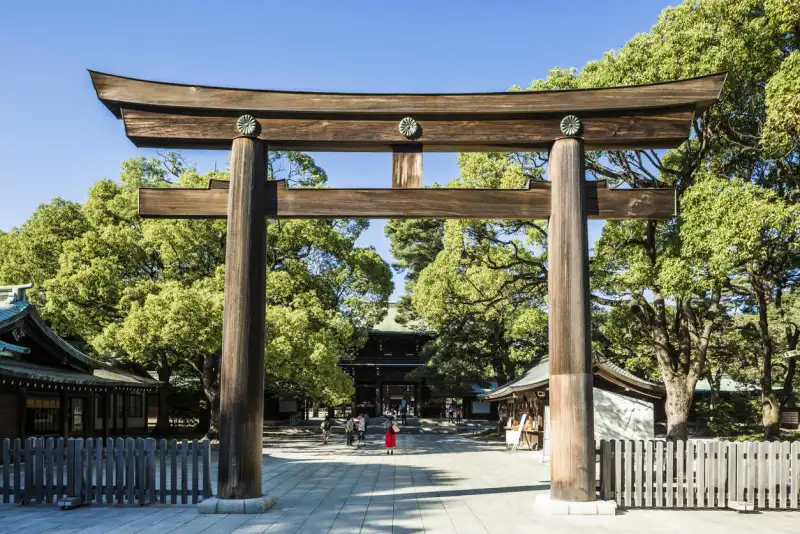
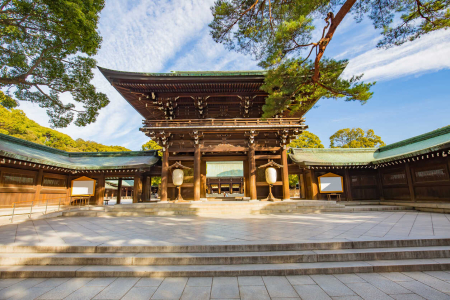
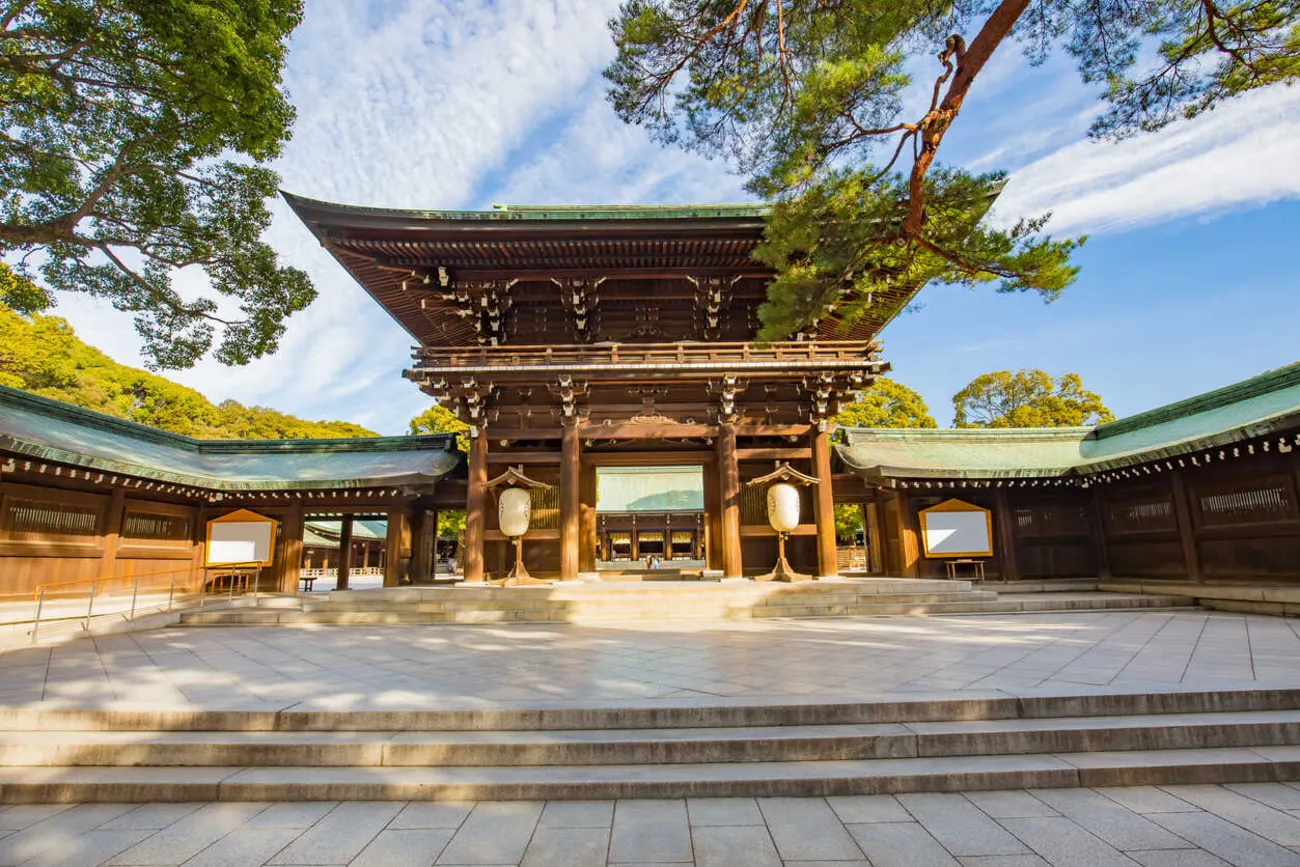
Meiji Gate: Large wooden torii gate marking shrine entrance. Where forest walkway transitions to shrine grounds.
Main Plaza: Open area with shrine buildings visible. Peaceful, spacious, rarely crowded.
Main Shrine Building (Honden): Central structure where rituals occur. Public viewing from distance. Not entered except during special ceremonies.
East Gardens: Peaceful garden area within grounds. Seasonal flowers, walking paths. €3 entry (separate fee).
Yoyogi Park: Adjacent expansive park. Skating rink, sports areas, picnic space. Peaceful despite proximity to Harajuku's chaos.
Meiji Shrine's most distinctive feature is forest. Original forest planted when shrine built. Intentionally created forest composed of native species from across Japan. Represents unity—diverse regions represented in single forest.
Walking forest path isn't additional feature. It's central experience. Takes 10-20 minutes. Path gradually transitions from urban Tokyo to natural sanctuary. By time reaching shrine, psychological shift profound.
Get in touch with our local experts for an unforgettable journey.
Plan Your TripSensoji: If wanting Tokyo's most famous temple, historic experience, embracing chaos. Go early morning to minimize crowds.
Meiji: If wanting peaceful spiritual experience, forest contemplation, authentic Shinto practice. Go any time (consistently peaceful).
Both: Ideal. Contrasting experiences—Sensoji's spiritual energy amid crowds, Meiji's serenity in forest. Different aspects of Japanese spirituality.
Harajuku Station: Closest major train station. Multiple lines available. Meiji Shrine entrance 5-10 minute walk from station. Well-signed, easy navigation.
Cost: Metro €2-4 depending on starting point. Easy access from anywhere in Tokyo.
Walking: From Harajuku Station, follow signs "Meiji Jingu." Path clear and straightforward.
Hours: Sunrise to sunset (varies by season)
Best Seasons:
Special Times: New Year (Jan 1-7) incredibly crowded. Avoid if seeking peace.
Minimal Visit: 45 minutes (forest walk, quick prayer, leave)
Typical Visit: 1.5-2 hours (forest exploration, rituals, contemplation, light walking)
Thorough Visit: 2.5-3 hours (forest walk, prayers, east gardens, surrounding park exploration, breakfast nearby)
Full Experience: 3-4 hours (sunrise approach, main shrine, east gardens, Yoyogi Park picnic, afternoon return)
Recommendation: 1.5-2 hours minimum. Less feels rushed. More allows genuine forest connection.
Forest Approach: Early morning golden light filtering through trees. Dramatic shadows. Photo opportunities constant. Sunrise most spectacular.
Torii Gate: Large wooden gate marking shrine entrance. Photograph from distance (showing forest context), from close-up (detail), during different light times.
Main Shrine Building: From respectful distance. Evening light warm on wooden structures. Morning shadows creating depth.
Forest Details: Moss-covered stones, ancient tree trunks, forest floor carpet. Macro photography opportunities. Details reveal forest's age and character.
Prayer Area: During quiet times, photograph people praying or walking. Respectfully—capture peace not intrude on spiritual practice.
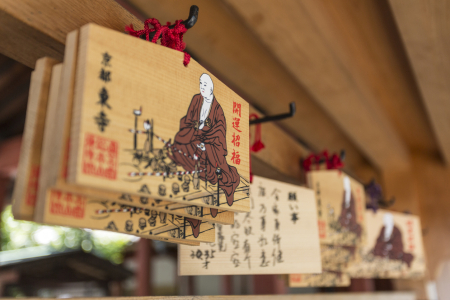
Ema Plaques: Colorful wooden plaques with prayers written. Photograph respectfully. These represent people's wishes.
Yoyogi Park (58 acres) directly adjacent Meiji Shrine grounds. Free entry. Peaceful park despite proximity to busy Harajuku area. Gardens, open fields, forest sections, facilities.
Park extends peaceful experience. Picnicking possible (bring food from nearby shops). Walking trails continue forest experience. Different energy than shrine (more recreational) but maintains peaceful atmosphere.
Meiji Shrine offers what modern Tokyo rarely provides—genuine peace. It is not an escape from reality, but access to a deeper one beneath constant urban stimulation. The forest quiets the mind, Shinto rituals focus intention, and the shared presence of visitors creates a subtle collective spiritual energy.
Whether for spiritual reflection, stress reduction, or cultural understanding of Shinto, Meiji Shrine has a transformative effect. Its calm is not marketing—it comes from intentional design, a carefully preserved forest, and a living spiritual practice. In a city of millions, this 172-acre sanctuary remains a rare and authentic space for nature, reflection, and peace, freely open to all.
Any time offers peace, but sunrise (5-7 AM) most magical—golden light through forest, completely empty, spiritual atmosphere most intense. Early morning (7-9 AM) excellent—good light, minimal crowds. Afternoon (2-4 PM) calm and meditative. Evening (4-6 PM) beautiful light. Avoid midday (11 AM-2 PM). Spring and fall best seasons. Meiji stays peaceful regardless of time—unlike crowded Sensoji, consistency is strength.
No fee for main shrine and forest. Completely free. Donations voluntary (€0.50-2 at offering box during prayer). East Gardens section requires small fee (€3) but not necessary for main shrine experience. Pure accessibility—spiritual experience not gated behind payment.
10-20 minutes depending on pace. Upper path (longer, more forest immersion) takes 15-20 minutes. Lower path (shorter) takes 8-10 minutes. Peaceful pace encouraged—no rushing. Time worth spending—forest walk is experience itself, not just approach. Rushing minimizes forest meditation benefit.
Both free entry. Neither charges admission. Meiji has zero commercial infrastructure (no shops, no vendors). Sensoji has Nakamise shops (expensive). Spending money optional at both, but Meiji eliminates commercial pressure entirely. If budget-conscious, Meiji better—no temptation spending money beyond donations.
Photography allowed outdoors freely. Inside shrine buildings during ceremonies—photography prohibited (respect worship). East Gardens allow photography. No flash anywhere (respect spiritual atmosphere). Photograph nature and people respectfully. Don't disturb worship in progress. Standard courtesy applies—capture beauty without disrupting spirituality.
Yes, excellent for meditation. Peaceful atmosphere, forest environment, minimal crowds all support meditation practice. Forest walk itself meditative. No formal meditation area but entire grounds conducive. Sitting contemplatively near shrine acceptable. Morning visits (6-8 AM) most conducive—fewest people, mental clarity from forest.
Sensoji is Tokyo's most famous temple but madly crowded. Master visiting times, understand rituals, explore beyond tourists. Real temple experience awaits.
Meiji Shrine offers Tokyo's most peaceful spiritual experience. Forest sanctuary, authentic rituals, no crowds, free entry. Escape the city's chaos here.
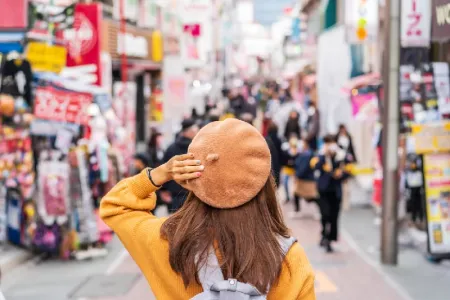
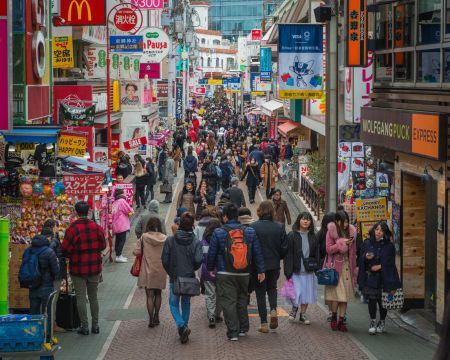
Harajuku is a bustling district in Tokyo famous for its cutting-edge fashion, diverse street styles, youth culture, quirky shops, and vibrant atmosphere that attracts millions of visitors annually.
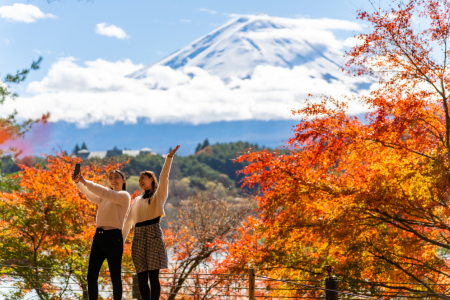
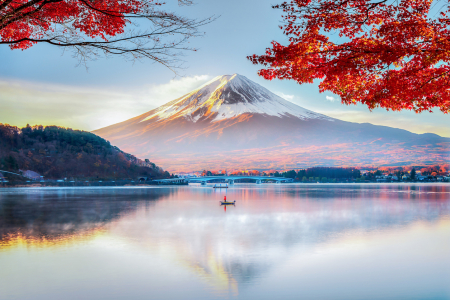
Mount Fuji is more than icon. Sacred mountain, spiritual experience, challenging climb. View from trains or climb summit. Japan's soul embodied in one peak.
Ryukyuan culture isn't Japanese—it's distinct. Island heritage, different language, unique traditions, spiritual practices. Okinawa's soul revealed.
Toji Temple stands as one of Japan's most iconic Buddhist temples in Kyoto, famous for its five-story pagoda, monthly flea markets, and profound spiritual significance.