Mount Fuji

#The Mountain: Sacred and Real
#Climbing Mount Fuji: The Real Experience
#Viewing Mount Fuji: No Climbing Required
#The Culture: Spiritual Significance
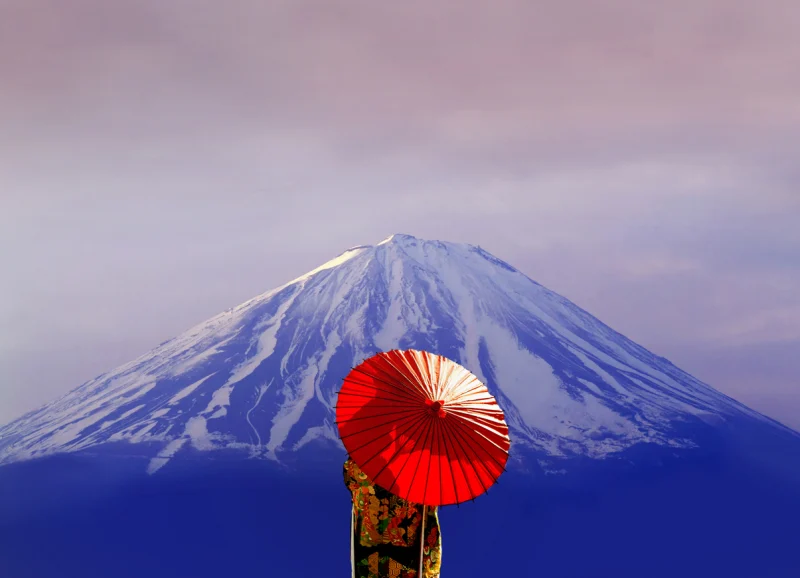
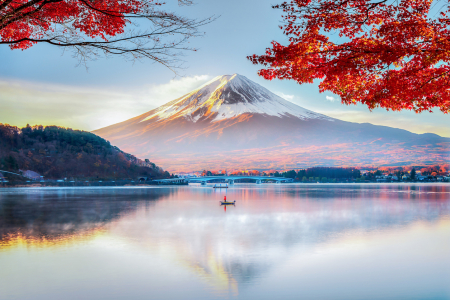
Mount Fuji is Japan's most recognizable image. Perfect cone, snow-capped peak, iconic silhouette appearing on everything from postcards to beer bottles. But seeing Mount Fuji on a postcard and experiencing Mount Fuji in person are fundamentally different things.
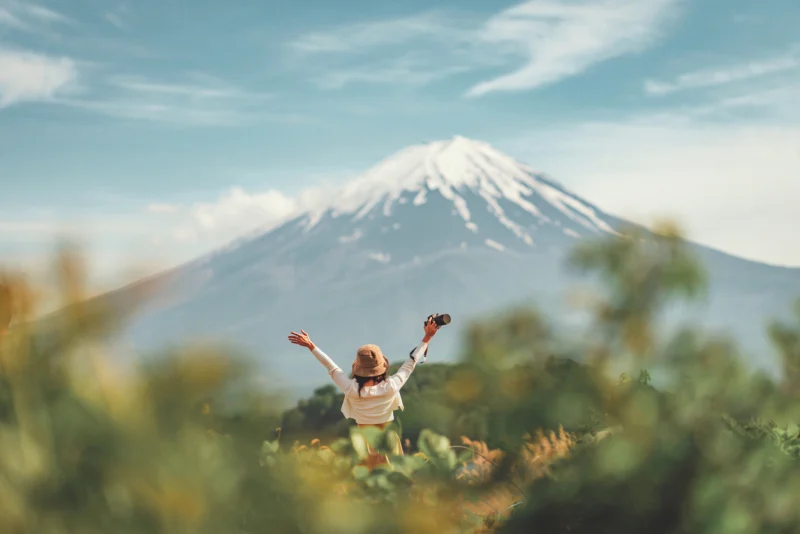
Climbing Mount Fuji is challenging, rewarding, transformative. Reaching 3,776 meters elevation, standing above clouds, watching sunrise from summit—profoundly moving experiences. But climbing isn't required. Viewing Mount Fuji from distance—Hakone, Kawaguchiko, trains—captures majesty without physical struggle.
This guide covers both: climbing for adventurers, viewing for everyone else. Understanding Mount Fuji's significance reveals Japan's relationship with nature, spirituality, cultural identity.
Mount Fuji is located in Japan, on the island of Honshu, and sits about 100 kilometers southwest of Tokyo. It lies on the border between Shizuoka Prefecture and Yamanashi Prefecture, making it visible from both regions on clear days. As the highest mountain in Japan at 3,776 meters, Mount Fuji is an iconic natural landmark and a symbol of the country’s beauty and culture. It is part of the Fuji-Hakone-Izu National Park, surrounded by lakes, hot springs, and scenic viewpoints that attract millions of visitors every year. Whether seen from Tokyo’s skyline, a bullet train window, or up close during a climb, Mount Fuji remains one of Japan’s most unforgettable destinations.
Mount Fuji is Japan's highest mountain. Also sacred—Shinto shrine at summit, pilgrimage destination for centuries. Climbing isn't sport but spiritual practice traditionally. This duality persists: you're climbing both physically and spiritually.
Physical Reality:
Spiritual Reality:
Get in touch with our local experts for an unforgettable journey.
Plan Your Trip
Yoshida Trail (60% of climbers):
Subashiri Trail (Less crowded):
Gotemba Trail (10% of climbers):
Fujinomiya Trail (25% of climbers):
Day 1: Drive/train to 5th station (2,300m). Hike 3-4 hours to mountain hut. Sleep.
Day 2: Wake pre-dawn (3 AM). Hike 3-4 hours to summit, arriving sunrise. Explore summit. Return to hut. Sleep.
Day 3: Hike down 4-6 hours (depending trail). Return to 5th station.
Total Time: 2.5-3 days
Mount Fuji doesn't require technical climbing skills. But physical fitness matters. Altitude affects everyone—altitude sickness common above 2,500m.
Fitness Level Needed: Moderate. If hiking 10km on flat terrain is manageable, Fuji possible. Not extreme athletes' only sport.
Altitude Sickness: Real concern. Headaches, nausea, fatigue common. Ascending slowly, hydrating, resting help. Descent cures it immediately.
Mountain huts are basic but functional. Sleeping on shared futons in crowded rooms. Dinner (usually) and breakfast (early) provided. €40-60/night.
What to Expect:
Why Worth It: Sleeping on mountain itself creates different summit experience. Waking for sunrise is magical communal moment. Despite discomfort, transformative.
Not everyone climbs. Many just view. Multiple options for experiencing Fuji without hiking.
Mountain town 2 hours from Tokyo. Hot springs, mountain views, excellent view of Fuji. Stays 1-2 nights in ryokan, soak in onsen, view Fuji. Comfortable luxury without climbing challenge.
Cost: €100-200/night ryokan (meals included)
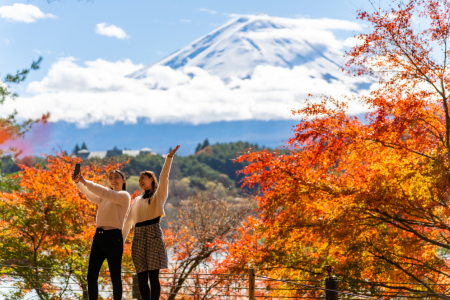
Closest lake to Fuji. Mountain perfectly reflected in water. Picture postcard views. Stays possible (€60-100/night). Hiking options (without summit climb).
Shinkansen (bullet train) Tokyo-Kyoto passes Fuji. Window seat on right side (heading west). Fuji visible 15-20 minutes. Free world-class view during train journey.
Best View: Morning trains (clearest light), clear weather (luck).
Mount Fuji represents Japan's spiritual relationship with nature. Not just scenic spot but sacred entity. Understanding this context enriches experience.
Tokyo to 5th Station (climb start):
Book Mountain Huts Ahead: Especially July-August. Popular huts full weeks in advance. Online booking available.
Climbing:
Viewing (No climbing):
July-August: Warm at base, cold at summit (5-10°C). Most reliable weather. Most crowded.
June/September: Unpredictable weather. Sudden storms possible. Fewer crowds.
Winter: Extreme cold, dangerous conditions, most facilities closed. Expert climbers only.
Best Conditions: Clear, calm days. Sunrise views depend on clear weather (luck element).
Mount Fuji's appeal transcends tourism. Whether climbing summit or viewing from distance, Fuji represents something profound in Japanese culture: respect for nature, spiritual significance in physical form, beauty inspiring artistic expression.
Climbing Fuji isn't vacation—it's pilgrimage. Viewing Fuji isn't sightseeing—it's encountering cultural icon. Both honor mountain's significance.
Moderately difficult, not extreme. No technical climbing skills required. Altitude affects everyone—sickness possible. Fitness helps (10km flat hike comfortable = adequate). Slow pace matters more than speed. Most climbers succeed. Descending harder than ascending (knee strain). Realistic expectation: challenging but achievable for fit people.
Technically possible but not recommended. Very challenging even for fit people. Altitude sickness worse with fast ascent. Missing sunrise (requires sleeping on mountain). Missing hut community experience. Two-day climb: better pacing, summit sunrise, hut experience. Do it properly rather than rushing achievement.
Early July (before peak), late September (after peak). June and October possible but fewer huts open. Any weekday less crowded than weekends. Early July: good balance weather and relative quiet. Early morning starts reduce crowding on trail. Weekday climbing half crowds of weekends.
Not required. Well-maintained trails, clear paths, self-sufficient climbing possible. Guides helpful for: first climbers (reassurance), altitude sickness prevention (pacing expertise), cultural context, photography locations. Cost €100-200 additional. Worth considering if nervous or want enhanced experience.
Possible but challenging with young children. Physical demand, altitude sickness risk, sleeping arrangements uncomfortable. Teenagers (14+) capable. Young children (under 12) struggle. Alternative: view from Hakone or train. Better family experience than pushing unprepared kids.
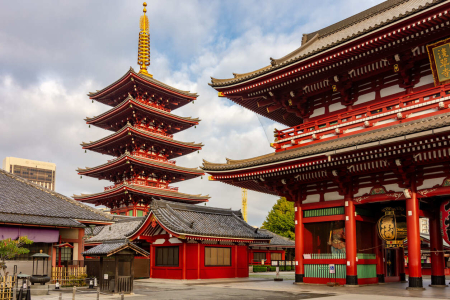
Sensoji is Tokyo's most famous temple but madly crowded. Master visiting times, understand rituals, explore beyond tourists. Real temple experience awaits.
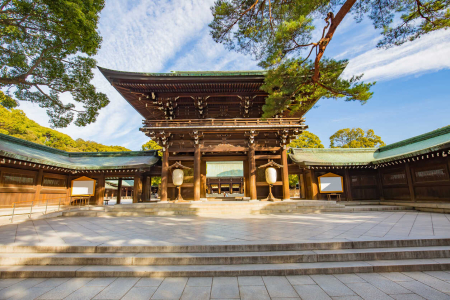
Meiji Shrine offers Tokyo's most peaceful spiritual experience. Forest sanctuary, authentic rituals, no crowds, free entry. Escape the city's chaos here.
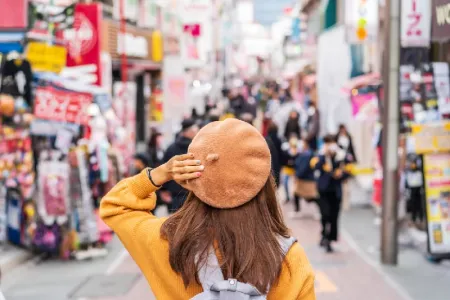
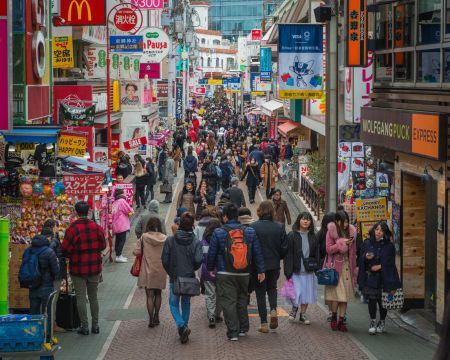
Harajuku is a bustling district in Tokyo famous for its cutting-edge fashion, diverse street styles, youth culture, quirky shops, and vibrant atmosphere that attracts millions of visitors annually.
Mount Fuji is more than icon. Sacred mountain, spiritual experience, challenging climb. View from trains or climb summit. Japan's soul embodied in one peak.
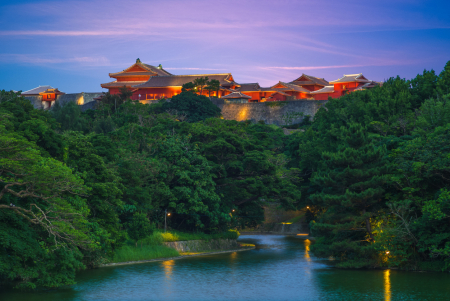
Ryukyuan culture isn't Japanese—it's distinct. Island heritage, different language, unique traditions, spiritual practices. Okinawa's soul revealed.
Toji Temple stands as one of Japan's most iconic Buddhist temples in Kyoto, famous for its five-story pagoda, monthly flea markets, and profound spiritual significance.