Harajuku

#The Magic of Takeshita Street
#Fashion: Where Trends Are Born
#Beyond Fashion: What Else Awaits?
#The Harajuku Experience: More Than Just What You See
Have you ever scrolled through social media and seen photos of impossibly fashionable people in colorful outfits walking down vibrant streets? There's a good chance those images came from Harajuku—Tokyo's most electrifying and style-forward district. Whether you're a fashion enthusiast, cultural explorer, or just someone curious about where global trends are born, Harajuku is calling your name.
Let me take you on a virtual tour of this iconic neighborhood and show you why millions of visitors fall in love with it every year.
Harajuku is a district located in Shibuya ward on Tokyo's famous Yamanote Line. Don't let the technical description fool you—it's not just another neighborhood. Harajuku is essentially the epicenter of Japanese youth culture, street fashion, and alternative lifestyle expression. Think of it as a living, breathing canvas where creativity has no limits and self-expression is celebrated.
The name "Harajuku" literally means "original temple," but nowadays it's synonymous with trendy fashion, pop culture, and kawaii (cute) culture. What started as a hangout spot for Japanese youth in the 1980s has evolved into a global phenomenon that influences fashion designers, musicians, and content creators worldwide.
Quick Fact: Harajuku attracts over 3 million visitors annually, making it one of Tokyo's top tourist destinations. The district has appeared in everything from anime and manga to international fashion magazines and music videos.
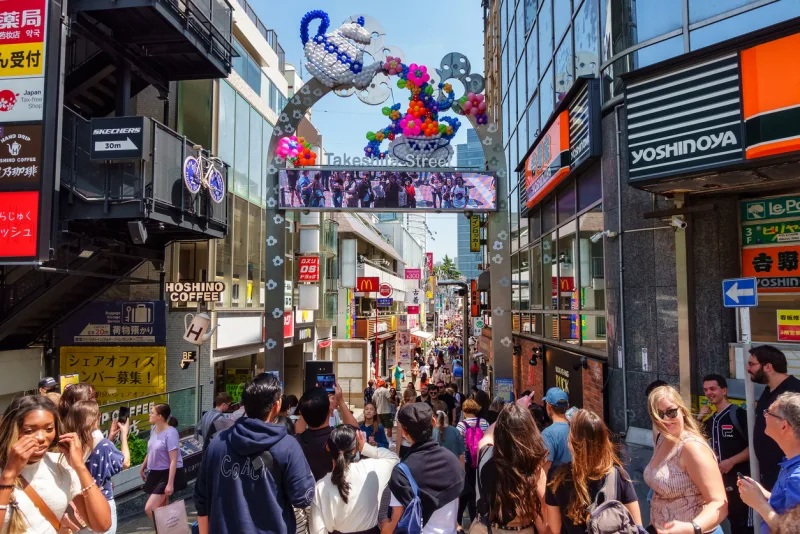
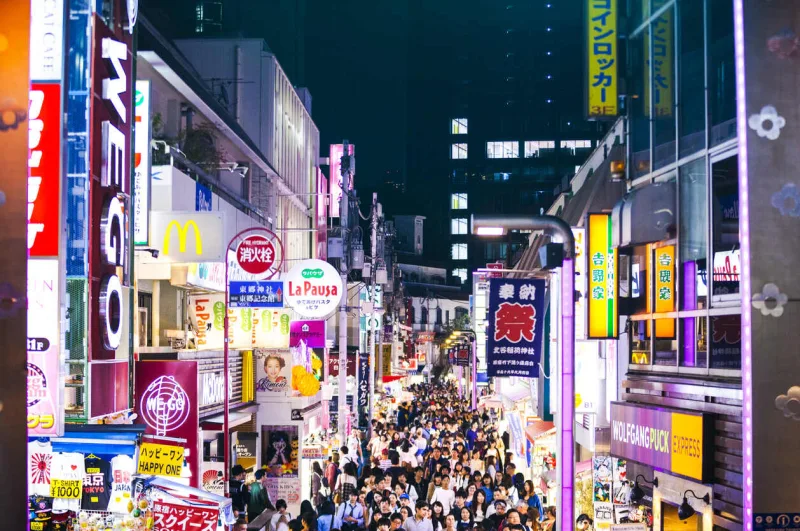
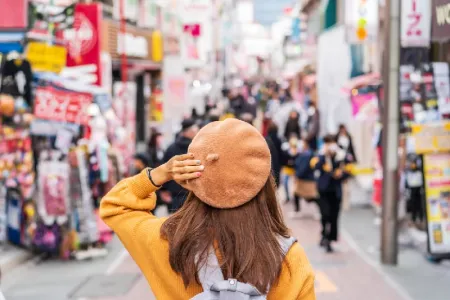
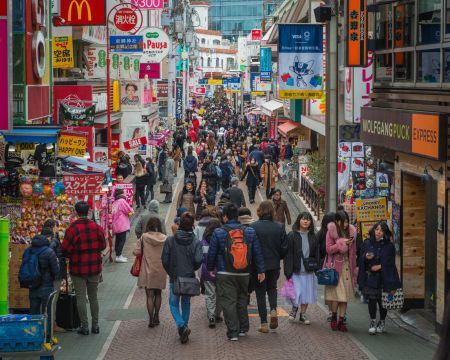
If Harajuku is the heart of Tokyo's youth culture, then Takeshita Street is its main artery. This narrow, pedestrian-only street is perhaps the most famous shopping street in all of Japan, and for good reason. When you walk down Takeshita, you're not just shopping—you're experiencing an explosion of colors, sounds, and styles.
The street is lined with boutiques, vintage shops, crepe stands, and quirky cafes. Here, you'll find everything from high-end designer brands to affordable, trendy clothing from local designers. The atmosphere is absolutely electric, especially on weekends. You'll encounter street performers, fashion photographers, and people-watchers from every corner of the globe.
Weekend afternoons on Takeshita Street can draw over 100,000+ visitors! For a more comfortable experience, visit on weekday mornings or get there before 10 AM on weekends. The experience is just as magical with half the crowds.
Get in touch with our local experts for an unforgettable journey.
Plan Your TripLet's be honest, Harajuku is where fashion gets weird, wonderful, and wonderfully weird. This is the place where teenagers wearing platform boots walk past someone in full decora style (think: colorful, heavily accessorized fashion), and nobody blinks twice.
Harajuku fashion isn't one thing; it's a celebration of many things. You'll see:
The beauty of Harajuku fashion is that there are no rules. Self-expression is the ultimate fashion statement here, and that's exactly why the world watches what Harajuku does.
While Harajuku is famous for its fashion scene, there's so much more to discover.
1. Omotesando (Harajuku's Champs-Élysées)
If Takeshita Street represents Harajuku's rebellious heart, Omotesando represents its glamorous side. This tree-lined avenue is home to luxury brands like Louis Vuitton, Gucci, and Chanel. The architecture here is stunning, with flagship stores designed by world-renowned architects. It's the perfect place to window shop and snap Instagram-worthy photos.
2. Meiji Shrine
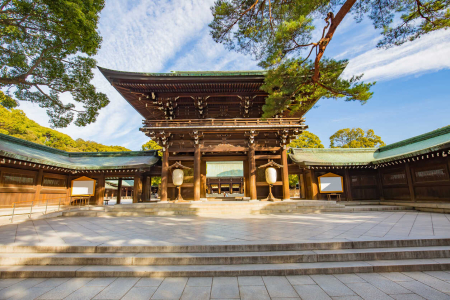
Need a spiritual breather? Meiji Shrine is a serene Shinto shrine dedicated to Emperor Meiji and is located right next to Yoyogi Park. Walking through the forest to reach this peaceful sanctuary feels like stepping out of modern Tokyo and into another era. It's a moment of zen in the middle of urban chaos.
Hidden Gem: Meiji Shrine is one of the most important Shinto shrines in Japan, and it's completely free to visit. Even though it's steps away from the bustling streets of Harajuku, stepping into the shrine forest feels like you've traveled back in time. It's the perfect escape when Harajuku gets overwhelming.
3. Yoyogi Park
Spread across 134 acres, Yoyogi Park is Tokyo's Central Park. On weekends, you'll find musicians, dancers, and performers. There are also sports facilities, food trucks, and plenty of green space to relax. If you visit during cherry blossom season (late March to early April), it's absolutely magical.
4. Takeshita Cafe & Crepe Culture
You haven't truly experienced Harajuku until you've eaten a crepe from a street vendor. These aren't just snacks—they're edible works of art. Choose your fillings, watch as the vendor creates your perfect crepe, and enjoy it while walking through the streets. Popular flavors include Nutella and strawberry, matcha and cream, and ice cream-filled varieties.
5. Shopping Districts Worth Exploring
Beyond Takeshita Street, Harajuku has several shopping areas. Ura-Harajuku (the backstreets) offers more niche, independent boutiques. Cat Street is a trendy shopping lane with mid-range fashion and lifestyle brands. Daikanyama, a nearby district, has a more sophisticated, laid-back vibe with vintage shops and indie bookstores.
A simple route could be:
It’s also a good idea to use the Japan Rail Pass to move around easily.
Visiting Harajuku isn't just about buying things or taking photos (though there's plenty of that). It's about immersing yourself in a culture that celebrates individuality and creativity. It's about watching people express themselves in ways that might shock you—and realizing that there's beauty in that freedom of expression.
Harajuku is where you'll see 70-year-old tourists walking alongside 17-year-old Japanese fashionistas, both equally fascinated by the energy of the place. It's where a shy person can come to feel bold, and where an extrovert can find like-minded souls.
Harajuku is more than just a shopping district or a fashion hub—it's a state of mind. It's a place where traditions meet innovation, where individuality is celebrated, and where the future of global culture is being shaped by teenagers in platform boots and oversized hair bows.
Whether you're visiting Tokyo for the first time or you're a seasoned traveler, Harajuku deserves a spot on your itinerary. Bring comfortable shoes, an open mind, and a camera, and prepare to have your perspective on fashion, culture, and self-expression transformed.
Absolutely not! While Harajuku was historically dominated by teenagers and young adults, today it welcomes visitors of all ages. We see everyone from families with children to retirees exploring the district. That said, the overall vibe is youthful and energetic, so it's best to approach it with an open mind and willingness to embrace the unique atmosphere.
It really depends on your preferences. You can find incredible deals at vintage and chain stores for ¥500-2,000 per item. However, if you venture into designer boutiques, prices can reach ¥10,000-100,000+ per item. A reasonable budget for a full day of shopping is ¥5,000-15,000 (about $35-100 USD), but you could easily spend more or less.
Weekday mornings (before 11 AM) are the least crowded. If you must visit on weekends, go early—before 10 AM—to avoid the massive crowds. Evenings (after 5 PM) also see fewer crowds than mid-afternoon. If you're looking for the full Harajuku experience with energy and people-watching, weekend afternoons are unbeatable, just be prepared for crowds.
No, but learning a few basic phrases helps and is appreciated by locals. Most shops have staff who speak some English, and younger Japanese people often speak English. However, don't rely entirely on English; Harajuku is very tourist-friendly, and most places have visual menus and pictures. Google Translate on your phone is a lifesaver.
Wear whatever makes you comfortable! Harajuku celebrates individual style, so there's no "wrong" outfit. That said, wear comfortable walking shoes—you'll be on your feet for hours. Many visitors dress up a bit to fit the fashionable vibe, but it's entirely optional. Some wear full Harajuku fashion, others wear regular street clothes. The point is self-expression.
Most shops have fitting rooms, but sizes can be limited, especially in smaller boutiques. Japanese sizes tend to run smaller than Western sizes, so always try things on. Many shops are small and intimate, so don't expect massive changing areas. Be patient and respectful of shop staff.
You can take photos of the streets, buildings, and scenery freely. However, always ask permission before photographing people—this is especially important for street photographers. Don't photograph people without consent, as it's disrespectful and potentially illegal. When visiting shops, ask if photography is permitted.
Yes, Harajuku is very safe. Tokyo is one of the safest cities in the world, and Harajuku is no exception. Standard travel safety applies: be aware of your surroundings, watch your belongings, and avoid walking alone very late at night (though even this is relatively safe in Tokyo).
Both are vibrant Tokyo districts, but they have different vibes. Harajuku is known for youth culture, fashion, and trendy boutiques. Shibuya is more corporate and commercial, famous for the Shibuya Crossing and major brands. Harajuku feels more artistic and rebellious, while Shibuya feels more mainstream and corporate. They're neighbors, so you can easily visit both in one day.
Absolutely! While fashion is Harajuku's claim to fame, the district offers much more. Visit Meiji Shrine and Yoyogi Park for nature and spirituality. Enjoy crepes and unique cafes. People-watch and observe the culture. Explore independent art galleries and bookstores. Shop for souvenirs, anime merchandise, or vintage items. There's something for everyone.
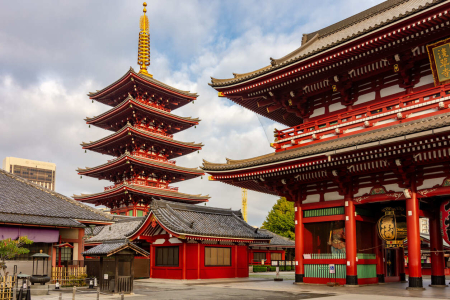
Sensoji is Tokyo's most famous temple but madly crowded. Master visiting times, understand rituals, explore beyond tourists. Real temple experience awaits.
Meiji Shrine offers Tokyo's most peaceful spiritual experience. Forest sanctuary, authentic rituals, no crowds, free entry. Escape the city's chaos here.
Harajuku is a bustling district in Tokyo famous for its cutting-edge fashion, diverse street styles, youth culture, quirky shops, and vibrant atmosphere that attracts millions of visitors annually.
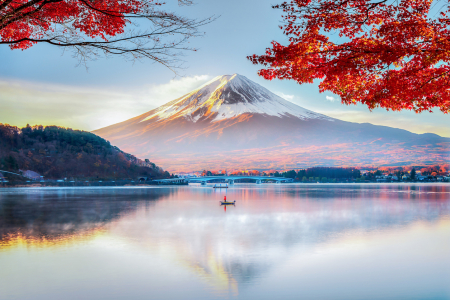
Mount Fuji is more than icon. Sacred mountain, spiritual experience, challenging climb. View from trains or climb summit. Japan's soul embodied in one peak.
Ryukyuan culture isn't Japanese—it's distinct. Island heritage, different language, unique traditions, spiritual practices. Okinawa's soul revealed.
Toji Temple stands as one of Japan's most iconic Buddhist temples in Kyoto, famous for its five-story pagoda, monthly flea markets, and profound spiritual significance.